
Over 1,100 species · Rift Valley to the Usambaras
Bird Watching Safaris in Tanzania
Flamingos on the soda lakes, lovebirds in the acacias, forest endemics in the Usambaras. Birding needs a different pace from a Big Five circuit, and a route built for it.
Why go
Where the Birding Is
- Over 1,100 species recorded in Tanzania
- Soda lakes, plains and montane forest in one trip
- Private vehicle — stop as long as the bird does
The Serengeti plains
Open country makes the big ground birds easy: Kori Bustard, Secretary Bird, Grey Crowned Crane and Fischer's Lovebird.
Ngorongoro and the soda lakes
Flamingos on Lake Magadi, with Augur Buzzard, Rufous-tailed Weaver and Rosy-throated Longclaw around the crater.
Lake Manyara
A shallow alkaline lake and groundwater forest side by side — one of the densest species counts on the northern circuit.
The Usambara Mountains
Montane forest well off the safari circuit, and the reason a Tanzania bird list runs so much longer than a game-drive one.
Know before you go
A Birding Trip Is Not a Game Drive
Both can be done in one itinerary — the difference is how the days are built.
| Birding safari | Standard game drive | |
|---|---|---|
| Pace | Slow, with long stops | Moves between sightings |
| Time of day | Early starts, when birds are active | Follows the predators |
| Route | Includes lakes, forest and wetland | Follows the Big Five parks |
| Vehicle | Private, so the stops are yours to make | Often shared |
9 itineraries
Safaris That Suit Birders
10 Days Serengeti Wildebeest Migration Safari
Serengeti → Tarangire → Ngorongoro
- Mid-range
- 4×4 Land Cruiser
From $3,440 pp
View details
10-Day Luxury Tanzania Safari: Tarangire, Serengeti, & Ngorongoro Adventure
Tarangire → Serengeti → Ngorongoro → Lake Manyara
- Luxury
- 4×4 Land Cruiser
From $7,230 pp
View details
9 Days Serengeti Safari During Calving Season
Serengeti → Kilimanjaro → Lake Manyara → Ngorongoro
- Mid-range
- 4×4 Land Cruiser
From $2,670 pp
View details
3-Day Serengeti NP, Ngorongoro Crater
Serengeti → Ngorongoro
- Mid-range
- 4×4 Land Cruiser
From $940 pp
View details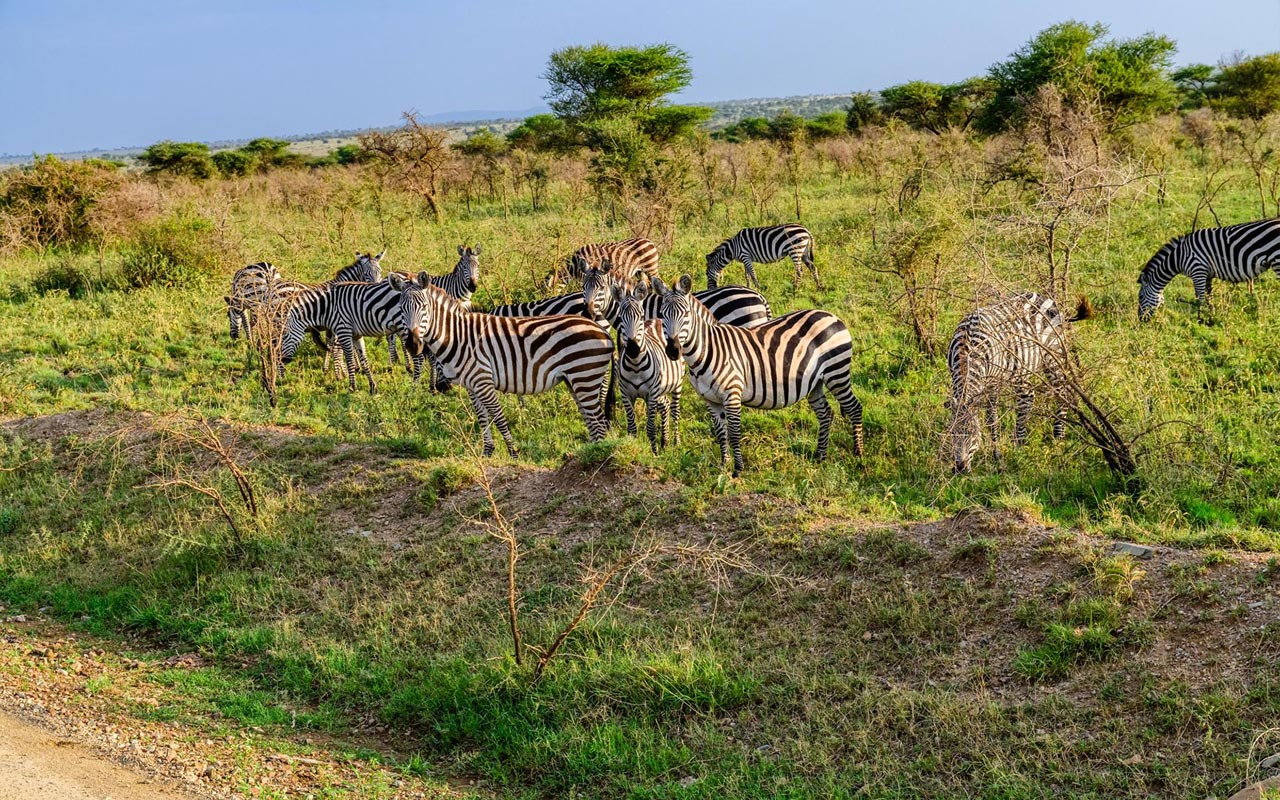
3 Days Safari from Zanzibar - Tarangire Np and Ngorongoro Crater
Zanzibar → Tarangire → Ngorongoro
- Mid-range
- 4×4 Land Cruiser
From $830 pp
View details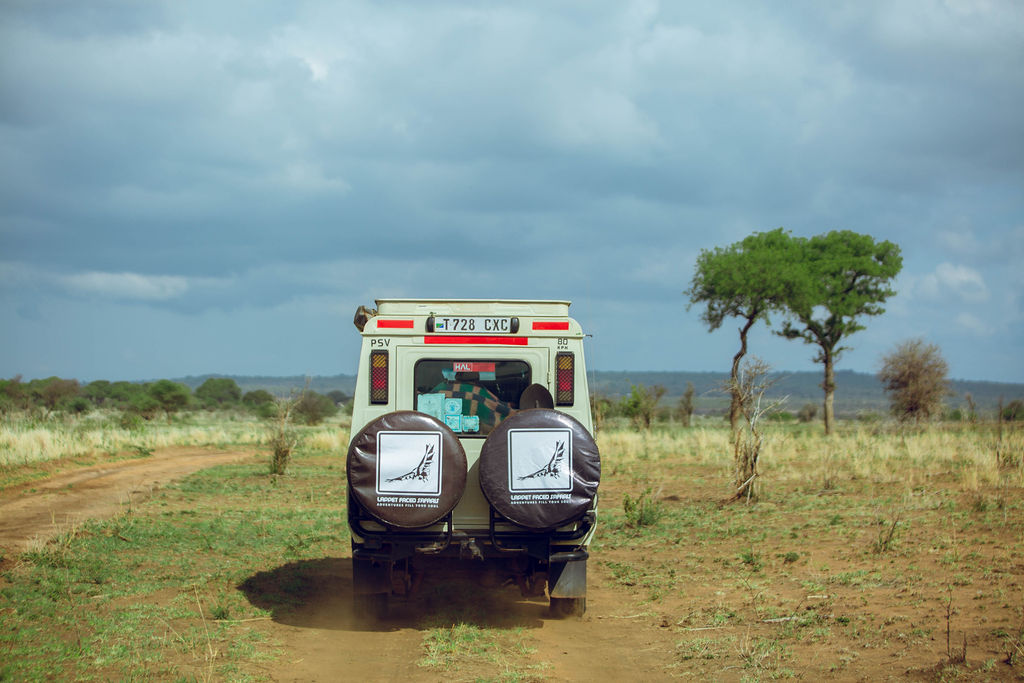
5-Day Tanzania Migration Safari: Ndutu, Serengeti, and Ngorongoro Crater Adventure
Ndutu → Serengeti → Ngorongoro
- Mid-range
- 4×4 Land Cruiser
From $1,690 pp
View details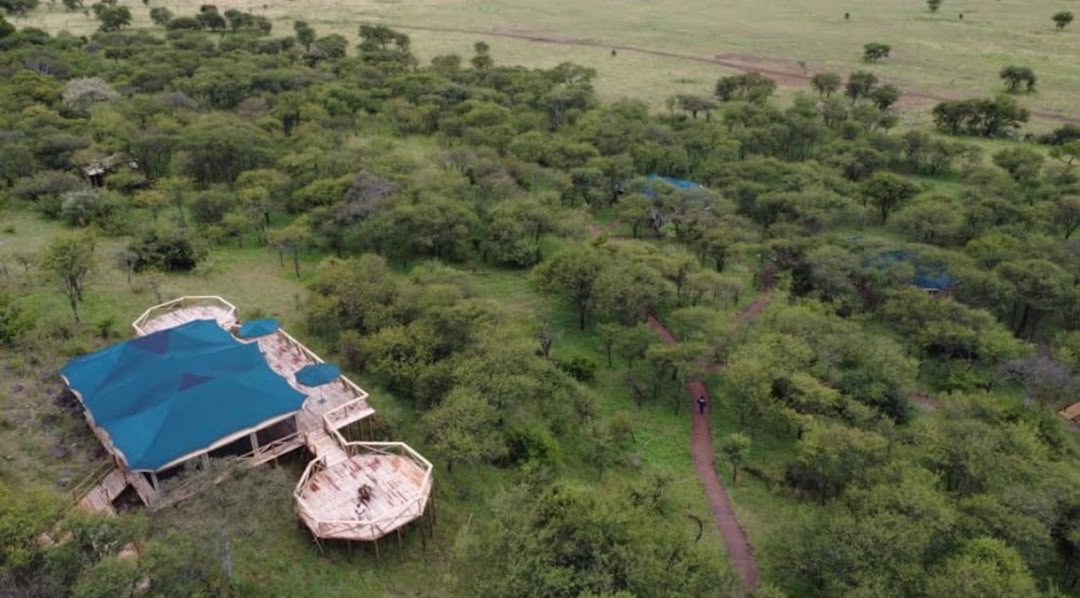
5 Days Serengeti Migration Safari | Lodge Safari
Serengeti → Lake Manyara → Masai Mara → Ngorongoro
- Mid-range
- 4×4 Land Cruiser
From $1,500 pp
View details
5-Day Safari: Tarangire, Serengeti, Ngorongoro & Lake Natron
Serengeti → Tarangire → Ngorongoro → Lake Natron
- Mid-range
- 4×4 Land Cruiser
From $1,500 pp
View details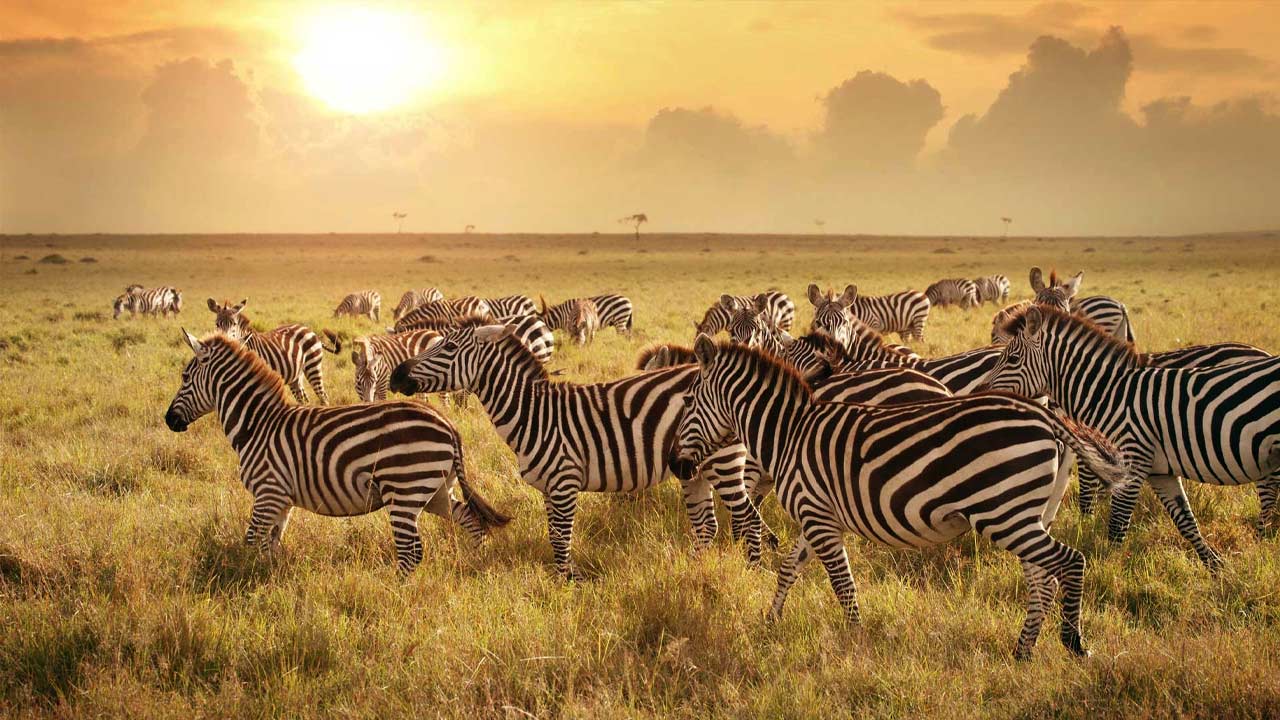
7 Days North Serengeti
Serengeti → Tarangire → Ngorongoro
- Mid-range
- 4×4 Land Cruiser
From $2,410 pp
View detailsThe full story
The Ultimate Adventure for All Ages
Tanzania isn’t just about the iconic Big Five—it’s a haven for birdwatchers too. Home to over 1,100 bird species, including several endemic and migratory birds, Tanzania offers some of the best birding opportunities in Africa. From the flamingo-filled soda lakes of the Great Rift Valley to the lush forests of the Usambara Mountains, this country’s varied ecosystems provide the perfect habitat for a wide range of avian species.
A bird watching safari in Tanzania is more than a simple wildlife adventure; it’s an opportunity to immerse yourself in nature, witness breathtaking landscapes, and encounter some of the most unique and colorful birds in the world. Let’s explore the top destinations, species to look out for, and tips to make your Tanzanian birding safari one for the books!
Why Tanzania is a Top Bird Watching Destination?
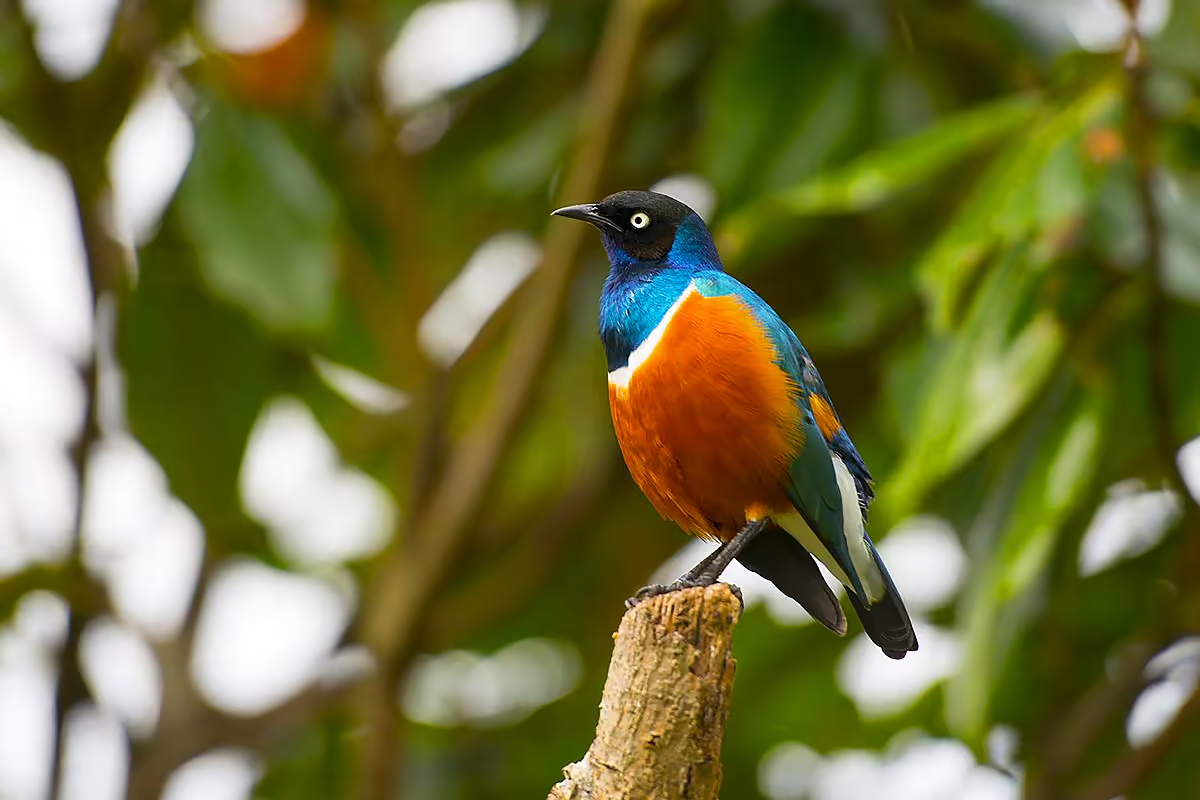
- Diverse Bird Species: Tanzania boasts over 1,100 bird species, making it one of Africa’s premier birding destinations. These include endemic species like the Ashy Starling and migratory birds that flock to the region during specific seasons.
- Unique Habitats: From wetlands and savannahs to forests and mountains, Tanzania offers a variety of ecosystems that attract different bird species year-round.
- Seasonal Migration: Between November and April, migratory birds from Europe and Asia flock to Tanzania, making it the best time for birdwatching enthusiasts.
Best Bird Watching Destinations in Tanzania
Here’s a rundown of Tanzania’s top safari destinations that cater to bird watching:
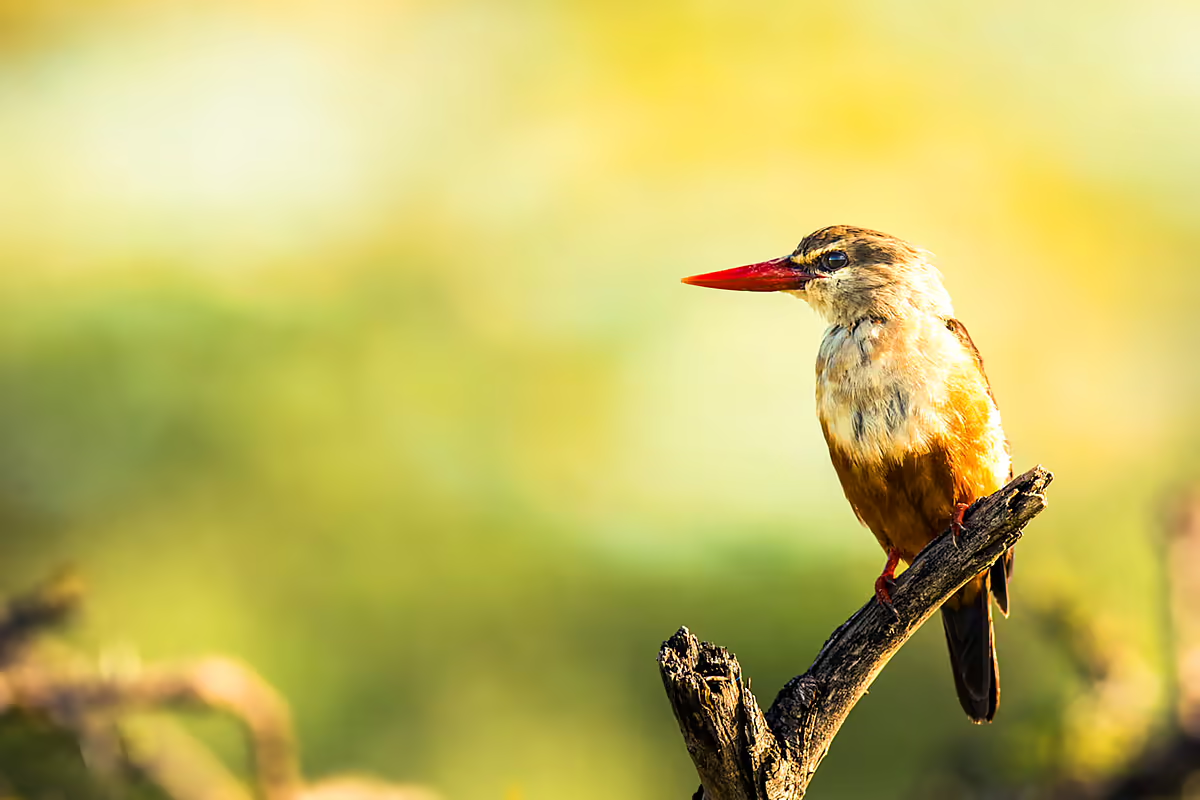
Serengeti National Park
- Key Species: Kori Bustard, Secretary Bird, Grey Crowned Crane, and Fischer’s Lovebird.
- What to Expect: The Serengeti is a birder’s dream, with open plains that make spotting large ground birds like ostriches and bustards easy. The migration season also brings plenty of scavenger activity, with vultures circling overhead.
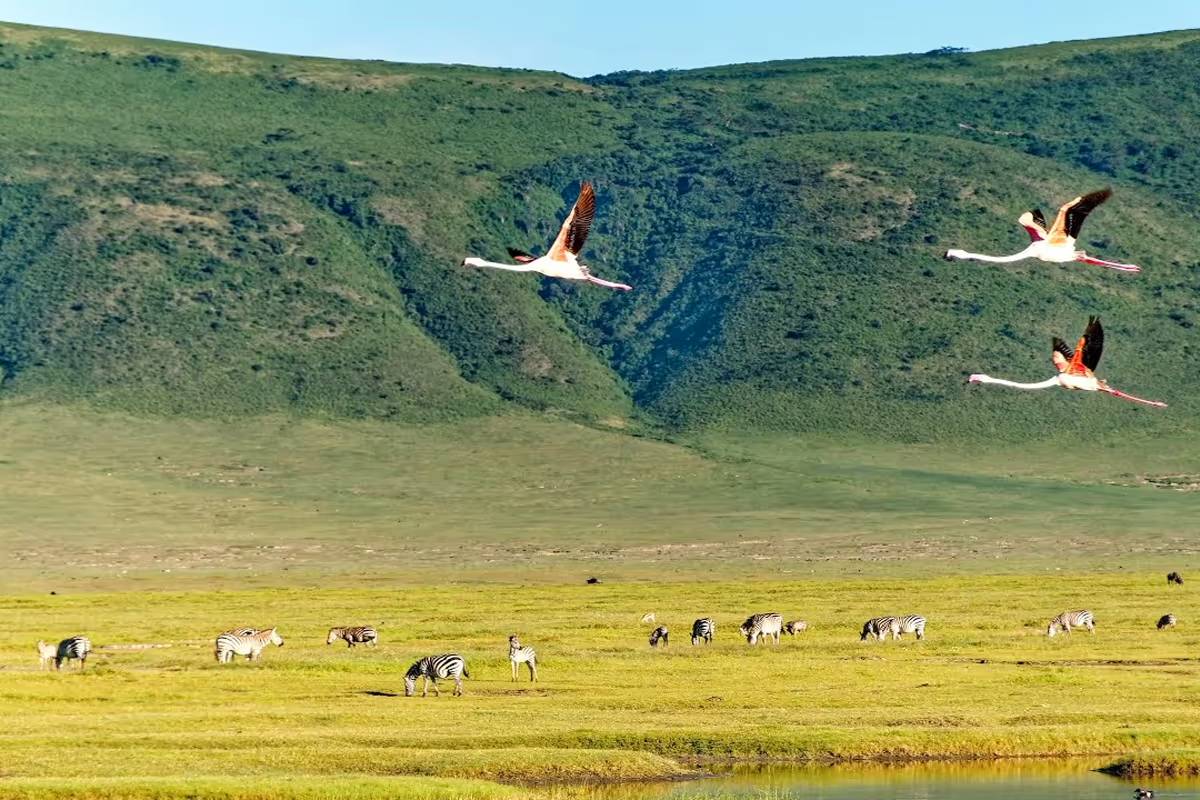
Ngorongoro Crater
- Key Species: Flamingos, Augur Buzzard, Rufous-tailed Weaver, and Rosy-throated Longclaw.
- What to Expect: Ngorongoro’s soda lakes, like Lake Magadi, are a hub for flamingos. Additionally, the crater’s mix of grasslands and forests supports a diverse bird population.
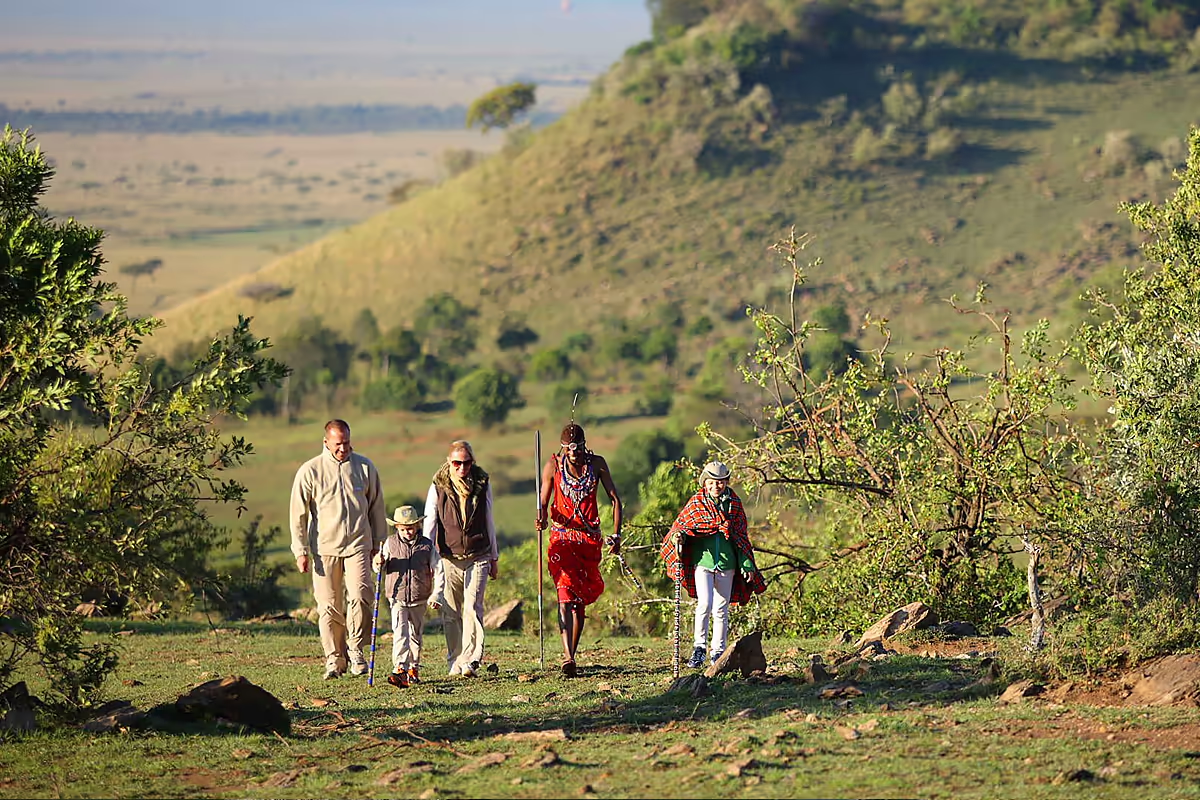
Lake Manyara National Park
- Key Species: Pink-backed Pelican, African Fish Eagle, Lesser Flamingo, and Crowned Hornbill.
- What to Expect: Famous for its tree-climbing lions, Lake Manyara is also a birding hotspot. Its alkaline lake attracts thousands of flamingos, while the surrounding forests house hornbills and eagles.
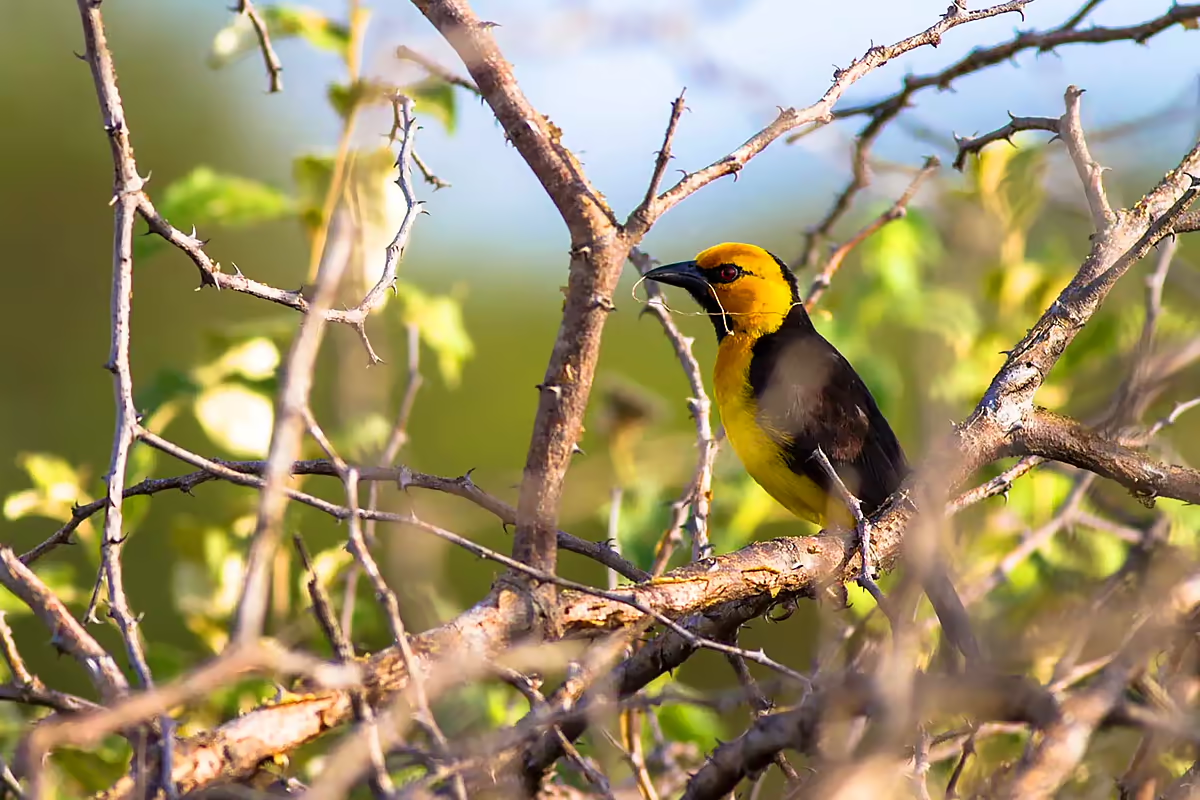
Tarangire National Park
- Key Species: Yellow-collared Lovebird, African Grey Hornbill, and Red-and-Yellow Barbet.
- What to Expect: With its iconic baobab trees and seasonal swamps, Tarangire is an ideal place for spotting wetland birds and forest-dwellers alike.
Nyerere National Park
- Key Species: African Skimmer, Malachite Kingfisher, and Southern Ground Hornbill.
- What to Expect: The Rufiji River and surrounding wetlands make this reserve a haven for water birds and fish-hunting species like herons and kingfishers.
Usambara Mountains
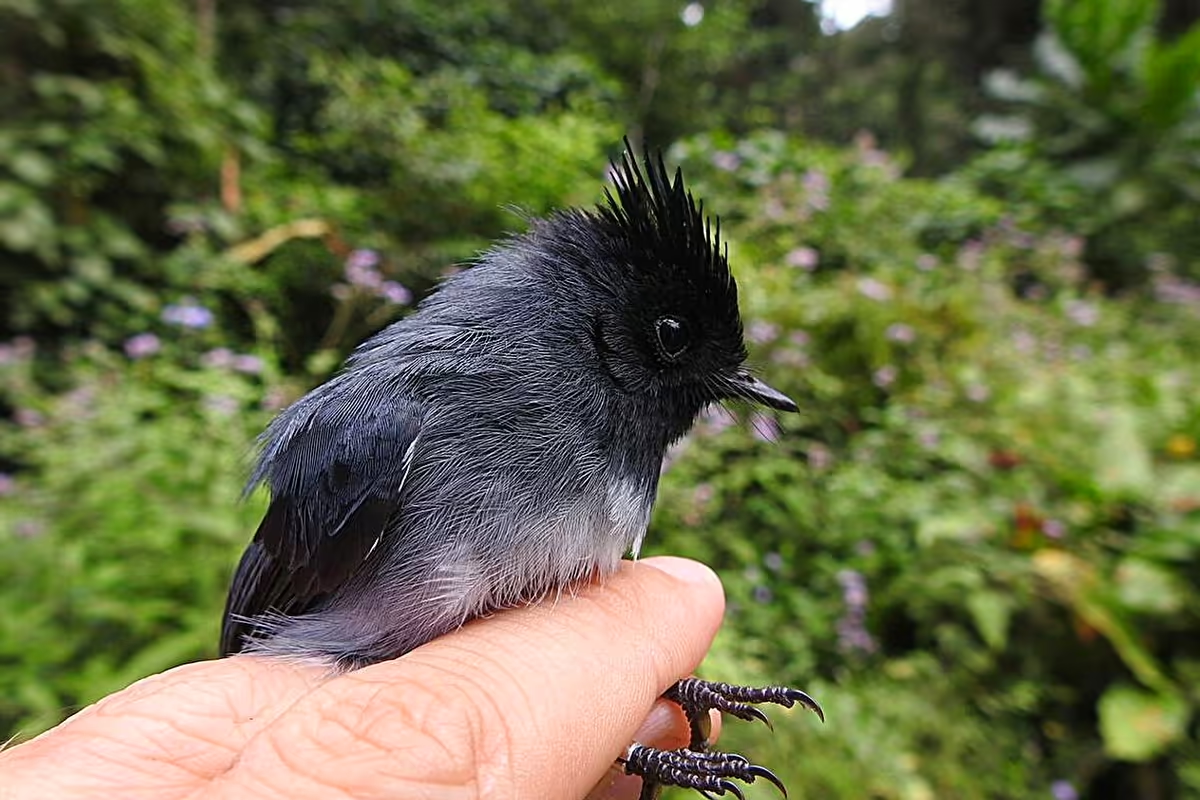
- Key Species: Usambara Weaver, African Emerald Cuckoo, and Amani Sunbird (endemic).
- What to Expect: These lush Eastern Arc mountains are perfect for spotting rare and endemic species in dense forest environments.
Best Time for Bird Watching in Tanzania
- November to April: This is the peak birding season, coinciding with the arrival of migratory species from Europe and Asia. It’s also the breeding season for many resident birds, so you’ll see vibrant plumage and courtship displays.
- May to October: While this is the dry season and ideal for general wildlife safaris, you’ll still spot plenty of resident bird species in parks like the Serengeti and Tarangire.
Tips for an Unforgettable Bird Watching Safari
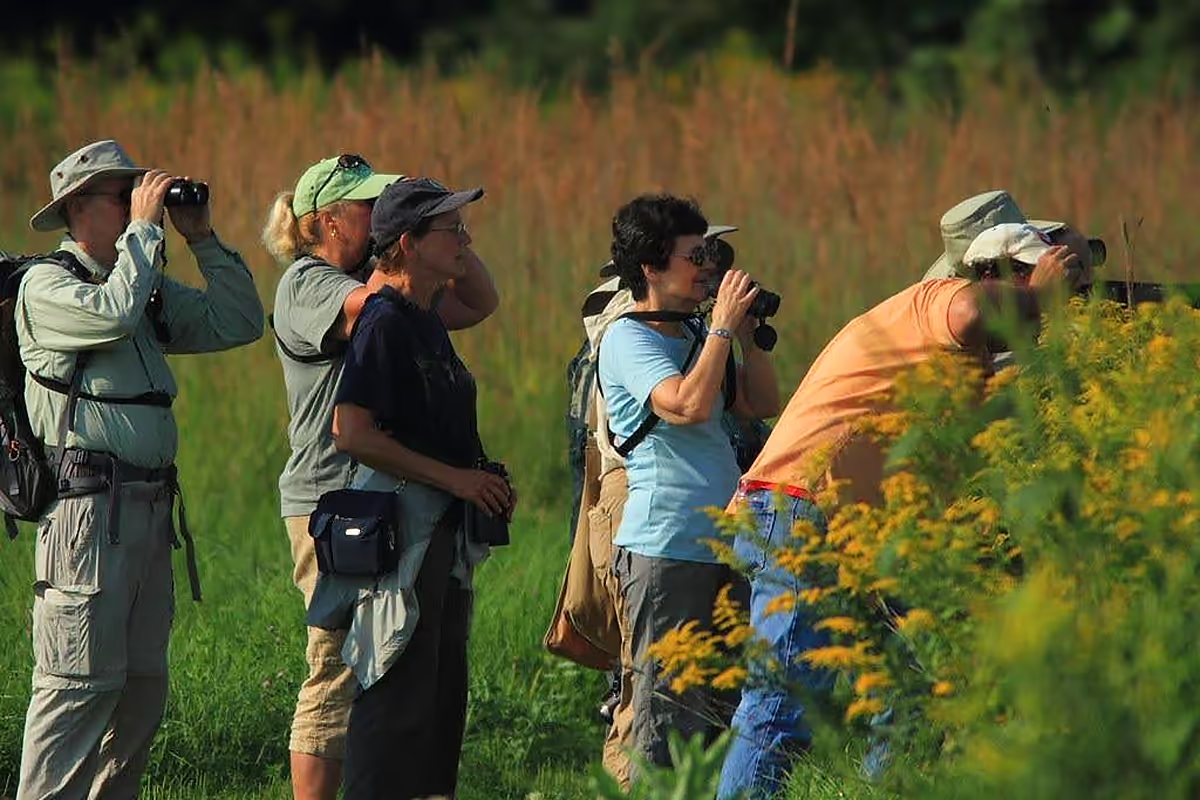
- Hire an Experienced Guide: Local birding guides are invaluable for identifying species by sight and sound. They’ll take you to the best birding spots and ensure you don’t miss any rarities.
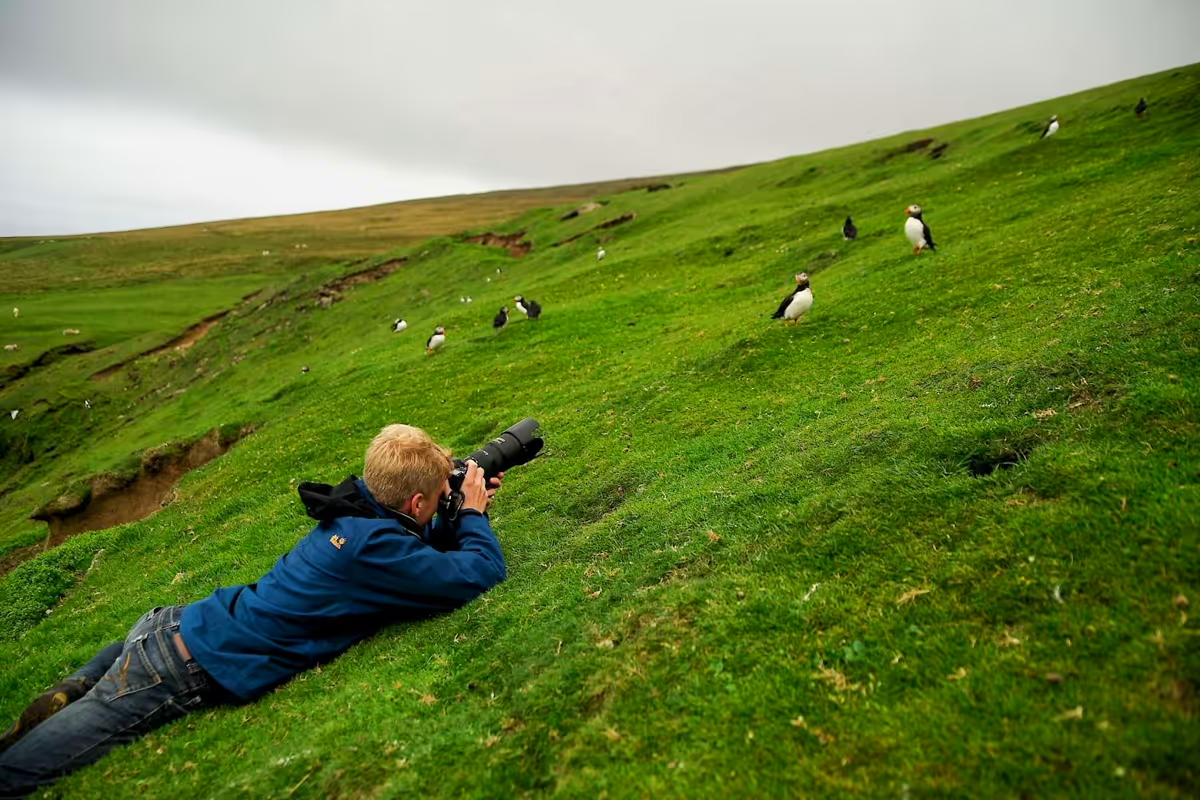
- Bring the Right Gear: A good pair of binoculars and a birding field guide for East Africa are must-haves. Consider a lightweight camera with a zoom lens if you’re into bird photography.
- Stay Patient: Birding requires time and attention, so slow down, listen, and enjoy the process.
- Combine Destinations: To maximize your birding experience, visit a mix of habitats like wetlands, forests, and savannahs.
Why Tanzania
A Birding Destination of the First Rank
- 1,100+
- Recorded speciesOne of the highest national totals in Africa, in a country you can bird year-round.
- 34
- Endemics & near-endemicsSpecies found only in Tanzania or barely across its borders.
- 800+
- Species in a good monthWhat a well-planned three-week itinerary can realistically record.
- Nov – Apr
- Migrant seasonPalearctic and intra-African migrants swell the resident count enormously.
Where to bird
The Best Birding Sites in Tanzania
Tanzania's birding strength is its range of habitats. These sites cover soda lake, acacia savannah, montane forest, wetland and coast, and most of them sit on the standard safari circuit.
Lake Manyara
Groundwater forest, floodplain and a soda lake in one small park. Thousands of greater and lesser flamingo, pelicans, storks and herons on the lake, silvery-cheeked hornbill and crowned eagle in the forest. The single most productive day of birding on the northern circuit.
Read moreTarangire National Park
Classic dry-country birding among the baobabs: yellow-collared lovebird and ashy starling, both near-endemics, plus kori bustard, bateleur and an outstanding variety of hornbills, rollers and shrikes along the river.
Read moreNgorongoro Conservation Area
The crater floor holds flamingo, crowned crane and huge raptor numbers, while the forested rim and highlands add montane species including Schalow's turaco and the strikingly local Hildebrandt's francolin.
Read moreSerengeti National Park
Open plains birding at its best — secretary bird, ostrich, kori bustard, and six vulture species at a single carcass. The kopjes hold rock-loving specialists and the woodlands are excellent for raptors.
Read moreArusha National Park
The Momella Lakes are alkaline and hold flamingo within an hour of town, while the montane forest on Meru's slopes adds turacos, trogons and a genuinely different species list. The best half day of birding near Arusha.
Read moreLake Natron and the Eastern Arc
Natron is the only regular breeding site in East Africa for lesser flamingo. The Usambara and Uluguru mountains of the Eastern Arc hold the country's serious endemics, and are the reason specialist birders extend their trips.
Timing
When to Come Birding
-
November – December
Migrants arrive
The short rains bring Palearctic migrants in enormous numbers and trigger widespread breeding. Resident birds are in full plumage and singing. Arguably the best birding weeks of the year.
-
January – February
Peak diversity
Migrants are settled and resident breeding continues. Warm, mostly dry, and comfortable in the field. Excellent for combining birding with general game viewing on the southern Serengeti plains.
-
March – May
The long rains
Wettest and greenest, with breeding at its peak and waterbirds concentrated on flooded pans. Roads are harder and some camps close, but prices are at their lowest and the birding is superb.
-
June – October
Dry season
Fewer species as the migrants leave, but easier viewing in thin vegetation and reliable weather. Best combined with a general safari where birds are a strong secondary interest.
For the field
What Serious Birders Should Bring
- Binoculars of 8x42 or 10x42 — the single most important item you will carry
- A field guide to the birds of East Africa, in print or on your phone
- A telephoto lens of 400mm or longer if you intend to photograph rather than list
- A notebook or a checklist app for keeping the trip list as you go
- Neutral clothing, and a hat that does not flap in the wind
- A request to us in advance for a specialist bird guide rather than a general safari guide
- Patience for early starts: the first two hours after dawn produce most of the day's species
- Realistic expectations about forest birding, which is slower and harder than open country
How we run it
A Birding Day on Safari
A birding day starts earlier than a game-viewing day and covers much less ground. You are out before first light, because the hour after dawn produces more species than the rest of the day combined, and you stop constantly — at a puddle, at a fruiting fig, at a call from inside a thicket that means nothing to anyone but the guide. Lunch is late. The afternoon session runs until the light goes.
The practical consequence is that a birding itinerary needs an extra night in each park compared with a standard safari. Trying to run a birding trip on a normal safari schedule is the most common source of disappointment we see, because the driving eats the hours when the birds are active. Tell us at the enquiry stage that birds are the priority and we will build the days around them rather than around the mammals.
Birding questions
Tanzania Birdwatching FAQs
Do I need a specialist bird guide?
If birds are the main purpose of your trip, yes, and it makes an enormous difference. General safari guides know the common and conspicuous species well but a dedicated bird guide knows calls, which is how most forest species are found at all. Specialist guides book up quickly in the migrant season, so request one at the enquiry stage rather than on arrival. If birds are a secondary interest alongside mammals, a good general guide is perfectly sufficient.
Which parks should a first-time birder choose?
Lake Manyara and Tarangire, without hesitation. Manyara packs forest, floodplain and soda lake into a single small park, which means an extraordinary species count for the driving involved, and Tarangire adds the dry-country specials including two near-endemics. Add Ngorongoro for highland and crater species, and you have a superb four or five-day birding trip with very little time lost to transfers. The Serengeti is excellent but the distances are large.
Do I need a scope, or are binoculars enough?
Binoculars are essential; a telescope is optional and, for most people, more trouble than it is worth on a vehicle-based safari. A scope earns its place on the soda lakes, where flamingo and wader flocks sit far out on the water, and at Lake Natron. If you are travelling with a specialist bird guide, they will normally carry one, so ask before packing your own. A window mount or a beanbag is far more useful than a tripod inside a Land Cruiser.
Can I combine birding with a normal safari?
Easily, and most of our birding guests do exactly that. The northern circuit parks are excellent for both, so a standard Tarangire, Serengeti and Ngorongoro itinerary can be run at a birder's pace with more stops, earlier starts and longer waits at water. The main adjustment is time: a birding day covers less ground than a game-viewing day, so allow an extra night in each park.
How many species can I expect to see?
On a week-long northern-circuit trip run with birds in mind, 250 to 350 species is a realistic total, and over 400 is achievable in the migrant season with an early start every day. A three-week itinerary adding the Eastern Arc mountains, the coast and the southern parks can push past 600. Casual birders on a normal safari usually record 150 to 200 without especially trying.
What are Tanzania's endemic birds?
The best known are the grey-breasted spurfowl of the Serengeti, the rufous-tailed weaver, the ashy starling and the yellow-collared lovebird, all of which are findable on the standard northern circuit. The serious endemics — Udzungwa forest partridge, Uluguru bushshrike, Usambara eagle-owl and others — live in the Eastern Arc mountains and require a dedicated extension away from the safari parks.
Is birding good during the rainy season?
It is the best time of the year. The long rains from March to May bring peak breeding, birds in full plumage, and resident species singing constantly. Migrants are present from November. The trade-offs are real — muddy roads, some closed camps, heavy afternoon downpours — but for birds specifically the wet months beat the dry ones comfortably, and they are the cheapest time to travel.
Ready to compare itineraries? Browse all our Tanzania safari packages.
Ready to plan?
Tell us what is on your list
Send us the species or the families you are after and how long you have. We will route the trip through the habitats that hold them.