
Gorilla Trekking in Rwanda
Rwanda · Volcanoes National Park
Mountain Gorillas on the Slopes of the Virunga Volcanoes
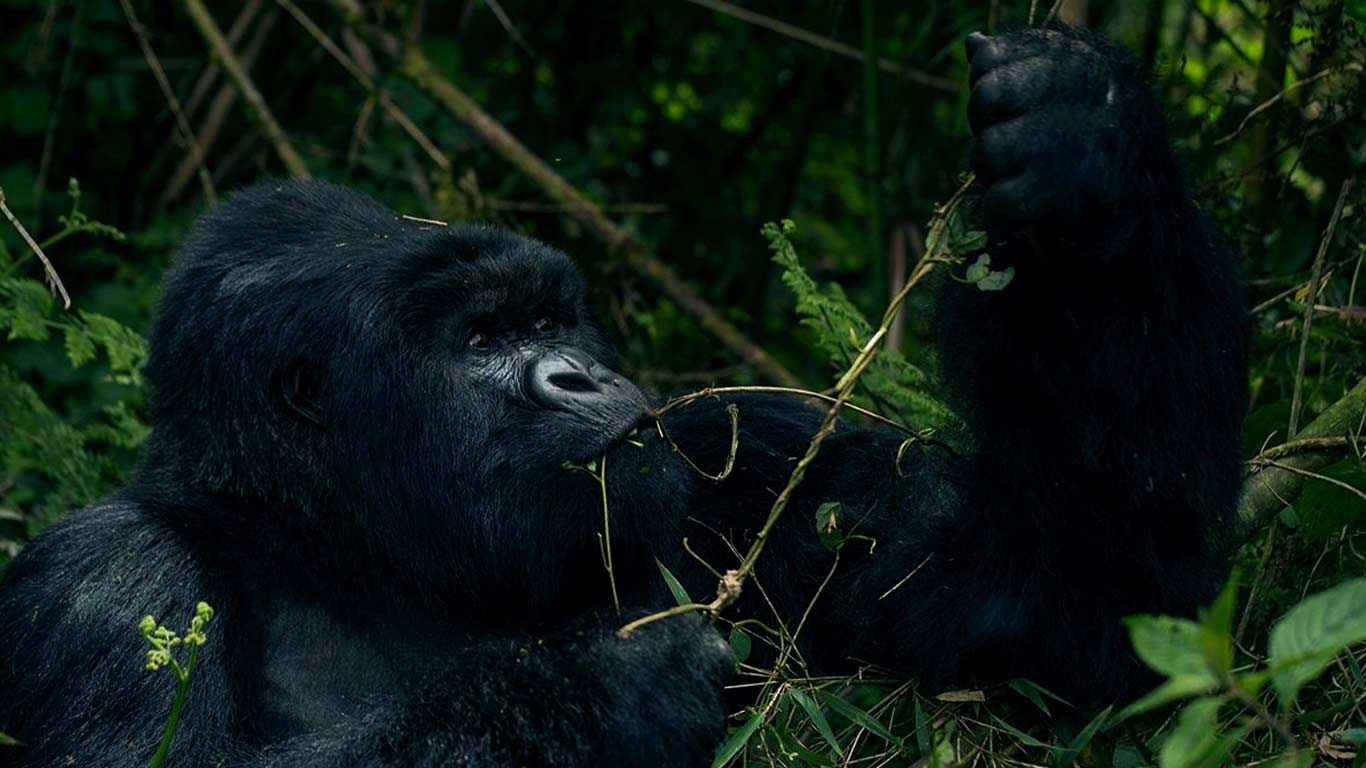
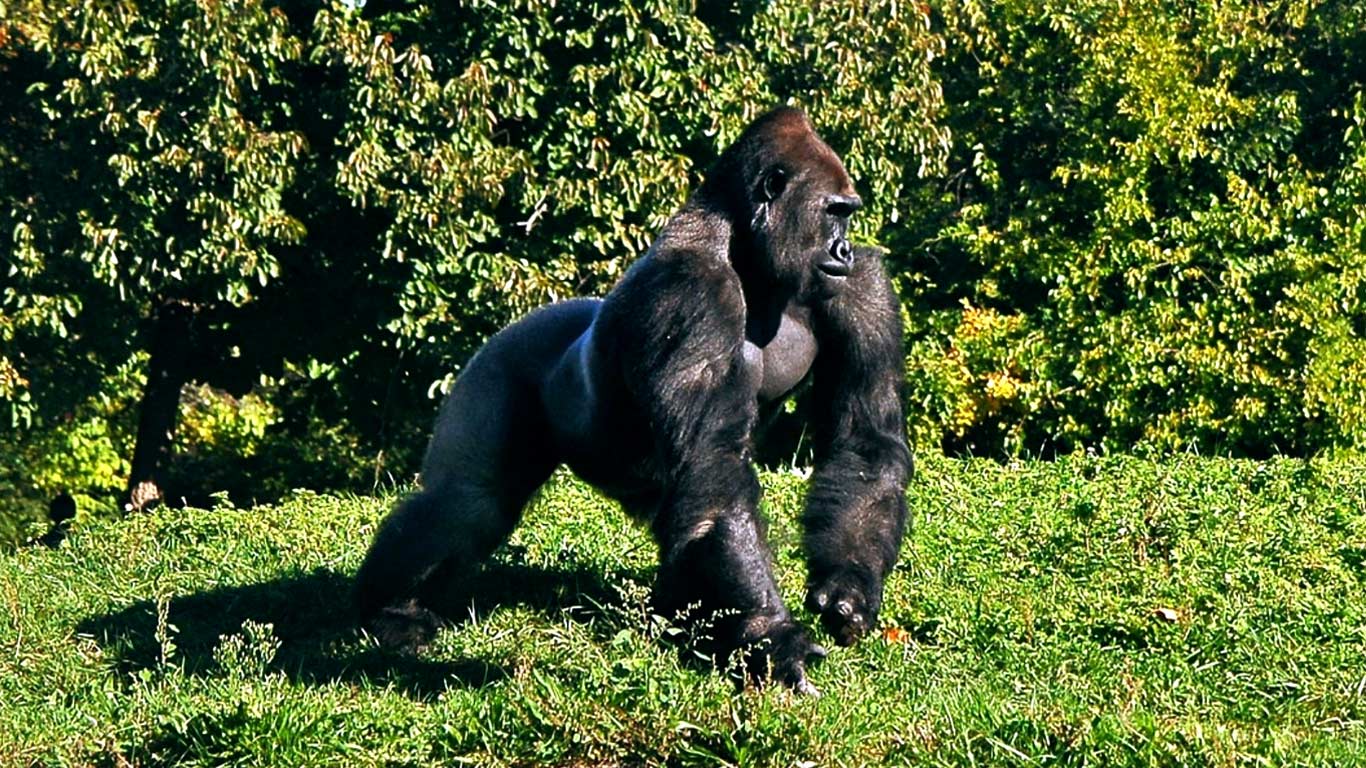
Climb the misty bamboo slopes of the Virungas — the land of a thousand hills — for one unforgettable hour with a mountain gorilla family.
- Best: Jun–Sep & Dec–Feb
- Only 2–3 hours from Kigali
- Permits arranged by us
Why go
Why Rwanda?
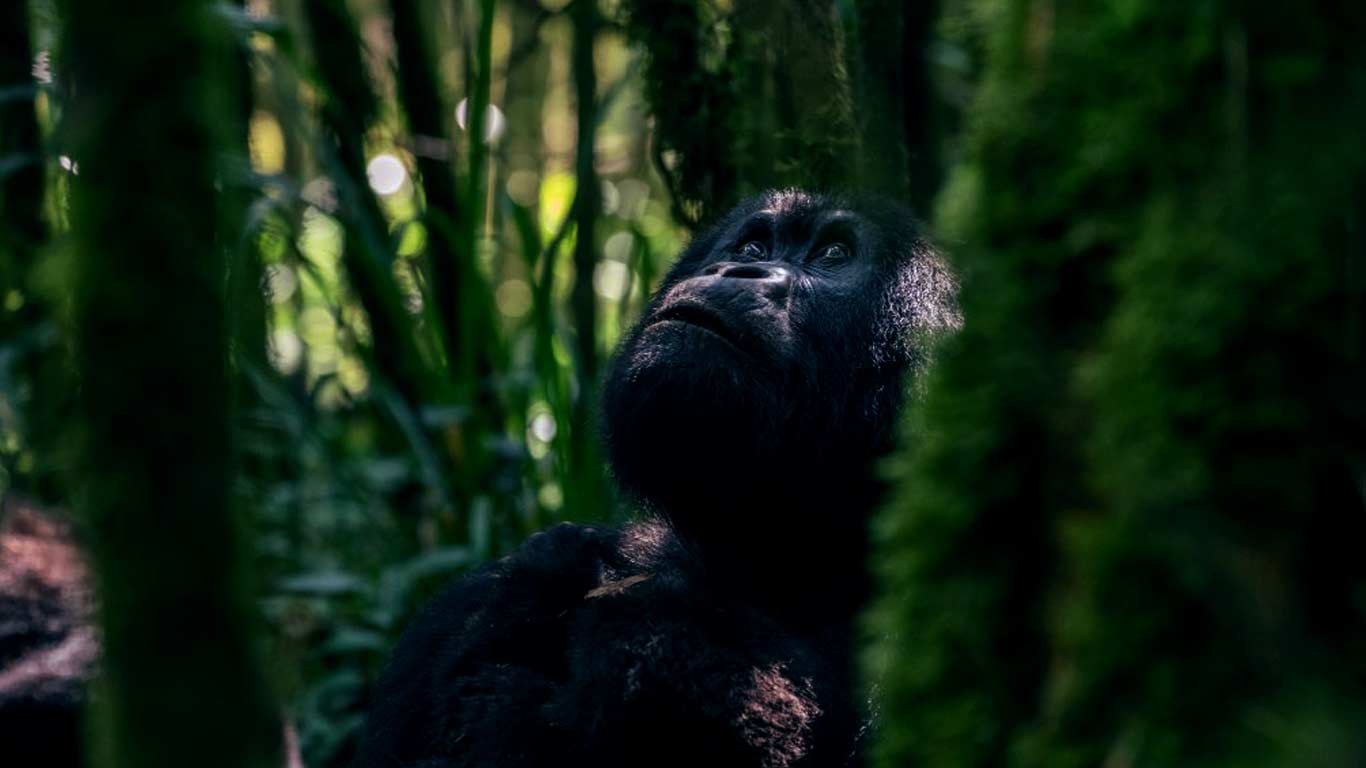
- Volcanoes National Park. Home to the Virunga massif's gorilla families — the forests where Dian Fossey lived and worked.
- The shortest journey. Kigali to the trailhead is a scenic 2–3 hour drive — the most accessible gorilla trekking in Africa.
- Beyond the gorillas. Track playful golden monkeys, hike to Dian Fossey's research station, or spend a day in Kigali's moving museums.
- Permits, sorted. Rwanda's permits are premium and strictly limited — we secure them as part of your itinerary.
Rwanda Gorilla Packages
All safari packages“This was my first time travelling in Africa. Together with my Mum and two aunties we travelled as a family group of four. Generally it was an educative, cheering and lifetime memorable journey. All of us loved the safari. A genuine big thank to Lappet Faced Safari and our guide Frank.”
Plan your Rwanda gorilla trek
Share your travel window and we'll secure permits, plan the Virunga trek and — if you like — add the Serengeti before you fly home.
Where to go in Rwanda
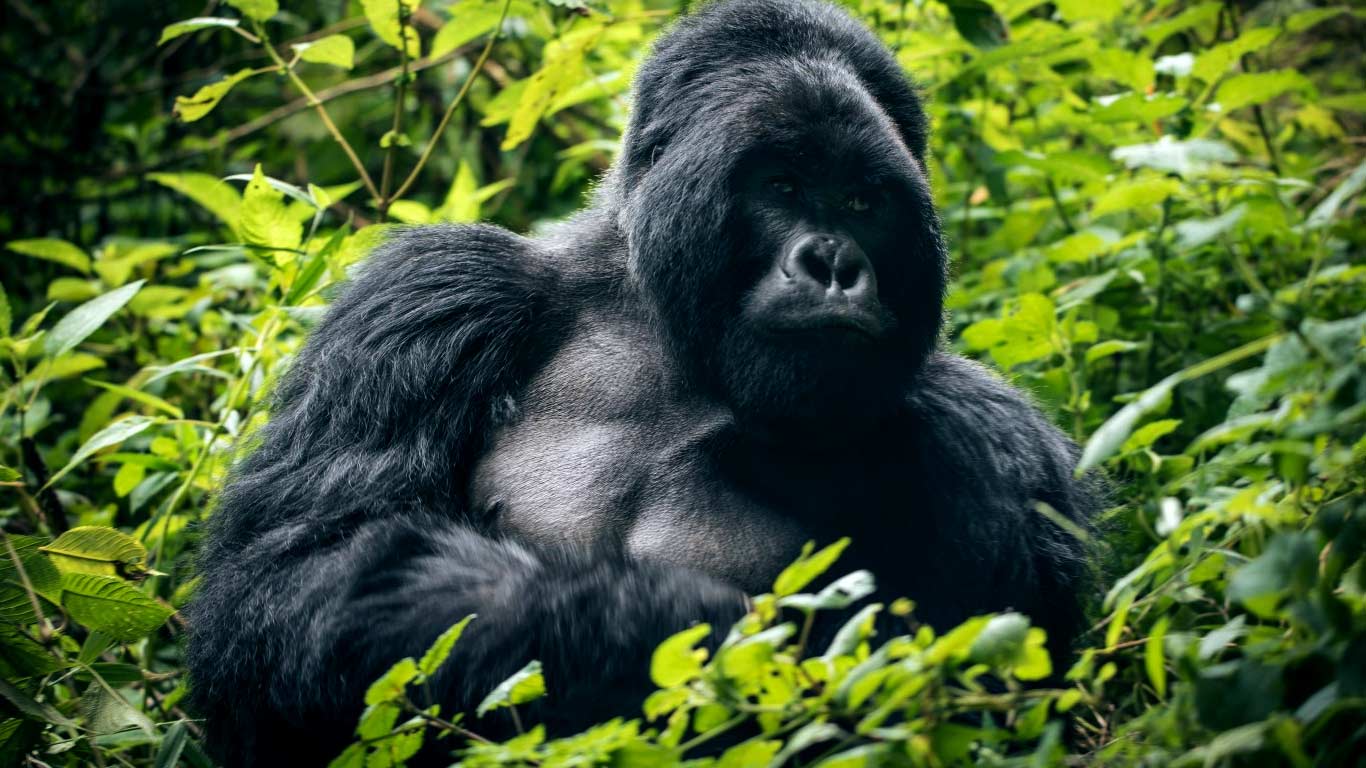
Volcanoes National Park
Dian Fossey's misty Virunga slopes
- Famous for
- Mountain gorillas, golden monkeys, Dian Fossey's legacy
- Best time
- Jun – Sep & Dec – Feb
Nyungwe Forest National Park
One of Africa's oldest rainforests, seen from the canopy
- Famous for
- Ancient rainforest, canopy walkway, chimpanzees
- Best time
- Jun – Sep (drier trails)
Akagera National Park
Rwanda's Big Five comeback story
- Famous for
- Rwanda's Big Five comeback, Lake Ihema boat safaris
- Best time
- Jun – Sep (dry season)
Know before you go
Planning Your Trek
We handle permits, transfers and lodges — Rwanda pairs beautifully with a Tanzania safari before or after.
| Detail | What to know | Notes |
|---|---|---|
| Permit | Premium and strictly limited | Included and arranged by us |
| Getting there | 2–3 hours by road from Kigali | The most accessible trek in Africa |
| Fitness | Moderate — treks run 1–5 hours | Porters available to help |
| Best time | Jun – Sep & Dec – Feb | Drier trails on the volcano slopes |
| Time with gorillas | One strictly protected hour | Small groups, unforgettable |
The encounter
Gorilla Trekking in Rwanda: One Hour That Changes People
Rwanda offers the most accessible mountain gorilla trekking in the world. You land at Kigali International Airport, drive two and a half hours on genuinely good tarmac through terraced hillsides, and trek the following morning. There are no internal flights, no rough transfers and no wasted days — which is why Rwanda is the obvious choice for anyone with limited time.
Volcanoes National Park protects the Rwandan slice of the Virunga massif, a chain of eight volcanoes shared with Uganda and the Democratic Republic of Congo. This is where Dian Fossey worked for eighteen years, where she is buried, and where the research that saved the mountain gorilla from extinction was carried out. Ten habituated families live on these slopes, each visited by a maximum of eight people per day.
The experience itself is the same anywhere in the Virungas: a briefing at dawn, a climb through farmland and then bamboo forest, and finally an hour among a family group who look back at you with unnerving recognition. What differs in Rwanda is everything around it — the shortness of the drive, the quality of the lodges, and the fact that you can be back in Kigali for dinner the same evening.
The essentials
Rwanda Gorilla Trekking in Numbers
- 10
- Habituated familiesIn Volcanoes National Park, each visited by a maximum of eight people daily.
- 2.5 hrs
- Kigali to the parkOn sealed road. The shortest airport-to-gorillas journey anywhere.
- 1 hour
- With the familyStrictly timed from first visual contact, exactly as in Uganda.
- 2,500 m+
- Trekking altitudeThe thin air is felt on the steeper sections. Go slowly.
The day
How a Rwandan Trekking Day Works
-
1
07:00 — Kinigi headquarters
Coffee, traditional dancing and a briefing while rangers allocate the groups. Tell them honestly about your fitness — the families range from an easy hour to a hard five.
-
2
07:45 — Drive to the trailhead
A short transfer to the edge of the park, usually along rough farm tracks. Porters are hired here for a few dollars and are well worth it.
-
3
08:15 — Through the farmland and up
You cross potato and pyrethrum fields before crossing the stone wall that marks the park boundary, then climb into bamboo and Hagenia forest.
-
4
Late morning — The hour
Trackers hand over, you leave your bags, and you spend sixty timed minutes with the family. Silverbacks, mothers with infants, juveniles crashing through the vegetation a few metres away.
-
5
Afternoon — Certificates and Kigali
Back down, a signed certificate at headquarters, and an easy afternoon. Many guests are back in Kigali for dinner or moving on to Lake Kivu.
Rwanda or Uganda
Comparing the Two Gorilla Destinations
| Rwanda | Uganda | |
|---|---|---|
| Permit cost | The highest in the world | Roughly a third of Rwanda's price |
| Airport to gorillas | 2.5 hours on tarmac | 8–10 hours by road, or fly to Kigali and cross |
| Terrain | Steep volcanic slopes, more open, bamboo forest | Dense rainforest, muddier, often harder going |
| Lodges | Among the finest in Africa | Good range, more mid-range and budget choice |
| Best for | Short trips, comfort, easy logistics | Value, and combining gorillas with chimps and savannah |
Both countries protect the same species in the same mountain chain. The gorillas do not know where the border is — the difference is entirely in cost, comfort and how you get there.
The place itself
Volcanoes National Park and the Virunga Massif
The park is a strip of forest running up the Rwandan flank of a chain of eight volcanoes shared between three countries. Understanding what is up there makes the trek considerably more interesting.
Five volcanoes on the Rwandan side
Karisimbi, Bisoke, Muhabura, Gahinga and Sabyinyo. Bisoke and Muhabura can both be climbed as day hikes, and Bisoke has a crater lake at the summit — a hard but rewarding alternative activity if you have a spare day.
Bamboo, Hagenia and afro-alpine zones
You walk through farmland, cross the stone boundary wall, then climb into bamboo before reaching the Hagenia forest where most gorilla families feed. Higher still, the vegetation turns to giant lobelia and groundsel — a genuinely strange landscape.
The legacy of Karisoke
Dian Fossey established her research camp between Karisimbi and Bisoke in 1967 and worked there for eighteen years. The research that came out of it changed how the world understood gorillas, and the anti-poaching model it created is why the species survives.
Golden monkeys in the bamboo
An endemic subspecies found only in the Virungas and Nyungwe, tracked in the lower bamboo zone. Permits cost a small fraction of a gorilla permit, the trek is easy, and the monkeys are fast, noisy and entertaining.
A conservation success story
Mountain gorilla numbers have risen from around 250 in the early 1980s to over a thousand today, and they are the only great ape whose population is increasing. Permit revenue, community revenue-sharing and relentless ranger patrols are the reason.
Rwanda trekking questions
Rwanda Gorilla Trekking FAQs
Where will I stay near Volcanoes National Park?
Most lodges cluster around Musanze and Kinigi, within thirty minutes of the park headquarters where trekking begins. The range runs from simple, well-run guesthouses through excellent mid-range lodges to a small number of world-class properties that are among the finest in Africa. Nights are cold at this altitude, so fireplaces and hot water bottles are the norm. Because briefing is at seven in the morning, staying close to Kinigi genuinely matters.
What should I tip on a Rwandan trek?
Porters are typically tipped around $10 to $15 each on top of their hire fee, and the ranger and tracker team is usually thanked with a group contribution of $20 to $30 per trekker, collected and handed over at the end. Lodge staff tips follow the usual pattern of a communal box. Bring US dollars in clean post-2009 notes, or Rwandan francs — cards are not usable at the trailhead.
How many permits are available each day?
Eighty in total: ten habituated families, eight visitors each, every day of the year. That hard cap is the whole conservation model — it limits stress on the gorillas and disease exposure while sustaining the revenue that funds the park. In practice it means that for June to September and the Christmas period you should be booking many months ahead, and that the permit date determines the shape of your entire itinerary.
What camera equipment should I bring?
The forest is dark and flash photography is strictly forbidden, so a lens that performs at wide apertures matters far more than reach. A fast mid-range zoom in the 24-70mm or 24-105mm range suits most of the encounter, because the gorillas are frequently much closer than the seven-metre rule suggests and a long telephoto becomes unusable. Bring a camera body that handles high ISO cleanly, set a fast shutter speed for moving juveniles, and carry a dry bag — it rains without warning. Phone cameras do better than people expect. A spare battery is essential; cold and continuous shooting drain them quickly.
What happens if I get sick before the trek?
You must not go, and rangers will refuse you at the briefing if you have obvious flu or cold symptoms. Mountain gorillas share the overwhelming majority of our DNA and have no immunity to human respiratory viruses — a common cold can kill an infant gorilla. It is a genuinely hard rule and it is enforced. Some operators and the park authority will consider a partial refund or a date change in documented medical cases, but there is no guarantee, so travel insurance matters here more than usual.
Why is the Rwanda permit so expensive?
It is a deliberate policy: high price, strictly limited numbers, rather than mass tourism. The revenue funds park protection and a defined share flows directly to the communities living around the park, which is what turned local people into the gorillas' strongest defenders. The mountain gorilla is the only great ape whose population is rising, and this funding model is a substantial part of the reason. If the price is prohibitive, Uganda offers the same species for considerably less.
How difficult is the trek?
Moderate to hard, depending on which family you are given. Treks run from one to six hours each way on steep volcanic slopes between 2,500 and 3,000 metres, where the altitude is noticeable. The ground is often muddy and there are nettles. Rangers match groups to fitness at the morning briefing, so speak up. Hiring a porter costs very little, supports former poachers now working with the park, and makes a real difference on the climb.
What is the minimum age?
Fifteen, and it is enforced strictly at the briefing with passport checks. The rule exists to protect the gorillas from human disease and because of the physical demands. Younger children can still visit Rwanda — golden monkey tracking, the Dian Fossey hike and Akagera National Park are all open to families.
When is the best time to trek?
June to September and December to February are the dry seasons and the easiest going, with firmer trails and clearer views of the volcanoes. March to May brings heavy rain and deep mud, but the forest is spectacular, permits are far easier to obtain and prices drop. The gorillas are there every day of the year — the season affects how hard the walk is, not whether you will find them.
What else should I do in Rwanda?
Golden monkey tracking in the same park costs a fraction of a gorilla permit and is enormously entertaining. The Dian Fossey memorial hike climbs to her old research camp and grave at Karisoke. Further afield, Nyungwe Forest has chimpanzees and a canopy walkway suspended sixty metres above the forest floor, Akagera has been restored to a full Big Five park, and Lake Kivu is one of very few African lakes you can safely swim in.
Can I combine Rwanda with a Tanzania safari?
Yes, and it makes a superb two-week trip. Direct flights link Kigali with Kilimanjaro and Nairobi, so a typical itinerary runs the Tanzanian northern circuit first, then flies to Kigali for two or three nights and the gorilla trek. Twelve to fourteen days covers both comfortably. We arrange permits, flights and both visas as a single booking.
Speak to Our Team
We are based in Arusha and plan every trip ourselves. Tell us what you have in mind.


xiang / Jul 2026
A very reliable travel agency
Driving an off-road vehicle bumpily on the vast grassland, the dust raised seems to be a filter of time, instantly pulling people back to the…
philo04
Wonderful Safari experience with Myk as our guide
We did a custom made safari tour for seven nights in Tanzania using the guide Myk Walcott from this company. It was an amazing experience. Myk is a fantastic guide, he is calm, supportive, knowledgeable, is a very safe driver, and is an excellent game driver, he tended to our every need. We stayed in four different hotels and all were excellent, the good was excellent, every detail was well organized. We had fantastic packed lunches on the go, we always had cold bottled water at our disposal. We felt very safe and like we were in good hands. We highly recommend this safari company and especially Myk as your guide. He went above and beyond for us, taking us to a local market in Arusha per our request and we even stopped at a local orphange to drop off supplies near the Tarangire National Park which was a wonderful experience. We only wish we could have stayed for longer and we hope to return in the future. Highly recommended
Robin / Jun 2026
A breathtaking, memorable voyage of dreams
This long-awaited trip required last-minute schedule changes mid-way due to illness and unavoidable flight disruptions, yet the Lappet Faced…
Amanda A
7 day awesome safari
We had the best time ever on the 7 day safari (Tarangire, Serengeti and Ngorongoro). Eric organized everything perfectly and was always available when needed. You can trust him on organizing your safari with your eyes closed!Our guide Noeli was amazing, he has a lot of experience as a safari guide and has vast knowledge on animals, plants, ecosystems, the culture.. He was able to answer our questions. He spotted so many animals and birds for us, and was very patient while we photographed everything. We even got to see the honey badger!! We really recommend going with Noeli, thanks a lot again for taking us to those beautiful places.I really recommend this tour company and would definitely do it again!
Celene / Jun 2026
Professional in planning a safari tour, perfect guide, excellent service
They will provide clear breakdown for you to know all the costs. Smooth communication with Ding and Francisco, and they respond so quickly! Our…
Nonlone
Very Wonderful Safari Trip
Lappet Faced Safari left a very good impression on me about Safari. When discussing the itinerary, Francisco responded very promptly and provided a lot of useful suggestions; during the entire trip, there were no extra costs or extra services. During this trip, we are very grateful to our guide Mike, who worked tirelessly to help us find animals and introduced various animal knowledge, making us have a very enjoyable trip; we also booked a ride from Arusha to Kilimanjaro For the airport shuttle bus, thank you to Noel for his superb driving skills; and thank you to Francisco for helping us book a fruit lunchbox in advance so that we did not go hungry. We were very satisfied with this trip.