
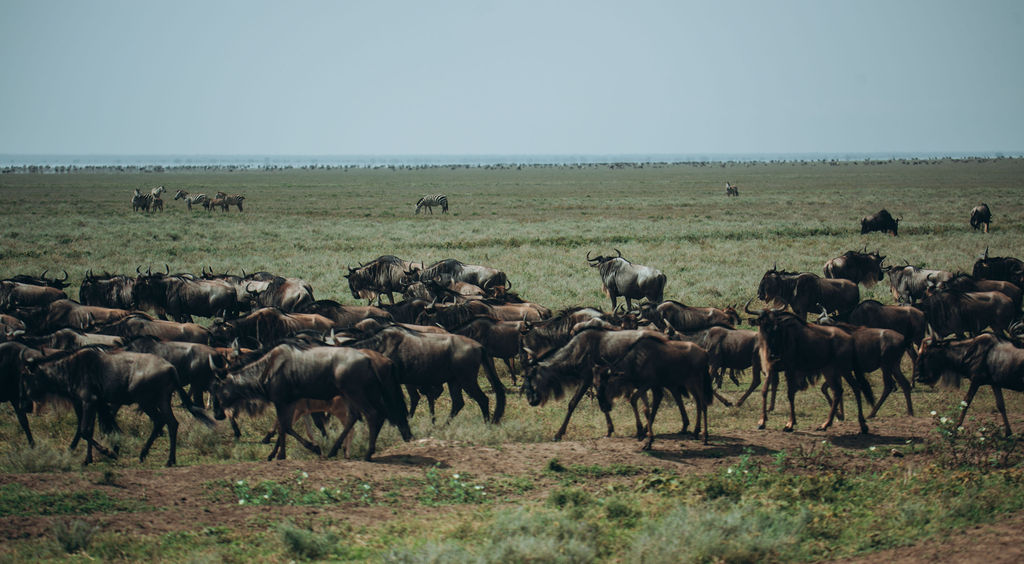
The Great Wildebeest Migration
Serengeti · Year-round
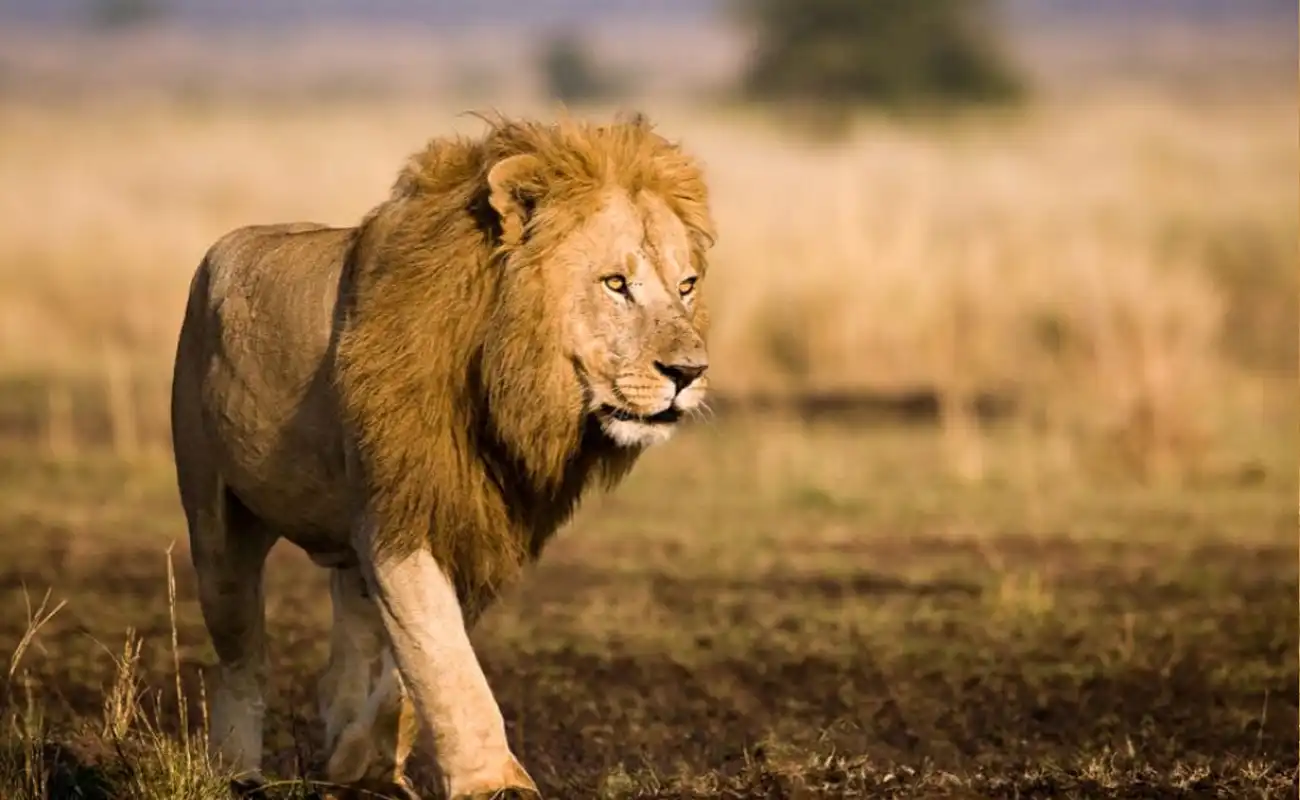
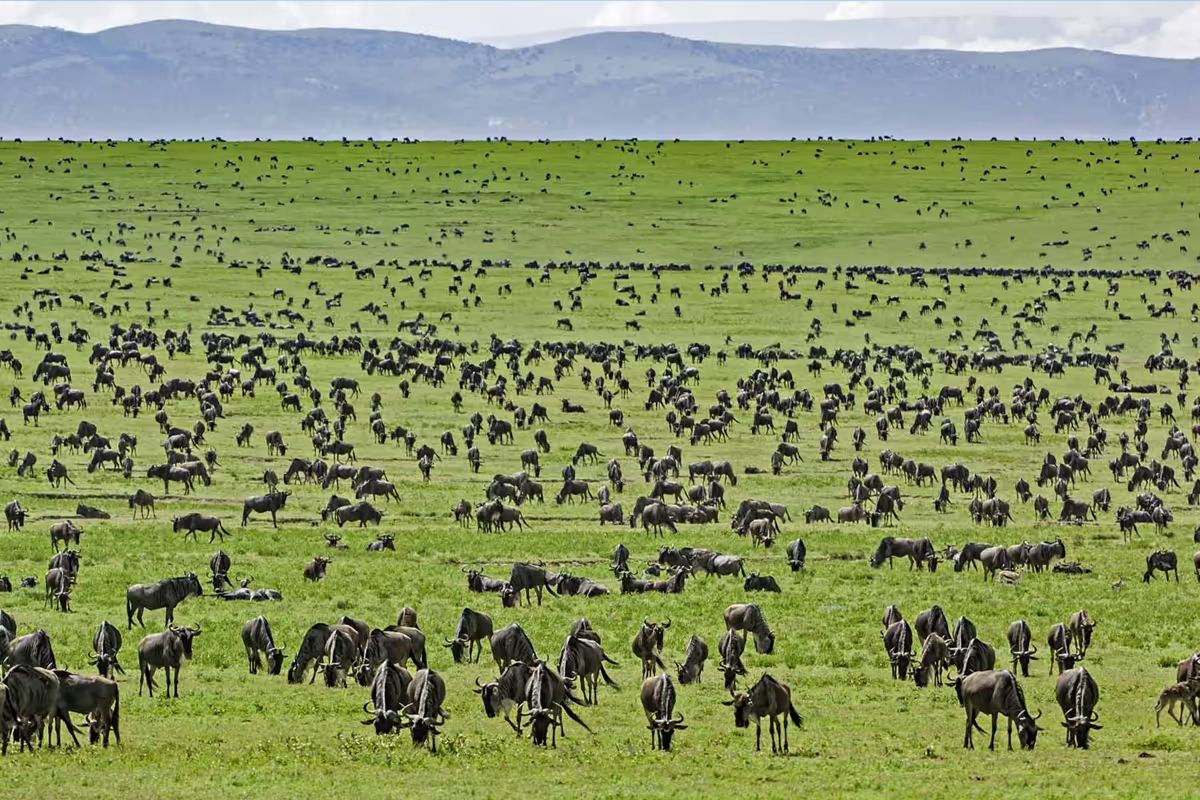
Earth's greatest overland wildlife spectacle — millions of wildebeest, zebra and gazelle on an endless loop across the Serengeti, shadowed by lion, cheetah and crocodile.
- Best: Jan–Mar (calving) & Jul–Oct (crossings)
- Departures daily from Arusha / JRO
- We track the herds weekly
Overview
Why a Migration Safari?
Follow the Great Migration through the Serengeti — calving, river crossings and where the herds are month by month, with camps that move with them.
Follow the herds
Millions of wildebeest and hundreds of thousands of zebra on the move — we position you where the action is, month by month.
River crossings
July–October drama at the Grumeti and Mara rivers — heart-stopping crossings with crocodiles waiting below.
Calving season
January–March on the Ndutu short-grass plains — thousands of calves born each day, and predators at every turn.
Guides who track daily
Our senior guides follow herd movements every day and adjust your route so you stay ahead of the action.
9 itineraries
Safaris Built Around the Migration
Start with one of these, or tell us what you have in mind and we will build the route from scratch.
Show all trips
Serengeti · Tarangire · Ngorongoro
10 Days Serengeti Wildebeest Migration Safari
10 days from $3,440 per person
Explore
Zanzibar · Tarangire · Serengeti · Ngorongoro
13-Day Bush to Beach Adventure in Tanzania: Northern Safari & Zanzibar Escape
13 days from $6,450 per person
Explore
 Tarangire · Lake Manyara · Serengeti · Ndutu
4 Days Adventure Safari
4 days from $1,290 per person
Explore
Tarangire · Lake Manyara · Serengeti · Ndutu
4 Days Adventure Safari
4 days from $1,290 per person
Explore
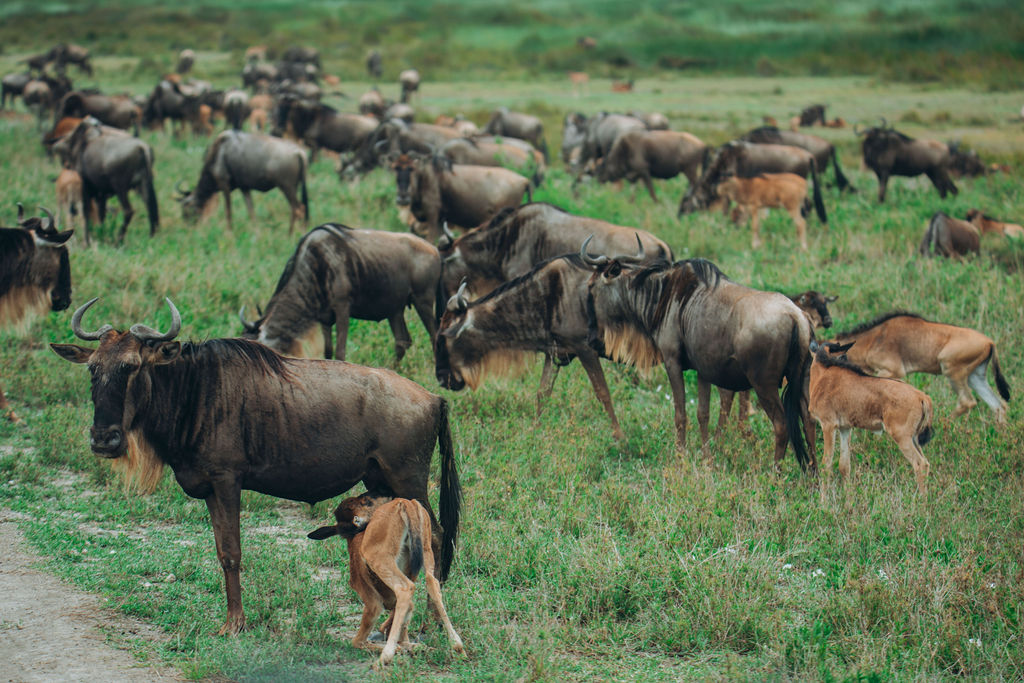 Ndutu · Serengeti · Ngorongoro
5 Days Ndutu Safari Calving Season
5 days from $1,690 per person
Explore
Ndutu · Serengeti · Ngorongoro
5 Days Ndutu Safari Calving Season
5 days from $1,690 per person
Explore
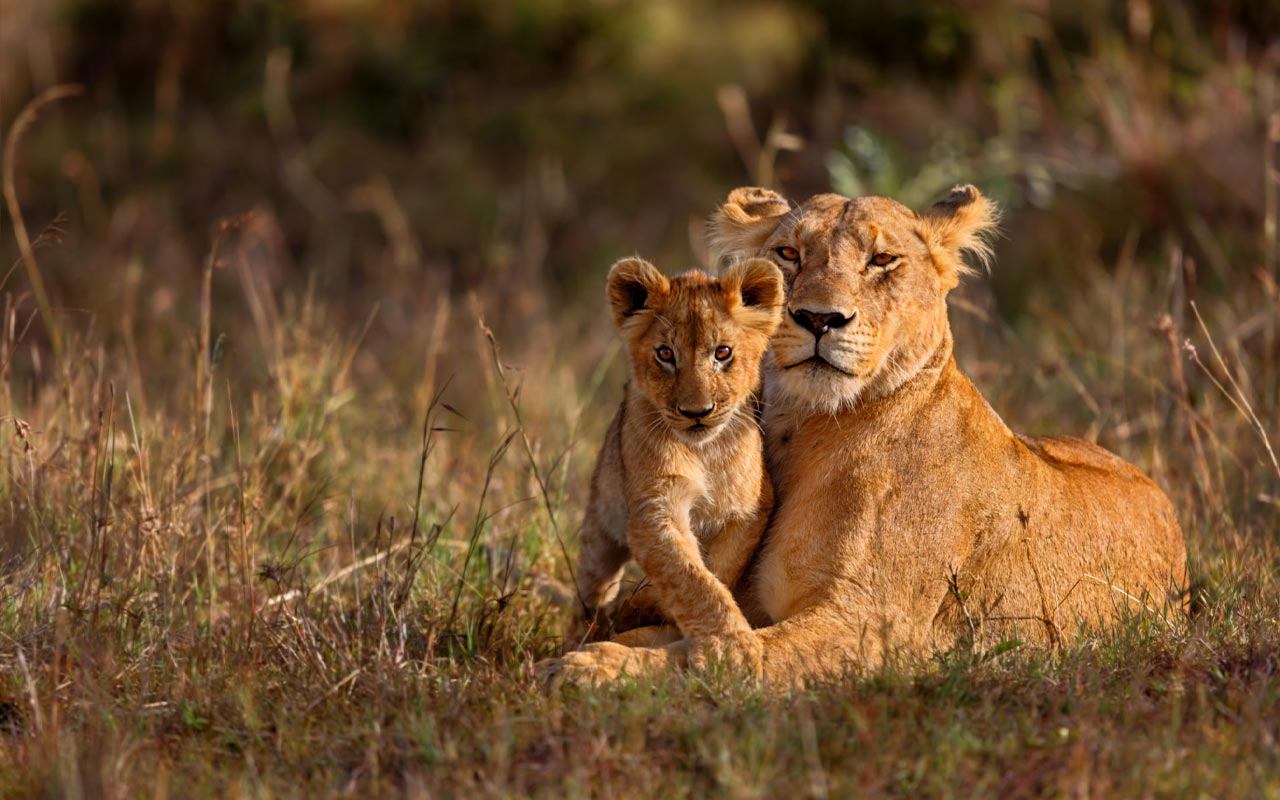 Lake Manyara · Serengeti · Ngorongoro
6 Days Treasure of Tanzania Safari
6 days from $1,940 per person
Explore
Lake Manyara · Serengeti · Ngorongoro
6 Days Treasure of Tanzania Safari
6 days from $1,940 per person
Explore
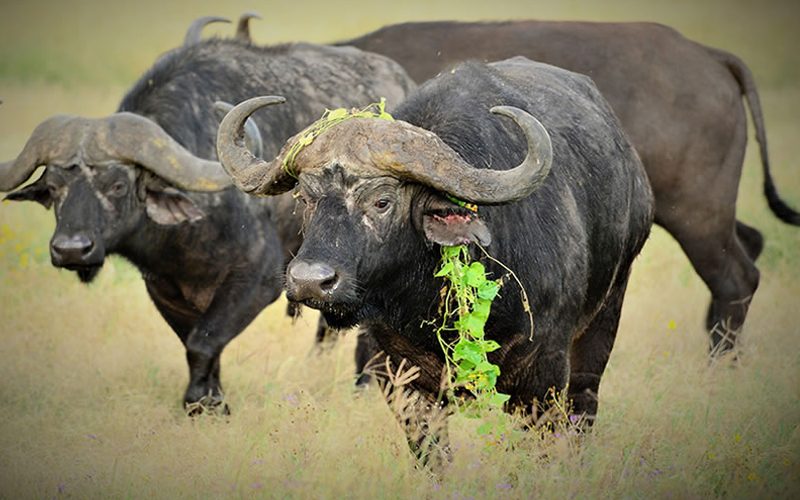 Tarangire · Lake Manyara · Serengeti · Ndutu
7 Days Horlick Tour In Tanzania
7 days from $2,210 per person
Explore
Tarangire · Lake Manyara · Serengeti · Ndutu
7 Days Horlick Tour In Tanzania
7 days from $2,210 per person
Explore
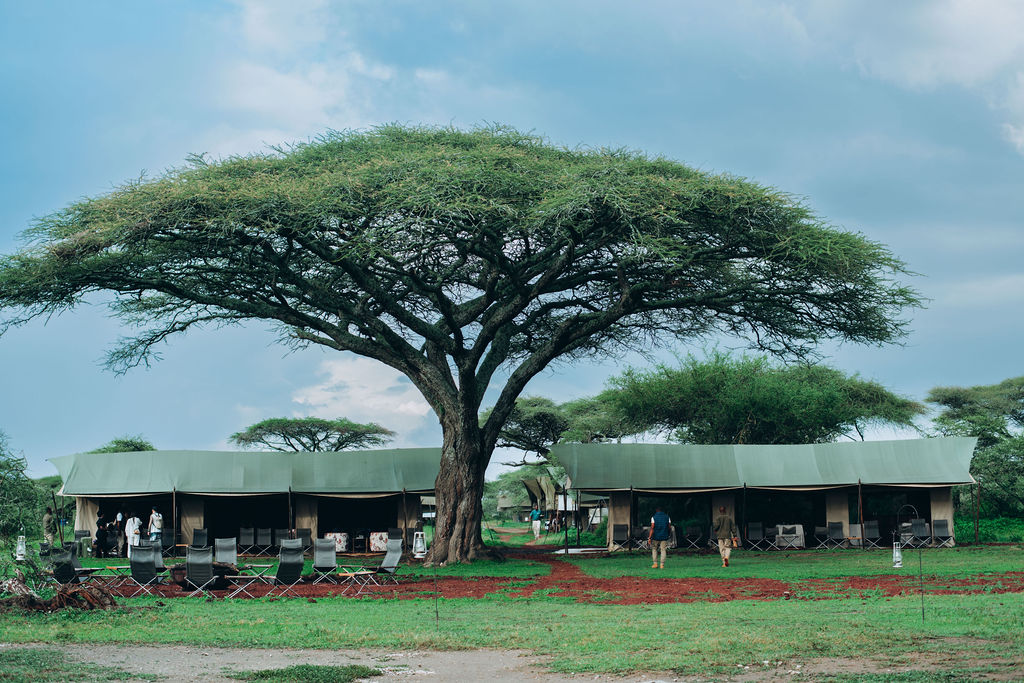 Lake Manyara · Serengeti · Ngorongoro · Tarangire
7 Days Tanzania Wilderness Safari
7 days from $2,200 per person
Explore
Lake Manyara · Serengeti · Ngorongoro · Tarangire
7 Days Tanzania Wilderness Safari
7 days from $2,200 per person
Explore
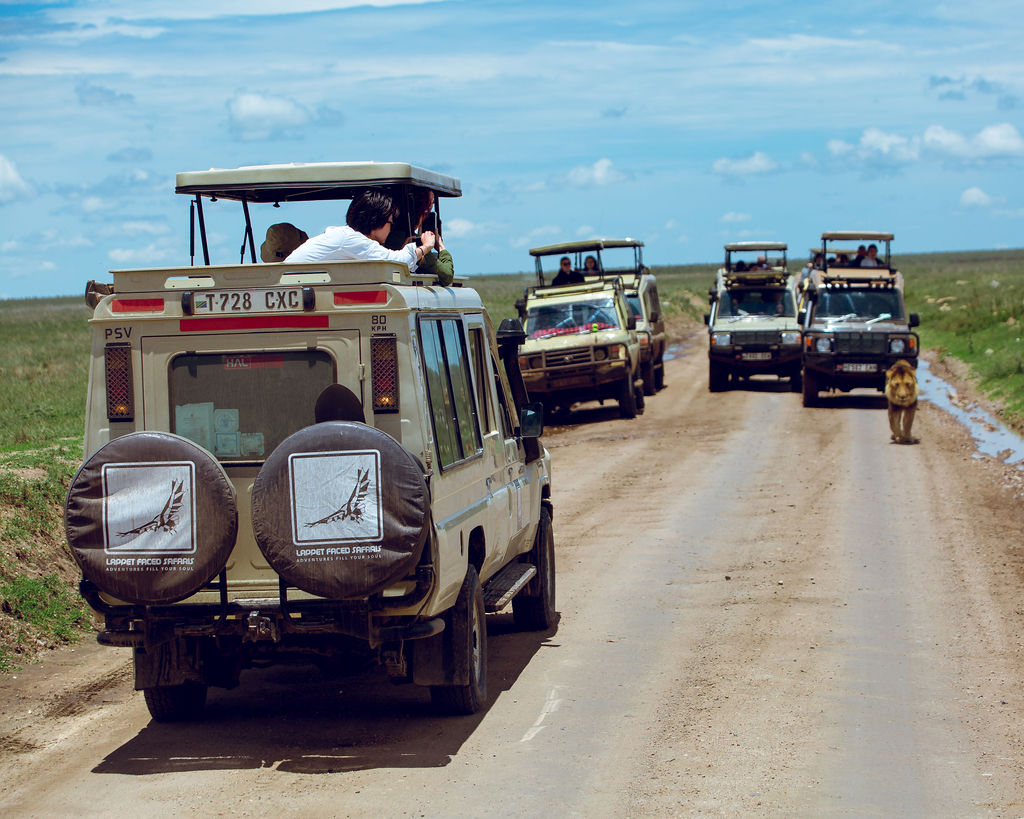 Tarangire · Serengeti · Ngorongoro
8-Day Great Wildebeest Migration Safari
8 days from $2,510 per person
Explore
Tarangire · Serengeti · Ngorongoro
8-Day Great Wildebeest Migration Safari
8 days from $2,510 per person
Explore
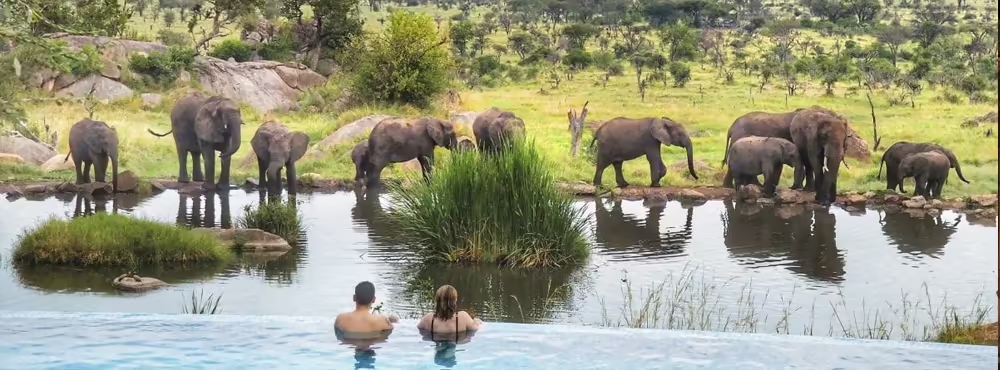 Serengeti · Kilimanjaro · Lake Manyara · Ngorongoro
9 Days Serengeti Safari During Calving Season
9 days from $2,670 per person
Explore
Serengeti · Kilimanjaro · Lake Manyara · Ngorongoro
9 Days Serengeti Safari During Calving Season
9 days from $2,670 per person
Explore
Talk to us
Let us design your migration safari
Share your travel window and we'll match you to the exact stretch of the Serengeti where the herds will be moving — camps, guides and routes already sorted.
or call us on +255 755 625 994
“We had an amazing 7-day safari visiting Tarangire National Park, the Ndutu region of southern Serengeti, Central Serengeti National Park, and Ngorongoro Crater. Bef…”
At a glance
Where the Herds Are, When
Rainfall drives movement and dates shift year to year — we match your travel window to the right sector.
| Window | Where | What you see |
|---|---|---|
| Jan – Mar | Southern Serengeti / Ndutu | Calving season & big-cat action |
| Apr – May | Central Serengeti | Herds move north through Seronera |
| Jun – Jul | Western Corridor | Grumeti River crossings |
| Aug – Oct | Northern Serengeti | Mara River crossings |
| Nov – Dec | Central & Southern return | Herds head south with the short rains |
The full story
Nature’s Greatest Show
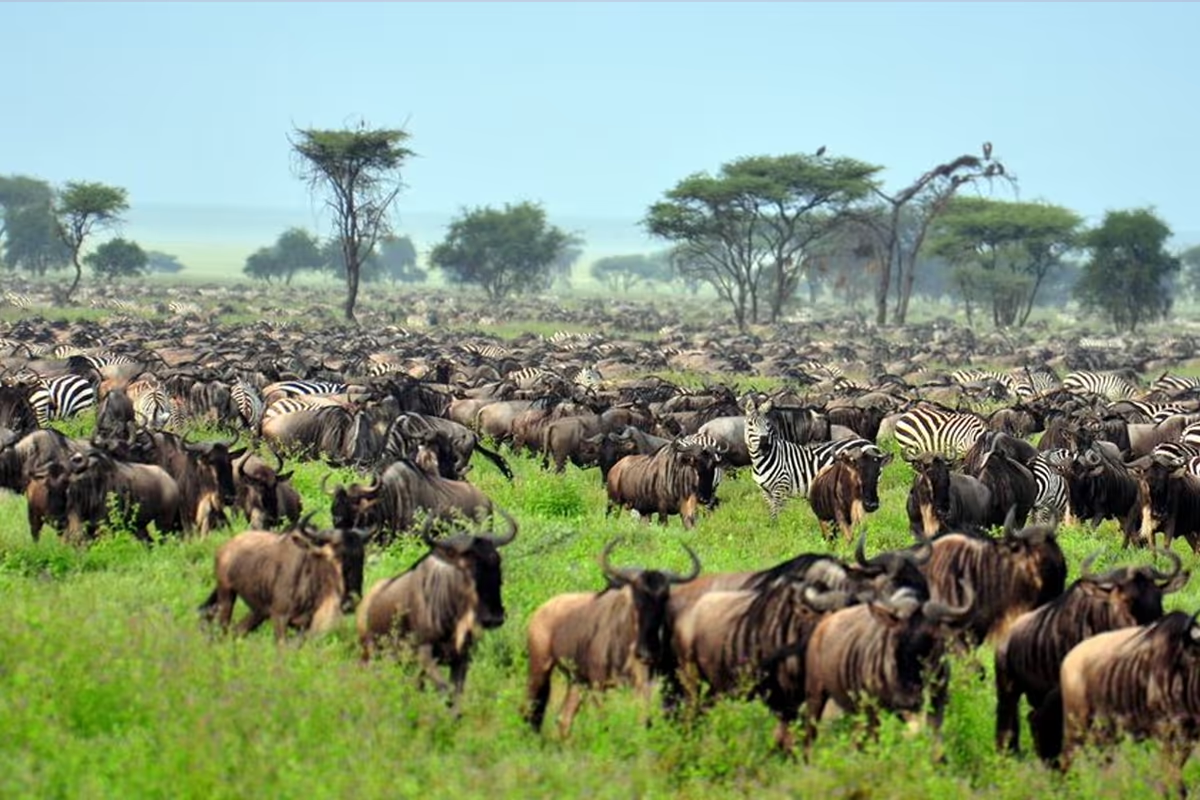
The Great Wildebeest Migration is one of the most spectacular natural events on Earth, earning its place as a bucket-list experience for travelers. This annual phenomenon involves millions of wildebeest, zebras, and gazelles moving across the Serengeti in Tanzania and the Masai Mara in Kenya, following ancient migratory routes in search of fresh grazing and water. The migration is a dramatic interplay of life and death, filled with awe-inspiring landscapes, thrilling predator encounters, and the rhythms of survival.
Best Time to Visit
The Serengeti offers incredible safari experiences year-round, but the timing of the migration determines the best location:
- January to March: Southern Serengeti (Ndutu Plains) for calving season.
- June to July: Western Corridor for Grumeti River crossings.
- August to October: Northern Serengeti for Mara River crossings.
- November to December: Central Serengeti for the herds’ southward return.
The Journey of the Migration
The migration is a year-round cycle, with animals constantly moving in response to the rains and availability of food. While the journey spans thousands of kilometers, here’s how the migration typically unfolds throughout the year:
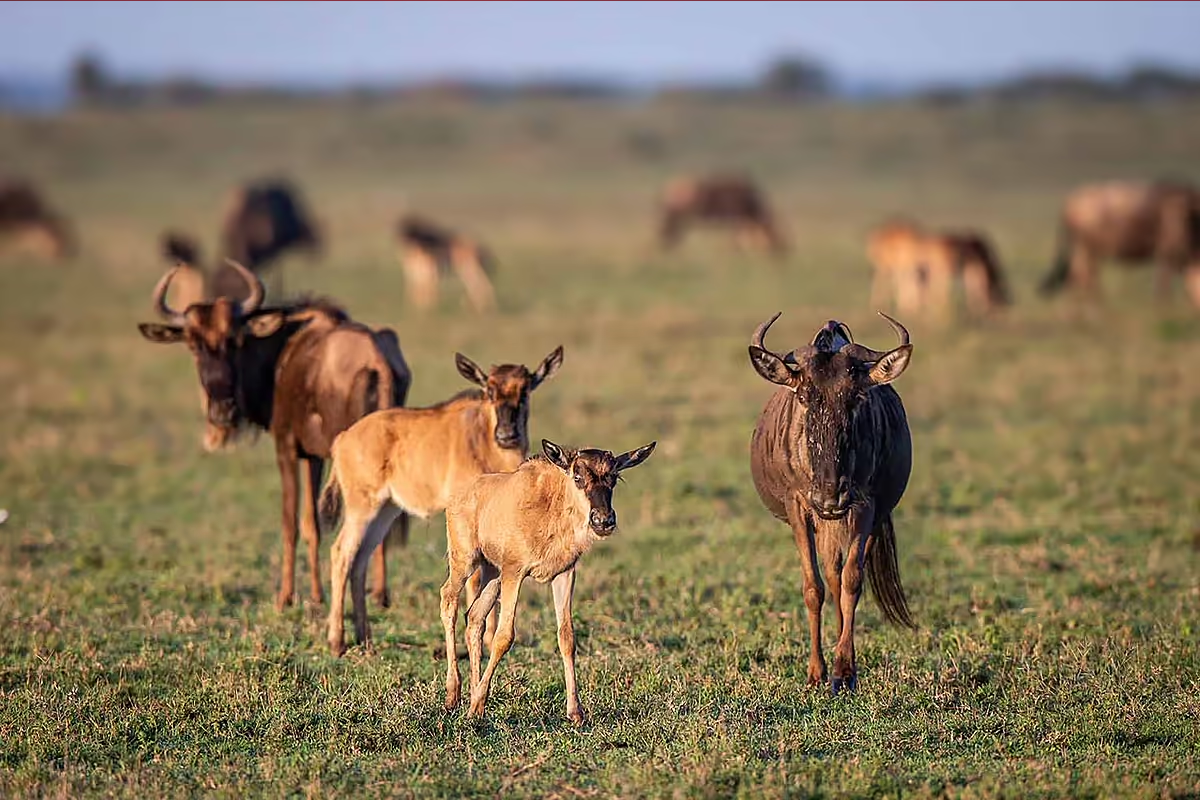
January to March: Calving Season in Southern Serengeti
- Location: Ndutu Plains in the southern Serengeti and Ngorongoro Conservation Area.
- Highlights: Around 500,000 wildebeest calves are born during this time, often within a span of just a few weeks. The abundance of newborns attracts predators like lions, cheetahs, and hyenas, creating dramatic wildlife interactions.
- Best Experiences: Witnessing baby animals take their first steps and predator-prey dynamics in the lush, green plains.
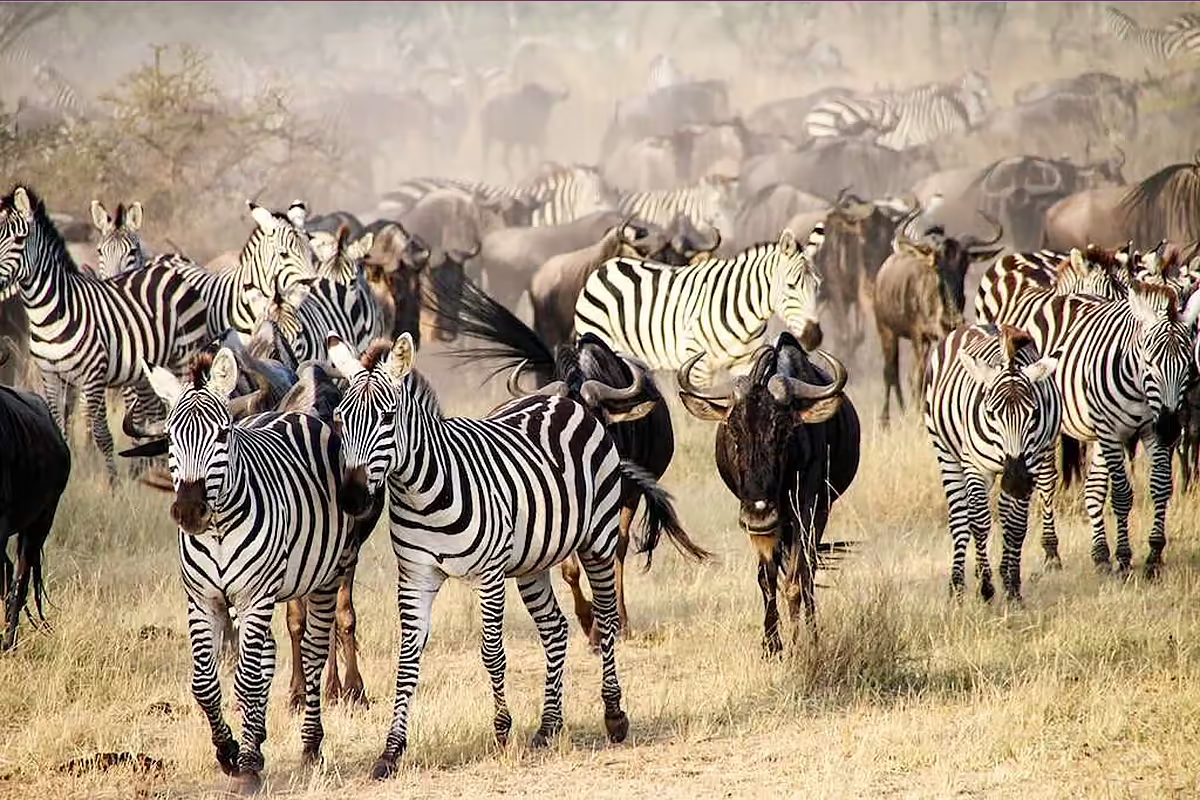
April to May: The Long Rains and Northward Movement
- Location: Central Serengeti and Western Corridor.
- Highlights: As the rains fall, the herds begin moving north toward the Grumeti River. The landscape transforms into a vibrant green, and predators take advantage of the migration’s slow progress.
- Best Experiences: Exploring the Serengeti’s lesser-visited regions with fewer tourists and dramatic predator action.
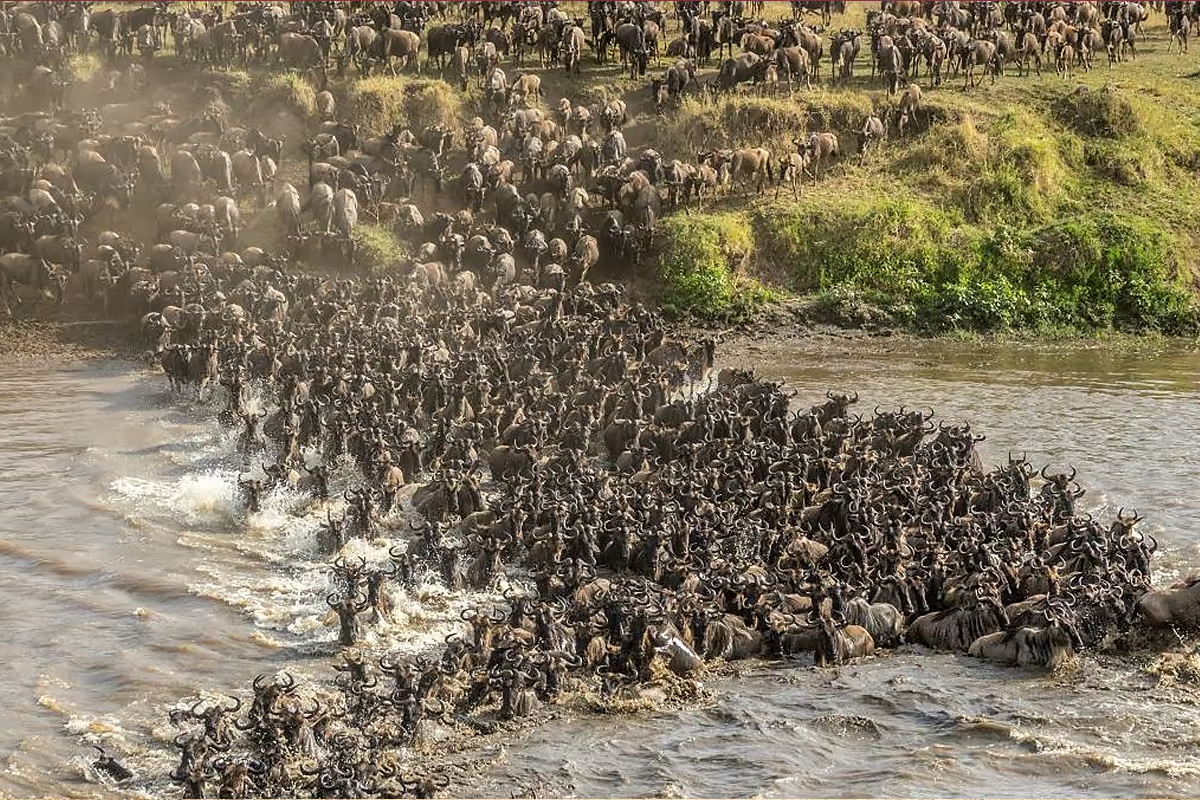
June to July: Grumeti River Crossings
- Location: Western Serengeti and Grumeti Reserve.
- Highlights: The first river crossings take place as the herds tackle the crocodile-infested Grumeti River. This is a prelude to the more famous Mara River crossings later in the year.
- Best Experiences: Watching wildebeest navigate treacherous waters and large crocodiles lying in wait.
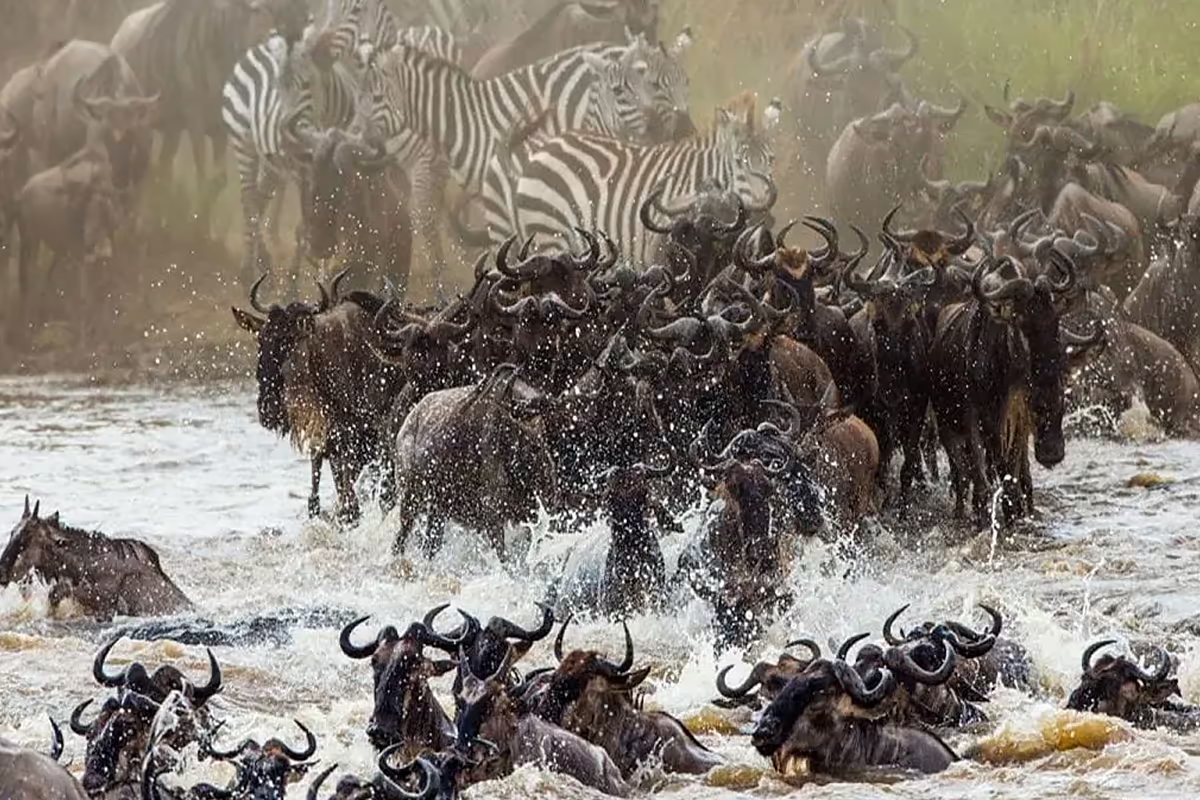
August to October: Mara River Crossings and Masai Mara
- Location: Northern Serengeti (Mara River) and Kenya’s Masai Mara.
- Highlights: The dramatic Mara River crossings, where thousands of animals plunge into the water, facing crocodiles and strong currents. This is the most famous and adrenaline-filled phase of the migration.
- Best Experiences: Staying in the Northern Serengeti to see the crossings up close and enjoying fewer crowds than in the Masai Mara.
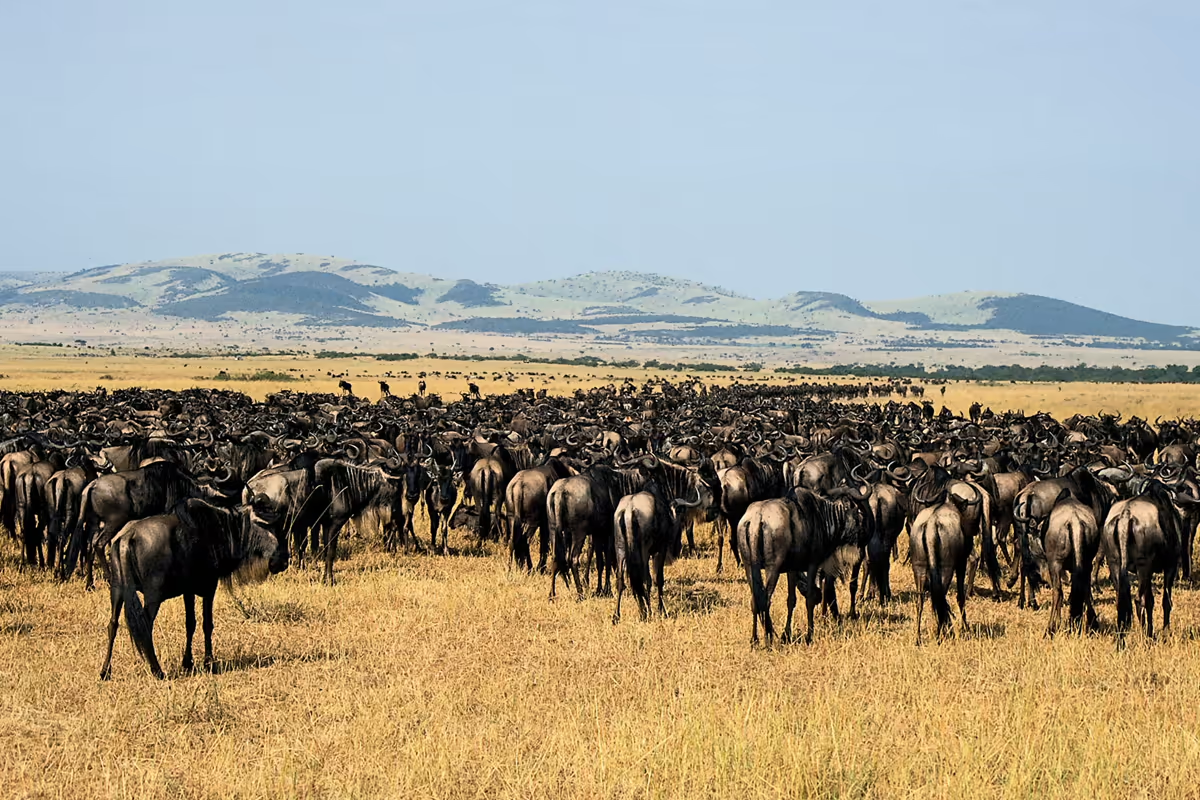
November to December: The Return to Serengeti
- Location: Northern to Central Serengeti.
- Highlights: As rains return to the Serengeti, the herds move southward again, completing the cycle. The plains begin to green, providing fresh grazing for the returning animals.
- Best Experiences: Witnessing the herds spread out over the plains as they march south to prepare for calving season.
How to Witness the Migration
Game Drives
The most traditional and immersive way to follow the herds. Guided game drives allow you to get close to the action while learning from expert guides.
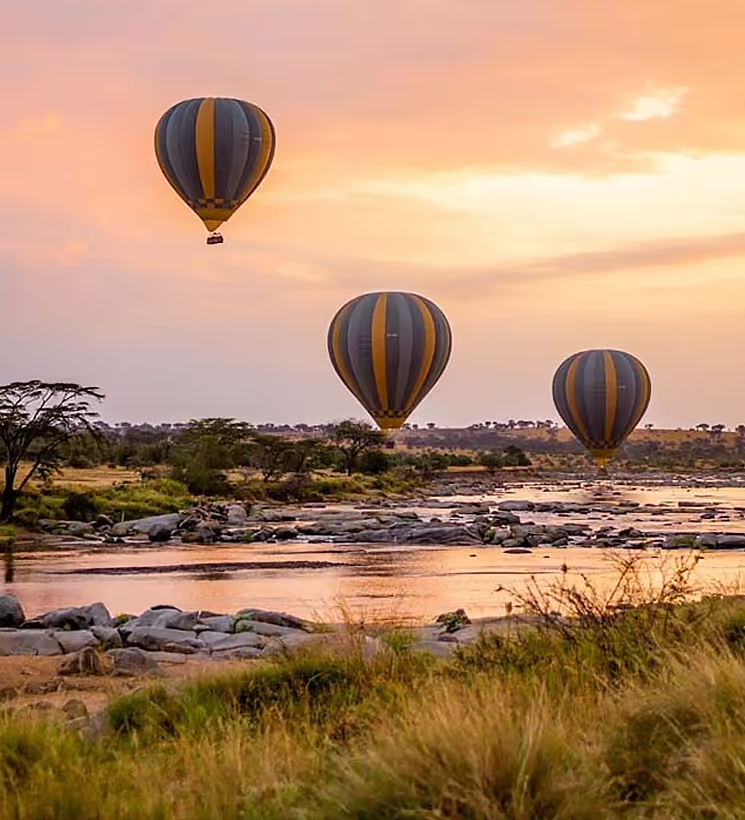
Hot Air Balloon Safaris
A bird’s-eye view of the migration offers a unique and breathtaking perspective. Balloons launch at sunrise, allowing you to see the herds spread across the plains.
Mobile Camps
Stay in luxury mobile camps that move with the herds, ensuring you’re always in the heart of the migration action. These camps offer exclusivity and comfort while immersing you in the wilderness.
Tips for Experiencing the Migration
- Book Early: Lodges and camps in prime migration locations fill up quickly, especially during the Mara River crossings.
- Choose the Right Location: The migration is dynamic, so plan your visit based on the time of year to ensure you’re in the right region.
- Be Patient: Wildlife is unpredictable. Waiting for river crossings or predator-prey encounters requires patience, but the rewards are unforgettable.
- Travel with an Expert: Safari guides and operators familiar with the migration will enhance your experience by ensuring you’re in the right place at the right time.
Getting it right
How to Plan a Migration Trip
- Pick your month first, then the region — the herds decide the route, not the itinerary
- Book three or more nights in one region rather than one night in three
- Choose a mobile camp that relocates with the herds if crossings are the goal
- Late July to September for the Mara River; late January to March for the calving
- Reserve nine to twelve months ahead for the northern Serengeti in August
- Bring a long lens and a fast shutter — crossings happen quickly and at distance
- Build in a spare day; the herds keep their own schedule and patience is rewarded
Migration questions
Great Migration FAQs
What is the migration, and why does it happen?
Roughly 1.5 million wildebeest, joined by several hundred thousand zebra and gazelle, move in a continuous clockwise circuit through the Serengeti-Mara ecosystem chasing rainfall and fresh grazing. It is not a single journey with a start and an end — the herds are always somewhere on the loop, which is why there is no month in which the migration cannot be seen. What changes is the location and the character: calving on the southern plains, columns strung across the western corridor, or the crowded, dangerous river crossings in the north.
Do I need a special vehicle or camera setup?
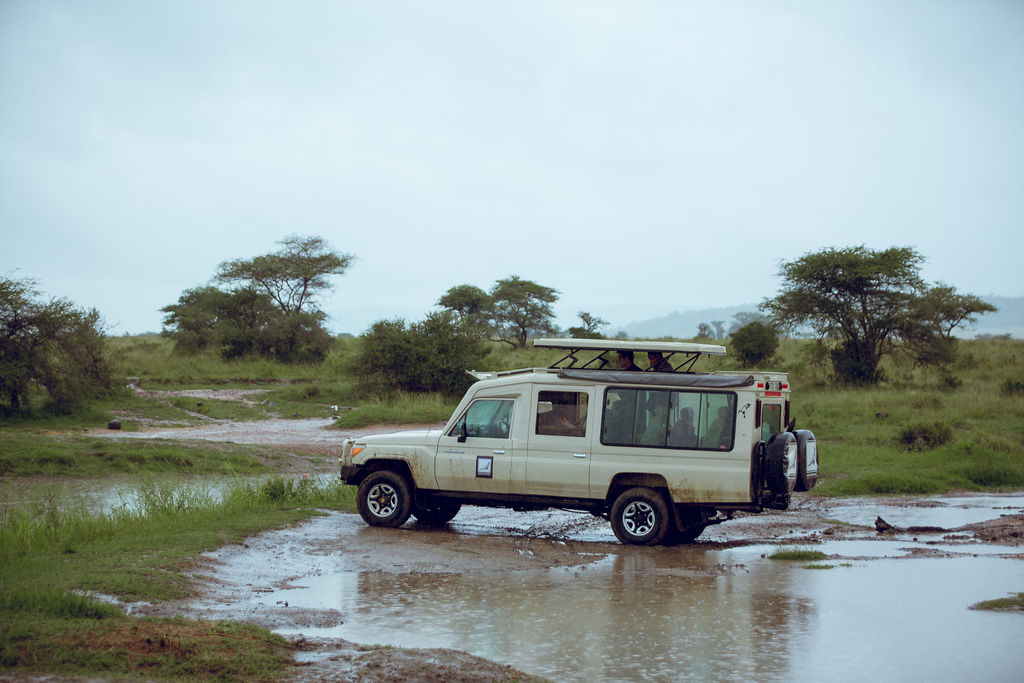
Nothing exotic. A pop-up-roof 4x4 gives you a standing view over the plains, which matters when the herds stretch to the horizon, and every vehicle we use has one. For photography, a 100-400mm zoom covers most situations; crossings happen fast and at distance, so a fast shutter speed and a second camera body or a spare card save a lot of frustration. Bring more battery capacity than you think, because the vehicle charging points get busy with four people aboard.
Where will the migration be when I travel?
The herds follow the rain in a roughly circular annual pattern, so the month decides the place. December to March they are on the southern Serengeti plains around Ndutu, where the calving happens. April and May they move north-west through the western corridor. June to July they push toward the Grumeti and then the Mara River. July to September is the northern Serengeti and the Masai Mara, when the river crossings occur. October and November they drift back south. Tell us your dates and we will place you where the herds will actually be.
Am I guaranteed to see a river crossing?
No, and be wary of anyone who says otherwise. The herds gather on the bank and may wait hours or days before one animal commits and thousands follow. Crossings can also happen twice in a morning. What improves your odds is time and position: three or more nights at a camp near the Mara River between late July and September gives you a genuine chance. Even without a crossing, the sheer density of animals in the northern Serengeti at that time is extraordinary.
Can I see the migration from Kenya instead?
Yes — the Masai Mara holds the herds from roughly July to October, and the famous Mara River crossings happen on both sides of the border. The ecosystem is one continuous whole and the animals ignore the boundary entirely. Kenya has cheaper park fees and shorter transfers; Tanzania has far more of the ecosystem by area, lower vehicle densities and the calving grounds, which Kenya does not have at all. If crossings are the priority, either country works. If you want the full annual cycle, Tanzania is the one.
Is the calving season worth seeing?
Many guides prefer it to the crossings. Between late January and mid-March around half a million calves are born on the short-grass plains near Ndutu, most within a three-week window. The concentration of vulnerable young draws every predator in the ecosystem, and the hunting activity is more intense and more visible than at any other time of year. It is also low season for prices, and the southern plains are far less crowded than the northern Serengeti in August.
How many nights should I spend in the Serengeti?
Three at an absolute minimum if the migration is the point of the trip, and four or five is better. The Serengeti is enormous — moving between regions can take three hours or more on rough tracks — so a single night means most of your time is spent driving rather than watching. Guests who commit to more nights in one well-chosen region consistently see more than those who dash between three.
Should I stay in a mobile camp?
If you are following the migration, yes. Mobile tented camps relocate two or three times a year to stay with the herds, so they are always in the right place for the season — southern plains for calving, the north for the crossings. They are classic canvas safari camps with proper beds, en-suite bucket showers and excellent food. Permanent lodges are more comfortable but fixed in place, which can mean long drives to reach the herds.


Yixin D
Lappet Faced Safari Forever!
Francisco and his team have done a very good job. Francisco has arranged everything in Tanzania and kept an eye on our trip. Francisco's response speed is very fast. He arranged a photographer for our Safari The photographer recorded all the animals we saw and the wonderful moments. Our driver Noel is like my big brother. He has eagle eyes and finds animals at any time. He knows time management, and we have nothing to worry about with him. We saw rhinoceros and even baby rhinoceros six times in Ngorongoro, and on the third day we had seen all the Big Five and their babys.This is a Great Safari.Francisco and his team are very reliable. We paid the full amount when we were in China. Francisco completed all our hotel reservation requirements and sent us a hotel reservation form.Francisco is very honest. Their profits are not high, but they take their customers very seriously, even if their company is small.Their prices are detailed and transparent, and all details will be sent. Choosing them will make you have an unforgettable trip!弗朗西斯科和他的团队非常好,弗朗西斯科为我们安排好了一切,所有酒店没有任何更改,他安排了摄影师记录了我们的游猎时光,我们在第三天的时候已经看到了Big Five 和他们的babys.
xiang / Jul 2026
A very reliable travel agency
Driving an off-road vehicle bumpily on the vast grassland, the dust raised seems to be a filter of time, instantly pulling people back to the…
philo04
Wonderful Safari experience with Myk as our guide
We did a custom made safari tour for seven nights in Tanzania using the guide Myk Walcott from this company. It was an amazing experience. Myk is a fantastic guide, he is calm, supportive, knowledgeable, is a very safe driver, and is an excellent game driver, he tended to our every need. We stayed in four different hotels and all were excellent, the good was excellent, every detail was well organized. We had fantastic packed lunches on the go, we always had cold bottled water at our disposal. We felt very safe and like we were in good hands. We highly recommend this safari company and especially Myk as your guide. He went above and beyond for us, taking us to a local market in Arusha per our request and we even stopped at a local orphange to drop off supplies near the Tarangire National Park which was a wonderful experience. We only wish we could have stayed for longer and we hope to return in the future. Highly recommended
Robin / Jun 2026
A breathtaking, memorable voyage of dreams
This long-awaited trip required last-minute schedule changes mid-way due to illness and unavoidable flight disruptions, yet the Lappet Faced…
Amanda A
7 day awesome safari
We had the best time ever on the 7 day safari (Tarangire, Serengeti and Ngorongoro). Eric organized everything perfectly and was always available when needed. You can trust him on organizing your safari with your eyes closed!Our guide Noeli was amazing, he has a lot of experience as a safari guide and has vast knowledge on animals, plants, ecosystems, the culture.. He was able to answer our questions. He spotted so many animals and birds for us, and was very patient while we photographed everything. We even got to see the honey badger!! We really recommend going with Noeli, thanks a lot again for taking us to those beautiful places.I really recommend this tour company and would definitely do it again!
Celene / Jun 2026
Professional in planning a safari tour, perfect guide, excellent service
They will provide clear breakdown for you to know all the costs. Smooth communication with Ding and Francisco, and they respond so quickly! Our…
Ways to travel
Other Tanzania safaris
 Hot Air Balloon Safari
Serengeti & Tarangire · At dawn
Hot Air Balloon Safari
Serengeti & Tarangire · At dawn
 Private Safaris
Your vehicle · Your guide · Your pace
Private Safaris
Your vehicle · Your guide · Your pace
 Luxury Safaris
The top tier on any itinerary
Luxury Safaris
The top tier on any itinerary
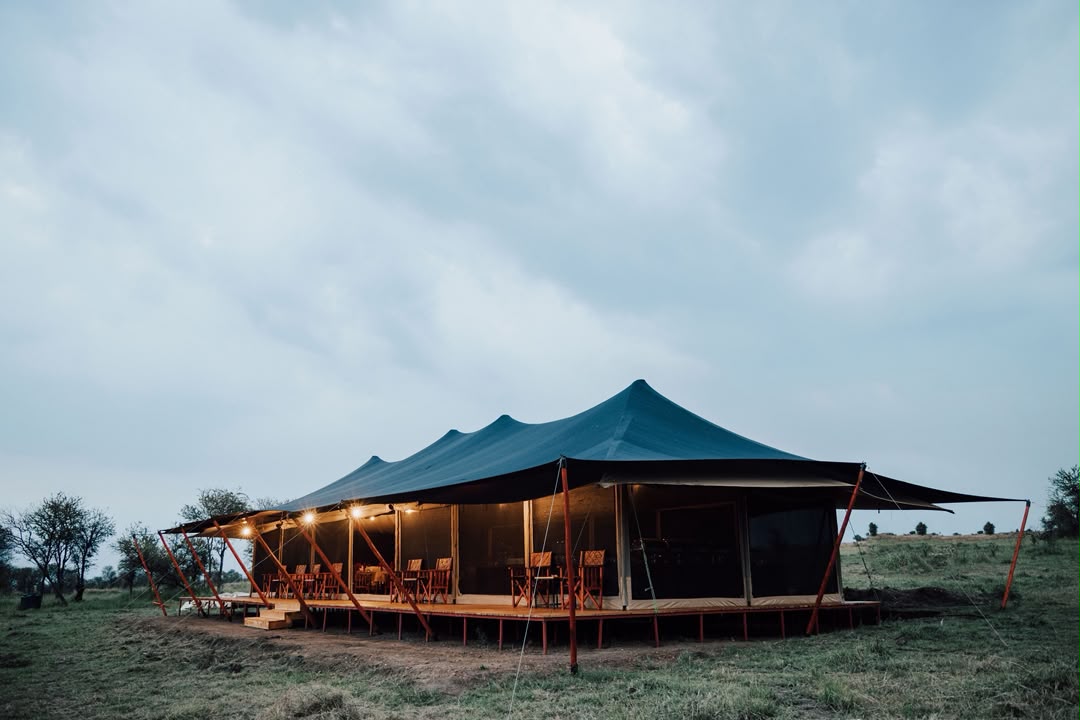 Mid-Range Safaris
The level most guests choose
Mid-Range Safaris
The level most guests choose
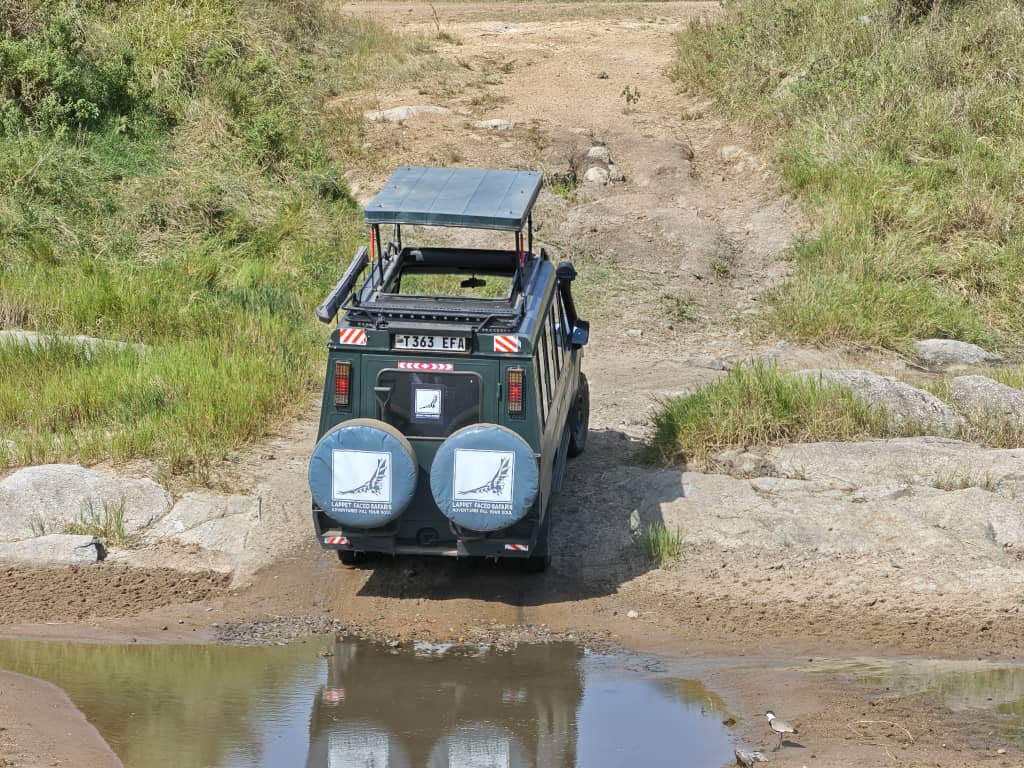 Budget Safaris
Camping & the Standard tier
Budget Safaris
Camping & the Standard tier
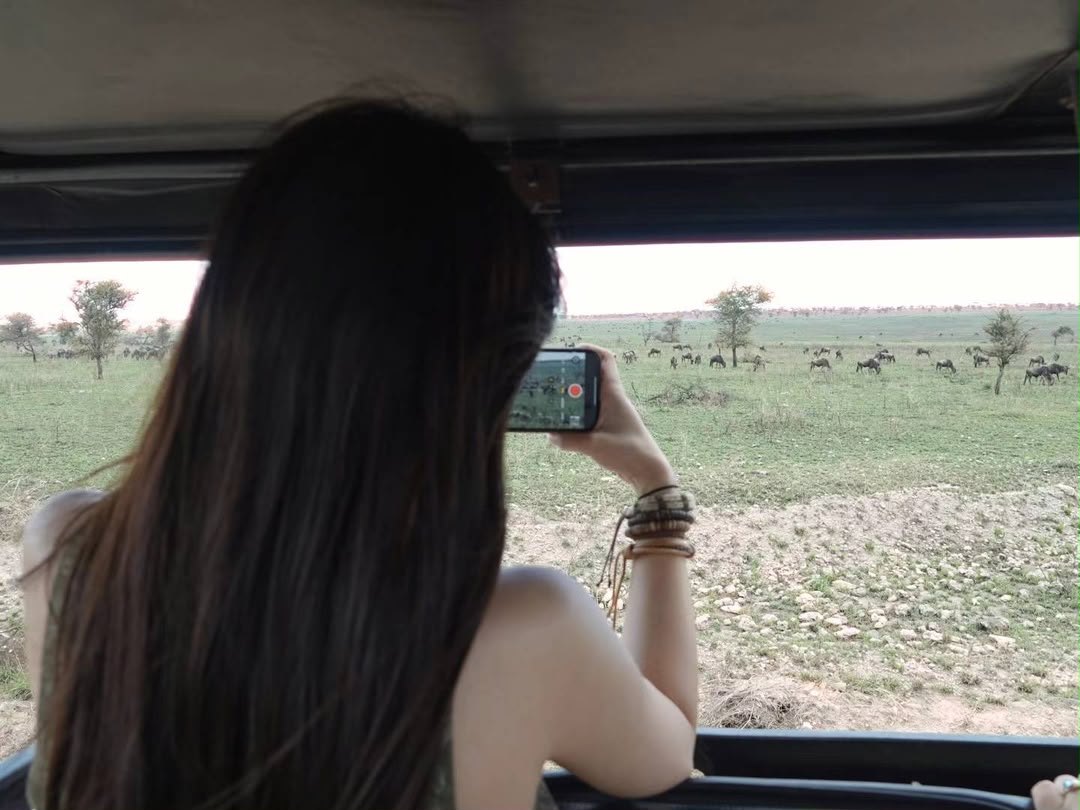 Photography Safaris
Private vehicle · Positioned for light
Photography Safaris
Private vehicle · Positioned for light
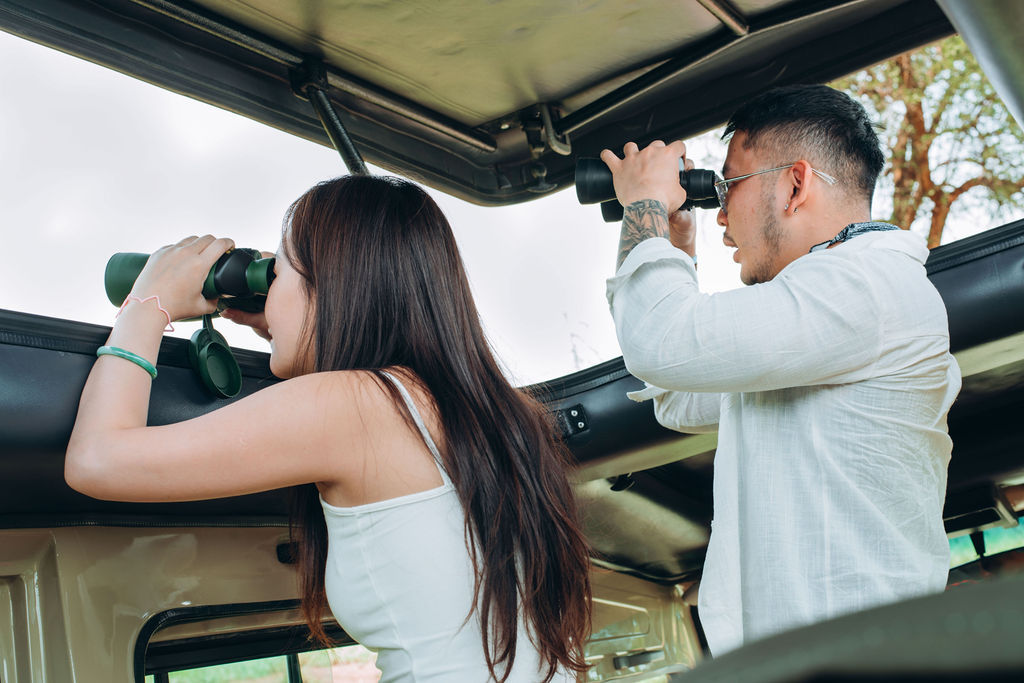 Family Safaris in Tanzania
All ages · Your own vehicle · Your own pace
Family Safaris in Tanzania
All ages · Your own vehicle · Your own pace
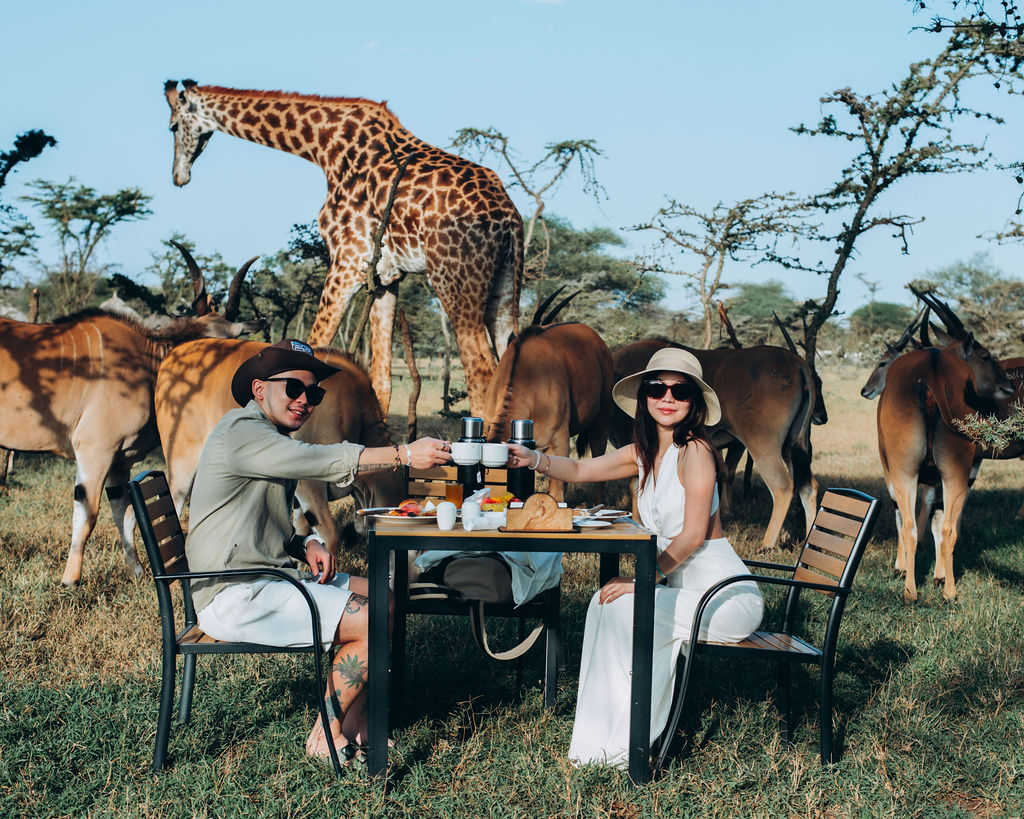 Honeymoon Safaris in Tanzania
Bush & beach · Private vehicle · Just the two of you
Honeymoon Safaris in Tanzania
Bush & beach · Private vehicle · Just the two of you
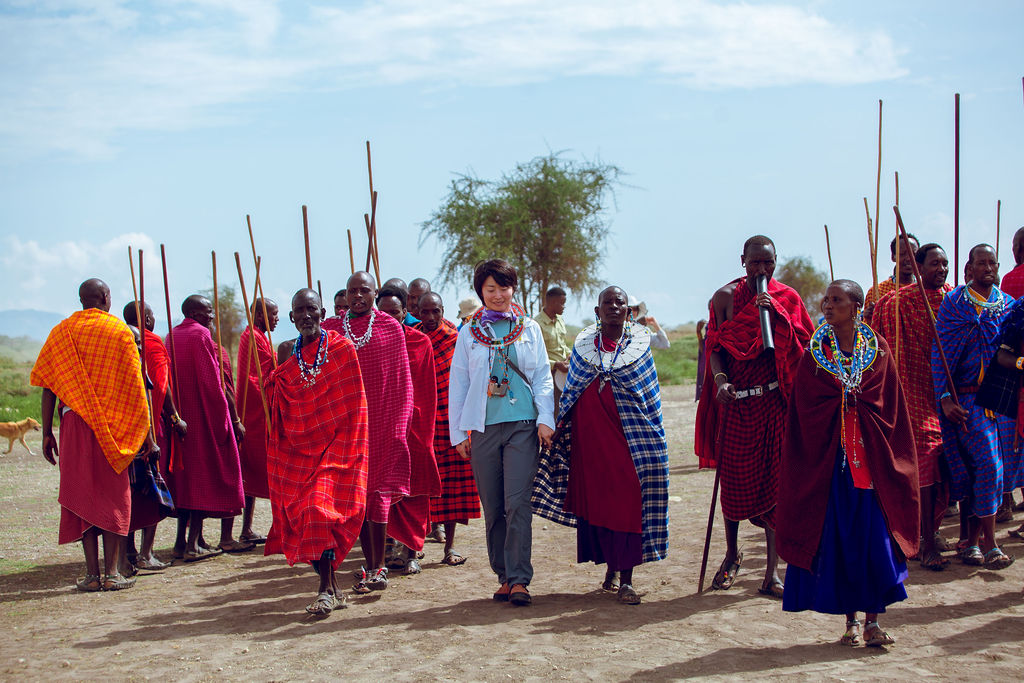 Tanzania Culture & Traditional Experiences
Over 120 ethnic groups · Visited properly
Tanzania Culture & Traditional Experiences
Over 120 ethnic groups · Visited properly