
Tanzania Safari Destinations: Where to Go
Where to go in Tanzania
From the endless Serengeti to the coral shores of Mafia Island — twenty wild worlds, expertly woven into one unforgettable journey.
Tanzania is a land of unparalleled beauty, home to some of the most iconic safari destinations on Earth. With over 22 national parks and game reserves, it protects everything from the Great Migration's endless plains to chimpanzee rainforests, flower-filled highlands and Indian Ocean reefs — and our Arusha-based guides know every one of them first-hand.
- 20 destinations
- 5 regions
Northern Circuit
8 destinations
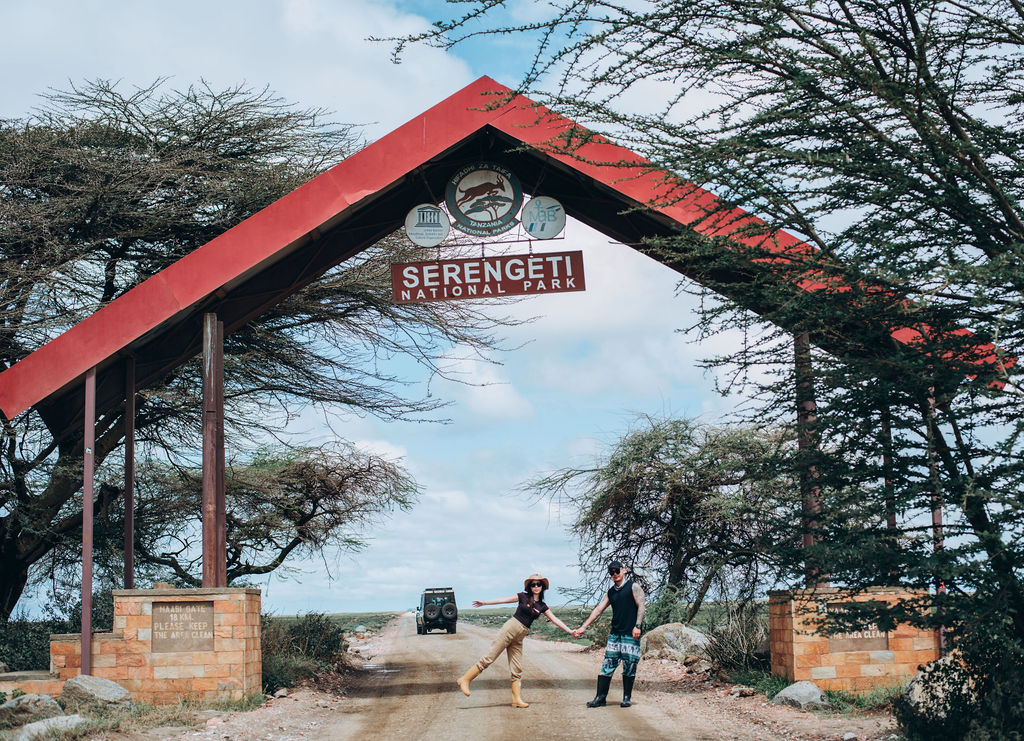
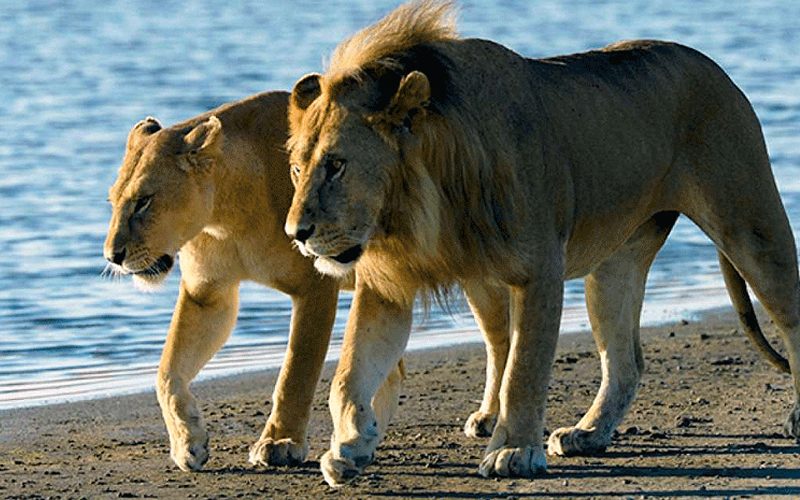
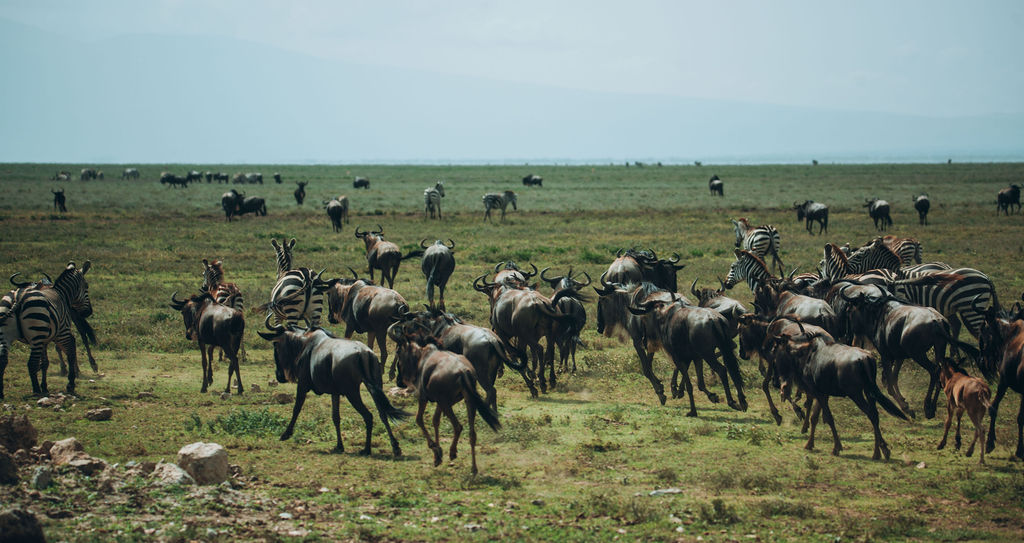 Serengeti National Park
Let the Great Migration move you across endless plains Explore
Serengeti National Park
Let the Great Migration move you across endless plains Explore
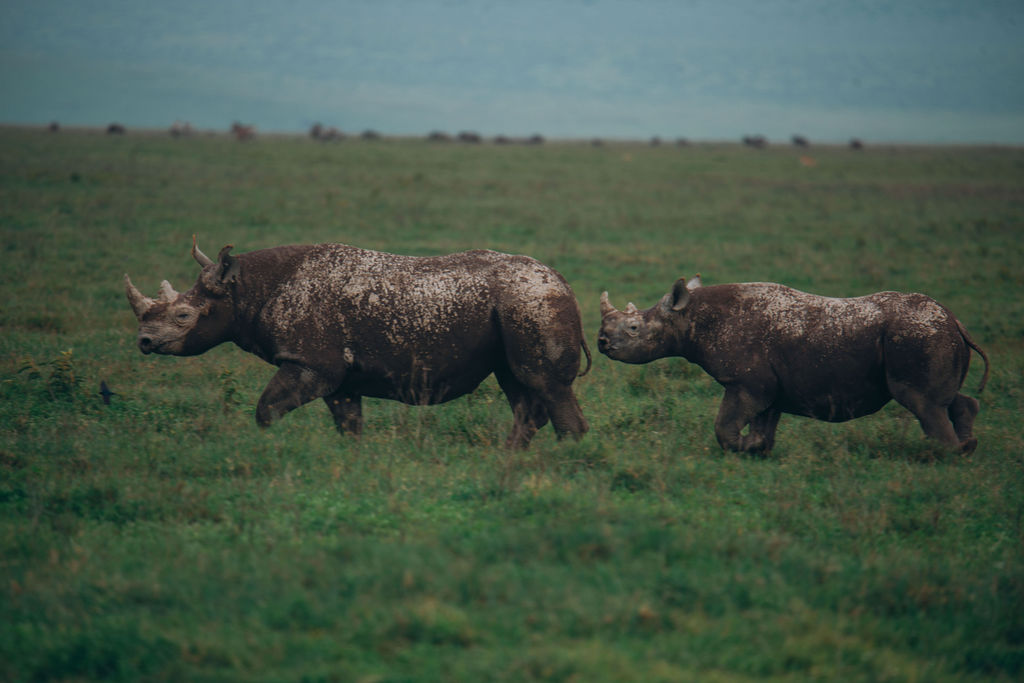 Ngorongoro Conservation Area
Descend into the world's largest intact volcanic caldera Explore
Ngorongoro Conservation Area
Descend into the world's largest intact volcanic caldera Explore
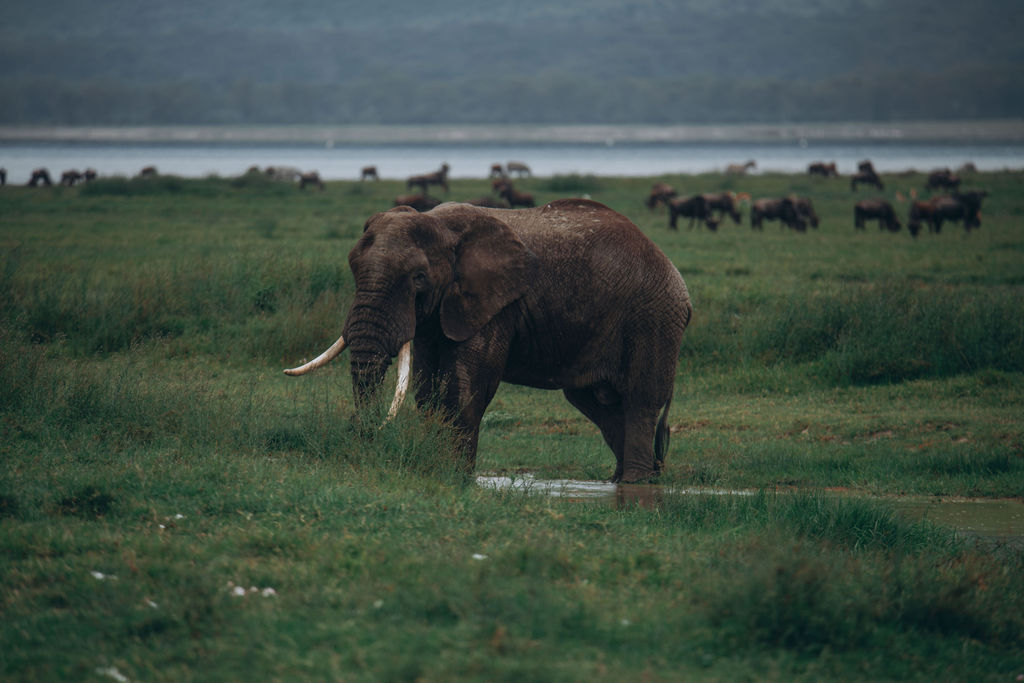
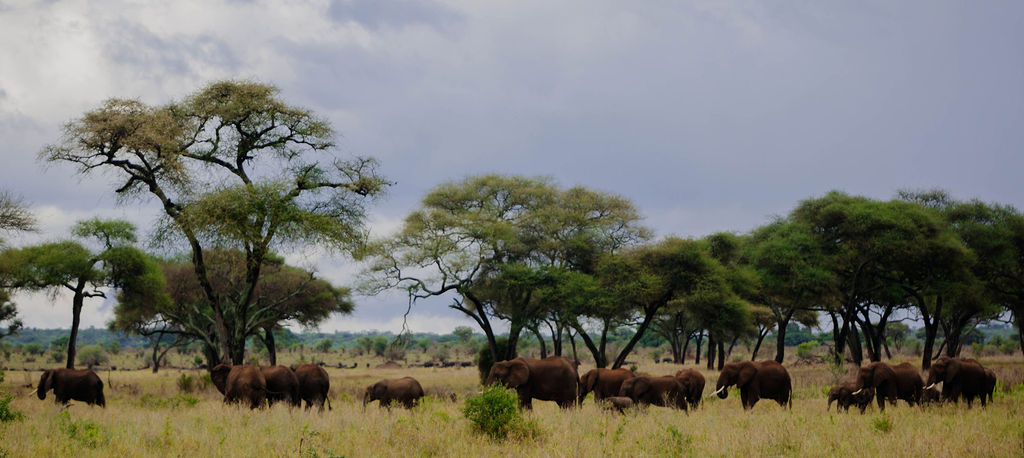 Tarangire National Park
Where elephant herds gather beneath ancient baobabs Explore
Tarangire National Park
Where elephant herds gather beneath ancient baobabs Explore
Why Tanzania
Why Tanzania Is the Greatest Safari Country in Africa
Tanzania is a land of unparalleled beauty, home to some of the most iconic safari destinations in the world. Whether you are chasing the Big Five, soaking up spectacular landscapes, or experiencing rich cultural heritage, Tanzania has it all — and it has more of it, over more ground, than any of its neighbours.
The numbers make the case on their own. More than a third of the country is under some form of protection: over twenty national parks, plus game reserves and conservation areas covering an area larger than many European countries. The Serengeti ecosystem alone runs to 30,000 square kilometres, and it holds the largest overland animal migration on earth. The Ngorongoro Crater is the biggest intact volcanic caldera in the world and functions as a natural enclosure for some 25,000 large animals. Olduvai Gorge, on the way between them, is where the oldest evidence of human ancestry was found.
What that scale means in practice is that Tanzania does not have one safari — it has four or five quite different ones. The northern circuit is the famous one and the right choice for a first visit. The southern parks are wilder and emptier. The western parks hold chimpanzees on the shore of the deepest lake in Africa. And the coast and Zanzibar offer a completely different ending to the same trip.
The scale of it
Tanzania by the Numbers
- 22+
- National parksPlus game reserves and conservation areas — more protected land than almost any country on earth.
- 2 million
- Migrating animalsWildebeest, zebra and gazelle moving in a continuous cycle through the Serengeti ecosystem.
- 25,000
- Animals in one craterThe Ngorongoro Crater floor, inside a caldera twenty kilometres across.
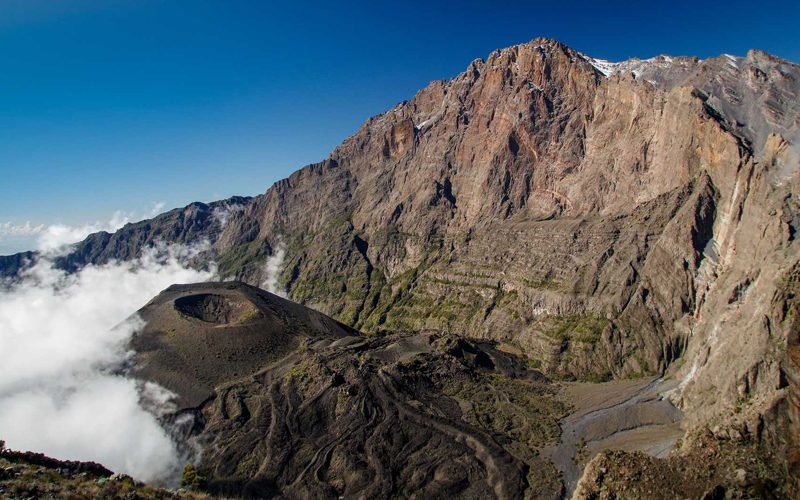
- 5,895 m
- Mount KilimanjaroThe roof of Africa, and the highest free-standing mountain in the world.
The circuits
Four Very Different Tanzanias
The northern circuit
Serengeti, Ngorongoro, Tarangire, Lake Manyara and Arusha National Park. The highest wildlife densities in Africa, the Great Migration, excellent roads and the widest choice of lodges at every price. This is where roughly nine out of ten first safaris happen, and rightly so.
The southern circuit
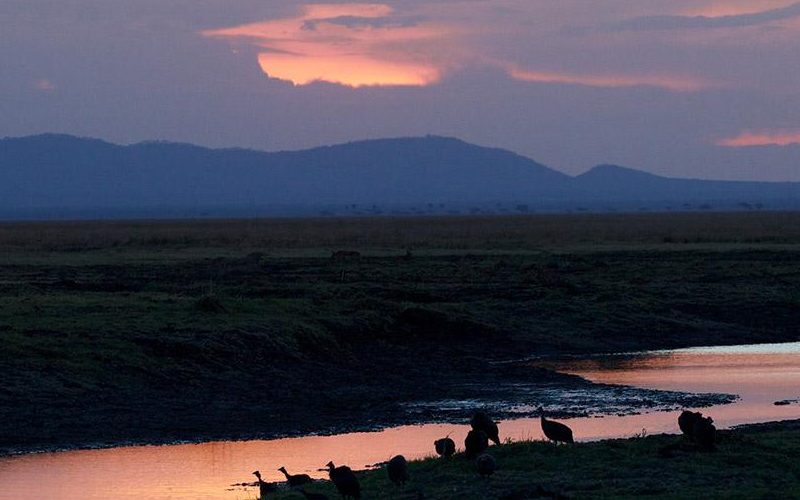
Nyerere National Park — the largest in Africa — plus Ruaha and Mikumi. Far fewer vehicles, superb walking and boat safaris, huge elephant and wild dog populations, and a genuinely remote feel. Usually reached by light aircraft from Dar es Salaam.
The western parks
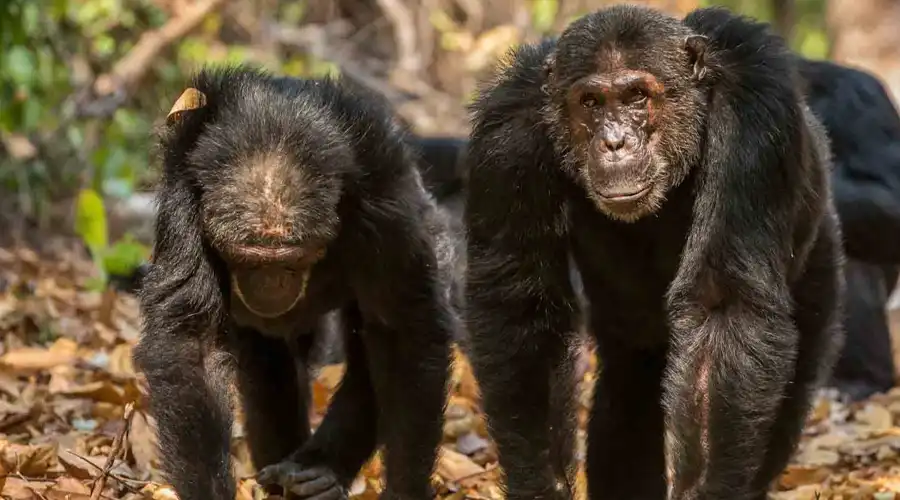
Mahale Mountains and Gombe on the shore of Lake Tanganyika, where chimpanzee trekking happens against a backdrop of forested mountains and clear water, plus Katavi, one of the least-visited great parks on the continent. Expensive to reach and unforgettable.
The coast and islands
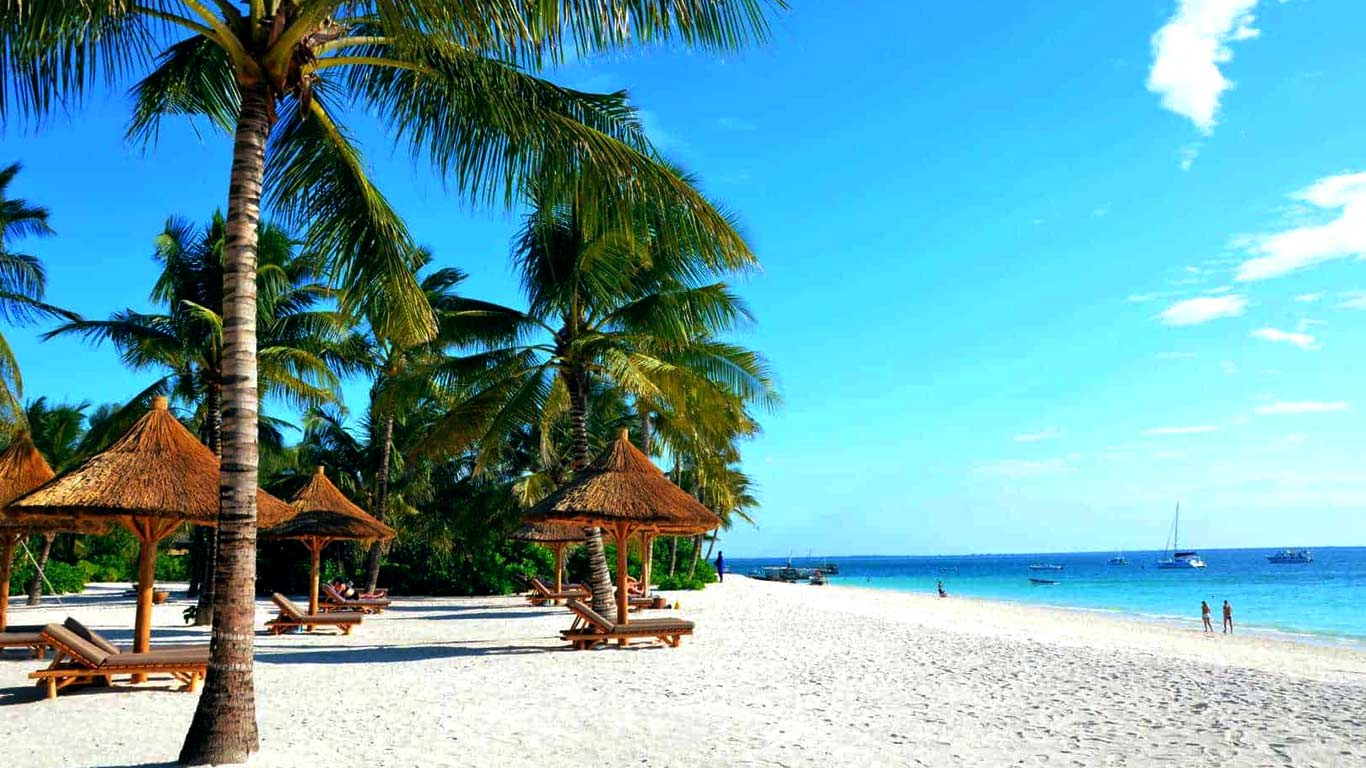
Zanzibar, Mafia Island, Pemba and Saadani — the only park in East Africa where elephants come down to an Indian Ocean beach. The natural end to a safari rather than an alternative to one.
When to travel
Best Time to Visit Each Region
| Region | Peak months | Green season | What decides it |
|---|---|---|---|
| Serengeti (north) | July – September | April – May | Mara River crossings happen in the far north from roughly July to September. |
| Serengeti (south) | January – February | April – May | Calving season on the short-grass plains, and the best predator action of the year. |
| Ngorongoro Crater | June – October | March – May | Good year-round; the crater floor holds water and game in every season. |
| Tarangire | June – October | November – May | Dry-season elephant concentrations along the river are the reason to come. |
| Southern parks | June – October | March – May | Many camps close entirely during the long rains; access is the limiting factor. |
| Western parks | July – October | March – May | Chimp trekking is easiest in the dry season when the troops stay lower down. |
Route planning
Building a Tanzania Itinerary That Works
The most common planning mistake is trying to fit too many parks into too few days. These rules of thumb keep an itinerary enjoyable rather than exhausting.
- Two nights minimum in any park worth visiting - one night means half a day of game viewing
- Group the northern circuit geographically: Tarangire, then Ngorongoro, then the Serengeti
- Fly between the Serengeti and Arusha if you want to avoid a long final driving day
- Book Serengeti camps for the region the migration will be in, not the Serengeti generally
- Leave the Ngorongoro Crater until after the Serengeti; it makes a superb finale
- Add Zanzibar at the end rather than the beginning - the contrast works far better that way
- Budget a full rest day if you are combining a Kilimanjaro climb with a safari
- Travel in April, May or November for the lowest rates and the emptiest parks
Beyond the wildlife
Experiences That Are Not Game Drives
A week of game drives is a wonderful thing, but the trips people talk about years later usually include one or two of these.
A hot air balloon over the Serengeti
Lifting off at first light and drifting a few hundred feet above the plains, with a champagne breakfast laid out on the grass where you land. Expensive, unforgettable, and the only way to grasp the true scale of the Serengeti.
Read moreClimbing Kilimanjaro
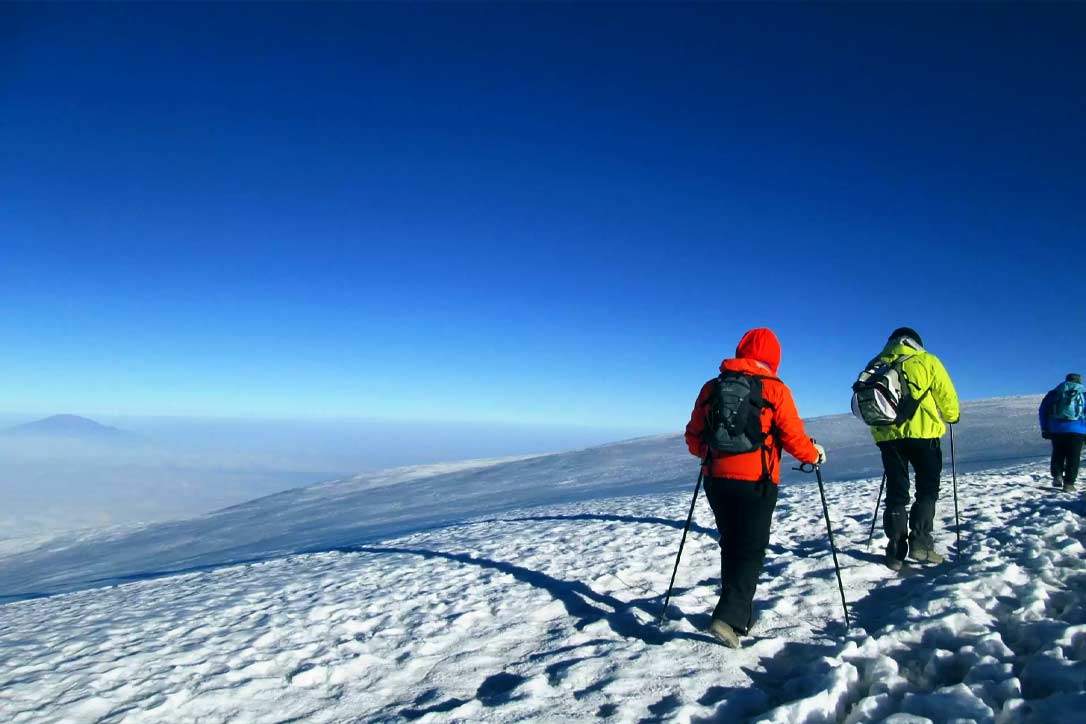
Five days of walking through rainforest, moorland and alpine desert to stand on the highest point in Africa at sunrise. No technical climbing required, and it pairs naturally with a safari afterwards.
Read moreOlduvai Gorge
The archaeological site between Ngorongoro and the Serengeti where the Leakeys found some of the oldest evidence of human ancestry. A small museum and a short talk turn the drive between two parks into something considerably more interesting.
Time with the Maasai and Hadzabe
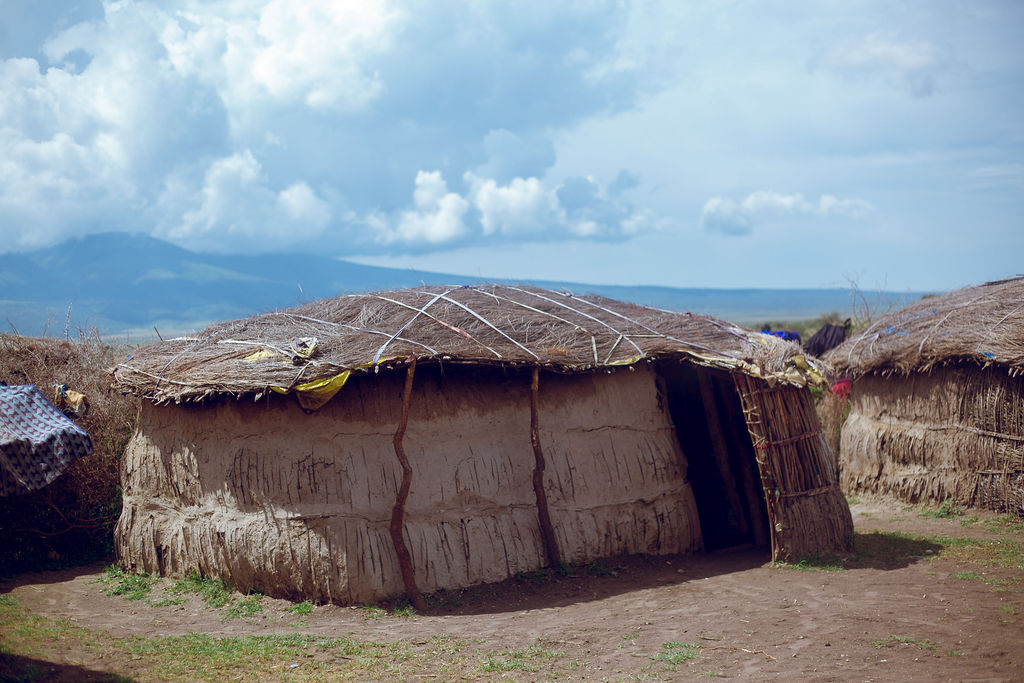
Village visits arranged properly, on the community's terms, with real conversation rather than a staged dance. The Hadzabe near Lake Eyasi are among the last hunter-gatherer peoples in Africa and a morning with them is genuinely humbling.
Finishing on the Indian Ocean
Zanzibar, Mafia or Pemba, ninety minutes by air from the safari. Stone Town's history, spice farms, and reefs — the natural second half of a Tanzanian trip.
Read morePlanning your route
Tanzania Destination FAQs
Do I need to book a guide, or can I self-drive?
You can technically self-drive some Tanzanian parks, and we would strongly advise against it. Park roads are unsigned, tracks change with the rains, recovery from a bogged vehicle is expensive, and you will drive past a great deal of wildlife you never notice. A professional guide is not a luxury here — the difference between a guided and unguided day in the Serengeti is not marginal, it is the entire trip. Guides also communicate constantly by radio, which is how sightings actually get found.
Which parks should I visit on a first safari?
Tarangire, the Serengeti and the Ngorongoro Crater, in that order, with Lake Manyara added if you have the day. That combination gives you three completely different landscapes — baobab woodland, endless plains and a volcanic caldera — a realistic chance of the Big Five, and the shortest driving times between them. It is the classic northern circuit for good reason, and no other route in Africa packs as much into a week.
How far apart are the parks?
Closer than the map suggests, though the roads are slower than the distances imply. Arusha to Tarangire is roughly two hours, Tarangire to the Ngorongoro rim about two and a half, and the rim down into the central Serengeti another three to four. Within the Serengeti, moving between regions can take three hours or more. Guests who want to cut the driving fly between airstrips, which we can arrange on any itinerary.
Can I combine Tanzania with Kenya, Uganda or Rwanda?
Yes, and the combinations are excellent. Tanzania and Kenya share the Serengeti–Mara ecosystem, so following the migration across the border is a natural trip. Rwanda pairs beautifully for gorilla trekking, with an easy flight from Kilimanjaro to Kigali. Uganda adds gorillas and chimpanzees and works well for travellers with two weeks or more. Each country has its own visa and park fees, and we handle the logistics as one booking.
Which park is best for the Great Migration?
It depends entirely on the month, because the herds never stop moving. December to March they are on the southern Serengeti plains around Ndutu, calving. April and May they move north-west through the western corridor. From July to September they are in the northern Serengeti and the Masai Mara, which is when the Mara River crossings happen. Book your camp for where the herds will be, not for the Serengeti in general — that single decision matters more than anything else on a migration trip.
How much does it cost to visit the national parks?
Park fees in Tanzania are among the highest in Africa and they are a significant share of any safari cost. Entry to the Serengeti, Ngorongoro and Tarangire each carries a daily per-person fee, and the Ngorongoro Crater adds a separate vehicle service charge for descending to the floor. Concession fees apply at camps inside the parks. Every quote we issue itemises these separately from our own costs, so you can see exactly what goes to the government and what does not.
Are the less-known parks worth visiting?
For a second safari, absolutely. Ruaha has one of the largest elephant populations in East Africa and a fraction of the vehicles. Nyerere offers boat safaris on the Rufiji River, which almost nowhere in the north can match. Katavi in the far west is as close to an unvisited great park as still exists. Mahale puts you with wild chimpanzees on a beach beside Lake Tanganyika. None of them is the right choice for a first trip, and all of them are extraordinary for a second.
Ready to plan?
Not sure where to start?
Tell us what you want to feel — herds to the horizon, gorillas in the mist, an empty beach — and we'll build the route that gets you there.