
Gorilla Trekking in Uganda
Uganda · Bwindi Impenetrable Forest
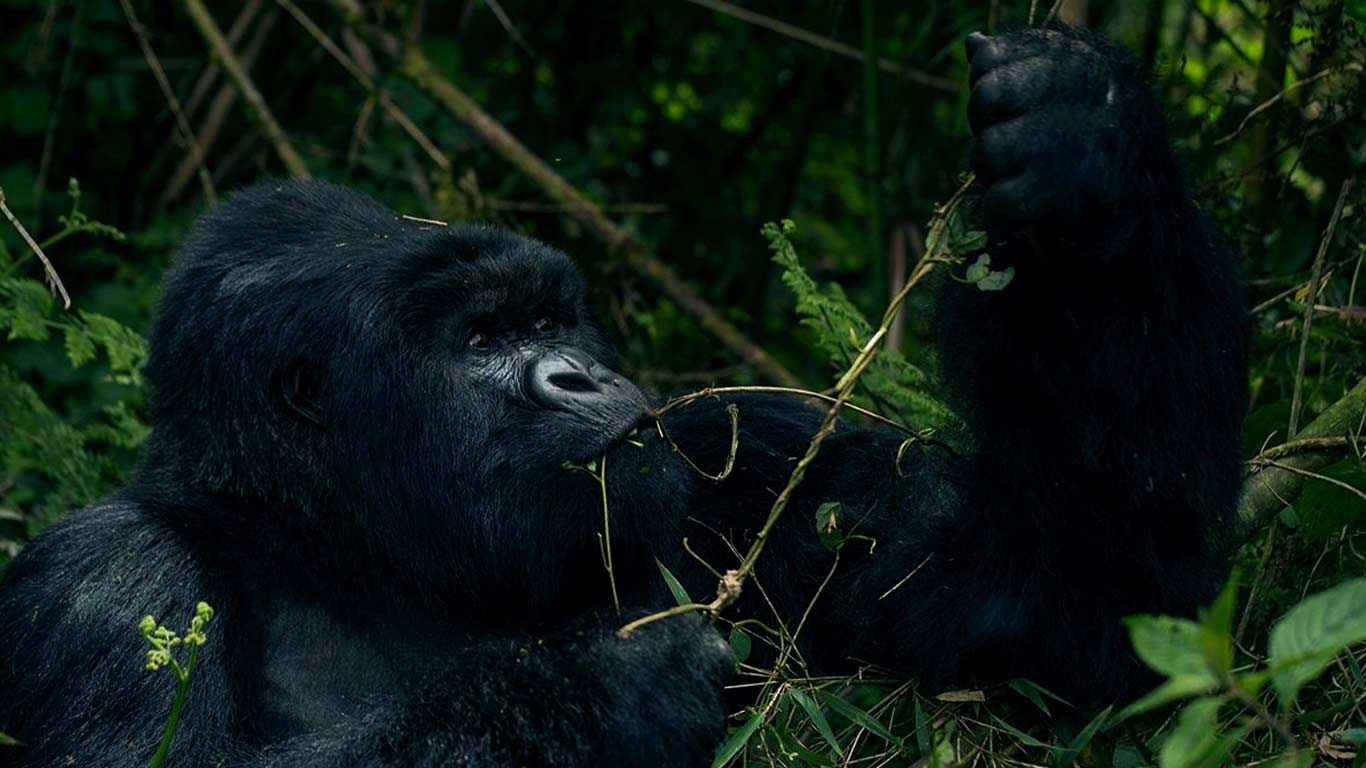
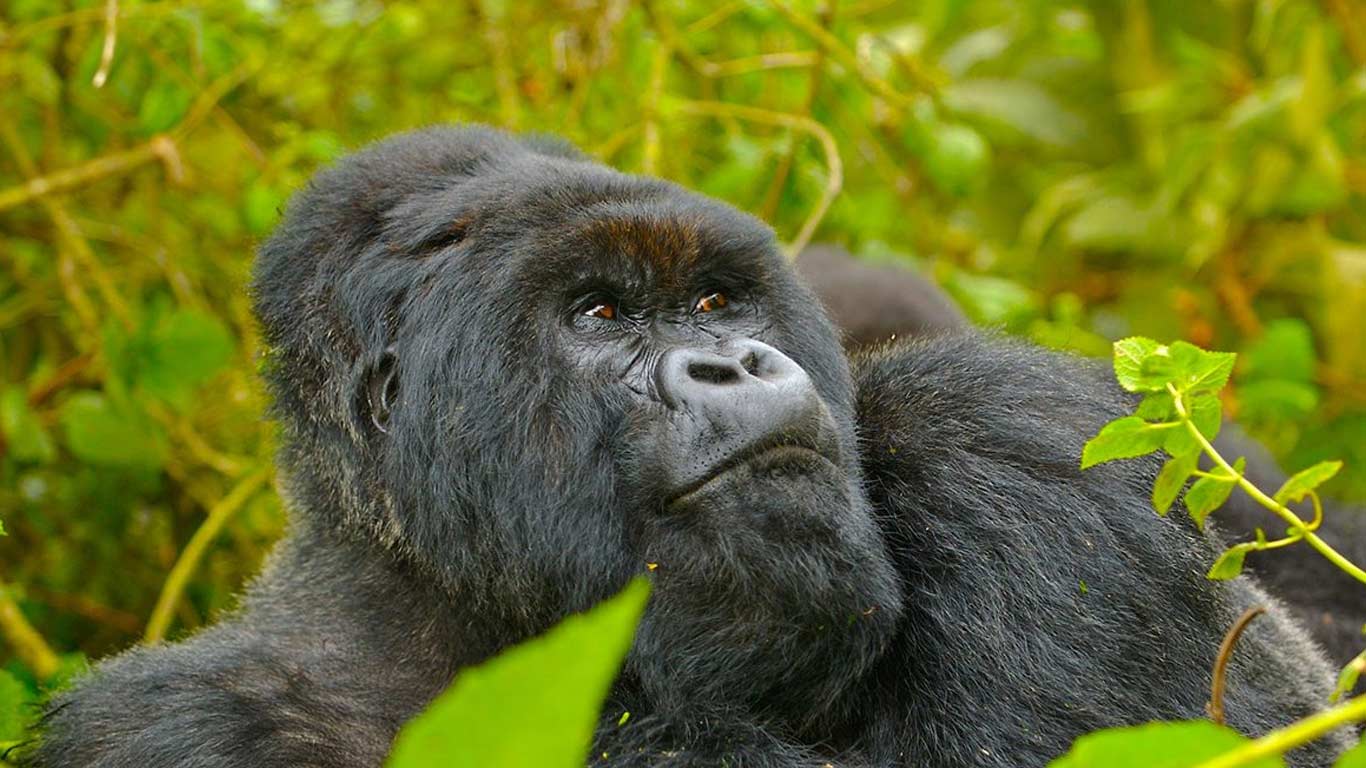
Mountain Gorillas in the Bwindi Impenetrable Forest
One hour, face to face with a mountain gorilla family in the misty highland forest — the most moving wildlife encounter in Africa.
- Best: Jun–Sep & Dec–Feb
- Permits arranged by us
- Pairs with a Serengeti safari
Why go
The Trek of a Lifetime
- Bwindi's giants. The biologically rich, magnificent Bwindi Impenetrable Forest sustains almost half of the world's remaining mountain gorillas.
- The trek. Guided hikes of two to six hours through highland rainforest, tracking a habituated gorilla family with expert rangers.
- Permits, sorted. Gorilla permits are limited and sell out months ahead — we secure them as part of your itinerary.
- Beyond gorillas. Add chimpanzees in Kibale Forest — the primate capital of the world — or combine with the Serengeti and the Big Five.
Gorilla Trekking Packages
All safari packages“Lappet Faced Safari left a very good impression on me about Safari. When discussing the itinerary, Francisco responded very promptly and provided a lot of useful suggestions; during the entire trip, there were no extra costs or extra services.”
Plan your gorilla trek
Share your travel window and we'll secure permits, build the route and — if you like — bolt on the Serengeti before you fly home.
Where to go in Uganda
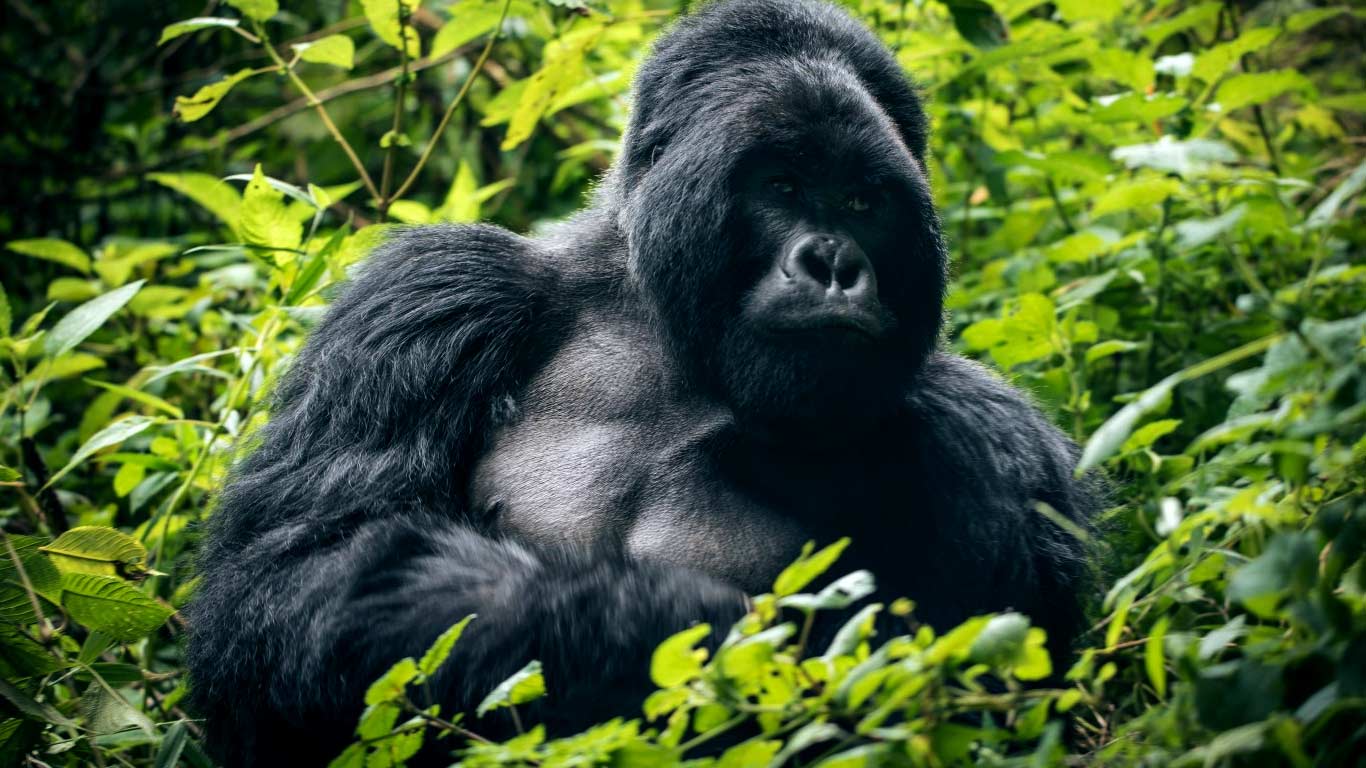
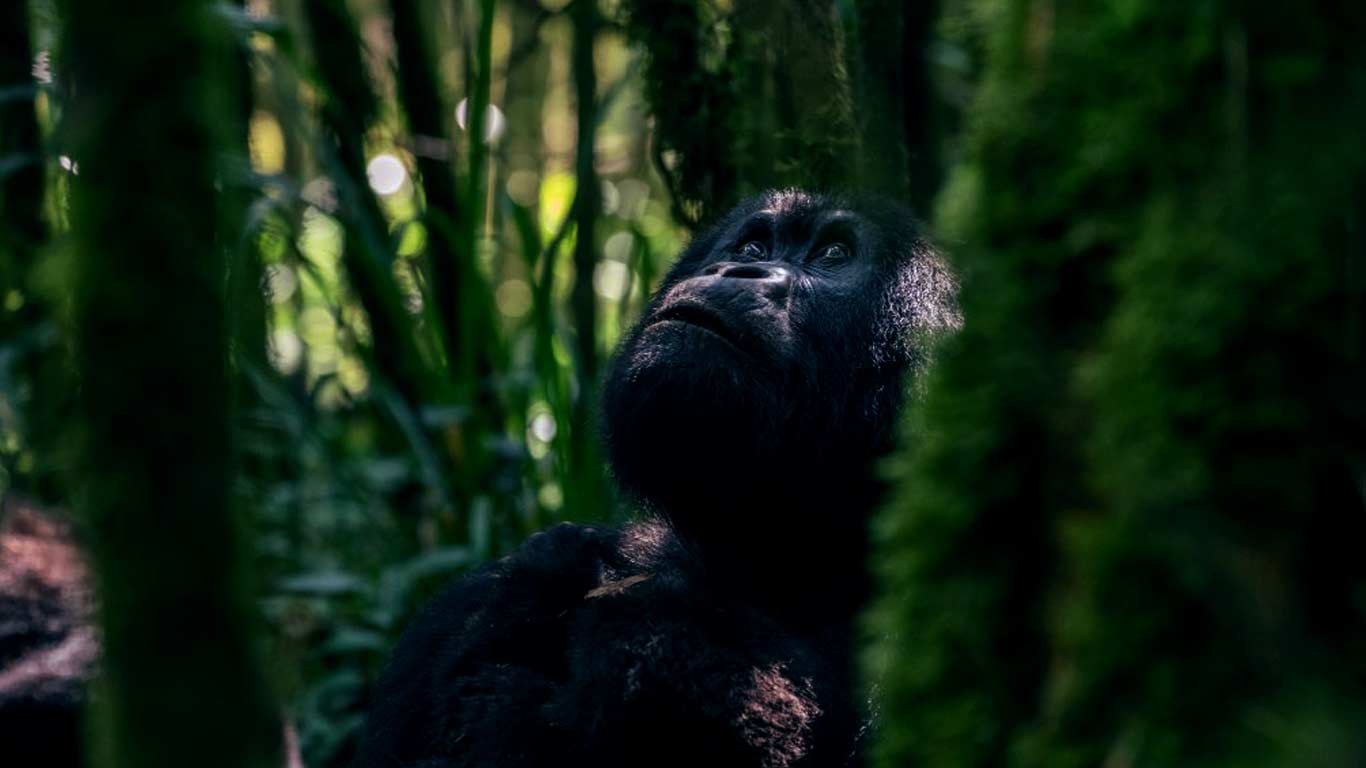
Bwindi Impenetrable National Park
An hour with the mountain gorillas of the ancient forest
- Famous for
- Nearly half the world's mountain gorillas
- Best time
- Jun – Sep & Dec – Feb
Kibale Forest National Park
The primate capital of the world
- Famous for
- 13 primate species — the primate capital of the world
- Best time
- Jun – Sep & Dec – Feb
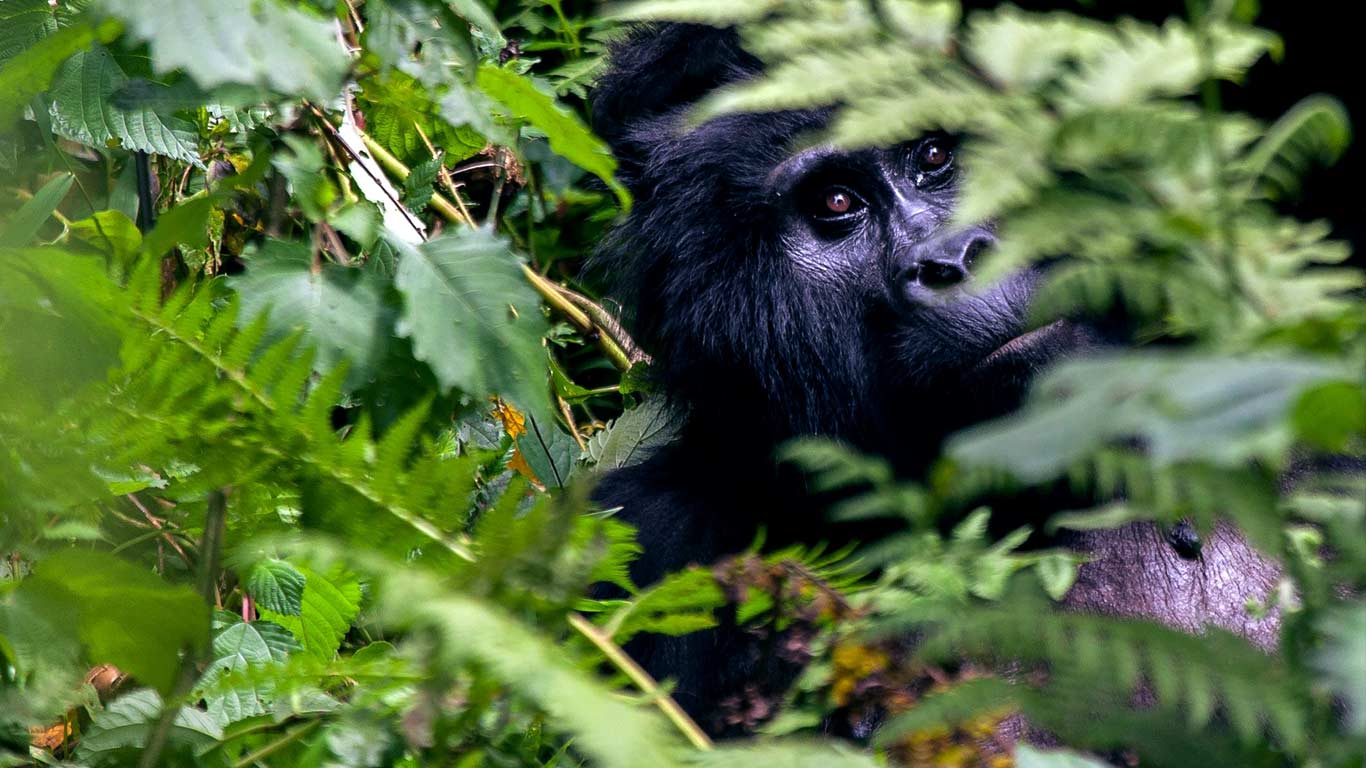
Queen Elizabeth National Park
Tree-climbing lions and the hippo-packed Kazinga Channel
- Famous for
- Ishasha's tree-climbing lions, Kazinga Channel cruises
- Best time
- Jun – Sep & Dec – Feb
Murchison Falls National Park
The Nile at its most powerful
- Famous for
- The Nile exploding through a seven-metre gorge
- Best time
- Dec – Feb & Jun – Sep
Know before you go
Planning Your Trek
We handle permits, transfers and lodges — you just need boots and a sense of wonder.
| Detail | What to know | Notes |
|---|---|---|
| Permit | Limited daily, booked months ahead | Included and arranged by us |
| Fitness | Moderate — treks run 2–6 hours | Porters available to help |
| Best time | Jun – Sep & Dec – Feb | Drier trails, clearer forest views |
| Time with gorillas | One strictly protected hour | Small groups, unforgettable |
The encounter
What Gorilla Trekking in Uganda Is Actually Like
There are roughly a thousand mountain gorillas left in the world, and about half of them live in Uganda — in Bwindi Impenetrable Forest and, in smaller numbers, in Mgahinga on the Virunga border. They exist nowhere in captivity. Every mountain gorilla alive is in one of these forests, which is why people fly across the world for a single hour in their company.
The day starts early. You gather at the park headquarters around seven for a briefing, are allocated to a gorilla family according to fitness, and set off with armed rangers and trackers who have been following your family since dawn. The forest earns its name — Bwindi is steep, tangled and often muddy, and the guides cut a path with machetes as you go. The trek can take one hour or eight. There is no way to know in advance.
Then the trackers stop, you leave your bags, and you walk the last few metres. A silverback sits in a shaft of light, three times your weight, entirely unbothered. Juveniles wrestle in the undergrowth. A mother nurses an infant a few metres away. You have exactly one hour, strictly timed, and every single person we have sent has said the same thing afterwards: it went too fast.
The essentials
Gorilla Trekking in Numbers
- ~500
- Gorillas in BwindiRoughly half the entire world population of mountain gorillas.
- 8
- People per familyThe strict daily maximum, which is why permits are limited and must be booked early.
- 1 hour
- Time with the familyTimed from the moment you make visual contact. Non-negotiable and rigorously enforced.
- 1 – 8 hrs
- Trek durationDepends entirely on where the family moved overnight. Nobody can predict it.
The day
How a Trekking Day Unfolds
-
1
07:00 — Briefing at headquarters
Passports and permits are checked, the rules are explained, and rangers assign you to a gorilla family based on your fitness and on where the families are that morning. Be honest about what you can manage.
-
2
07:45 — Hire a porter and set off
Porters cost very little, carry your daypack, and haul you up the steep sections by the arm when you need it. Many are former poachers now employed by the park. Hire one whether or not you think you need one.
-
3
08:00 — Into the forest
You follow trackers who have been with the family since first light and radio your guide with their position. There is rarely a path. Expect mud, steep ground, nettles and thick vegetation.
-
4
Midday — One hour with the gorillas
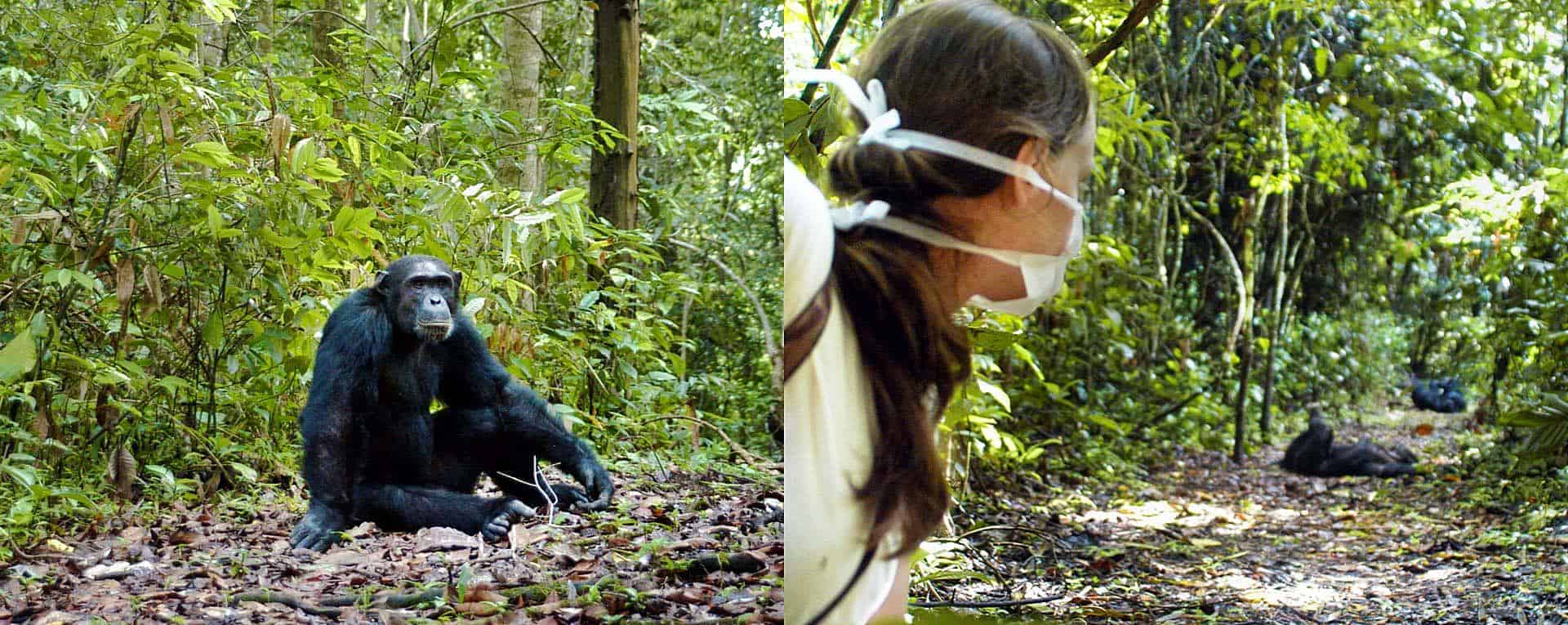
Bags down, masks on, seven metres back. You watch them feed, groom, play and sleep. Photography is allowed without flash. The hour is timed from first contact.
-
5
Afternoon — Back down and certificates
The return is usually faster than the climb. Back at headquarters you are given a signed trekking certificate, and most people spend the evening looking at their photographs in disbelief.
What to bring
Gorilla Trekking Packing List
- Waterproof hiking boots with proper ankle support, well broken in
- Gaiters and long trousers tucked into socks — fire ants are a real nuisance
- Gardening gloves for grabbing vegetation on steep, thorny ground
- A good rain jacket; Bwindi generates its own weather in every season
- A camera with a fast lens — the forest is dark and flash is forbidden
- Two litres of water and energy snacks for a trek that may run all day
- Insect repellent and a face mask, which is mandatory near the gorillas
- Your passport, checked against your permit at the morning briefing
Where you trek
The Four Sectors of Bwindi
Bwindi is not one place. Four separate trekking sectors sit around the edge of the forest, each with its own habituated families, its own lodges and its own character. Your permit is issued for a specific sector, which is why it has to be matched to your accommodation before anything is booked.
Buhoma (north)
The original and most developed sector, with the widest choice of lodges and the easiest road access from Queen Elizabeth National Park. Several habituated families, well-established trails and a strong community tourism programme in the village.
Ruhija (east)
The highest sector at around 2,350 metres, quieter than Buhoma and superb for birding — this is where the Albertine Rift endemics are found. Treks can be long, and the views across the forest from the ridge are the best in Bwindi.
Rushaga (south)
The largest number of habituated families of any sector, and the only place in Uganda offering the gorilla habituation experience — four hours with a semi-habituated family instead of one, for a considerably higher permit fee.
Nkuringo (south-west)
The most demanding sector, dropping steeply into the forest from a high ridge, with spectacular views toward the Virunga volcanoes. Fewer visitors, excellent lodges, and the toughest walking in the park — the climb back out is the hard part.
Trekking questions
Uganda Gorilla Trekking FAQs
Can I trek more than once?
Yes, and it is the single best upgrade most guests never consider. A second permit means a different family, different terrain and a completely different hour — and because you know what to expect, you spend the time watching rather than absorbing the shock. Many people find the second trek the more rewarding of the two. It requires an extra night in the sector and a second permit, both of which need booking well in advance.
What is the accommodation like near Bwindi?
Better and more varied than the remoteness suggests. Each of the four sectors has its own lodges, from simple community-run bandas through comfortable mid-range lodges with hot water and log fires, up to a handful of genuinely luxurious properties on the forest edge. Evenings are cool at 1,500 metres and above, so fires and hot water bottles are standard. Your lodge must sit in the same sector as your permit, which is why we book the two together.
What is the gorilla habituation experience?
Available only in the Rushaga sector of Bwindi, it gives you four hours with a semi-habituated family rather than the standard one, accompanied by the researchers and trackers doing the habituation work. Groups are limited to four people and the permit costs considerably more than a standard one. It is the most immersive great-ape experience available anywhere, and the family is less settled around humans, so the encounter is rawer and less predictable.
How many days do I need for gorilla trekking?
A minimum of three: one to reach the trekking sector, one to trek, and one to travel onward. Most guests build it into a longer Ugandan itinerary of eight to ten days including chimpanzees and savannah parks. If you want to trek twice — and many people do, because the second permit is the best money in the trip — allow four days in the Bwindi area. A spare day also protects you if weather or logistics go wrong.
How much does a Uganda gorilla permit cost?
Uganda Wildlife Authority permits cost considerably less than Rwanda's — historically around a third of the price — which is the single biggest reason budget-conscious trekkers choose Uganda over Rwanda for the same experience. Permits are capped at eight people per gorilla family per day and sell out months in advance for June to August and December to February. We secure permits when you book, and a permit is only confirmed once it has been paid in full.
How fit do I need to be?
Fitter than for most safari activities. Bwindi sits between 1,200 and 2,600 metres, the terrain is steep and slippery, and there is often no trail at all. If you can manage a strenuous four-hour hill walk in wet conditions, you will be fine. Rangers assign the easier families to those who ask for them, and porters make an enormous difference — several of our older guests have completed the trek comfortably with one.
Am I guaranteed to see gorillas?
Effectively yes. Success rates in Bwindi run at around ninety-nine percent, because trackers follow each habituated family from dawn and radio their position to the guides. On the very rare occasions a group fails to find their family, the Uganda Wildlife Authority will normally offer a free permit for another day, subject to availability. Plan a spare day in the region if you can — it removes all the pressure.
What are the rules when you reach them?
Stay seven metres back, though the gorillas themselves frequently ignore this and walk closer. Wear a face mask, keep your voice low, no flash photography, no eating or drinking near them, and do not go trekking if you have a cold or flu — gorillas share most of our DNA and are highly vulnerable to human respiratory infections. If a silverback displays, crouch, look down and do not run. Your guide will tell you exactly what to do.
Which is better: Bwindi or Mgahinga?
Bwindi, for almost everyone. It has far more habituated families, four separate trekking sectors, a much wider choice of lodges and higher success rates. Mgahinga has a single habituated family and treks are occasionally cancelled when it crosses into Rwanda or the Democratic Republic of Congo, but it is more open country, offers golden monkey tracking, and sees very few visitors. If you have one shot at this, book Bwindi.
Can I add chimpanzees and a safari?
This is the strongest argument for choosing Uganda. A ten-day itinerary can track chimpanzees in Kibale Forest, take the Kazinga Channel boat and game drives in Queen Elizabeth National Park, then finish with gorillas in Bwindi. No other country offers gorillas, chimpanzees and classic savannah wildlife in a single overland trip.
Speak to Our Team
We are based in Arusha and plan every trip ourselves. Tell us what you have in mind.


Sherwin Z
excellent experience
The magical African Great Migration trip was very well arranged by Lappet Faced. The accommodations were very comfortable, and some places even exceeded our expectations. The experienced guide took us to appreciate the various animals on the African grasslands and discovered various surprises, including lions, cheetahs, hunting dogs, elephants, giraffes, and even the spectacular wildebeest crossing the Mara River. They also took us to appreciate the local African culture. The whole trip left a deep impression on us. Thank you Lappet Faced for your service.
Huang / Mar 2026
I think they are very considerate. The service is very thorough.
Lappet Faced Safaris can customize the route reasonably according to our ideas, and the price is also reasonable and clear. Moreover, they can…
kiki C
The best safari experience
This is a perfect trip! My husband and I, along with two friends, Travel togetherMy guide Joseph was very professional, saw a lot of animals, and was enthusiastic and responsible every day, so I gave him five stars!Secondly, my hotels were all very beautiful, and we were very satisfied with our food and accommodation, and had a pleasant seven days.In addition, I think the boss is also very charming, serious and reliable, and I believe he is right.
Yue / Mar 2026
They are so warm and friendly, the safari tour is perfect and amazing
Lappet Faced Safaris was very reliable, and we had an incredible time in Tanzania during the Spring Festival holiday. Our guide, Noel, showed us…
TripAdvisor reviewer
很棒!
我们的向导noel非常棒,很认真负责,对我们的需求有求必应,在机场等我们两个小时值机完成登机后再离开,带我们看了所有的非洲五霸。体验感非常好
Liza / Mar 2026
Excellent, reliable tour operator with professional guides
I've been back from Tanzania for a while now, but I still can't stop thinking about this amazing trip. We were two families, seven people in…