
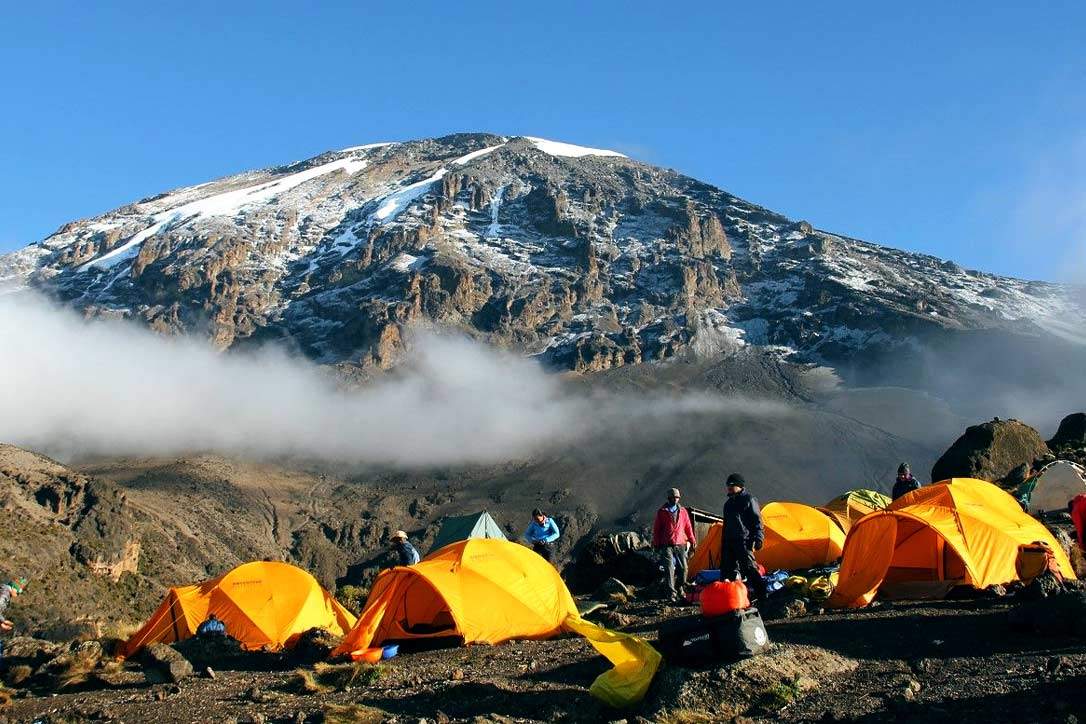
Kilimanjaro Climbing Routes
Mount Kilimanjaro can be climbed by six main routes, each approaching the mountain from a different side and each with its own pace of ascent, scenery and level of solitude. They differ in far more than length and price: every route has its own difficulty, its own crowds and its own way of helping — or not helping — your body adjust to the altitude. Choosing a route is one of the two most important decisions you will make about your climb. The other is choosing who climbs it with you.
There is no single best route. The right one for you depends on the time and budget you have, your fitness and hiking experience, the time of year you travel, and what you want the climb to feel like. This guide explains how the six routes differ, answers the questions climbers ask us most, and helps you narrow the choice down to the one or two routes that suit you.
 Marangu Route
6–7 days hike
Starting from
$1,800
per person
Read more
Machame Route
7–8 days hike
Starting from
$2,100
per person
Read more
Marangu Route
6–7 days hike
Starting from
$1,800
per person
Read more
Machame Route
7–8 days hike
Starting from
$2,100
per person
Read more
 Rongai Route
7 days hike
Starting from
$2,100
per person
Read more
Rongai Route
7 days hike
Starting from
$2,100
per person
Read more
 Shira Route
7 days hike
Starting from
$2,100
per person
Read more
Shira Route
7 days hike
Starting from
$2,100
per person
Read more
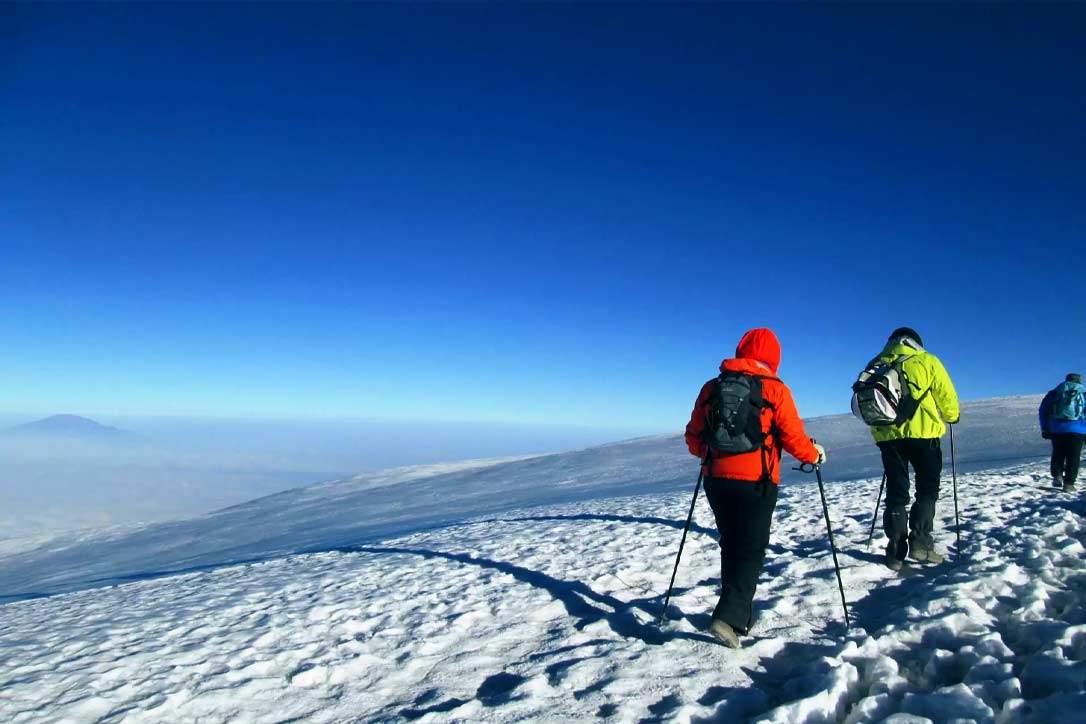 Lemosho Route
8 days hike
Starting from
$2,400
per person
Read more
Lemosho Route
8 days hike
Starting from
$2,400
per person
Read more
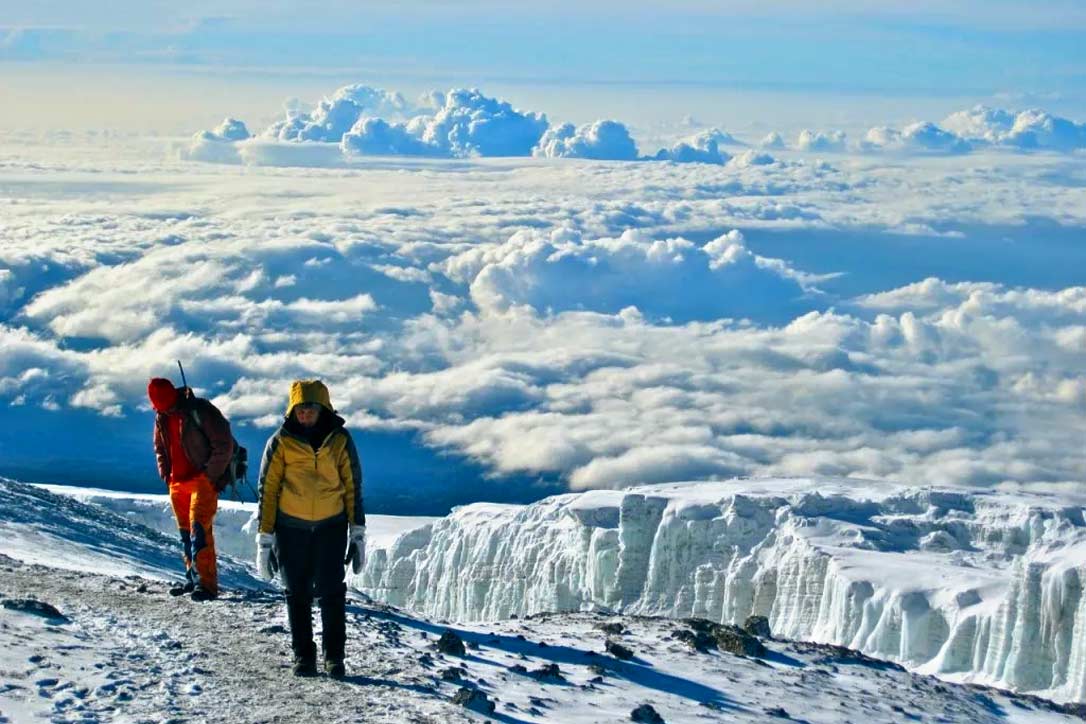 Umbwe Route
7 days hike
Starting from
$2,100
per person
Read more
Umbwe Route
7 days hike
Starting from
$2,100
per person
Read more
The Routes Side by Side
Most routes can be climbed over more than one itinerary. A day or two may not sound like much, but the extra time on the mountain gives your body longer to adjust to the altitude, and that is what gives you the better chance of reaching the summit. The table below shows the climbs we run on each route and how the routes compare.
| Route | Our climbs | You sleep in | How hard | Scenery | Crowds | Relative cost |
|---|---|---|---|---|---|---|
| Marangu | 6 days or 7 days | Huts | Gradual path, but a very hard summit push | The least variety | The busiest — same path up and down | Lowest |
| Machame | 7 days or 8 days | Tents | Strenuous and steeper, with the Barranco Wall scramble | Very varied | Busy | Moderate |
| Rongai | 7 days | Tents | The easiest: a steady, gradual climb | Quieter early on, spectacular later | Quiet | Higher — extra transport |
| Shira | 7 days | Tents | Starts above 3,500 m on day one | Shira Plateau, then as Machame | Less traffic | Higher — extra transport |
| Lemosho | 8 days | Tents | Long but steady | The most beautiful | Remote at first, then joins Machame | Highest |
| Umbwe | 7 days | Tents | The hardest: very steep and exposed | Spectacular | Joins Machame at Barranco Camp | Moderate |
What Are the Best Kilimanjaro Routes?
The honest answer is that it depends, because every route has its strengths and its drawbacks. Below are the questions climbers ask us most often.
Which Kilimanjaro route is the easiest?
The Rongai Route. It rises steadily, with no steep climbs and no major ups and downs, and its camps are spaced well: on the last day before the summit you climb only a few hundred metres, which leaves the whole afternoon to rest and acclimatise.
The Marangu Route has the same gentle profile and a reputation as the “easy” route, but that reputation is misleading. Its day before the summit is long, and a short Marangu itinerary gives your body little time to adjust to the altitude. On Kilimanjaro the real challenge is not the slope; it is the altitude.
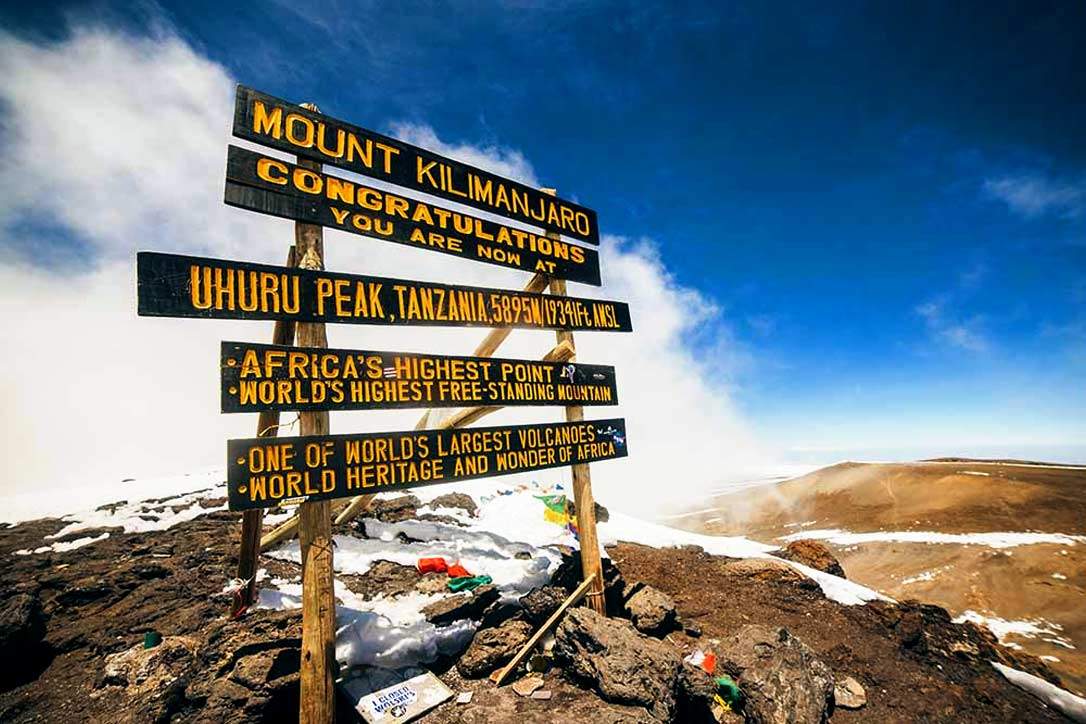
Which Kilimanjaro route is the most scenic?
The Lemosho Route is widely considered the most beautiful: its first two days run through remote rainforest, with good chances of seeing wildlife, before it joins the Machame Route. Machame itself is famous for its variety — the Shira Plateau, the Lava Tower and the Barranco Wall — and circles the main Kibo cone from the west around to the south. The Rongai Route starts more quietly but becomes spectacular later, with one of the most beautiful camps on the mountain beneath Mawenzi Peak.
Which Kilimanjaro route has the fewest crowds?
The Rongai Route, which approaches from the north and has fewer operators on it. The Shira Route has less traffic too, and the first days of the Lemosho and Umbwe routes are quiet before they join the Machame trail. Marangu, which uses the same path up and down, and Machame, the most popular route, are the busiest.
Which Kilimanjaro route is the hardest?
The Umbwe Route. It is not technical, but it is very direct, very steep and, in places, very exposed. It reaches Barranco Camp on its second night, where every other route arrives on its third or fourth — which shows just how steep it is.
Which Kilimanjaro routes should beginners avoid?
The shortest itineraries. A five-day Marangu climb or a six-day Machame climb does not give your body enough time to acclimatise, and many climbers on them have to turn back with altitude sickness. Beginners should also avoid the Umbwe Route, and should think carefully about the Shira Route if they will be flying into Tanzania the day before: its first day can take you above 3,500 metres without any time to adjust.
Good to know: whatever the route, the more time your itinerary gives you to acclimatise, the better your chances of standing on the summit. If you are unsure, add a day.
The Six Kilimanjaro Climbing Routes
Here is each route in more detail, with who it suits and the climbs we run on it.
The Marangu Route
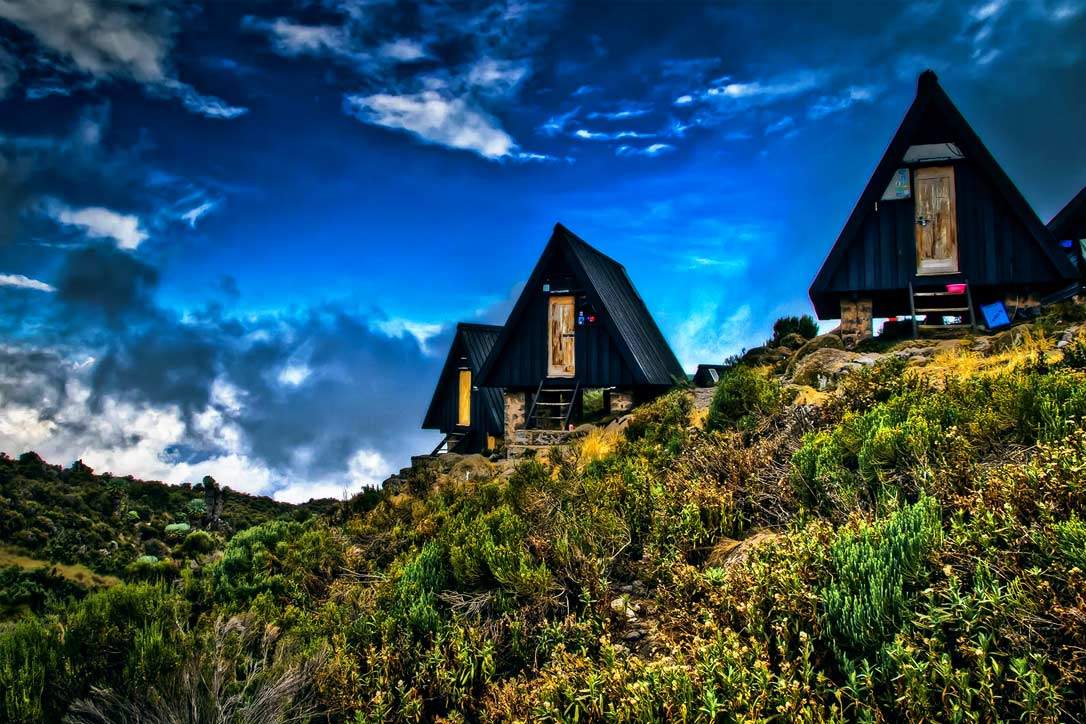
The Marangu Route is known on the mountain as the “Tourist Route” or the “Coca-Cola Route”. It is one of the most popular routes and the only one that uses the same path up and down, which makes it the most crowded trail on Kilimanjaro. The path is comfortable, with a steady, gradual slope until the last camp, and that has earned it a reputation as the “easy” route — so it attracts many climbers who arrive far less prepared than they should be.
Marangu is the only route with hut accommodation, and camping is not allowed on it. The huts sell soft drinks, bottled water and snacks, which is where the Coca-Cola name comes from. Do not expect comfort: you get a mattress and a pillow on a bunk bed, no linen, and meals in a busy shared dining hall. Because there is no camping equipment to carry, and the route can be climbed in as little as five days, Marangu is also the cheapest route — and a favourite of budget operators.
Make no mistake, though: it is a serious climb, and its summit success is low compared with the longer routes. A five-day climb leaves too little time to acclimatise, and the day before the summit is long — you gain around 1,000 metres, have little time to recover, then set off around midnight to climb another 1,200 metres. That is why our Marangu climbs run for six or seven days.
- Choose it if you would rather sleep in a hut than a tent, or cost is your main consideration.
- Think twice if you want varied scenery, quiet trails, or the shortest possible itinerary.
The Machame Route
Machame is nicknamed the “Whiskey Route” — a nod to Marangu’s Coca-Cola name, and a hint that it is the tougher of the two. It is the most popular route on Kilimanjaro, and it gives you a much better chance of reaching the summit than Marangu, especially on the seven-day version. The six-day version leaves very little time before the summit attempt, so we run Machame over seven or eight days.
The route is not technical, but it is strenuous: steeper than Marangu, with many ups and downs across valleys and ridges, and camping every night. The Barranco Wall is a very steep climb of around an hour and a half that occasionally needs your hands for balance — it looks far harder than it actually is. The reward is spectacular scenery: the Shira Plateau, the Lava Tower, the Barranco Wall and a circuit of the Kibo cone before you descend on the Mweka Route. The downside of that popularity is a crowded trail.
- Choose it if you are confident hiking difficult terrain for several days, like camping, and want superb scenery at a moderate price.
- Think twice if you want quiet trails, or are unsure how you will cope with steep days back to back.
The Rongai Route
Rongai is the route for climbers who want an easier ascent, a quieter trail and a real sense of wilderness. It is the only route that approaches Kilimanjaro from the north, and you descend on the Marangu Route in the south-east, so you see both sides of the mountain. The extra transport to the northern trailhead makes it more expensive, and there are fewer budget operators on it.
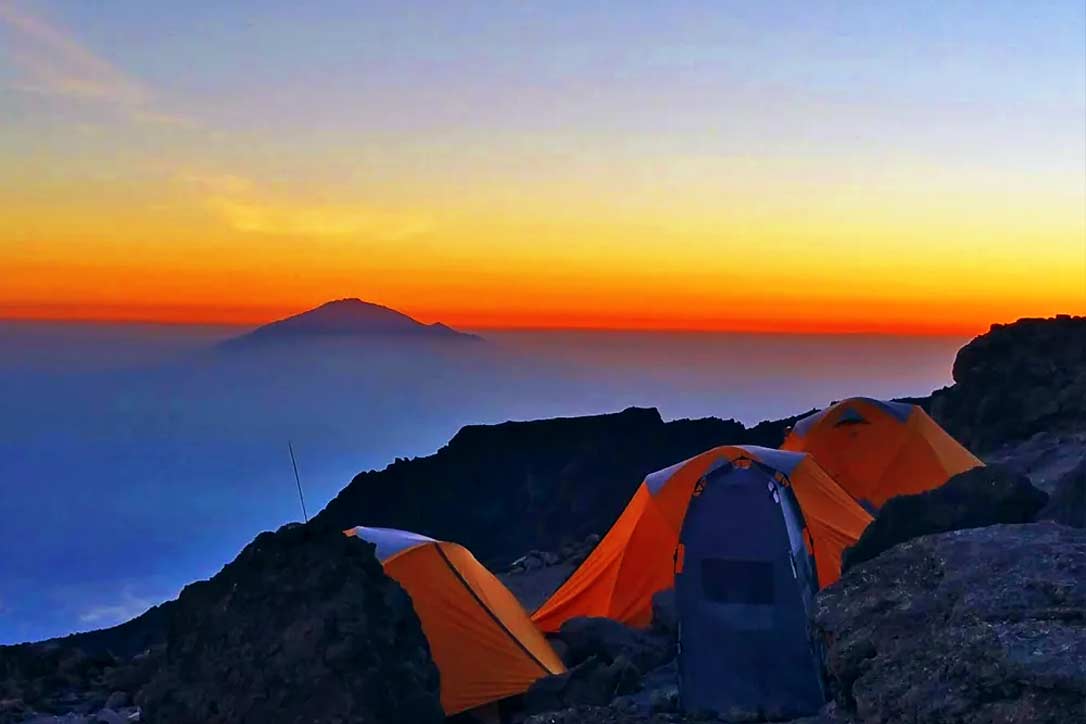
Its early days are less scenic than Machame, but the route becomes spectacular later, and the camp beneath Mawenzi Peak is one of the finest on the mountain. You may still see wildlife here. The climb rises gently, the camps are well spaced, and the northern side of Kilimanjaro is much drier than the south — so your chances of staying dry on the first days are excellent, which makes Rongai a sensible choice in the wetter months. Our 7-day Rongai climb has the details.
- Choose it if you want the gentlest climb, away from the crowds, or you are travelling in a wetter season.
- Think twice if the lowest possible price matters most.
The Shira Route
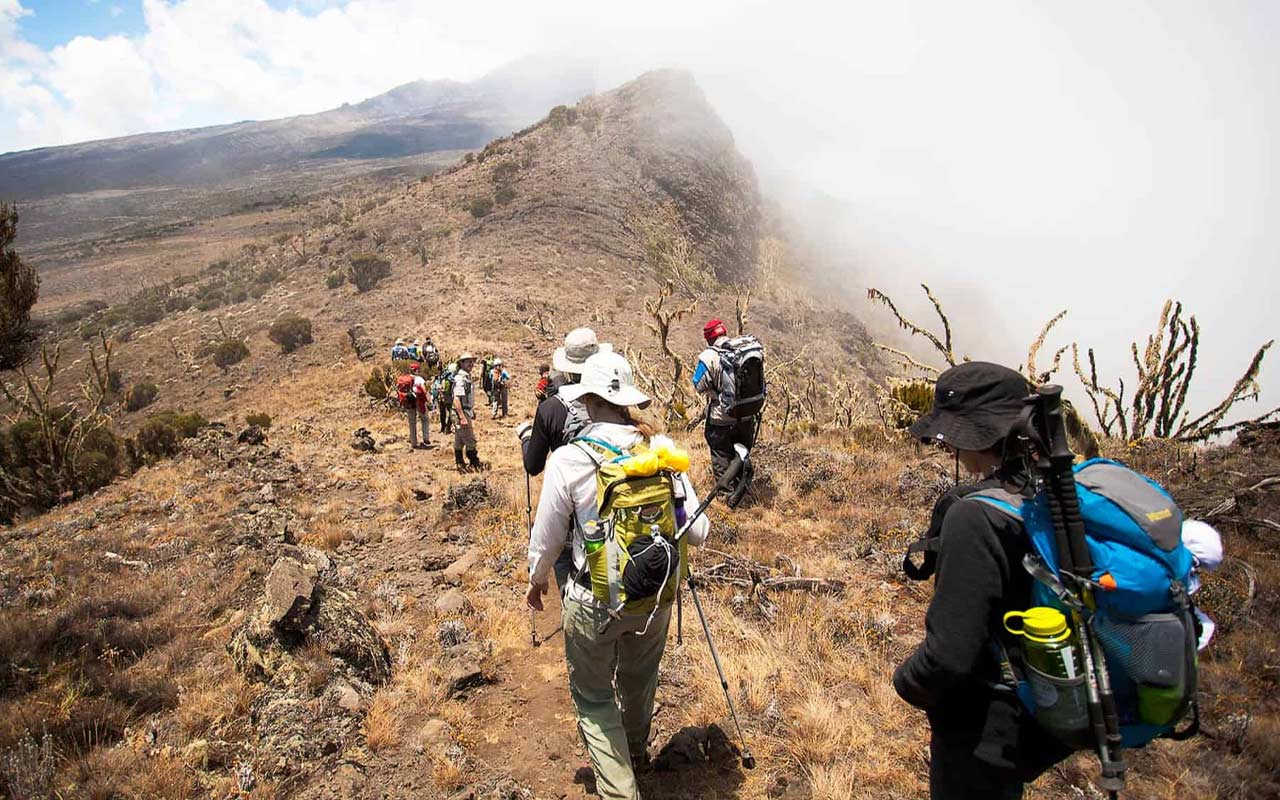
Shira approaches Kilimanjaro from the west and then joins the Machame Route, so much of what applies to Machame applies here too. It can be climbed in six days, but longer versions are common, and a good operator staggers its camps to avoid the heaviest traffic on the Machame trail. The extra transport to the trailhead makes it one of the more expensive options.
Its first day is unlike any other route: a four-wheel-drive track, which you either walk or drive as far as you can. Driving skips the rainforest and takes you above 3,500 metres (11,500 feet) with no chance to acclimatise — hard on anyone who flew in from sea level the day before. With a night at Karanga Valley, which makes for a short, easy day before the summit attempt, Shira has excellent summit success. See our 7-day Shira climb.
- Choose it if you are a confident hiker and camper who wants the Machame scenery with less traffic.
- Think twice if you are unsure how your body reacts to altitude, or you are flying in the day before you start.
The Lemosho Route
Like Shira, Lemosho approaches from the west and joins the Machame Route. What sets it apart is its beginning: two days through beautiful, very remote rainforest, with good chances of seeing wildlife, starting at the Lemosho Glades. It is usually a trek of seven or eight days, with many variations, and a good operator times its departures and staggers its camps to avoid the busiest stretches of the Machame trail.
The length, the remoteness and the extra transport make Lemosho expensive, and there are no budget operators on it. But the longer itinerary gives your body more time to adjust to the altitude, and together with the standard of the operators who run it, that makes for excellent summit success — which is why it has become so popular. Our 8-day Lemosho climb gives you that extra time on the mountain.
- Choose it if you want a superb wilderness experience and the best scenery on the mountain, and cost is not your main consideration.
- Think twice if you are working to a tight budget or a short holiday.
The Umbwe Route
Umbwe is the most difficult and demanding route on Kilimanjaro: not technical, but very direct, very steep, very tough and, in places, very exposed. On the first day, parts of the trail are so steep that tree roots serve as steps and handholds. The second day is steep and uphill all the way along an exposed ridge — one landmark here is called Rope Rock, Jiwe Kamba — before the route joins Machame near Barranco Camp.
Do not consider Umbwe unless you have experience climbing mountains. Having said that, it is a spectacular route. Our 7-day Umbwe climb has the day-by-day plan.
- Choose it if you are an experienced mountain walker, comfortable with steep, exposed ground.
- Think twice if this is your first high-altitude climb, or you are nervous of heights.
How to Choose the Perfect Route for Your Climb
Start by imagining what you want your Kilimanjaro climb to be. A photographer looking for the most scenic trail, an experienced walker after a real challenge and a first-time climber hoping for the gentlest ascent will all choose differently. Work through the questions below, cross off the routes that do not fit, and you will usually be left with one or two.
1. Do you want the gentlest acclimatisation?
Altitude, not the steepness of the trail, is what stops most climbers. Choose an itinerary that gives you time to adjust.
Best routes for gradual acclimatisation:
2. Do you want to sleep in tents or huts?
Marangu is the only route with huts. If a bed under a roof is a deal-breaker for you, the decision is made. Every other route camps.
Routes with hut accommodation:
Routes where you camp: Machame, Rongai, Shira, Lemosho and Umbwe.
3. Are you climbing in a wetter season?
The northern side of Kilimanjaro is much drier than the south, so a route that starts in the north gives you the best chance of staying dry in the first days.
Best route for the wetter months:
4. Do you want the best views?
The western and southern routes cross the widest range of landscapes, from rainforest to the Shira Plateau and the Barranco Wall. The northern Rongai Route is quieter to begin with but beautiful in its later days. Marangu, which comes down the same path it goes up, offers the least variety.
Most scenic routes:
5. Do you have trekking or high-altitude experience?
Previous trekking experience improves your chances on any route. First-time climbers do best on the gentler routes and the longer itineraries; experienced mountain walkers can take on the steepest one.
Best routes for first-time climbers:
For experienced climbers:
6. How much time and budget do you have?
If you are short on time or money, a shorter itinerary is tempting, but it gives you less time to acclimatise and a lower chance of reaching the summit. Marangu is the least expensive route; Rongai and Shira cost more because of the transport to their trailheads; Lemosho, the longest and most remote, costs the most.
Routes by budget:
- Lower cost: Marangu, 6 days
- Moderate: Machame, 7 days
- Higher: Rongai, Shira and Lemosho
Final Words
We hope this guide has helped you understand how Kilimanjaro’s routes differ and which one suits the climb you have in mind. Still unsure? Tell us about your fitness, your dates and your hiking experience, and our Arusha team will help you choose. You can also compare every climb we run on our Kilimanjaro climbing page.