
Tanzania Culture & Traditional Experiences
Over 120 ethnic groups · Visited properly
Tanzania is more than its parks. A morning with the Hadzabe or an afternoon in a Chagga village changes what the rest of the trip means — provided the visit is arranged as a visit and not a performance.
- Over 120 ethnic groups
- Maasai, Hadzabe, Chagga, Swahili and more
- Added to any safari as a half or full day
Overview
Who You Can Meet
Cultural experiences in Tanzania — the Maasai, the Hadzabe, the Chagga and the Swahili coast, visited properly as part of a safari planned in Arusha.
The Maasai
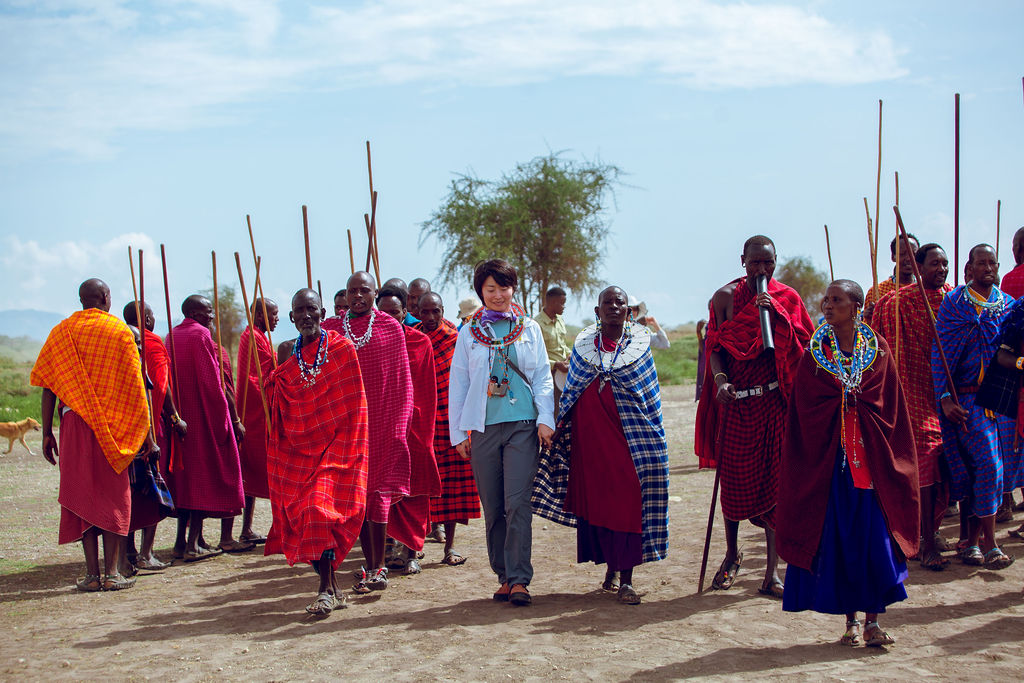
Pastoralists of the northern rangelands, and the most recognisable culture in the country — beadwork, cattle and the highlands around Ngorongoro.
The Hadzabe
Hunter-gatherers near Lake Eyasi, one of the last such communities in Africa, still living substantially as they always have.
The Chagga
Farmers of Kilimanjaro's southern slopes — coffee, banana groves and the irrigation furrows that made the mountain habitable.
The Swahili coast
Centuries of Arab, Persian, Indian and African exchange, still legible in Stone Town's doors, food and language.
2 itineraries
Safaris With Culture Built In
Start with one of these, or tell us what you have in mind and we will build the route from scratch.
Show all tripsTalk to us
Tell us what interests you
Say which communities you want to meet and how much of the trip you want to give them, and we will build those days into the route.
or call us on +255 755 625 994
“Driving an off-road vehicle bumpily on the vast grassland, the dust raised seems to be a filter of time, instantly pulling people back to the…”
At a glance
Fitting Culture Into a Safari
None of these need a separate trip. They sit on the route you are already driving.
| Half day | Full day | |
|---|---|---|
| Near Arusha | Mto wa Mbu village walk | Village walk with a Maasai boma |
| Near Ngorongoro | A Maasai boma on the crater rim | Boma visit plus the Lake Eyasi road |
| Near Lake Eyasi | Hadzabe morning | Hadzabe morning and Datoga blacksmiths |
| On Kilimanjaro | Chagga coffee farm | Coffee farm, waterfall and village lunch |
The full story
Culture Experiences in Tanzania
Tanzania is more than just stunning safaris and breathtaking mountains—it’s a living museum of culture and tradition. With over 120 ethnic groups, this East African nation is a vibrant mosaic of customs, languages, and unique ways of life. From the iconic Maasai warriors to the ancient Hadzabe hunter-gatherers, each community offers a glimpse into centuries-old practices that continue to thrive in modern times.
Tanzania culture and traditional experiences are deeply rooted in community, history, and nature, creating a unique connection between its people and the land. Travelers have the opportunity to immerse themselves in this rich heritage, exploring a world where ancient traditions blend seamlessly with contemporary life. From rhythmic dances to traditional crafts, and from flavorful Swahili cuisine to age-old ceremonies, Tanzania invites visitors to uncover its fascinating cultural treasures.
The Maasai People
An Icon of Tanzania Culture
When you think of Tanzania culture, the image of the Maasai often comes to mind. This semi-nomadic group, famous for their striking red attire and beaded jewelry, represents the spirit of resilience and tradition.
- Traditions: The Maasai are cattle herders, and livestock plays a central role in their rituals and diet. They hold elaborate ceremonies like the Eunoto, which celebrates young men becoming warriors.
- Traditional Experiences: Visitors can participate in cultural tours to witness the adumu (jumping dance), learn beadwork, and hear captivating oral histories.
- Distinct Clothing: Their brightly colored shukas and intricate beadwork are not just for aesthetics; they reflect status and identity.
The Hadzabe Tribe
Ancient Hunter-Gatherers
The Hadzabe are one of the last hunter-gatherer tribes in the world, living in harmony with nature near Lake Eyasi. Experiencing their way of life offers an authentic glimpse into human history.
- Cultural Practices: They hunt with handmade bows and gather roots, berries, and honey. Their lifestyle is a testament to survival skills honed over millennia.
- Traditional Experiences: Tourists can join the Hadzabe for a day, hunting alongside them and learning about their click-based language.
- Connection to Nature: The Hadzabe’s deep knowledge of flora and fauna highlights their intrinsic bond with the land.
The Swahili Coast People
A Blend of Cultures
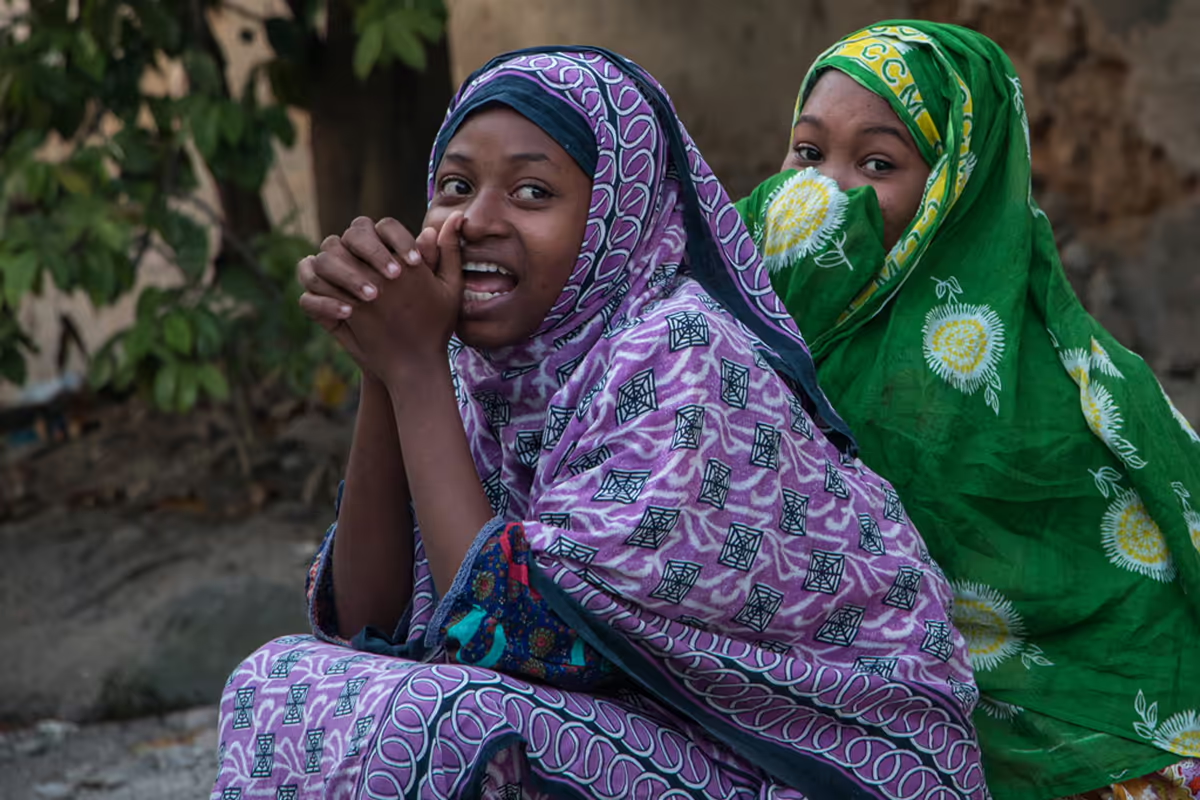
The Swahili Coast embodies the fusion of African, Arab, and Indian influences, creating one of Tanzania’s most vibrant cultural hubs.
- Tanzania Culture at the Coast: The Swahili people are renowned for their hospitality, welcoming travelers with open arms and the cheerful greeting, “Karibu!”
- Cuisine: Dishes like pilau (spiced rice), ugali (cornmeal porridge), and fresh seafood reflect centuries of trade and cultural exchange.
- Music and Dance: Taarab music, a blend of African rhythms and Arabic melodies, is a cultural treasure of the coastal region.
- Traditional Experiences: Zanzibar’s Stone Town offers a peek into Swahili heritage through its historic architecture, bustling spice markets, and dhow boat trips.
The Chagga Tribe
Guardians of Kilimanjaro
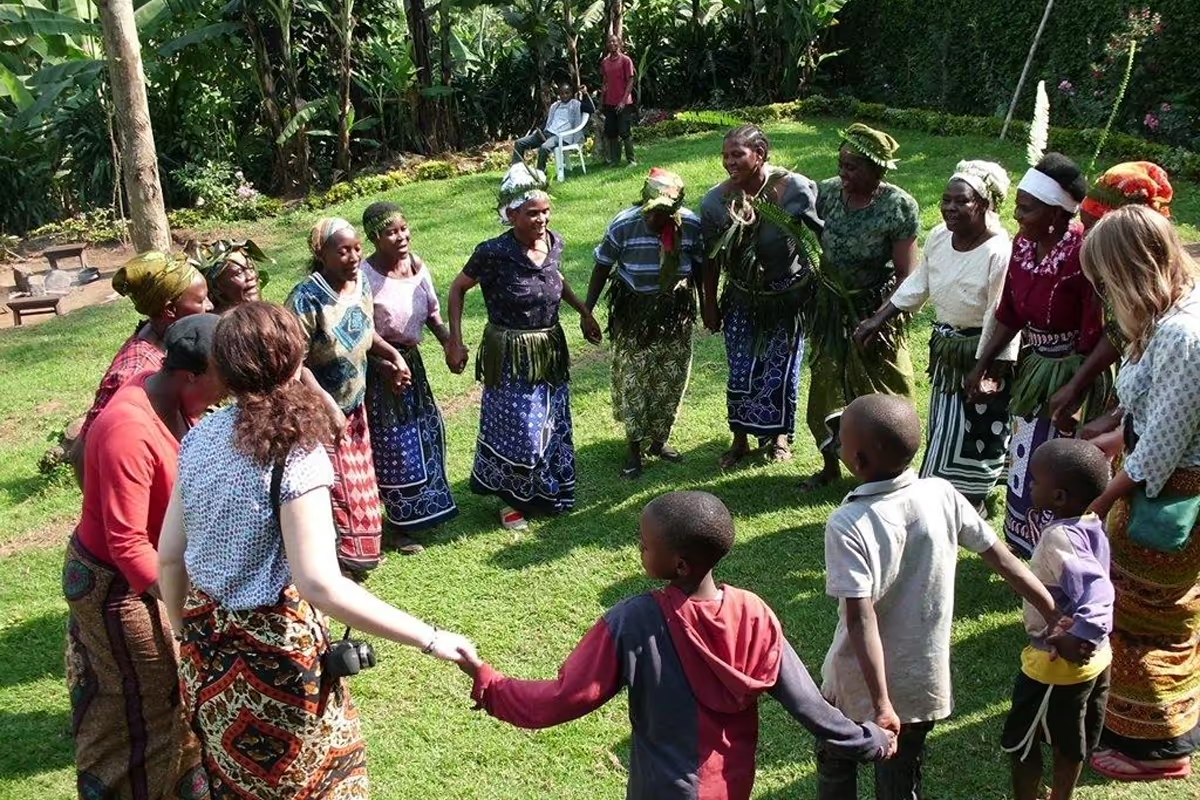
Nestled on the fertile slopes of Mount Kilimanjaro, the Chagga people have thrived for centuries by mastering agriculture.
- Cultural Practices: The Chagga use intricate irrigation systems to cultivate bananas and coffee, which are vital to their economy and culture.
- Traditional Cuisine: Mbege, their traditional banana beer, is a must-try for those exploring Chagga traditions.
- Traditional Experiences: Visitors can explore Chagga villages, hike through lush plantations, and enjoy storytelling sessions about Kilimanjaro’s myths and legends.
The Sukuma Tribe
Tanzania’s Largest Ethnic Group
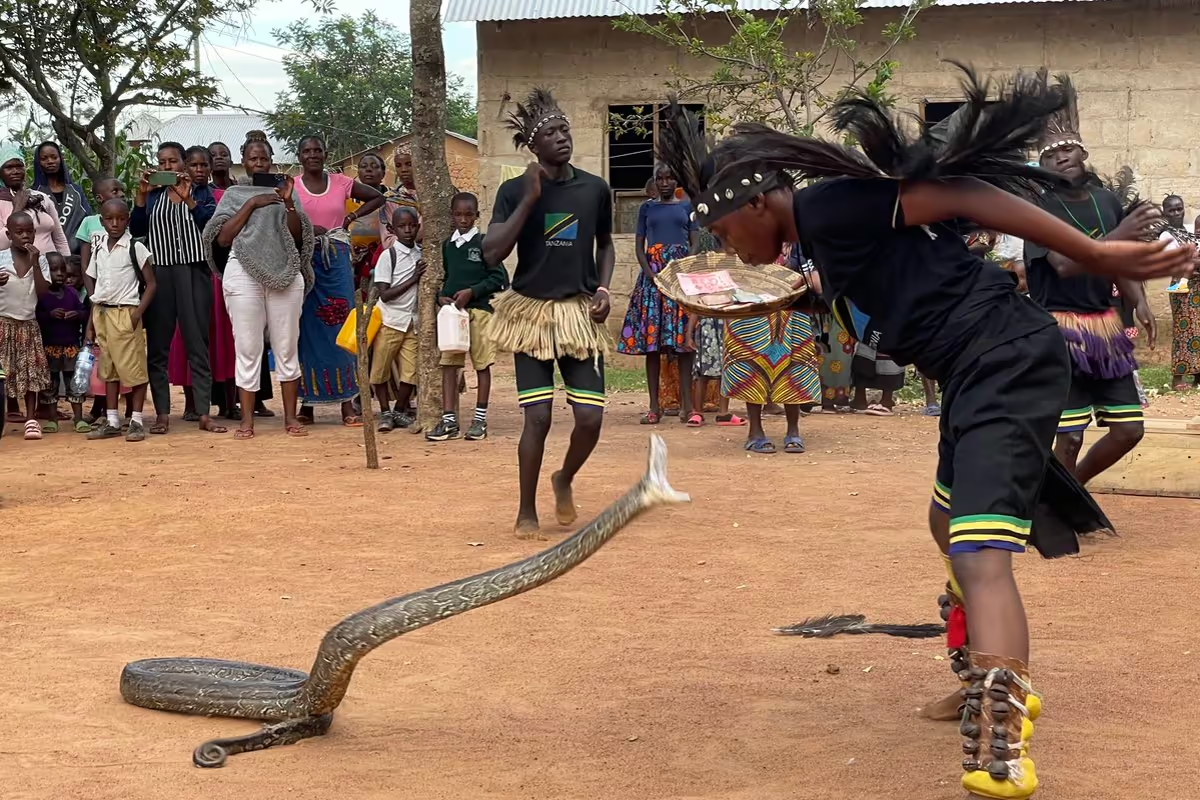
The Sukuma, the largest ethnic group in Tanzania, are deeply rooted in agriculture, art, and storytelling.
- Dance and Art: Sukuma dances often feature dramatic props like giant snakes and masks, used to entertain and teach moral lessons.
- Farming Practices: Known for their agricultural prowess, the Sukuma grow staple crops like millet and maize.
- Traditional Experiences: Guests can attend Sukuma festivals to experience their vibrant dances and storytelling firsthand.
The Iraqw Tribe
A Unique Highland Culture
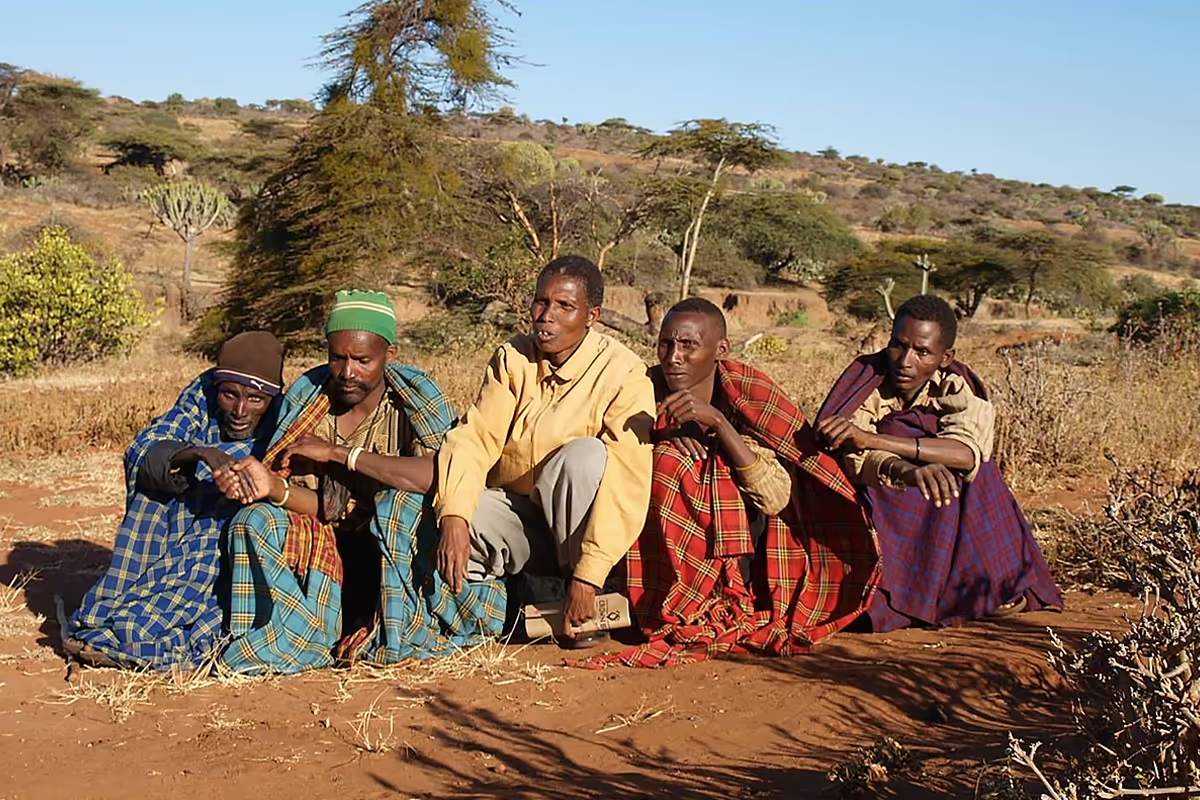
The Iraqw people, residing near the Great Rift Valley, have a culture shaped by their environment.
- Traditional Housing: Known for their underground houses, the Iraqw build homes that offer protection from extreme weather.
- Farming Culture: They are skilled farmers, growing crops like barley and millet while raising livestock.
- Traditional Experiences: Visitors can explore Iraqw homesteads and learn about their distinctive architecture and sustainable farming techniques.
Shared Cultural Elements Across Tanzania
While Tanzania’s ethnic groups have unique traditions, certain cultural elements unite the nation:
- Swahili Language: Swahili is Tanzania’s national language, connecting communities across the country.
- Hospitality: Tanzanians are famously welcoming, often inviting travelers to join meals or celebrations.
- Festivals: National celebrations like Uhuru Day (Independence Day) and local festivals such as the Mwaka Kogwa in Zanzibar are perfect opportunities to experience Tanzania culture and traditional practices.
Top Tanzania Traditional Experiences to Try
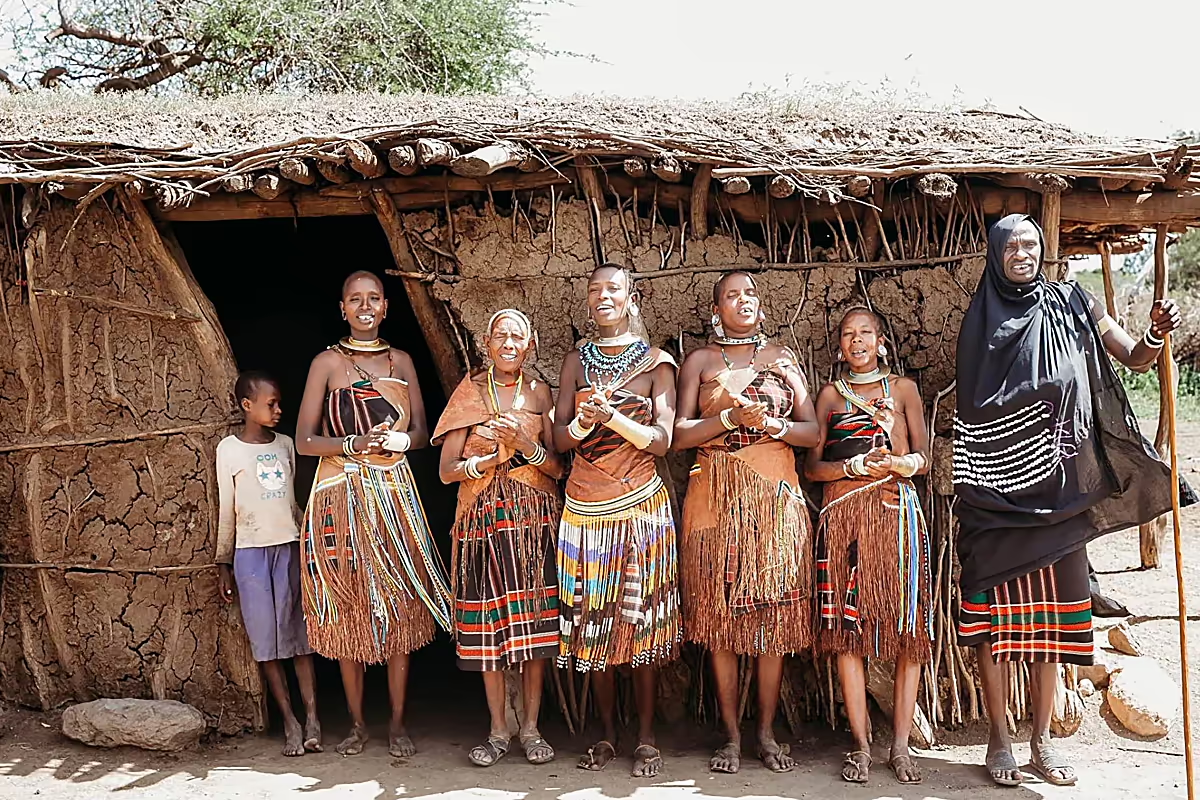
If you’re planning a trip to Tanzania, here are some must-try cultural activities:
- Join a Maasai warrior dance and learn about their rites of passage.
- Spend a day with the Hadzabe, hunting and gathering alongside them.
- Explore Zanzibar’s Stone Town and indulge in Swahili cuisine.
- Sample Chagga mbege beer after touring Kilimanjaro coffee plantations.
- Attend a Sukuma dance performance featuring their famous storytelling props.
- Visit a local market to shop for traditional fabrics and handcrafted jewelry.
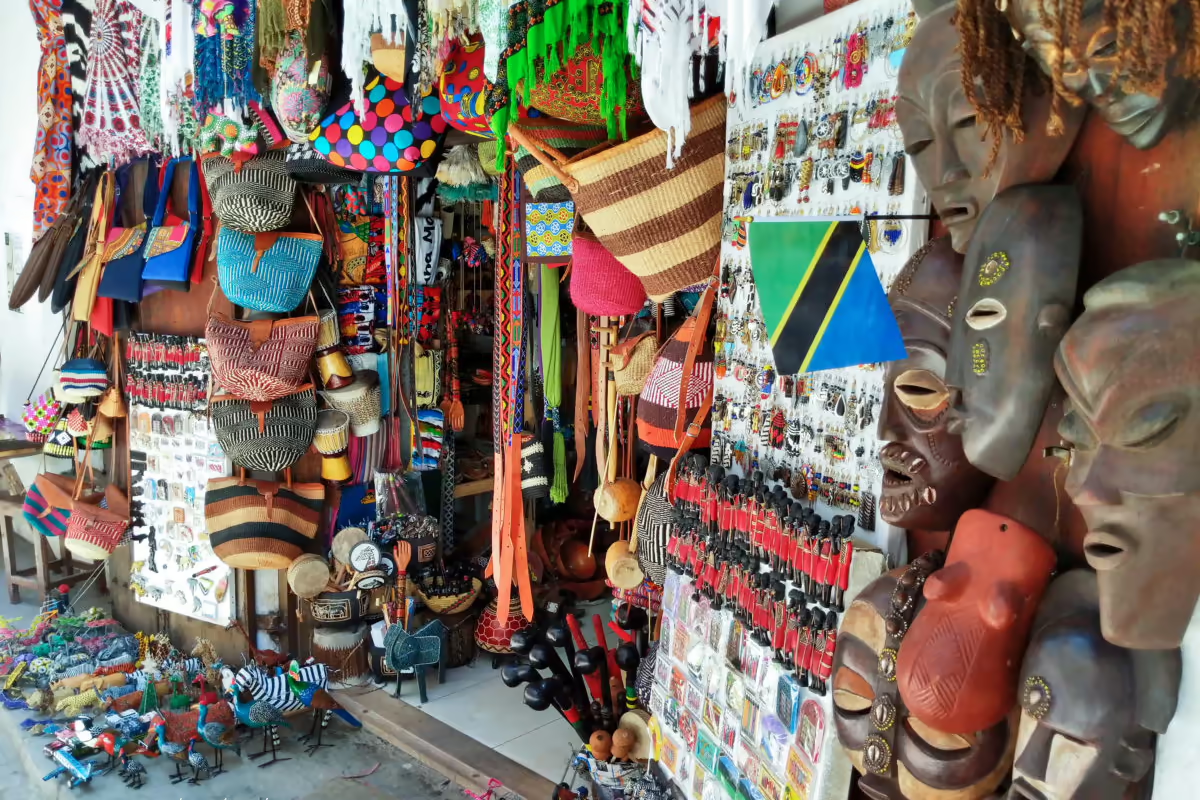
People
Meeting Tanzania, Not Just Watching It
Tanzania has more than 120 ethnic groups and a national culture that has held them together peacefully since independence — an achievement worth understanding rather than driving past. The wildlife is why most people come. The people are what a surprising number remember longest.
Cultural tourism in East Africa has an uncomfortable reputation, and it is largely deserved. Too many village visits are staged performances where visitors are herded through a dance, pointed at a craft stall and driven away forty minutes later, with very little of the money staying in the village. We do not book those.
What we do book are visits arranged directly with communities on their terms, where the fee is agreed with the village, where you are there long enough to have an actual conversation, and where the day is built around something real — walking with Hadzabe hunters at dawn, working a Datoga forge, cooking with a family, learning what the Maasai boma actually is and how it works. It is slower and it is less photogenic. It is also the difference between meeting people and looking at them.
The experiences
Cultural Experiences Worth Your Time
A morning with the Hadzabe
Near Lake Eyasi, one of the last hunter-gatherer peoples in Africa, speaking a click language unrelated to any other. You leave before dawn and go hunting with them — genuinely, not as a demonstration. Confronting, humbling and unlike anything else in East Africa.
The Datoga blacksmiths
Neighbours of the Hadzabe, working brass and iron into arrowheads and jewellery in open-air forges using goatskin bellows. A short visit, usually combined with the Hadzabe morning, and the craft is real rather than staged.
A Maasai boma, properly visited
Not the forty-minute dance-and-souvenir version. Arranged well, you spend half a day understanding how a boma is built and organised, how livestock underpins everything, what the age-set system means, and how life is changing for younger Maasai.
Olduvai Gorge
Between Ngorongoro and the Serengeti, where the Leakeys uncovered some of the oldest evidence of human ancestry. A small museum and a short talk on the rim turn a transfer day into the deepest history on the itinerary.
Coffee farms around Arusha
The slopes of Meru grow excellent arabica, and a farm morning takes you from picking through pulping, drying and roasting to a cup at the end. Easy, genuinely interesting, and a good first day while you shake off the flight.
Stone Town, Zanzibar
A thousand years of Swahili, Omani, Persian and Indian history in a working town rather than a museum — the old slave market, the carved doors, the spice trade, and the Forodhani night market where the whole city comes to eat.
Read moreDoing it well
How to Be a Good Visitor
Cultural visits go well or badly depending almost entirely on the visitor's approach. These are the things that make the difference.
- Ask before photographing anyone, every time, and accept no for an answer
- Dress modestly — covered shoulders and knees, particularly in Muslim coastal areas
- Learn a few words of Swahili; jambo, asante and karibu are genuinely appreciated
- Buy crafts directly from the maker rather than from a roadside middleman
- Do not give sweets or money to children; it teaches begging and undermines schools
- Ask questions rather than taking photographs — people are usually glad to be asked
- Allow half a day rather than an hour, so the visit stops being a performance
- Check with us that the community is paid directly and fairly for your visit
Cultural questions
Cultural Tourism FAQs
Are cultural visits authentic or staged?
Both exist, and the difference matters. A great deal of what is sold as cultural tourism in northern Tanzania is a staged forty-minute performance with a souvenir stall at the end and very little money reaching the community. What we book instead are longer visits arranged directly with the village, at a fee agreed with them, where there is time for actual conversation. It is less polished and considerably more interesting. If you want the short version, we will tell you honestly that it is the short version.
Which cultural experience should we choose if we only have one day?
The Hadzabe and Datoga morning near Lake Eyasi, if you can spare the early start and the detour from Karatu. It is the most genuinely different thing available on the northern circuit and nothing else comes close for sheer contrast with everyday life. If the schedule will not stretch that far, Olduvai Gorge costs almost nothing in time because it sits directly on the road between Ngorongoro and the Serengeti, and a coffee farm morning outside Arusha is the easiest and most relaxed option of all.
Does my money actually reach the community?
It should, and it is a fair thing to ask. We work with communities and cultural tourism programmes that publish how fees are split, typically between the households you visit and a village development fund for schools, water or health projects. Buying crafts directly from the person who made them is the most reliable way to put money into the right hands. Where we cannot verify how a fee is distributed, we do not sell the visit.
What should I wear and how should I behave?
Dress modestly — shoulders and knees covered, and more conservatively on the coast, which is predominantly Muslim. Greet people before asking anything; the greeting is important in Tanzanian culture and skipping it reads as rude. Always ask before photographing a person. Accept tea or food if it is offered. And do not hand out sweets, pens or money to children, however well meant — it undermines schools and teaches begging, and every community programme in the country asks visitors not to.
Can cultural visits be combined with a safari?
Easily, and most of them sit directly on the northern circuit. Olduvai Gorge is on the road between Ngorongoro and the Serengeti. Lake Eyasi, for the Hadzabe and Datoga, is a short detour from Karatu. Maasai communities live throughout the Ngorongoro Conservation Area. Coffee farms are on the edge of Arusha, ideal for your arrival day. Adding one or two costs a half day each and changes the texture of the whole trip.
Is it appropriate to take photographs?
With permission, yes, and permission should be asked each time rather than assumed once. Some people will decline, some will ask for a small payment, and both responses are entirely reasonable — you are photographing someone's home and family, not scenery. Never photograph inside a house without being invited to, and be particularly careful with children. The best photographs from these visits almost always come after an hour of conversation rather than in the first five minutes.


Celene / Jun 2026
Professional in planning a safari tour, perfect guide, excellent service
They will provide clear breakdown for you to know all the costs. Smooth communication with Ding and Francisco, and they respond so quickly! Our…
Nonlone
Very Wonderful Safari Trip
Lappet Faced Safari left a very good impression on me about Safari. When discussing the itinerary, Francisco responded very promptly and provided a lot of useful suggestions; during the entire trip, there were no extra costs or extra services. During this trip, we are very grateful to our guide Mike, who worked tirelessly to help us find animals and introduced various animal knowledge, making us have a very enjoyable trip; we also booked a ride from Arusha to Kilimanjaro For the airport shuttle bus, thank you to Noel for his superb driving skills; and thank you to Francisco for helping us book a fruit lunchbox in advance so that we did not go hungry. We were very satisfied with this trip.
George / Apr 2026
Abundant wildlife, excellent guides, a perfect trip
Overall, it was a perfect trip. First, the vehicle was in excellent condition, better than any other vehicles we saw along the way. Second, our…
Sherwin Z
excellent experience
The magical African Great Migration trip was very well arranged by Lappet Faced. The accommodations were very comfortable, and some places even exceeded our expectations. The experienced guide took us to appreciate the various animals on the African grasslands and discovered various surprises, including lions, cheetahs, hunting dogs, elephants, giraffes, and even the spectacular wildebeest crossing the Mara River. They also took us to appreciate the local African culture. The whole trip left a deep impression on us. Thank you Lappet Faced for your service.
Huang / Mar 2026
I think they are very considerate. The service is very thorough.
Lappet Faced Safaris can customize the route reasonably according to our ideas, and the price is also reasonable and clear. Moreover, they can…
kiki C
The best safari experience
This is a perfect trip! My husband and I, along with two friends, Travel togetherMy guide Joseph was very professional, saw a lot of animals, and was enthusiastic and responsible every day, so I gave him five stars!Secondly, my hotels were all very beautiful, and we were very satisfied with our food and accommodation, and had a pleasant seven days.In addition, I think the boss is also very charming, serious and reliable, and I believe he is right.
Ways to travel
Other Tanzania safaris
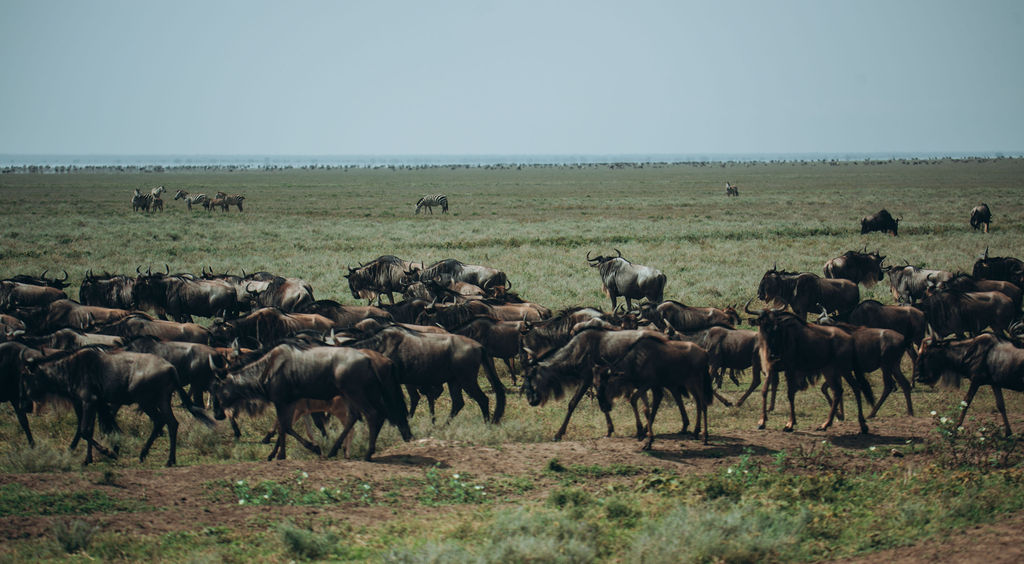 The Great Wildebeest Migration
Serengeti · Year-round
The Great Wildebeest Migration
Serengeti · Year-round
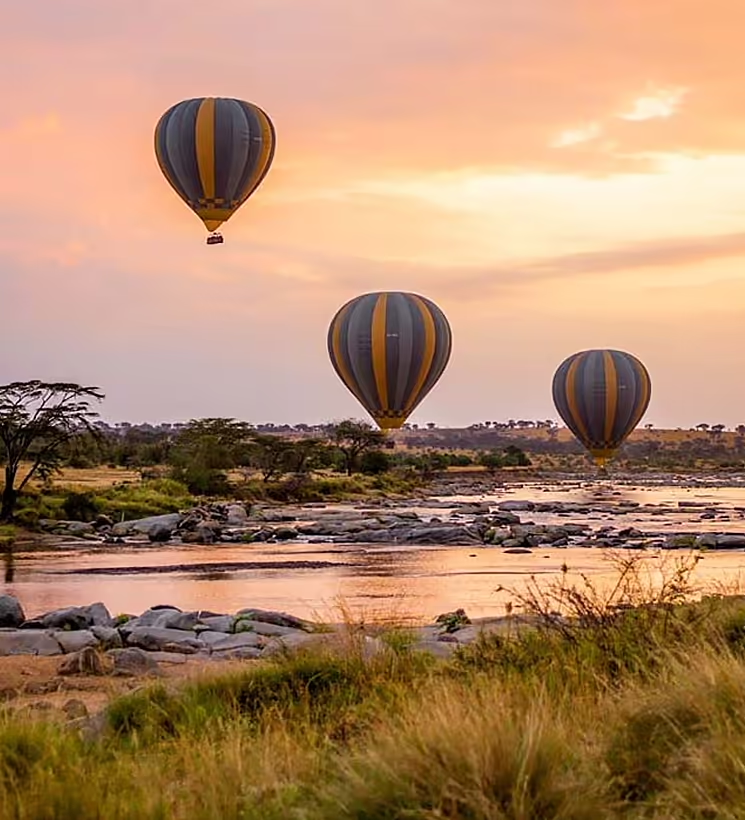 Hot Air Balloon Safari
Serengeti & Tarangire · At dawn
Hot Air Balloon Safari
Serengeti & Tarangire · At dawn
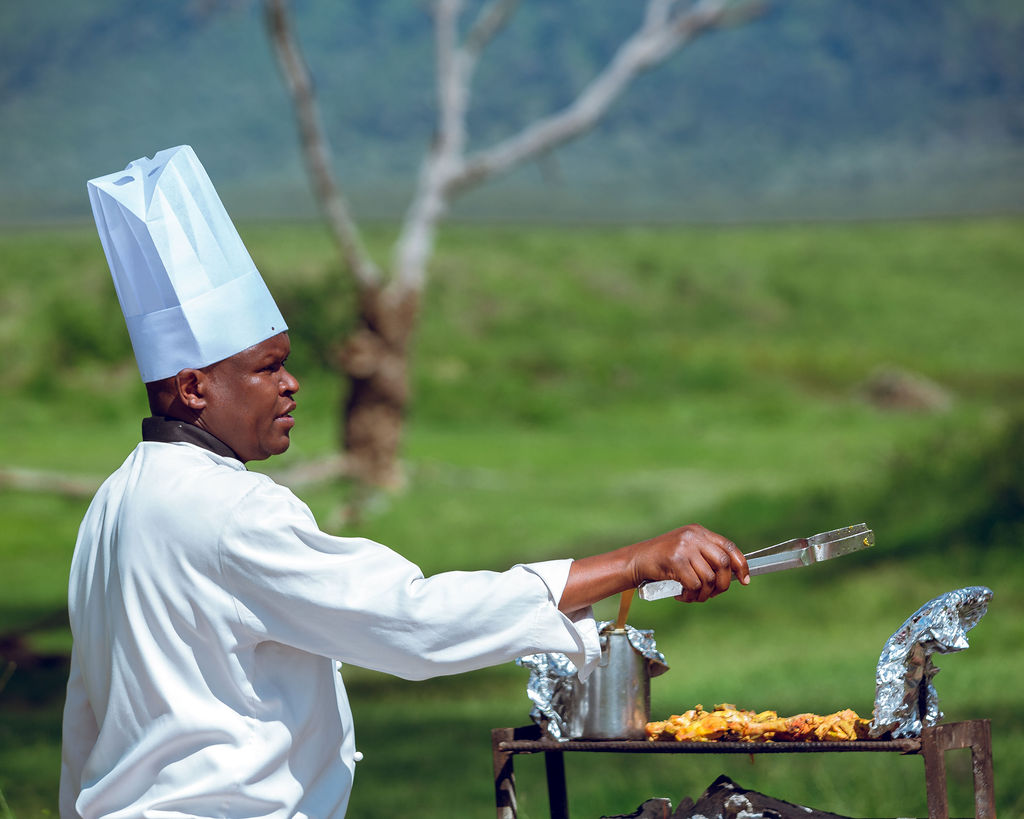 Private Safaris
Your vehicle · Your guide · Your pace
Private Safaris
Your vehicle · Your guide · Your pace
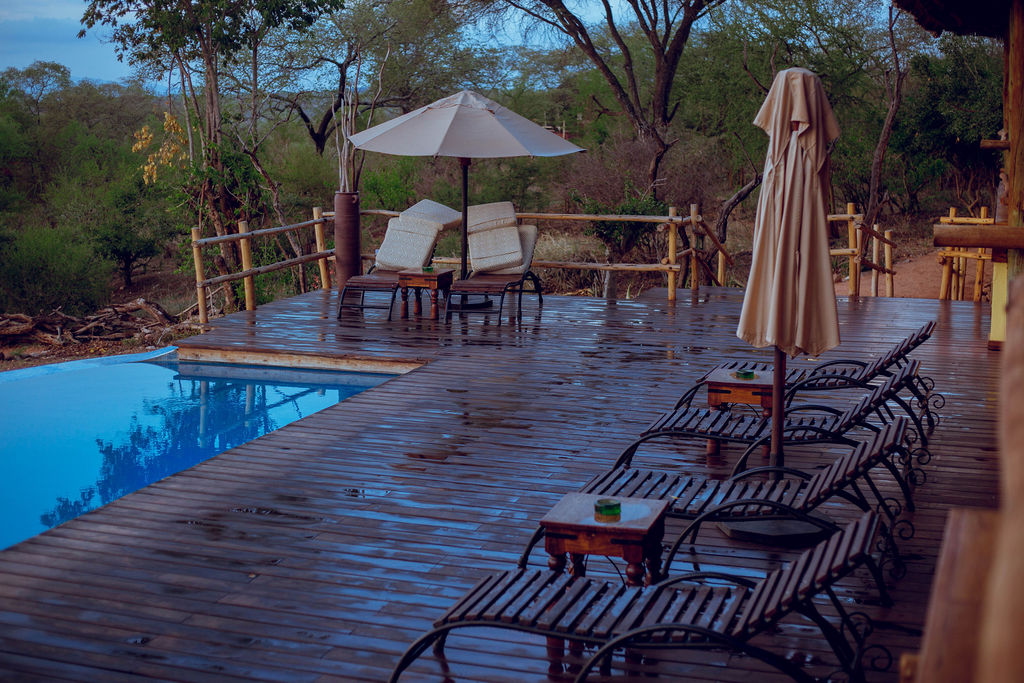 Luxury Safaris
The top tier on any itinerary
Luxury Safaris
The top tier on any itinerary
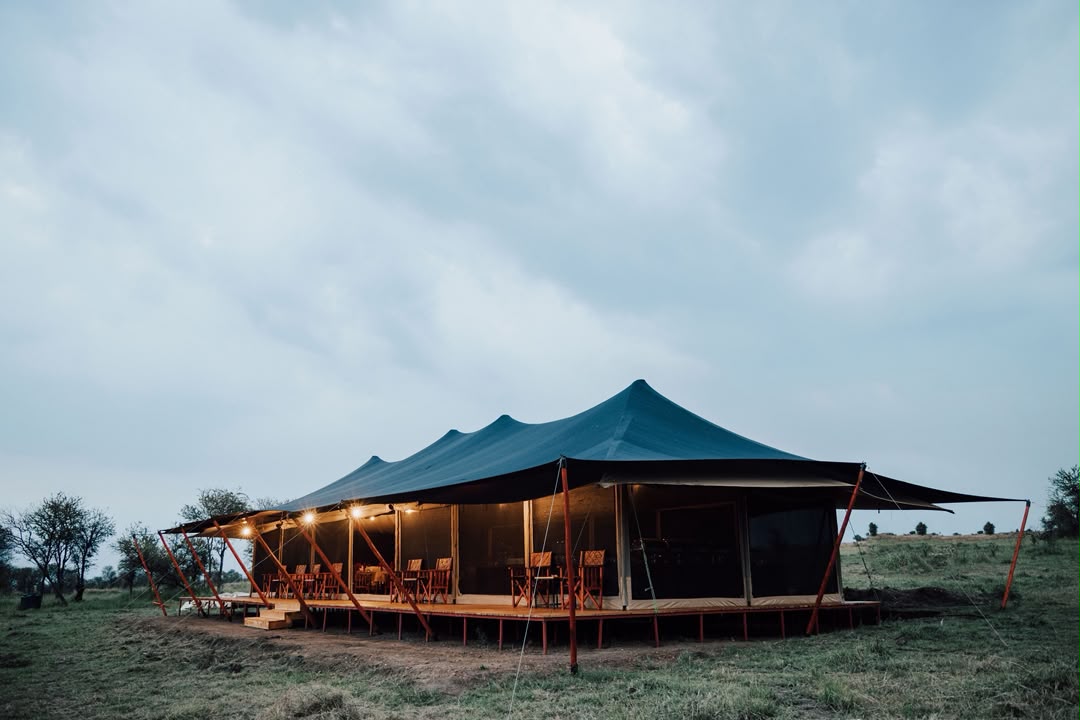 Mid-Range Safaris
The level most guests choose
Mid-Range Safaris
The level most guests choose
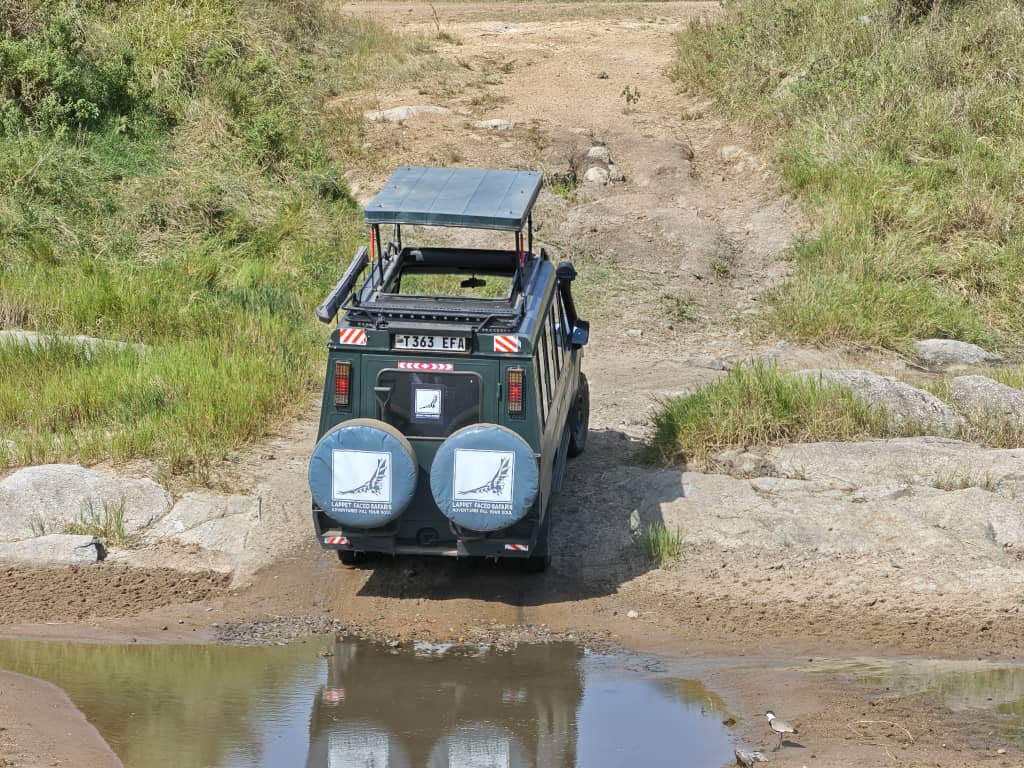 Budget Safaris
Camping & the Standard tier
Budget Safaris
Camping & the Standard tier
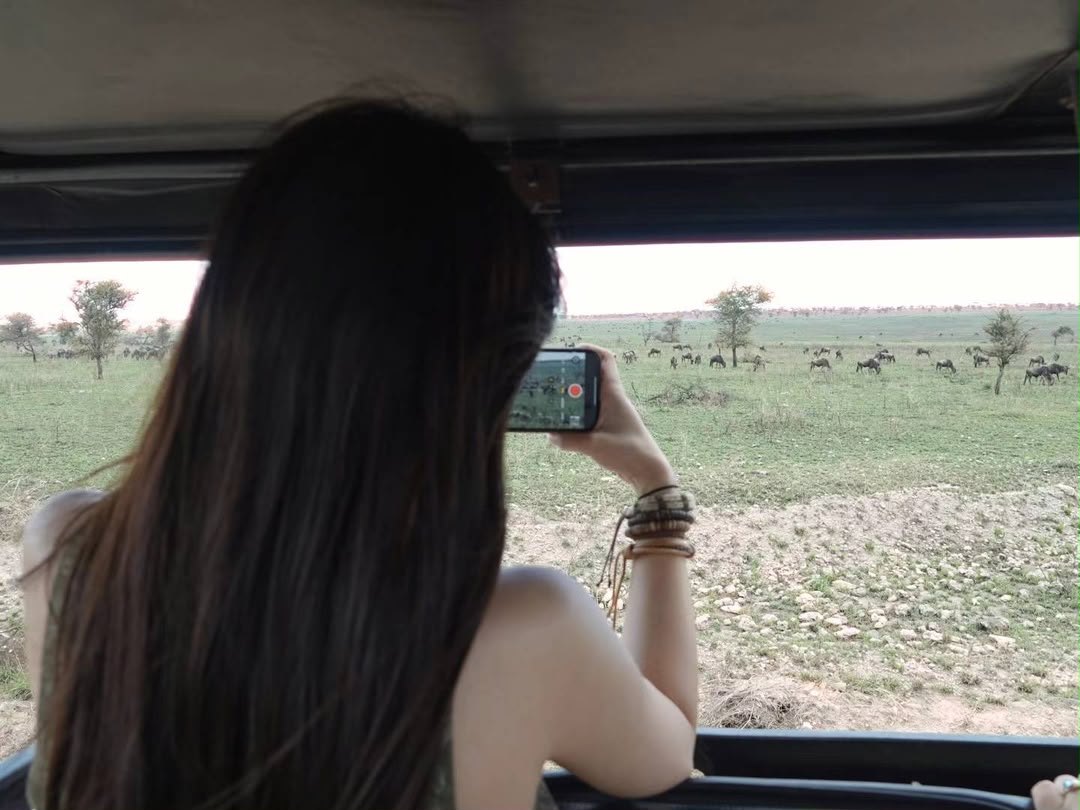 Photography Safaris
Private vehicle · Positioned for light
Photography Safaris
Private vehicle · Positioned for light
 Family Safaris in Tanzania
All ages · Your own vehicle · Your own pace
Family Safaris in Tanzania
All ages · Your own vehicle · Your own pace
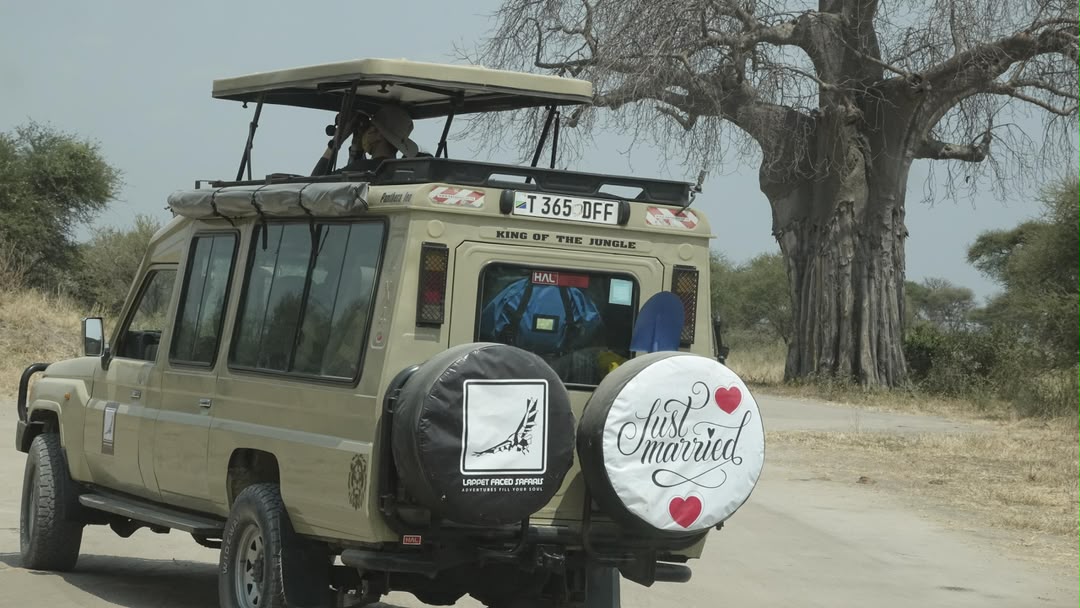
 Honeymoon Safaris in Tanzania
Bush & beach · Private vehicle · Just the two of you
Honeymoon Safaris in Tanzania
Bush & beach · Private vehicle · Just the two of you