
Safari in Kenya
East Africa · Beyond Tanzania
The Masai Mara, Amboseli and Samburu — and an Easy Match for Tanzania
The Masai Mara's big cats, elephants beneath Kilimanjaro at Amboseli, flamingo-pink shores at Nakuru — Kenya pairs perfectly with any Tanzania safari.
- Best: Jul–Oct for Mara crossings
- Combines with any Tanzania route
- One guide, two countries
Why go
Kenya's Icons
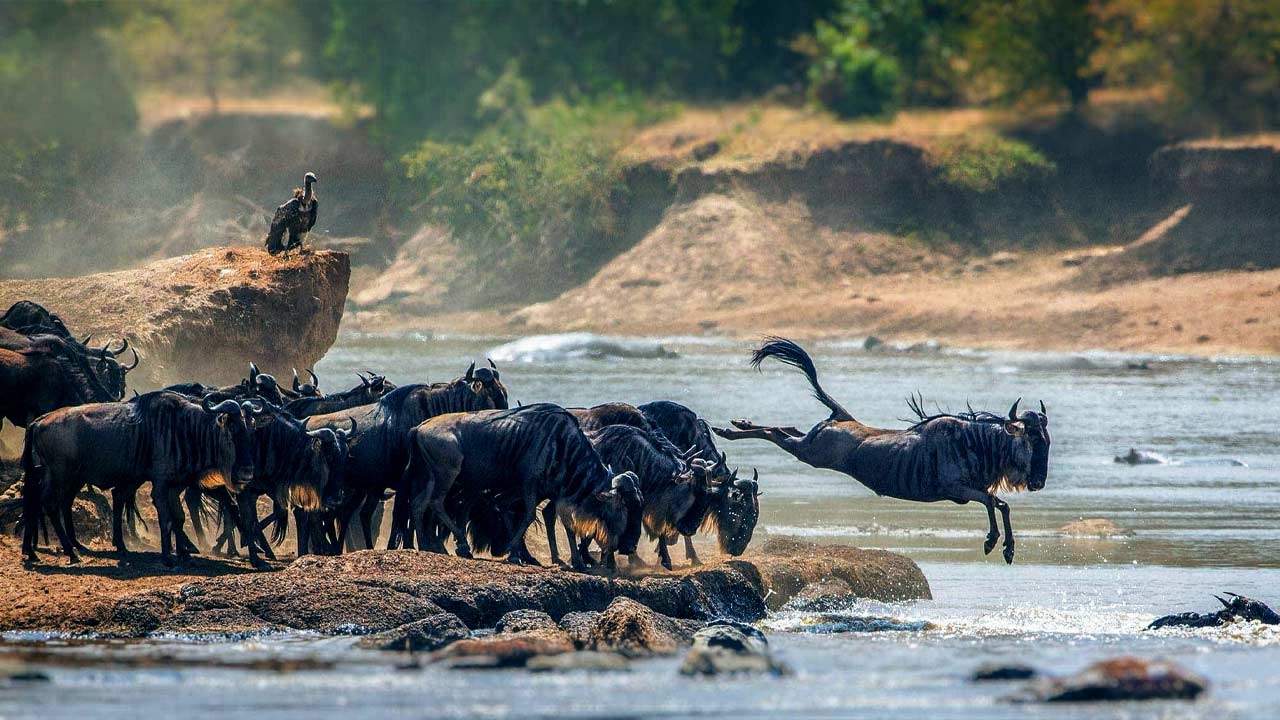
- Masai Mara. Kenya's most famous reserve — lions, elephants, giraffe and, from July to October, the Great Migration pouring in from the Serengeti.
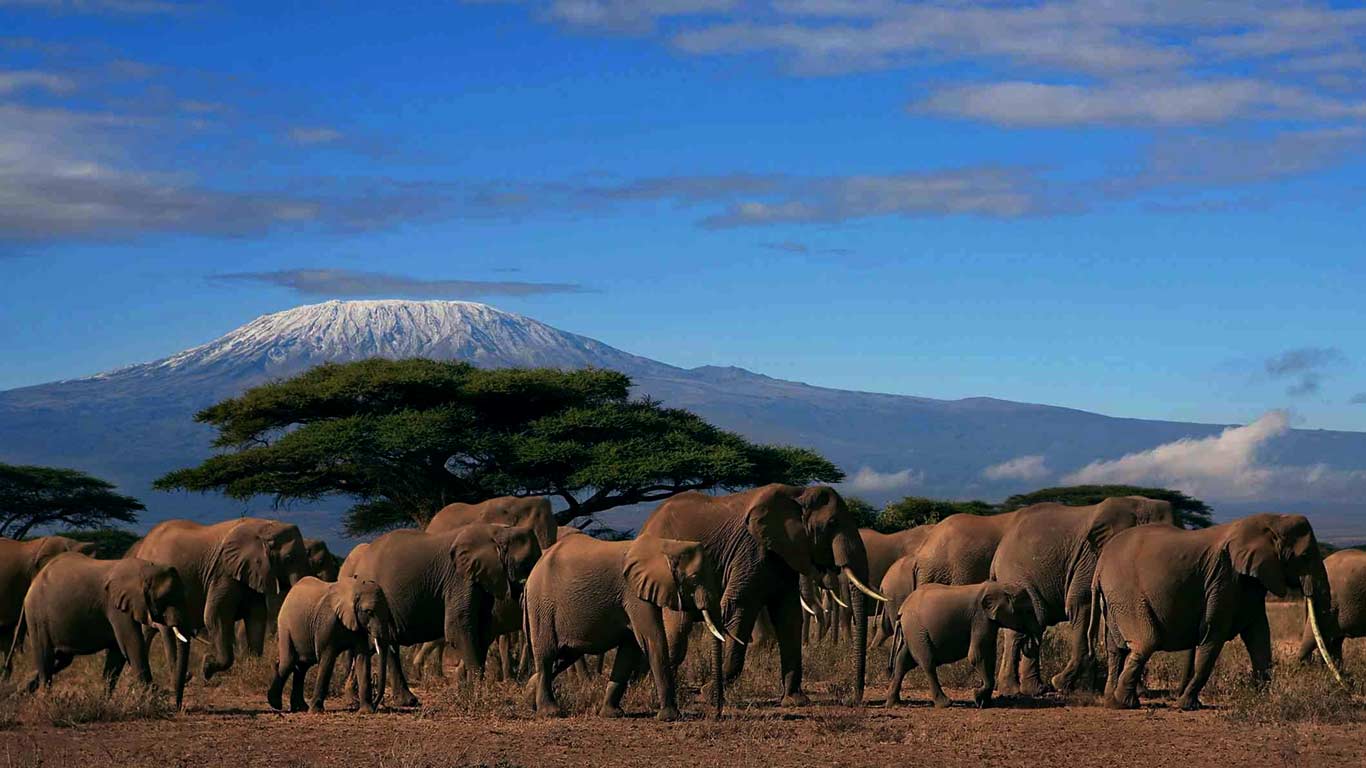
- Amboseli. Great elephant herds framed by the snows of Kilimanjaro — the classic Kenya photograph.
- Lake Nakuru. A Rift Valley soda lake famous for flamingos and one of Kenya's best rhino sanctuaries.
- Samburu. The wild north — reticulated giraffe, Grevy's zebra and the rest of the "Special Five".
Kenya Safari Packages
All safari packages“We had an amazing 7-day safari visiting Tarangire National Park, the Ndutu region of southern Serengeti, Central Serengeti National Park, and Ngorongoro Crater. Before arriving in Tanzania I had regular communication with Francisco, the owner of Lappet Faced Safaris.”
Plan your Kenya safari
Tell us your dates and dream sightings — we'll design a private Kenya itinerary, or a seamless Kenya–Tanzania combination.
Where to go in Kenya
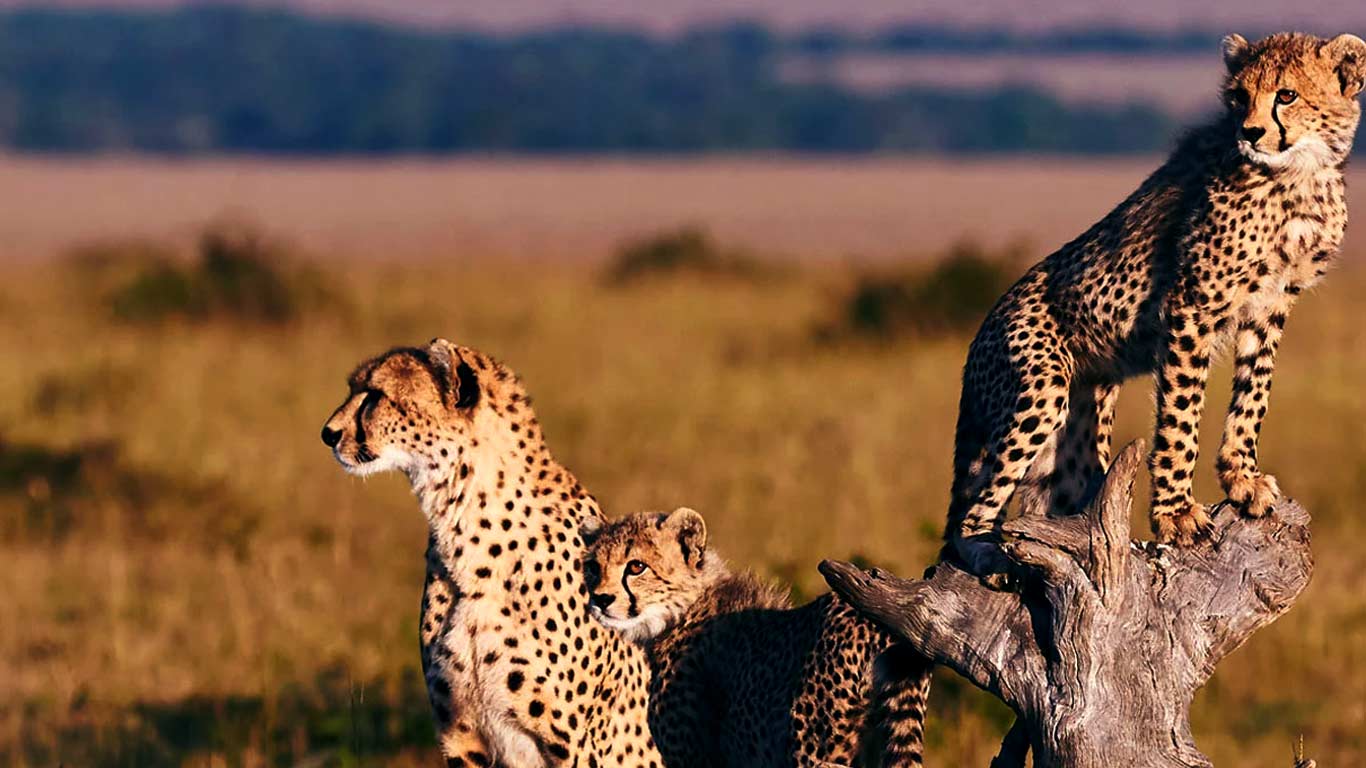
Masai Mara National Reserve
Big cats and the Migration's dramatic river crossings
- Famous for
- Africa's highest big-cat density, Mara River crossings
- Best time
- Jul – Oct (migration river crossings)
Amboseli National Park
Great elephants beneath the snows of Kilimanjaro
- Famous for
- Elephant herds beneath Mount Kilimanjaro
- Best time
- Jun – Oct & Jan – Feb
Lake Nakuru National Park
Flamingo-pink shores and Kenya's rhino stronghold
- Famous for
- Flamingo shores and a premier rhino sanctuary
- Best time
- Year-round
Samburu National Reserve
The wild north and its Special Five
- Famous for
- The "Special Five" of Kenya's wild north
- Best time
- Jun – Oct & Dec – Mar
Tsavo National Park
Red elephants and Kenya's biggest wilderness
- Famous for
- Red-dust elephants, Mzima Springs, true wilderness
- Best time
- Jun – Oct & Jan – Feb
Know before you go
Kenya at a Glance
All Kenya trips run as private safaris and link seamlessly with our Tanzania circuits.
| Park | Best time | Famous for |
|---|---|---|
| Masai Mara | Jul – Oct | Migration crossings & big cats |
| Amboseli | Year-round | Elephants under Mount Kilimanjaro |
| Lake Nakuru | Year-round | Flamingos & rhino sanctuary |
| Samburu | Jun – Oct | The northern "Special Five" |
The full story
The Masai Mara National Reserve is one of the most popular safari destinations in Kenya, and for good reason. The park is home to an incredible variety of animals, including lions, elephants, zebras, giraffes, and many more. The Great Migration is a natural phenomenon that occurs every year when millions of wildebeest and zebras migrate from the Serengeti National Park in Tanzania to the Masai Mara — an incredible sight to see, and one of the most popular attractions in East Africa.
The original safari
Why Kenya Still Sets the Standard
Kenya is where the safari began. The word itself is Swahili for journey, and the country has spent more than a century learning how to show visitors its wildlife — which is why the guiding here is among the best on the continent and why the logistics are so much easier than the map suggests.
The centrepiece is the Masai Mara, the Kenyan third of the Serengeti–Mara ecosystem. Between July and October the wildebeest herds push north across the Mara River in the most dramatic wildlife event on earth, but the Mara is exceptional in every month of the year: it has one of the highest densities of big cats anywhere, and the resident lion prides, cheetah and leopard do not migrate anywhere.
Around that centrepiece Kenya offers a range that few countries can match within short distances. Amboseli sets vast elephant herds against Kilimanjaro. Samburu, in the arid north, holds species that occur nowhere further south. Lake Nakuru is a fenced rhino sanctuary. Tsavo is enormous, red and empty. And the private conservancies that ring the national reserves allow night drives, walking safaris and off-road access that the parks themselves prohibit.
The highlights
What a Kenya Safari Delivers
The Great Migration river crossings
From roughly July to October the herds cross the Mara River, and it is as raw as wildlife viewing gets. Crocodiles wait in the water and the crossings can happen in minutes after hours of hesitation. Three nights near the river gives you a genuine chance; one night is luck.
The highest big-cat density in Africa
The Mara ecosystem supports extraordinary numbers of lion, cheetah and leopard, and they are used to vehicles. This is where most of the wildlife documentaries you have seen were filmed, and it shows in how close and how relaxed the sightings are.
Elephants beneath Kilimanjaro
Amboseli offers the single most recognisable image in African wildlife photography: enormous tuskers crossing open dust with the snows of Kilimanjaro behind them. The elephants here have been studied continuously for over fifty years.
Conservancies with almost no vehicles
Community-owned land bordering the reserves, with strict limits on camps and vehicles. You get night drives, guided walks and off-road approach to a sighting — and often the whole thing to yourself.
Short distances and easy flying
Nairobi to the Mara is forty-five minutes in a light aircraft, several times a day. Kenya packs more variety into a one-week trip than almost any safari destination on earth.
A typical week
How a Kenya Safari Is Usually Built
-
1
Land in Nairobi
Overnight in the city or head straight out. If you have half a day, Nairobi National Park, the elephant orphanage and the giraffe centre make an excellent first afternoon.
-
2
Into the Rift Valley
Lake Nakuru for rhino and flamingos, or Lake Naivasha for boat trips and walking on Crescent Island. A gentle start that breaks up the drive south-west.
-
3
Three nights in the Mara
The heart of the trip. Full days of game driving, and if you are travelling between July and October, time enough to wait out a river crossing.
-
4
Amboseli or Samburu
Amboseli for the elephants and the mountain; Samburu for the arid north and the species you will not see anywhere else. Both are short flights from the Mara.
-
5
Fly back, or carry on to the coast
Diani and Watamu on the Indian Ocean are an easy hop, and turn a safari into a complete holiday.
Timing
When to Go on Safari in Kenya
| Months | What is happening | Crowds | Value |
|---|---|---|---|
| July – October | Migration in the Mara, river crossings, peak predator action | Highest of the year | Premium rates; book far ahead |
| January – February | Hot, dry and clear; superb general game viewing | Moderate | Very good — the connoisseur window |
| March – May | Long rains; lush, green, newborn animals, outstanding birding | Lowest | Best prices of the year |
| November – December | Short rains, migrant birds arrive, landscapes freshen | Low until mid-December | Excellent value |
Getting it right
How to Make a Kenya Safari Work
The difference between a good Kenyan safari and a great one usually comes down to a handful of decisions made at the planning stage.
- Give the Masai Mara three nights minimum — it is the one park that rewards patience
- Choose a conservancy camp for at least part of the trip: night drives, walking, no vehicle queues
- Travel July to October for the migration, January to February for the best conditions without the crowds
- Fly between parks if you are visiting three or more; drive if you want to see the Rift Valley
- Bring the longest lens you own — off-road driving is restricted in the national reserves
- Pack a soft duffel: light aircraft limit you to about fifteen kilos including hand luggage
- Add Amboseli or Samburu for contrast rather than stacking two similar savannah parks
- Keep a buffer day before your international flight home; Nairobi traffic is genuinely unpredictable
Kenya safari questions
Frequently Asked Questions
What vehicle will I travel in?
A custom 4x4 safari vehicle with a pop-up roof and a guaranteed window seat for every guest — we do not fill vehicles with strangers. Kenyan operators use both extended Land Cruisers and safari minibuses; we use Land Cruisers, which handle rough tracks and wet-season roads far better. Each vehicle has a cool box, charging points for cameras and phones, reference books and binoculars, and radio contact with other guides in the area.
What are the tipping expectations in Kenya?
Tipping is customary and genuinely matters to the people involved. Budget roughly $20 to $30 per day from the group for your driver-guide, and a similar daily amount into each camp's communal staff box, which is shared among kitchen, housekeeping and waiting staff. If you hire a spotter in a conservancy or use porters anywhere, tip separately and directly. Bring US dollars in clean notes issued after 2009 — older bills are widely refused.
What is the best way to see the Great Migration in Kenya?
Base yourself near the Mara River between late July and October and give it at least three nights. The herds arrive in the Mara from the Serengeti and cross back and forth repeatedly through the season, and the crossings themselves are entirely unpredictable — animals may gather at the bank for hours or days before one commits. Camps in the Mara Triangle and along the northern bank put you closest to the action. Even in a week without a crossing, the density of animals on the plains is remarkable.
Are Kenyan safaris suitable for families?
Very much so, and Kenya is arguably the easiest safari country for families. Distances are short, flights are quick, many camps have family tents and dedicated children's programmes, and the conservancies allow the walking and night drives that keep older children engaged. Some camps set a minimum age for walking activities. Tell us your children's ages at the enquiry stage and we will only propose properties that genuinely welcome them.
How many days do I need in Kenya?
Six to eight days is ideal. Three nights in the Masai Mara plus two elsewhere — Amboseli, Samburu or the Rift Valley lakes — gives you real variety without living in a vehicle. A four-day trip focused solely on the Mara is perfectly worthwhile if that is all the time you have, particularly if you fly in rather than drive. Ten days or more lets you add the northern parks or finish on the coast.
Is the Masai Mara crowded?
The national reserve genuinely is during peak season — a good leopard sighting can draw a dozen vehicles, and the reserve does not restrict numbers. The conservancies bordering it are the answer: they cap the number of beds and vehicles by agreement, so a sighting is typically shared with one or two other cars. They cost more per night and most guests who try them consider it the best money they spent on the trip.
Should I fly or drive between parks?
Drive if you want to see the country and keep costs down; fly if your time is limited or you are visiting three or more areas. Nairobi to the Mara is five to six hours by road through the Rift Valley escarpment, which is a spectacular drive in its own right, or forty-five minutes by air. A common compromise is to drive out and fly back, so you see the landscape without losing a whole day at the end.
What wildlife will I see?
On a week-long Kenyan safari, lion, elephant, buffalo, giraffe, zebra, hippo and a long list of antelope are close to certain. Cheetah are common in the Mara. Leopard are seen regularly but never guaranteed. Rhino require Lake Nakuru, Ol Pejeta or the Mara conservancies. Add Samburu and you pick up Grevy's zebra, reticulated giraffe, gerenuk and beisa oryx, none of which occur further south.
Can I combine Kenya with Tanzania?
Easily, and it is one of the great trips in Africa. The Mara and the Serengeti are a single ecosystem divided by a border, so following the herds across it makes complete sense. You can fly between Nairobi and the Serengeti airstrips or Kilimanjaro, or cross by road. Each country requires its own visa and charges its own park fees, and we arrange the whole thing as one booking.
What should I pack for a Kenyan safari?
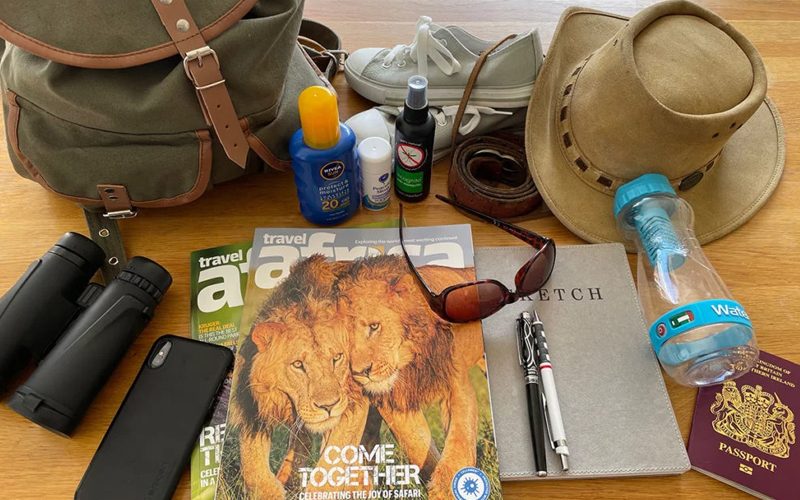
Neutral colours, a warm fleece for early mornings at altitude, a brimmed hat, high-factor sunscreen, binoculars and the longest camera lens you own — Kenyan parks restrict off-road driving, so sightings are often further away than in Tanzania. Soft duffel bags are required on light aircraft, which typically limit you to fifteen kilos including hand luggage. Laundry is done daily at almost every camp, so pack far less than you think.
Speak to Our Team
We are based in Arusha and plan every trip ourselves. Tell us what you have in mind.


Sherwin Z
excellent experience
The magical African Great Migration trip was very well arranged by Lappet Faced. The accommodations were very comfortable, and some places even exceeded our expectations. The experienced guide took us to appreciate the various animals on the African grasslands and discovered various surprises, including lions, cheetahs, hunting dogs, elephants, giraffes, and even the spectacular wildebeest crossing the Mara River. They also took us to appreciate the local African culture. The whole trip left a deep impression on us. Thank you Lappet Faced for your service.
Huang / Mar 2026
I think they are very considerate. The service is very thorough.
Lappet Faced Safaris can customize the route reasonably according to our ideas, and the price is also reasonable and clear. Moreover, they can…
kiki C
The best safari experience
This is a perfect trip! My husband and I, along with two friends, Travel togetherMy guide Joseph was very professional, saw a lot of animals, and was enthusiastic and responsible every day, so I gave him five stars!Secondly, my hotels were all very beautiful, and we were very satisfied with our food and accommodation, and had a pleasant seven days.In addition, I think the boss is also very charming, serious and reliable, and I believe he is right.
Yue / Mar 2026
They are so warm and friendly, the safari tour is perfect and amazing
Lappet Faced Safaris was very reliable, and we had an incredible time in Tanzania during the Spring Festival holiday. Our guide, Noel, showed us…
TripAdvisor reviewer
很棒!
我们的向导noel非常棒,很认真负责,对我们的需求有求必应,在机场等我们两个小时值机完成登机后再离开,带我们看了所有的非洲五霸。体验感非常好
Liza / Mar 2026
Excellent, reliable tour operator with professional guides
I've been back from Tanzania for a while now, but I still can't stop thinking about this amazing trip. We were two families, seven people in…