
Kilimanjaro Climbing
Trekking
Climb Africa's highest peak with an Arusha-based team — the six Kilimanjaro routes, Meru and Hanang treks, and everything you need to prepare.
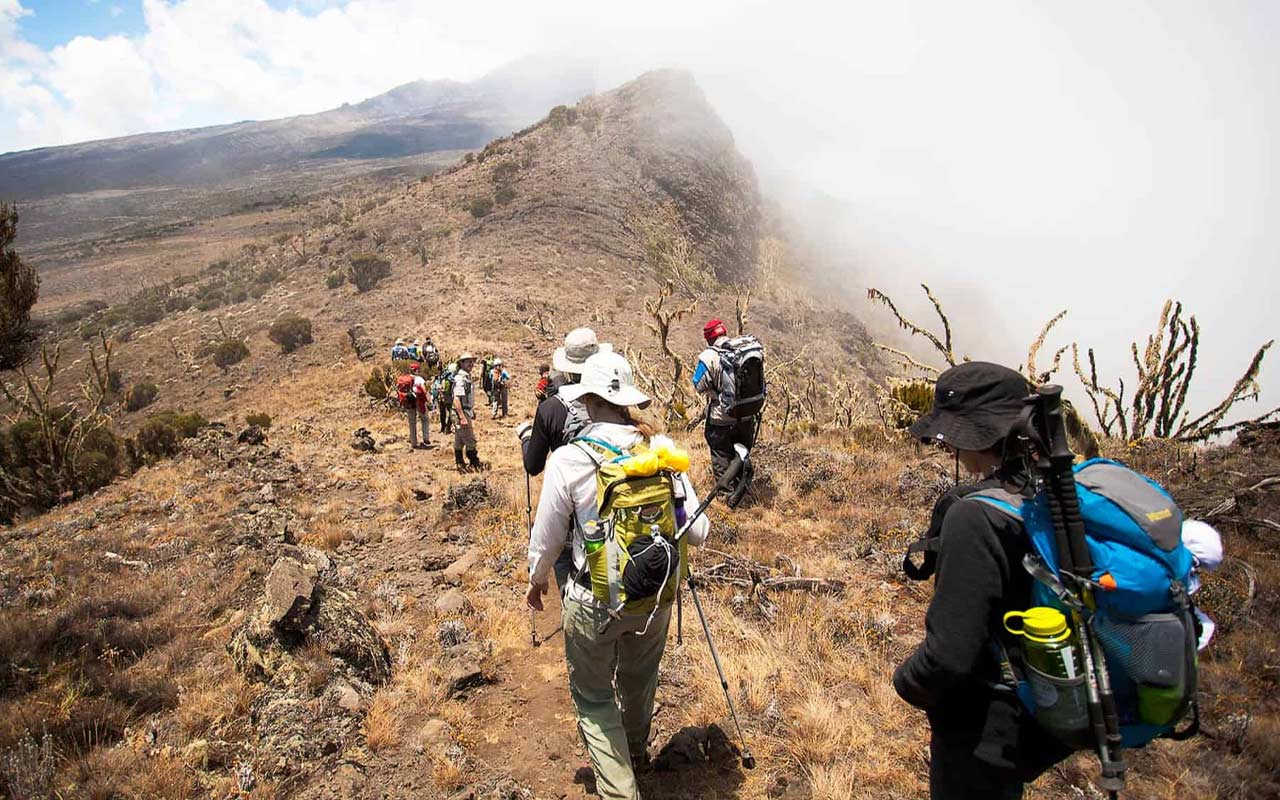
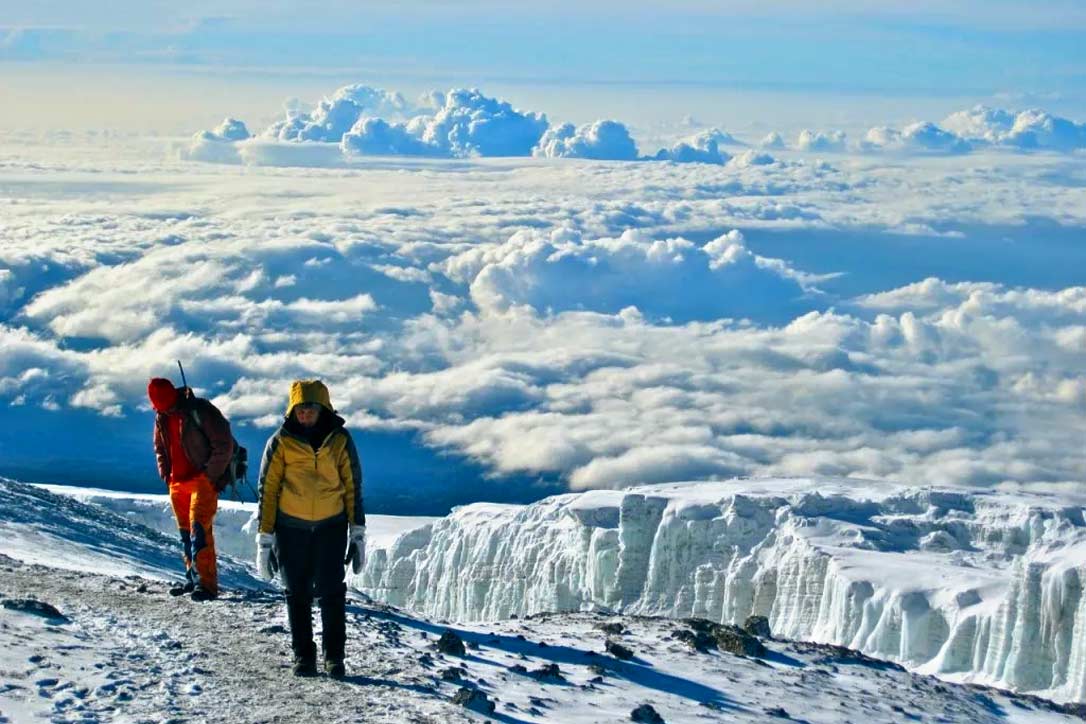
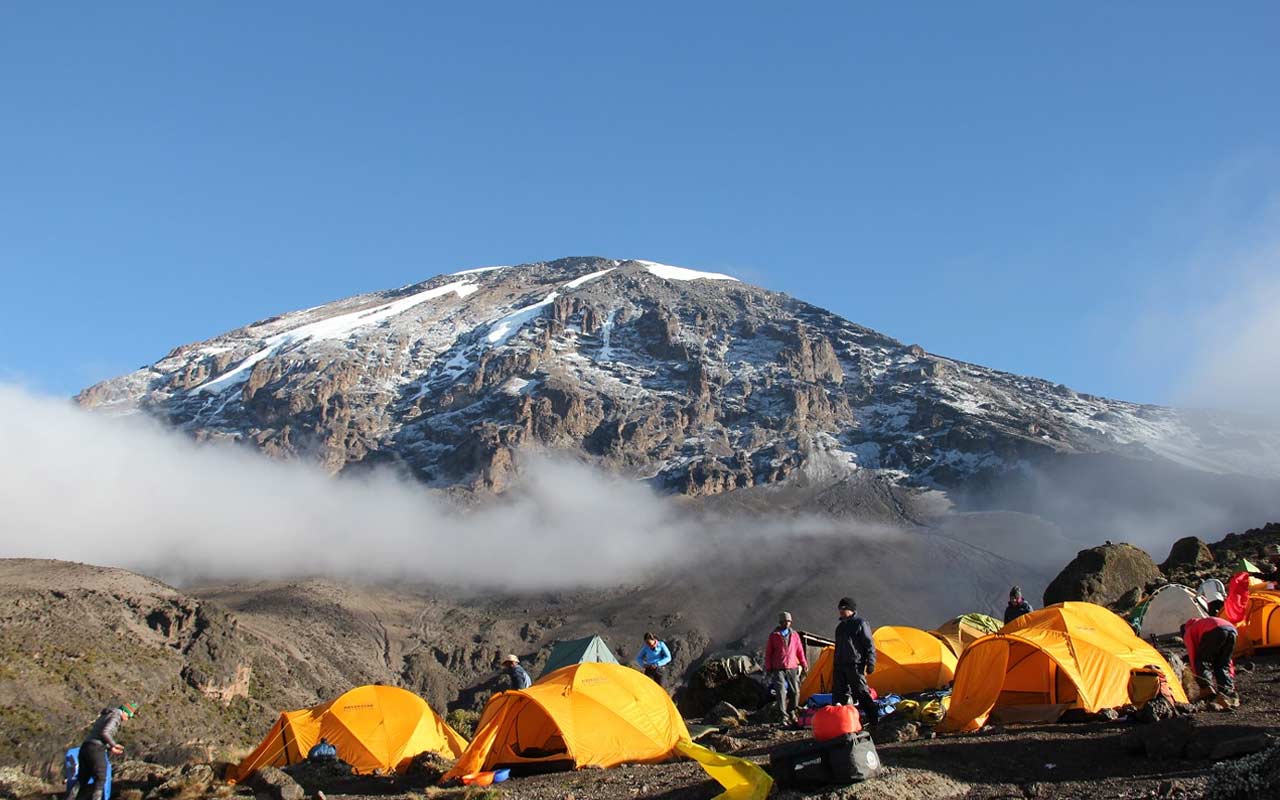
Kilimanjaro climbing draws more travellers to Tanzania than any other single mountain. Uhuru Peak stands at 5,895m — the highest point in Africa and the tallest free-standing mountain in the world — and it is reached on foot, without ropes or technical climbing. Six routes lead to the crater rim, and the one you choose decides how many nights you spend acclimatising, whether you sleep in huts or tents, and what the climb costs.
11 options
Kilimanjaro Climbs & Tanzania Treks
Filter by price
$600 $2,400
No safari matches that. Widen the price range, or tell us what you had in mind and we will build it.
6 Days Mt. Kilimanjaro Marangu Route
Kilimanjaro
- Guided trek
- Mountain crew & porters
From $1,800 pp
View details7 Days Mt. Kilimanjaro Marangu Route
Kilimanjaro
- Guided trek
- Mountain crew & porters
From $2,100 pp
View details7 Days Mt. Kilimanjaro Climbing Summit – Machame Route
Kilimanjaro
- Guided trek
- Mountain crew & porters
From $2,100 pp
View details8 Days Mt. Kilimanjaro Climbing Summit - Machame Route
Kilimanjaro
- Guided trek
- Mountain crew & porters
From $2,400 pp
View details8 Days Kilimanjaro Summit Climbing Lemosho Route
Kilimanjaro
- Guided trek
- Mountain crew & porters
From $2,400 pp
View details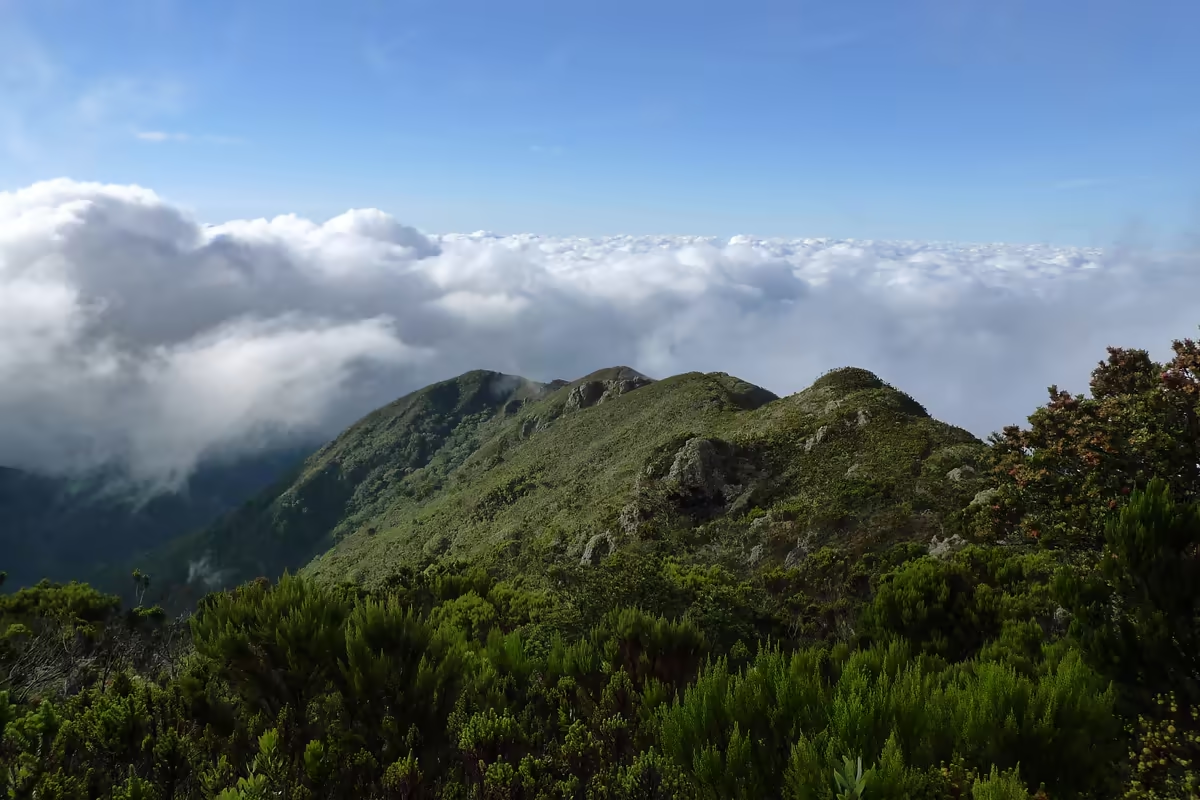
2 Days, 1 Night Mount Hanang Hike
Mount Hanang
- Guided trek
- Mountain crew & porters
From $600 pp
View details
Local knowledge
Guides & Planning Advice
The roof of Africa
Climbing Mount Kilimanjaro
Kilimanjaro is an altitude climb, not a technical one — acclimatisation lets your body adjust to the mountain's weather and thin air. Our well-trained, professional and experienced mountain guides will help you attain your dream. Welcome!
Six ways up
Choose Your Kilimanjaro Route
Marangu Route
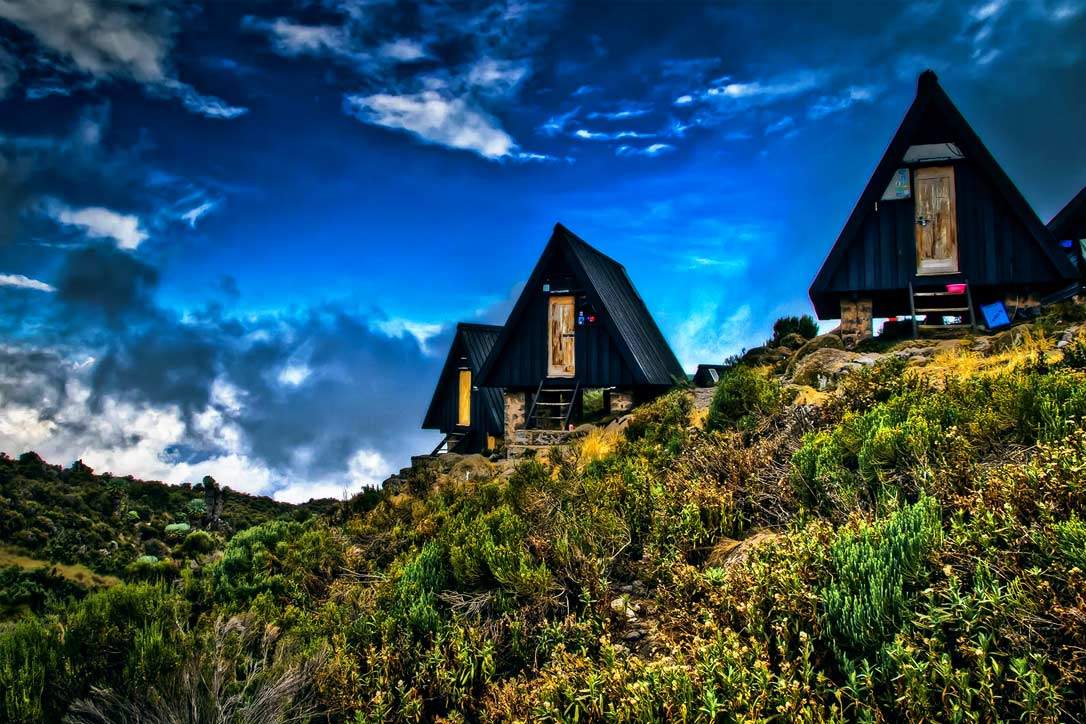
Also known as the "Coca-Cola route" — the most popular path to the summit, and the only one with hut accommodation the whole way.
- From
- $1,200 pp
- Sleeps
- Mountain huts
- Character
- Classic
Machame Route
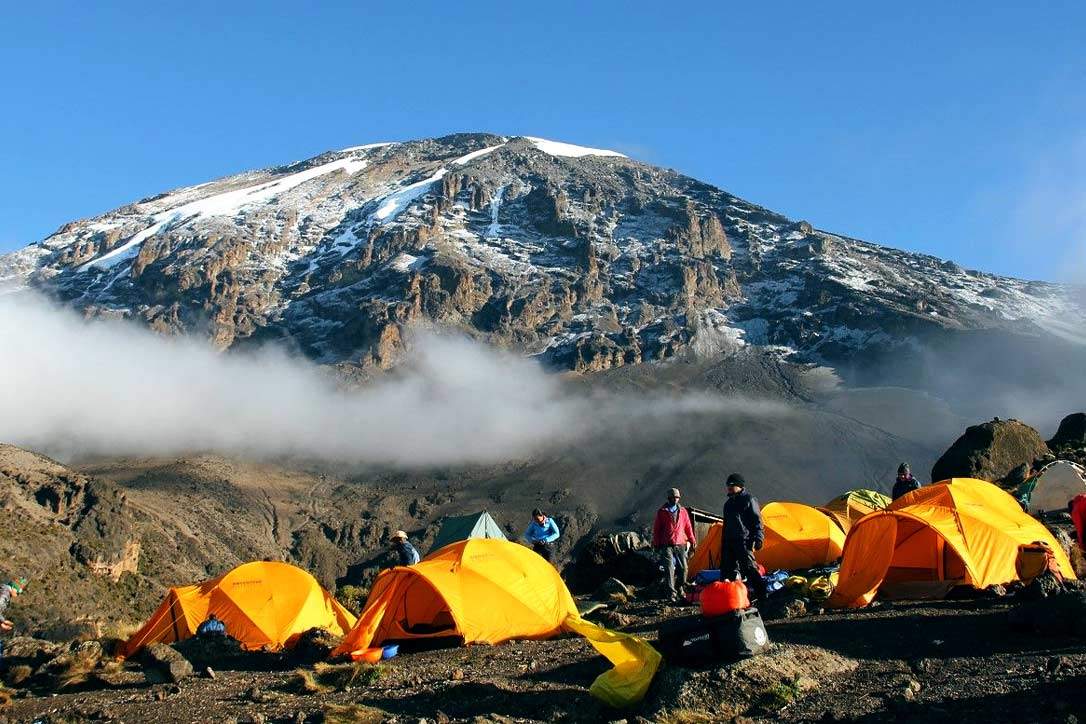
Machame, known as the "Whiskey route", is the connoisseur's climb — dramatic scenery through five ecological zones with an ideal climb-high, sleep-low profile.
- From
- $1,400 pp
- Sleeps
- Camping
- Character
- Scenic
Rongai Route
The only route ascending from the northeastern side, along the Kenyan border — drier, quieter, and the best choice in the rainy seasons.
- From
- $1,400 pp
- Sleeps
- Camping
- Character
- Remote
Shira Route
Crosses the Shira Plateau — one of the most scenic and fascinating areas of Kilimanjaro, with panoramic views from the mountain's western side.
- From
- $1,400 pp
- Sleeps
- Camping
- Character
- Plateau
Umbwe Route
Widely regarded as the hardest trail — a tough, direct ascent through the jungle for experienced trekkers who want solitude and drama.
- From
- $1,400 pp
- Sleeps
- Camping
- Character
- Steep
Lemosho Route
Considered the most scenic trail on Kilimanjaro, granting panoramic vistas — and the longest of our itineraries, with eight days to acclimatise.
- From
- $1,400 pp
- Sleeps
- Camping
- Character
- Beautiful
Why climb with us
Why Choose Lappet Faced
We are Tanzanian
Based in Arusha, our team of experts are all born and raised in Tanzania. We spend our own holidays on safari and know what makes a once-in-a-lifetime trip.
Our best-price promise
Our size and trusted local relationships give us access to the best possible rates. Find a better quote for your itinerary and we'll match it.
Our Kilimanjaro guides
All are registered with Kilimanjaro National Park and trained in first aid, mountain rescue, flora and fauna, and Kilimanjaro history. Most have climbed the mountain more than 100 times.
The mountain
Climbing Kilimanjaro: What You Are Taking On
Kilimanjaro is the highest mountain in Africa at 5,895 metres and the highest free-standing mountain on earth — it rises straight off the plain rather than out of a range. That is what makes it climbable by ordinary people: there is no technical climbing, no ropes and no ice axes on the standard routes. It is a long, steep walk at altitude, and the summit is reached by thousands of people every year who are not mountaineers.
What it is not is easy. The single factor that turns people back is altitude, not fitness, and the two are only loosely related. Very fit climbers who go up fast fail more often than slower, older walkers on a longer route. Acute mountain sickness does not care about your gym membership. This is why the number of days you choose matters more than almost anything else you decide.
You walk through five distinct climate zones on the way up: cultivated farmland, then rainforest thick with colobus monkeys, then open heath and moorland with giant lobelias, then high alpine desert, and finally the arctic zone of the summit glaciers. Few places on earth compress that much of the planet into a week of walking.
The numbers
Kilimanjaro in Figures
- 5,895 m
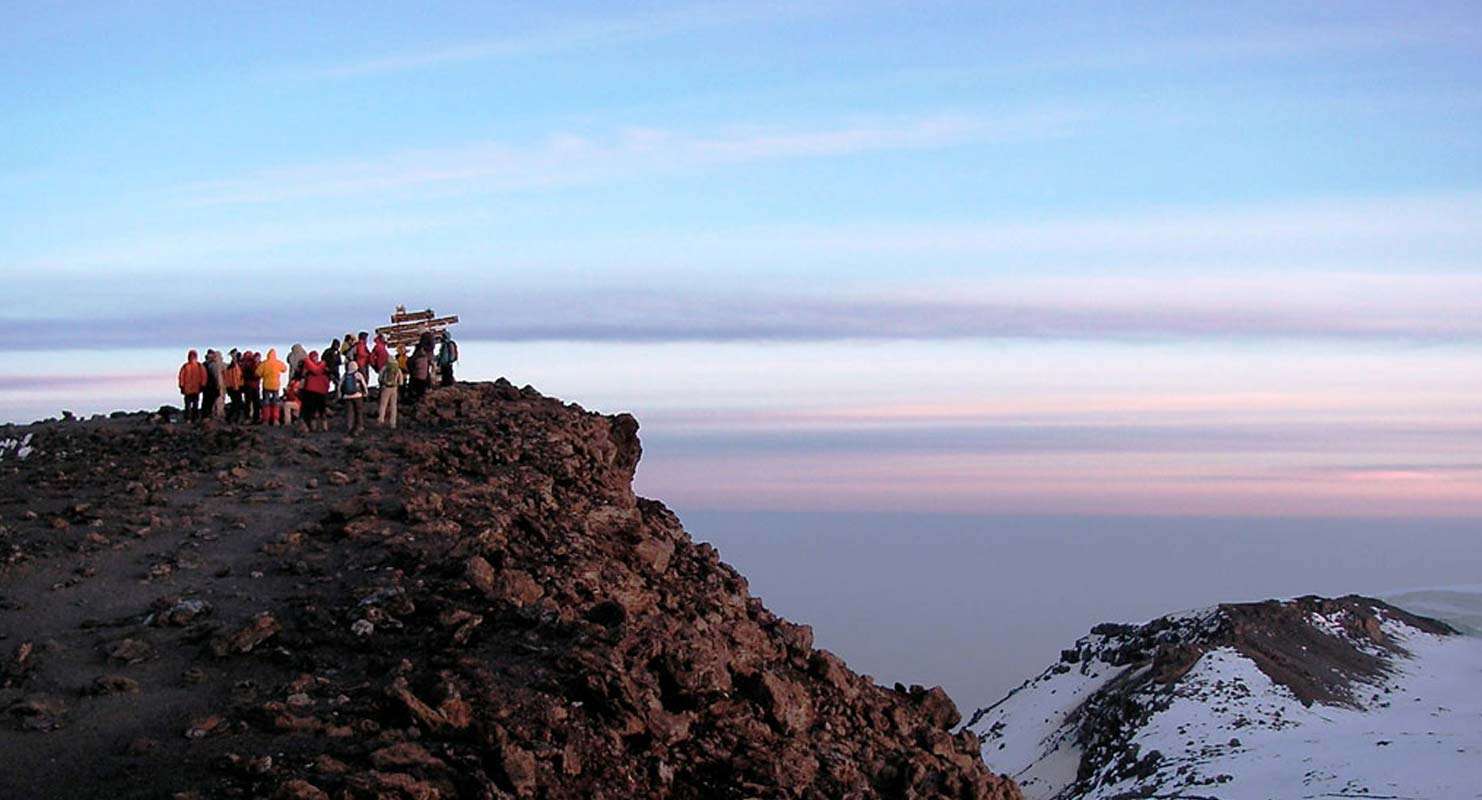
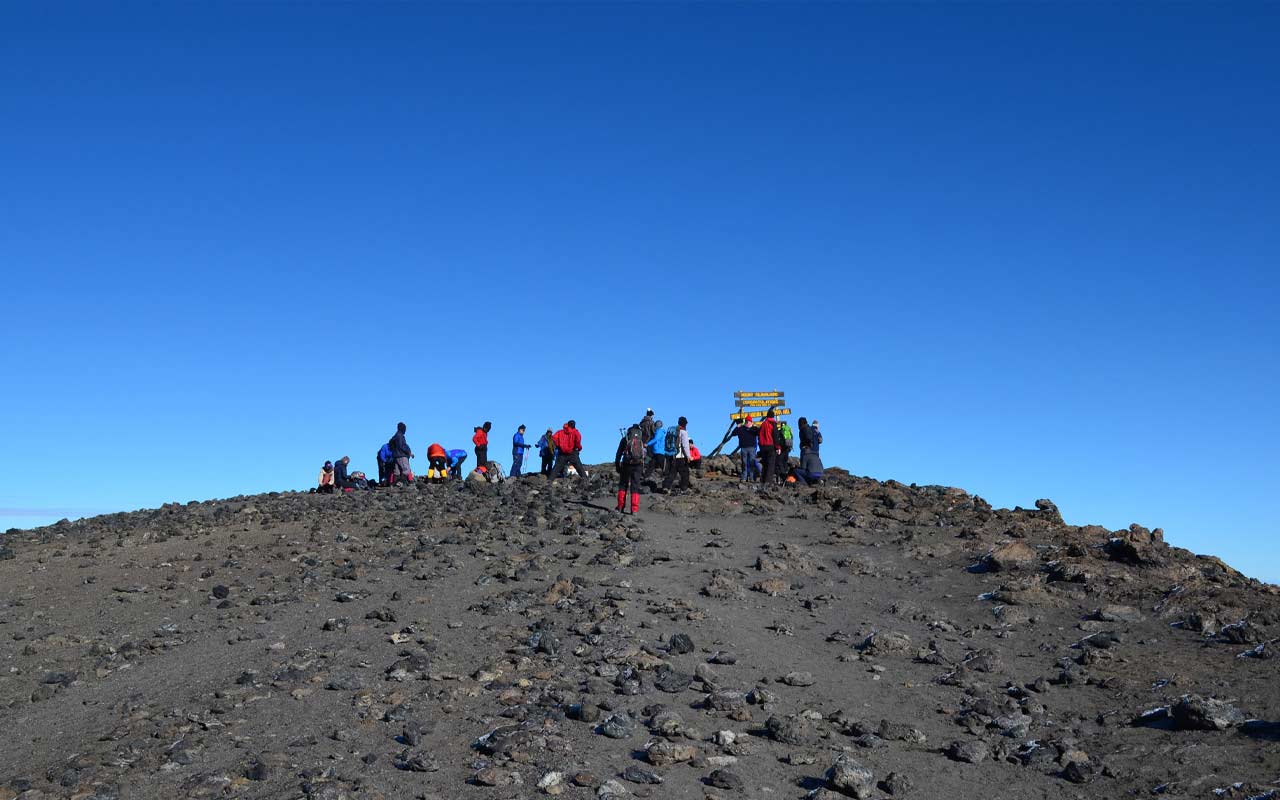
- Uhuru PeakThe summit, and the highest point in Africa — 19,341 feet above sea level.
- 5 – 9 days
- Typical climbLonger routes acclimatise you properly. Success rates climb steeply with each extra day.
- 5 zones
- Climate bandsFarmland, rainforest, heath, alpine desert and arctic summit, all in one ascent.
- ~65%
- Overall summit rateAcross all routes and durations. On our eight-day itineraries it is considerably higher.
Choosing a route
Kilimanjaro Routes Compared
Seven routes reach the summit. They differ in scenery, traffic, sleeping arrangements and — critically — how well they let your body adjust to the altitude.
| Route | Days | Difficulty | Scenery | Best for |
|---|---|---|---|---|
| Machame | 6 – 7 | Moderate to hard | Excellent and varied | The most popular route. Steep in places, superb acclimatisation profile, busy but sociable. |
| Lemosho | 7 – 8 | Moderate | The best on the mountain | Quiet western approach, the highest success rates, and the route we recommend most often. |
| Marangu | 5 – 6 | Moderate | Good but repetitive | The only route with hut accommodation. The shortest and cheapest — and the lowest success rate. |
| Rongai | 6 – 7 | Moderate | Remote and wild | The northern approach from the Kenyan side. Driest route, so the best choice in the rainy season. |
| Northern Circuit | 9 | Moderate | Outstanding | The longest route and the highest summit success rate of all. Almost no other climbers. |
| Umbwe | 6 | Hard | Dramatic | The steepest and most direct line. For experienced, well-acclimatised trekkers only. |
If you can spare the days, take them. Adding a single acclimatisation day to any route measurably improves your chance of standing on the summit.
A day on the mountain
What the Rhythm Actually Feels Like
-
1
Wake and eat properly
Your team wakes you with washing water and hot drinks around six. Breakfast is substantial — porridge, eggs, toast, fruit — because appetite disappears higher up and calories matter.
-
2
Walk pole pole
Four to seven hours of walking at a pace that will feel absurdly slow on day one and exactly right on day five. "Pole pole" — slowly, slowly — is the single most useful piece of advice on this mountain.
-
3
Arrive, rest, hydrate
Camp is pitched before you get there. You drink three to four litres a day, rest, and let your body do the quiet work of making more red blood cells.
-
4
Health check every evening
Your guide records oxygen saturation and pulse daily and asks about headache, appetite and sleep. This is how problems get caught early rather than at 5,000 metres in the dark.
-
5
Summit night
You leave around midnight in the cold and dark, walking by head torch, and reach Uhuru Peak around sunrise. It is the hardest thing most climbers have ever done, and then you descend a long way the same day.
Preparation
How to Give Yourself the Best Chance
- Train with long hill walks carrying a daypack — endurance matters more than speed
- Choose seven or eight days over five or six if your budget allows it at all
- Break in your boots thoroughly before you fly; blisters end more climbs than altitude
- Drink three to four litres of water every day on the mountain, without exception
- Walk deliberately slowly from the first hour, even when it feels ridiculous
- Discuss altitude medication with your doctor well before you travel
- Pack proper layers: base layer, fleece, insulated jacket and a windproof shell
- Tell your guide immediately about headache, nausea or dizziness — never push through it
Common questions
Kilimanjaro FAQs
Do I need climbing experience?
No. The standard routes involve no technical climbing, no ropes and no ice equipment — the Barranco Wall on the Machame and Lemosho routes involves some straightforward scrambling with hands, and that is the hardest ground you will cross. What you need is the endurance to walk uphill for five to seven hours a day for the better part of a week, and the patience to do it slowly.
What is the best month to climb Kilimanjaro?
January to mid-March and June to October are the two dry windows and by far the most popular. January and February are slightly warmer with clearer skies; June to October is drier and busier. April, May and November fall in the rains — the mountain is much quieter and cheaper, and the Rongai route on the northern side stays comparatively dry, but you should expect wet days and cloud.
How fit do I need to be?
Reasonably fit, not athletic. If you can walk for six hours over hilly ground on consecutive days without dreading the second one, you have the base you need. Three to six months of regular hill walking, stair climbing or hiking with a loaded pack is ideal preparation. Notably, very fit young climbers fail more often than steady older ones, because they walk too fast for their bodies to acclimatise.
What is altitude sickness and how is it managed?
Acute mountain sickness is your body reacting to reduced oxygen, and mild symptoms — headache, poor sleep, loss of appetite, breathlessness — are common and normal above 3,000 metres. It is managed by ascending slowly, drinking a great deal of water, and walking high then sleeping low where the route allows. Our guides check oxygen saturation twice daily, carry emergency oxygen and a first aid kit, and are trained to descend anyone showing serious symptoms immediately. Descent cures it, and no summit is worth the alternative.
Who carries the equipment?
Your porter team. You carry a daypack with water, camera, snacks and layers — usually five to seven kilos. Everything else, including your duffel bag, tents, food, cooking equipment and water, is carried by porters. We follow Kilimanjaro Porters Assistance Project guidelines on load weights, pay and equipment, because the people who make this mountain climbable deserve to be treated properly.
What is included in the price of a climb?
Park entry, camping and rescue fees, all meals on the mountain, tents and sleeping mats, your guides, cooks and porters with their wages and insurance, transfers to and from the gate, and a night in Moshi or Arusha either side on most itineraries. Not included: flights, visa, travel insurance with high-altitude cover, personal gear hire, and tips for the crew — which are a genuine and expected part of the cost, so budget for them.
Can I combine a climb with a safari?
It is the most common combination we book, and the order matters. Climb first, safari second: after summit night, several days of sitting in a Land Cruiser watching elephants is exactly the recovery you will want. Zanzibar afterwards works even better. Tell us the total days you have and we will build the whole thing as one trip.
Let's plan together
Ready to Experience Tanzania?
Tell us your dates and dreams — our Arusha team will craft a private itinerary within 24 hours.
