
Southern Circuit
Nyerere National Park
Africa's largest national park, wild to the horizon
About Nyerere National Park
Nyerere National Park — carved from the legendary Selous Game Reserve — is Africa's largest national park, a vast wilderness of miombo woodland, oxbow lakes and the great Rufiji River. This is safari on the grandest scale, with a fraction of the visitors of the northern circuit.
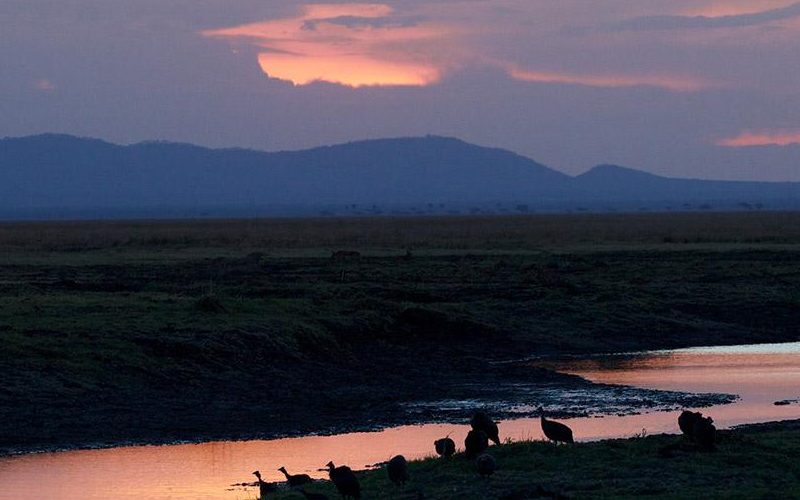
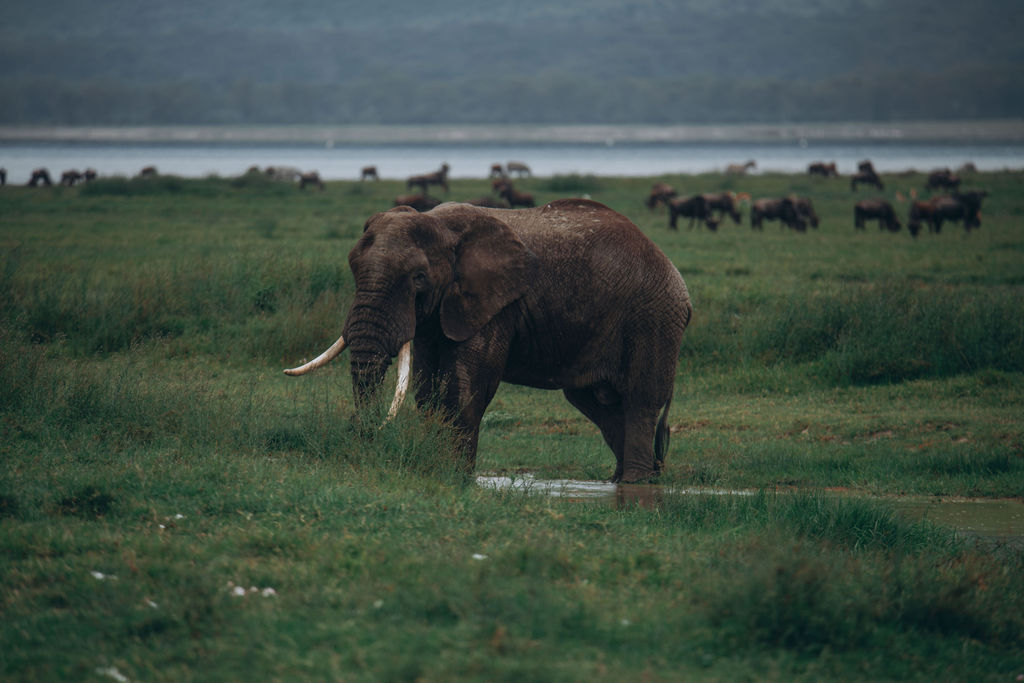
The Rufiji is the park's beating heart: boat safaris drift past yawning hippos and basking crocodiles, while the lakes draw elephant, buffalo and some of Africa's last great populations of African wild dog. Walking safaris and fly camping here are among the finest anywhere on the continent.
Nyerere pairs naturally with Mikumi and Ruaha on a southern-circuit safari, or as a wild contrast to a Zanzibar beach stay — it is a short flight from Dar es Salaam.
Wildlife
What You'll See
- African Wild Dog
- Elephant
- Hippo
- Crocodile
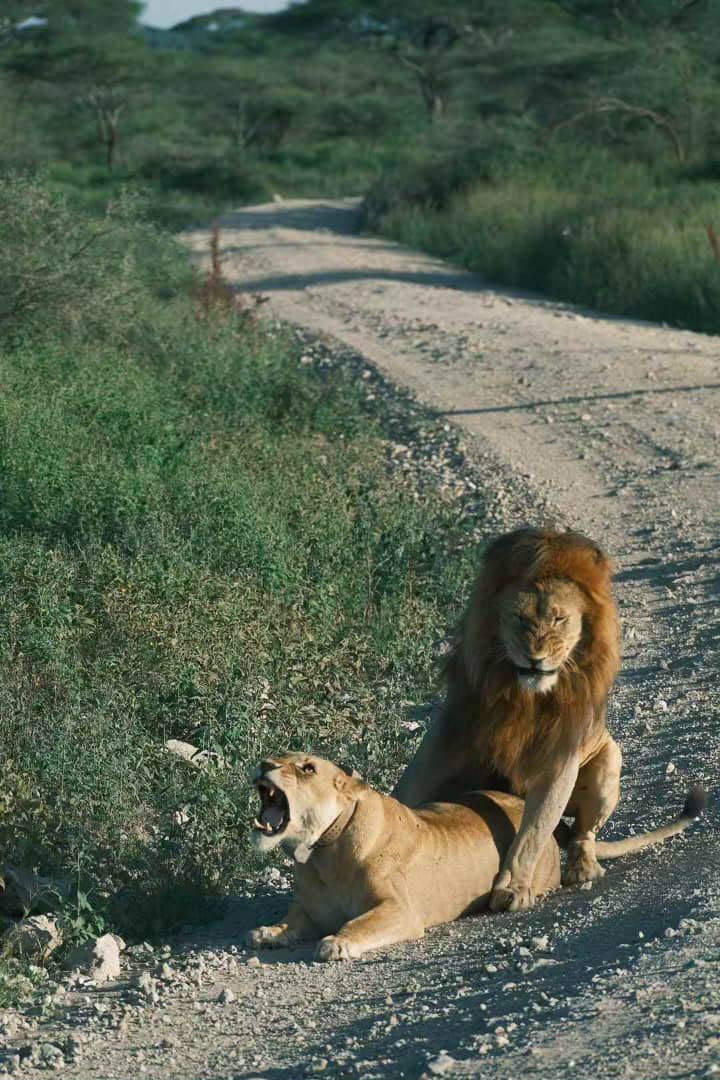
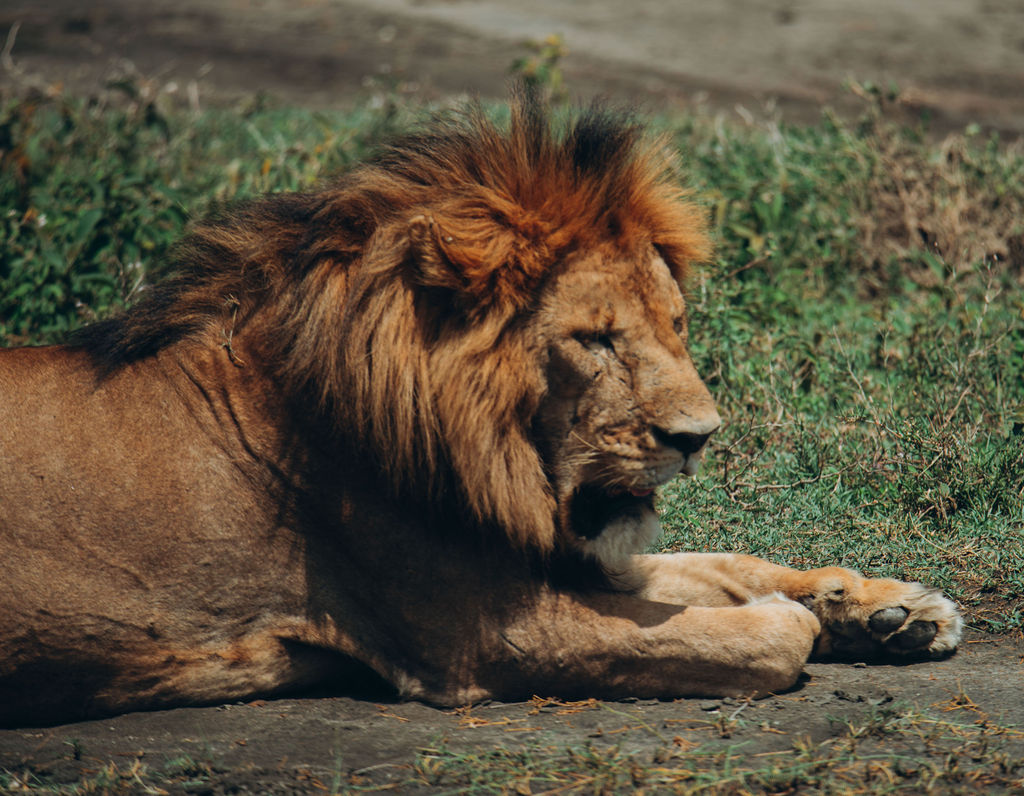
- Lion
- Buffalo
- Sable Antelope
Activities
What You Can Do
- Boat safaris on the Rufiji
- Game drives
- Walking safaris
- Fly camping
The Selous
Africa's Largest Park, and What Changed
Nyerere National Park was carved out of the northern part of the Selous Game Reserve in 2019 and is now the largest national park in Africa. The name is new; the wilderness is not. This is a vast, water-laced landscape of the Rufiji River, its lakes and channels, and the miombo woodland behind them.
What sets Nyerere apart from the northern circuit is what you are allowed to do. Boat safaris on the Rufiji put you at eye level with hippo, crocodile and drinking elephant, and walking safaris with an armed ranger let you leave the vehicle entirely. Neither is possible in the Serengeti. For anyone who has done a conventional game-drive safari and wants a different relationship with the bush, this is the park.
Wildlife is abundant rather than dense — the sheer size means animals are spread out — but the park holds significant elephant, buffalo, hippo and crocodile populations, plus one of Africa's most important refuges for the endangered African wild dog.
What you do
Nyerere Highlights
Boat safaris on the Rufiji
Drifting past hippo pods, basking crocodiles and elephants coming down to drink, with skimmers and fish eagles overhead. The single best reason to come.
Walking safaris
On foot with an armed ranger, reading tracks and dung and approaching game quietly. A completely different experience from a vehicle, and prohibited in most northern parks.
African wild dog
One of the largest remaining populations on the continent. Denning season around June to August offers the most reliable sightings anywhere in East Africa.
Fly-camping under canvas
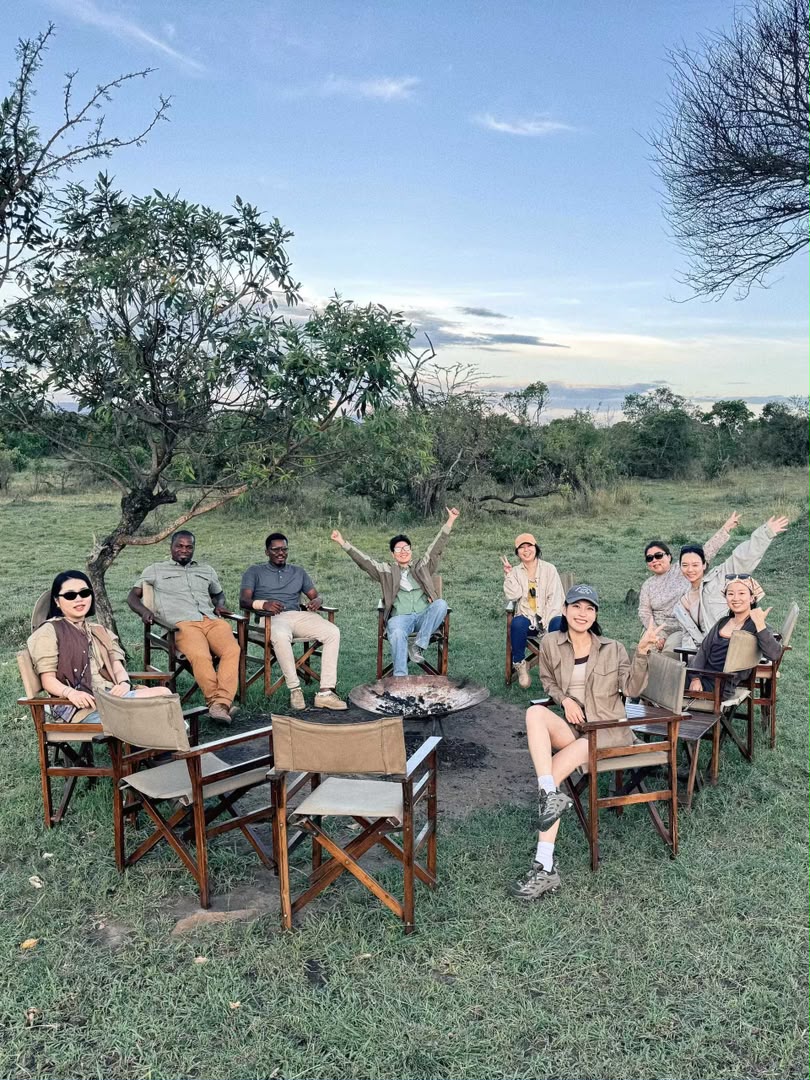
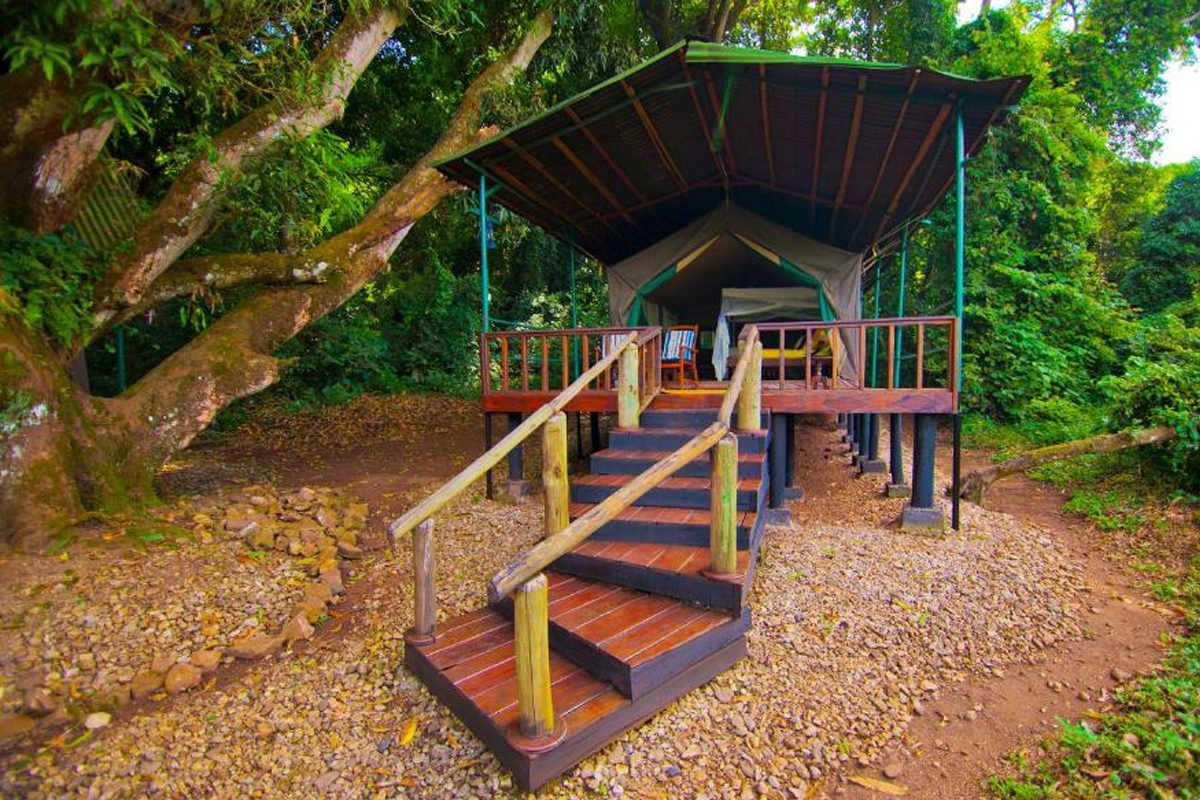
A night out in a simple mosquito-net tent away from the main camp, with dinner over a fire. As close to the old safari as it is still possible to book.
Planning
Nyerere FAQs
When should I visit Nyerere?
June to October is the dry season and the best window — game concentrates on the river, the walking is comfortable and access is reliable. January and February are hot and good. Many camps close entirely from March through May during the long rains, when tracks become impassable and the park is genuinely difficult to move around.
How does Nyerere compare to the Serengeti?
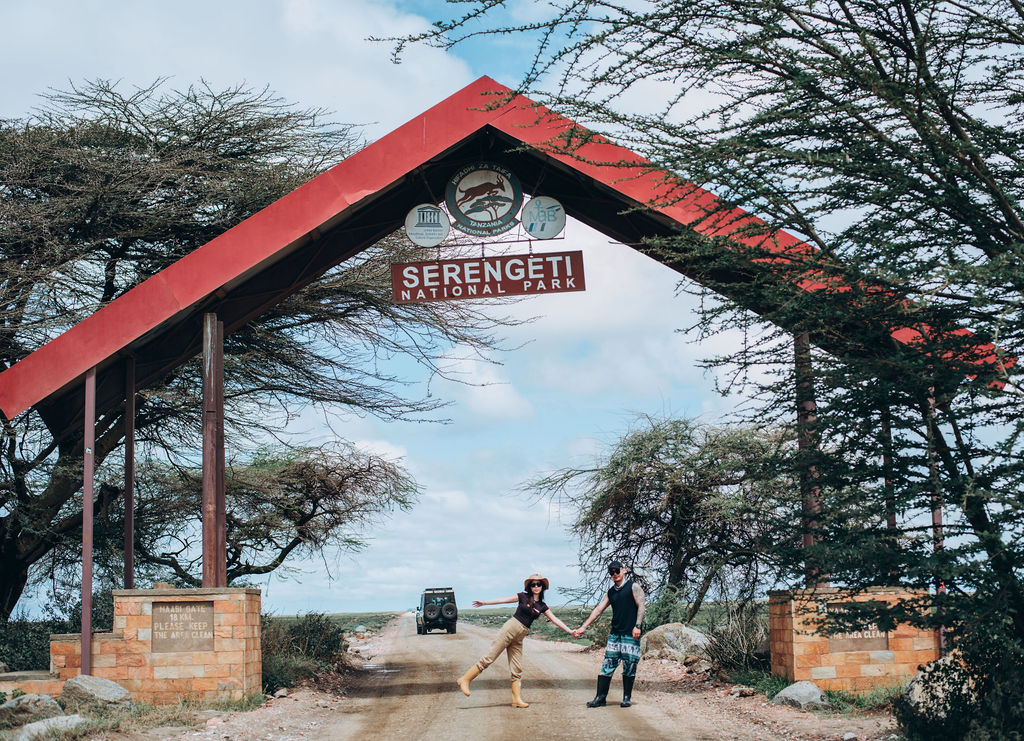
Different, not lesser. The Serengeti has far higher wildlife density, the migration and better roads; Nyerere has boats, walking, wild dog and almost no other vehicles. First-time visitors chasing the classic safari should go north. Anyone who wants to be on foot or on water, and who values solitude over a checklist, will prefer Nyerere.
How do I get there?
Light aircraft from Dar es Salaam takes about forty-five minutes and is how most guests arrive. There are also flights from Zanzibar and Arusha, and a road transfer from Dar es Salaam of five to seven hours depending on conditions. Nyerere pairs naturally with Ruaha, and both combine easily with a Zanzibar beach finish.
Gallery
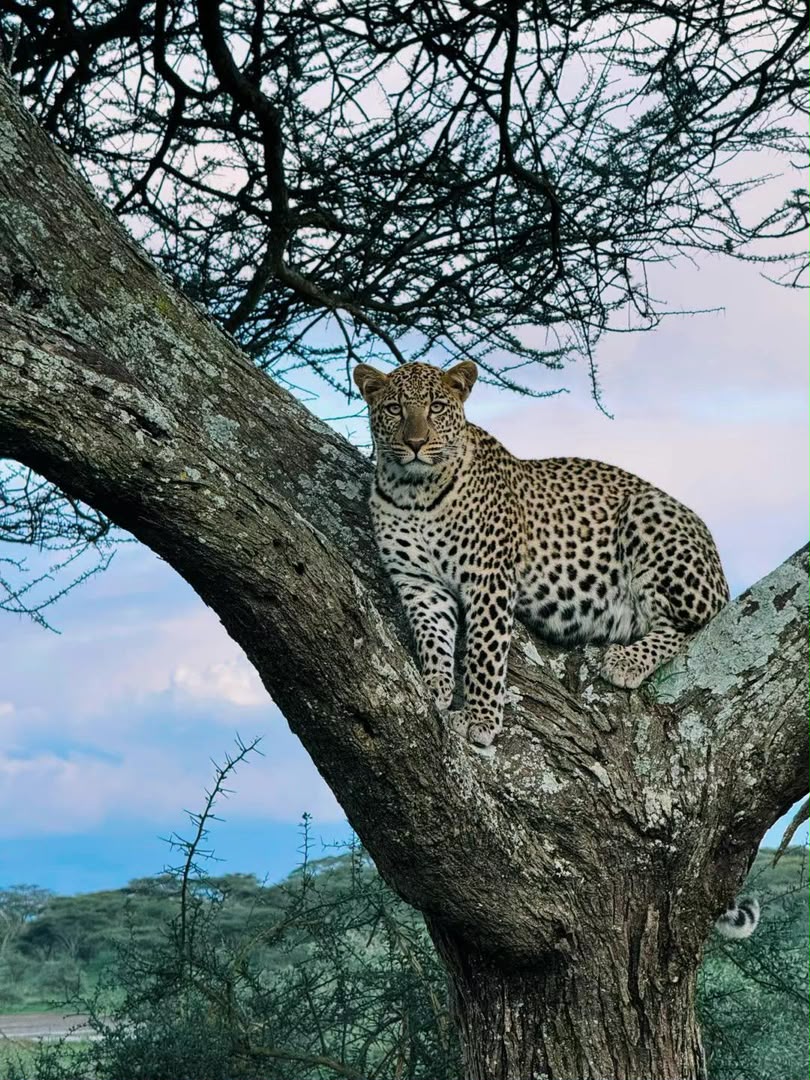
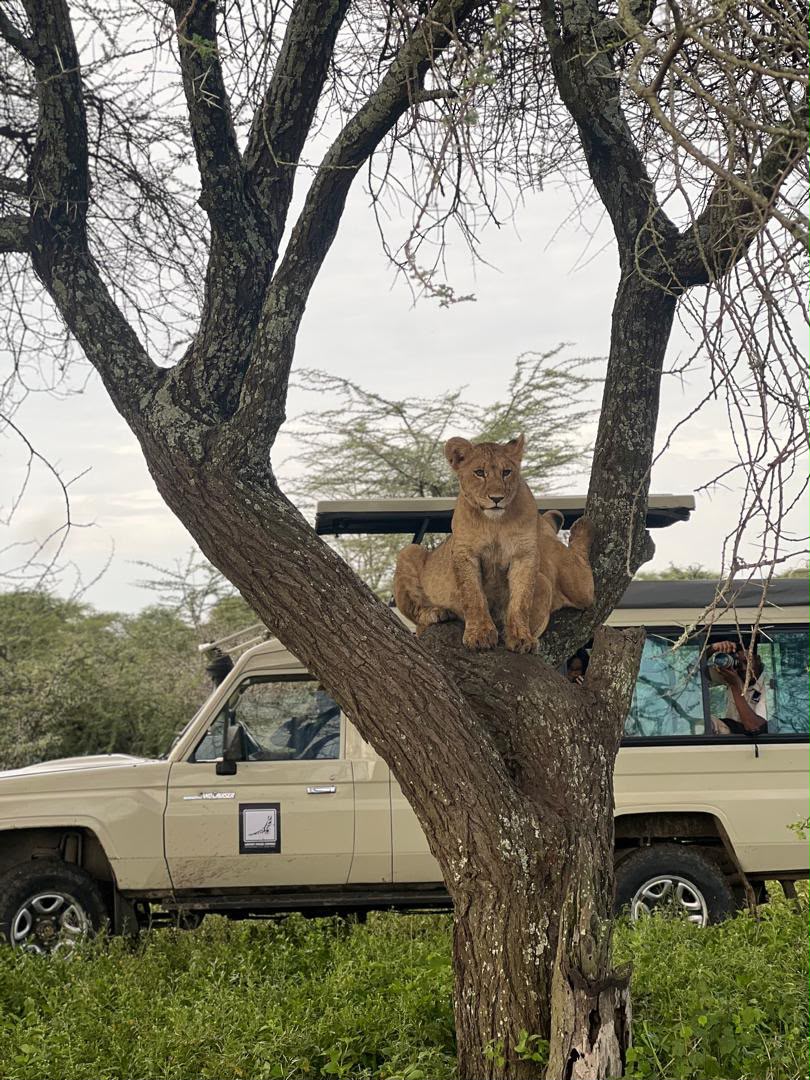
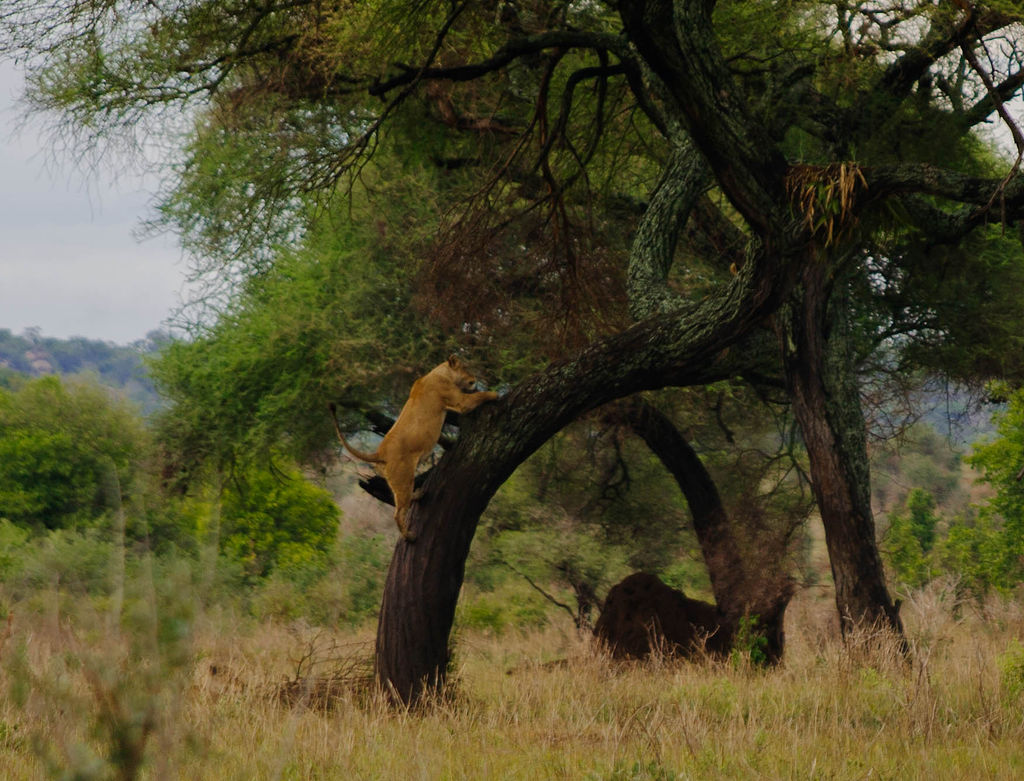
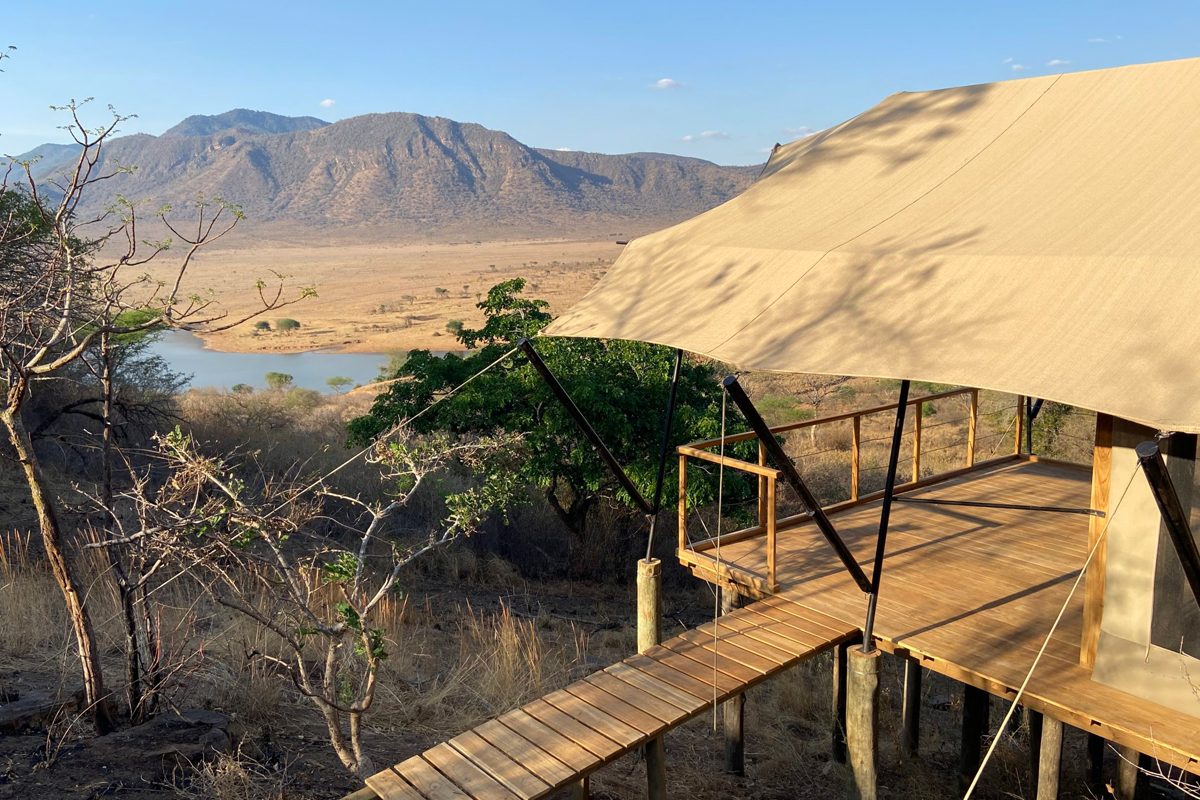
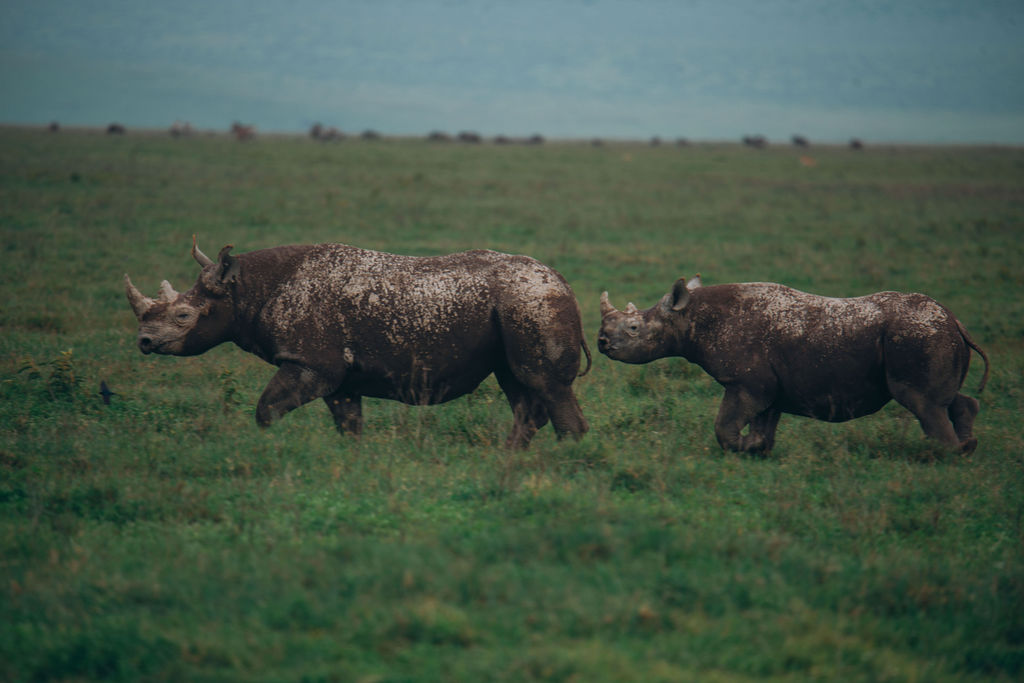
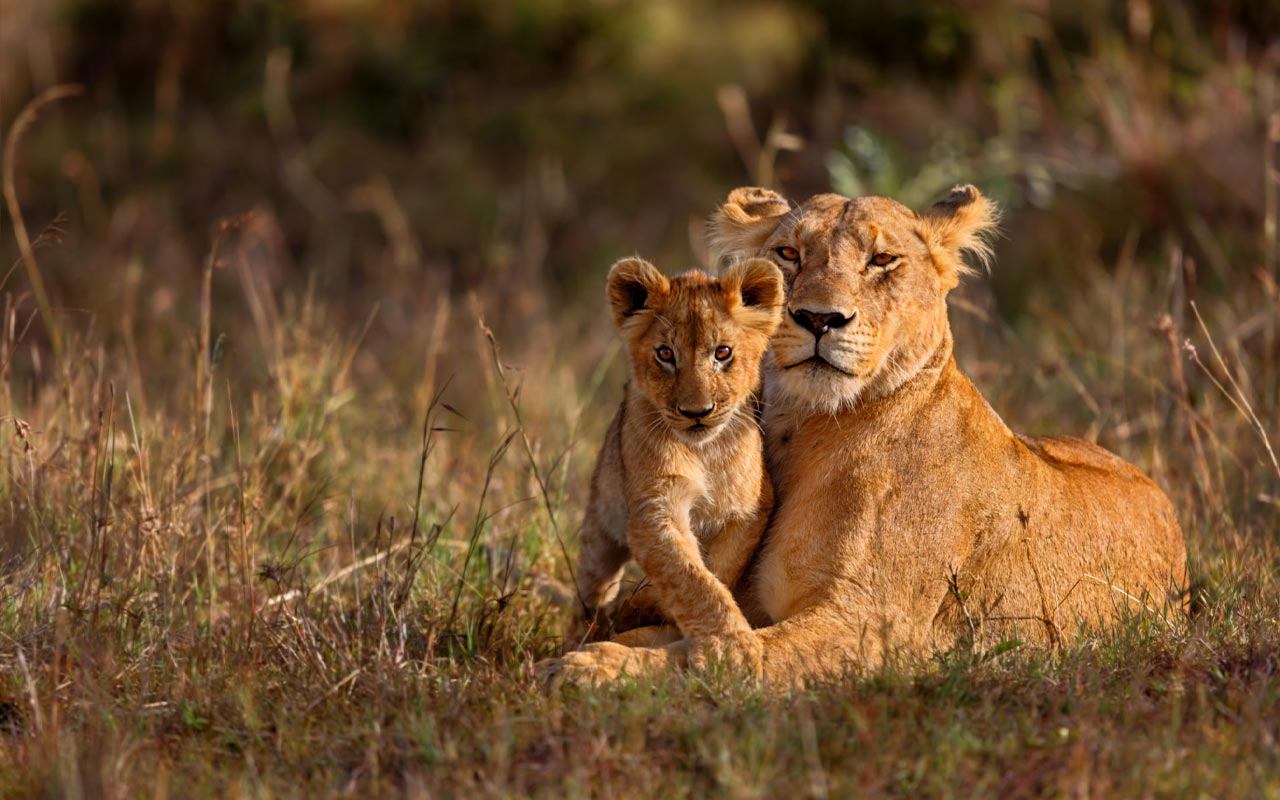
A Glimpse of Nyerere National Park
Let's plan together
Ready to Experience Tanzania?
Tell us your dates and dreams — our Arusha team will craft a private itinerary within 24 hours.
