
Zanzibar Vacation
Beach & culture
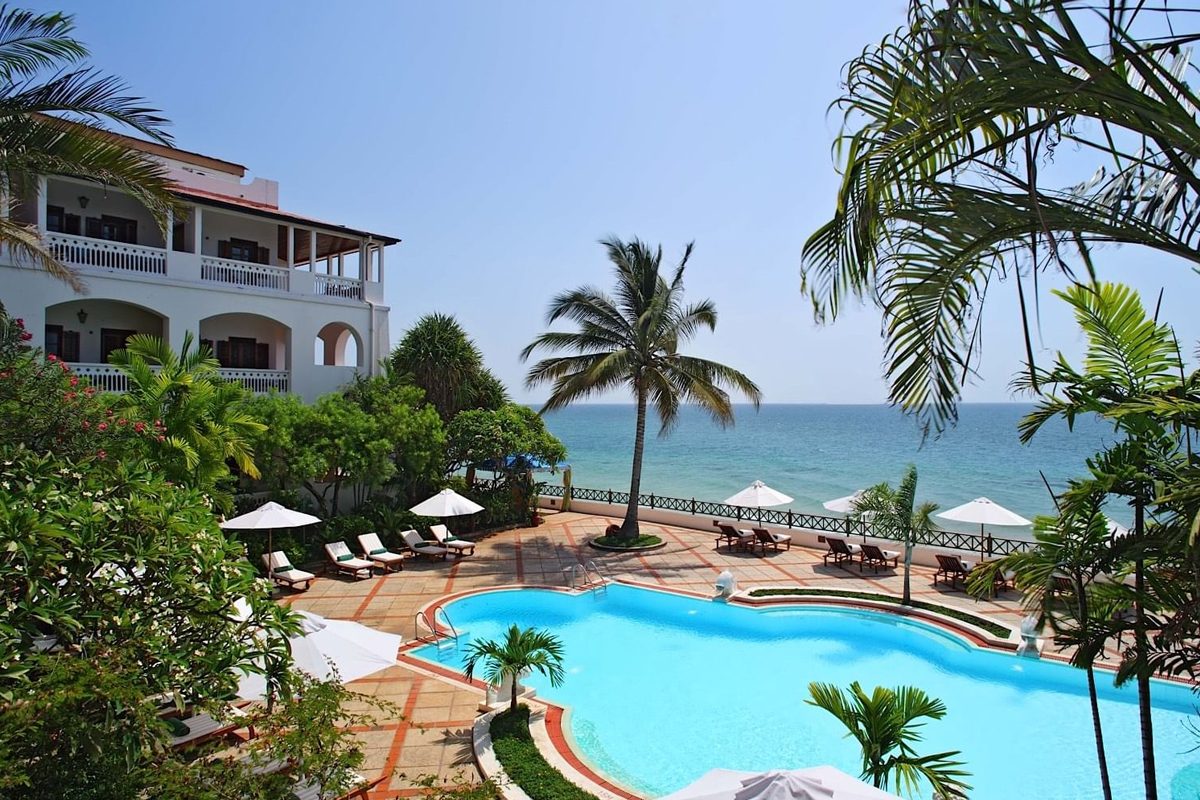
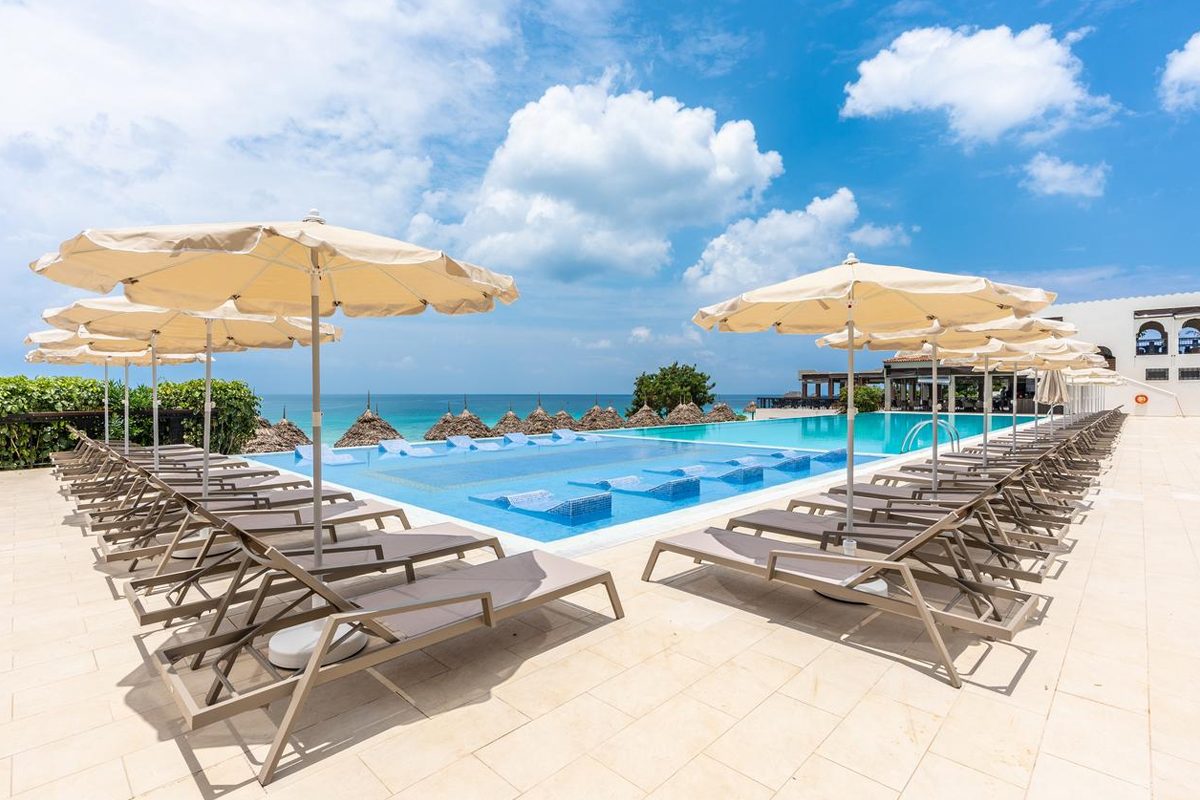
White-sand beaches, Stone Town history and spice-farm mornings — finish your safari on the Indian Ocean.
5 options
Safaris With Zanzibar
Filter by price
$800 $7,950
No safari matches that. Widen the price range, or tell us what you had in mind and we will build it.
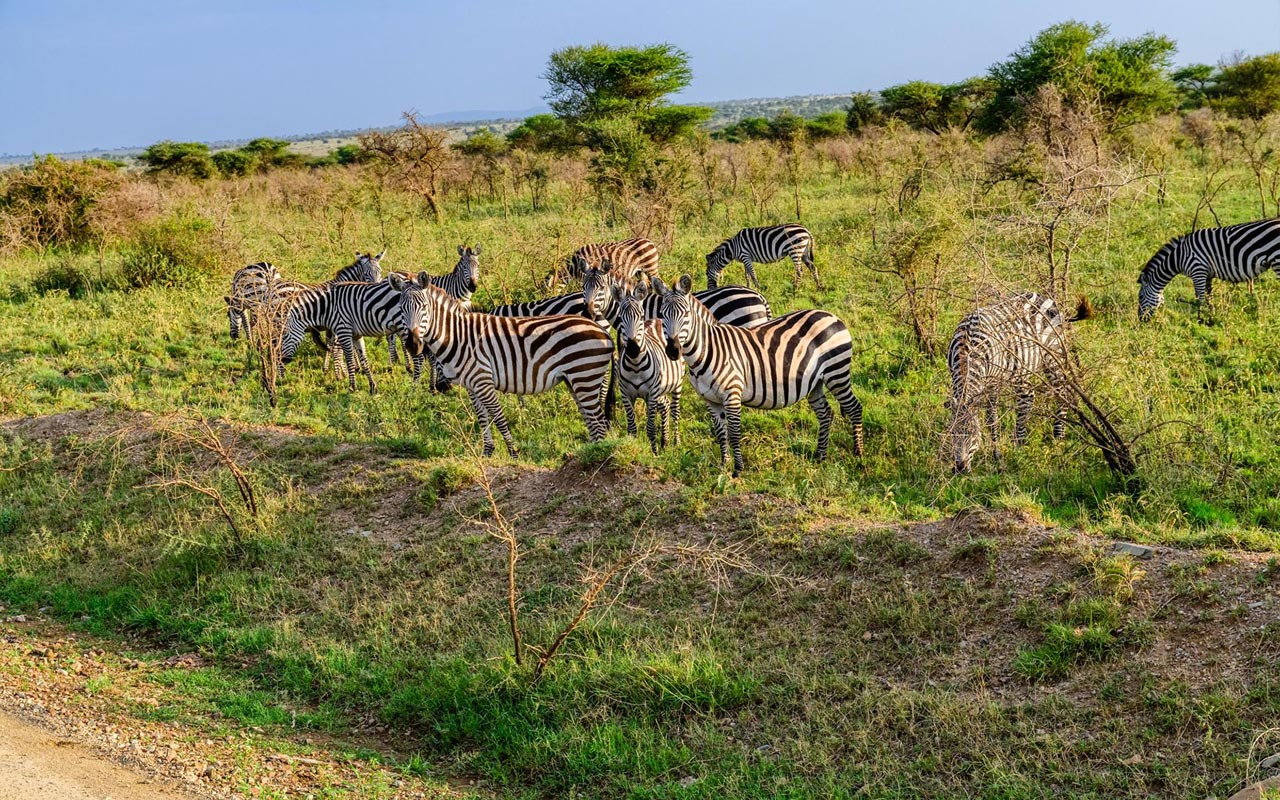
3 Days Safari from Zanzibar - Tarangire Np and Ngorongoro Crater
Zanzibar → Tarangire → Ngorongoro
- Mid-range
- 4×4 Land Cruiser
From $830 pp
View details10 Days Tanzania safari & Zanzibar Beach
Zanzibar → Tarangire → Lake Manyara → Serengeti
- Mid-range
- 4×4 Land Cruiser
From $3,050 pp
View details11 Days Tanzania Luxury Safari & Zanzibar Getaway
Zanzibar → Tarangire → Lake Manyara → Ngorongoro
- Luxury
- 4×4 Land Cruiser
From $7,940 pp
View details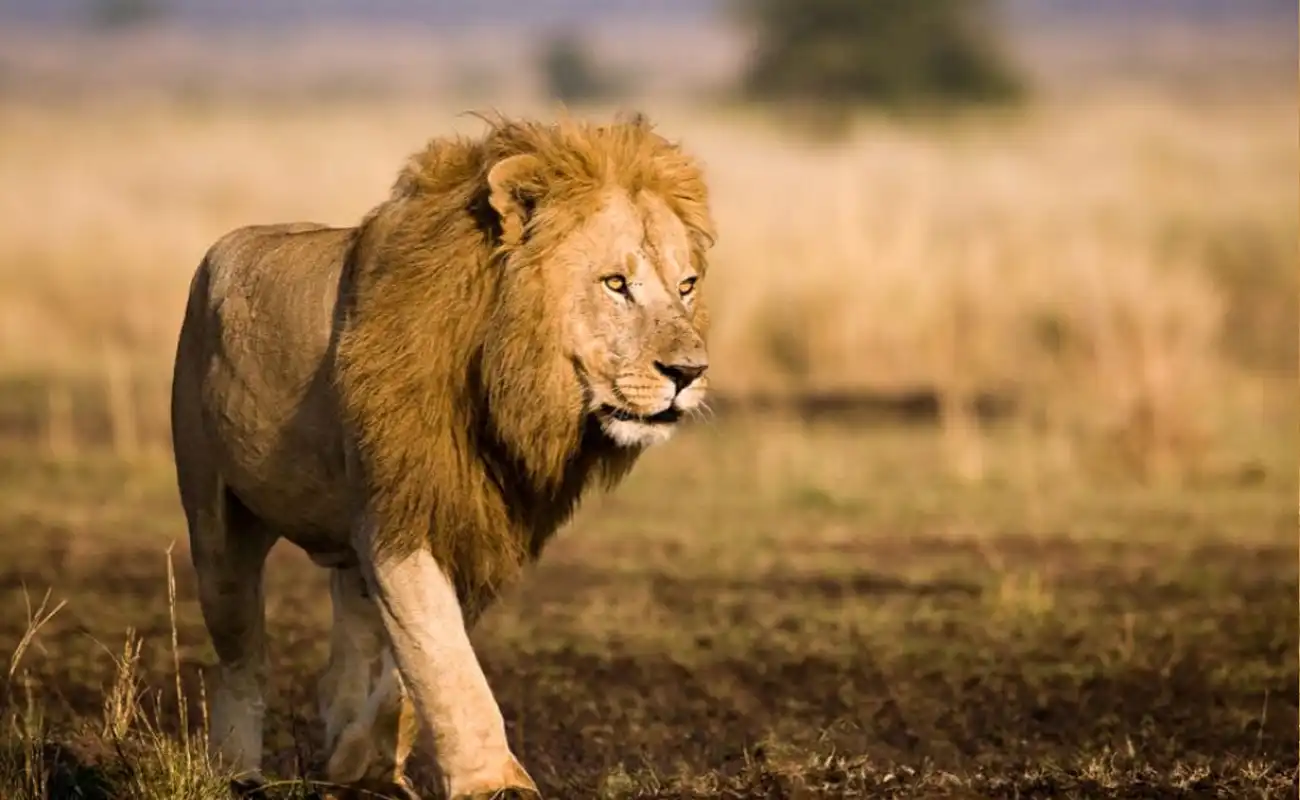
13-Day Bush to Beach Adventure in Tanzania: Northern Safari & Zanzibar Escape
Zanzibar → Tarangire → Serengeti → Ngorongoro
- Mid-range
- 4×4 Land Cruiser
From $6,450 pp
View details13 Days Best of Tanzania and Zanzibar
Zanzibar → Serengeti → Ngorongoro → Lake Manyara
- Mid-range
- 4×4 Land Cruiser
From $5,320 pp
View detailsLocal knowledge
Guides & Planning Advice
The spice island
Zanzibar Beach Holidays
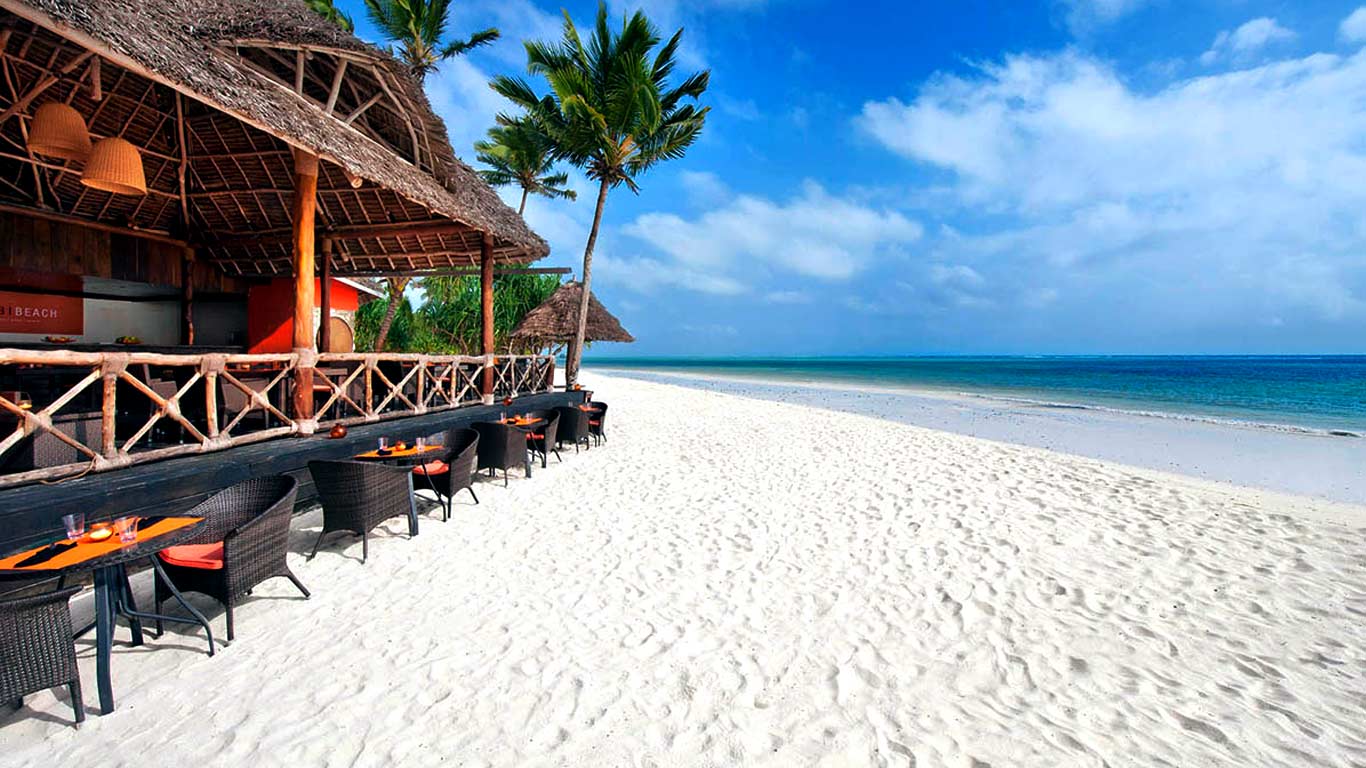
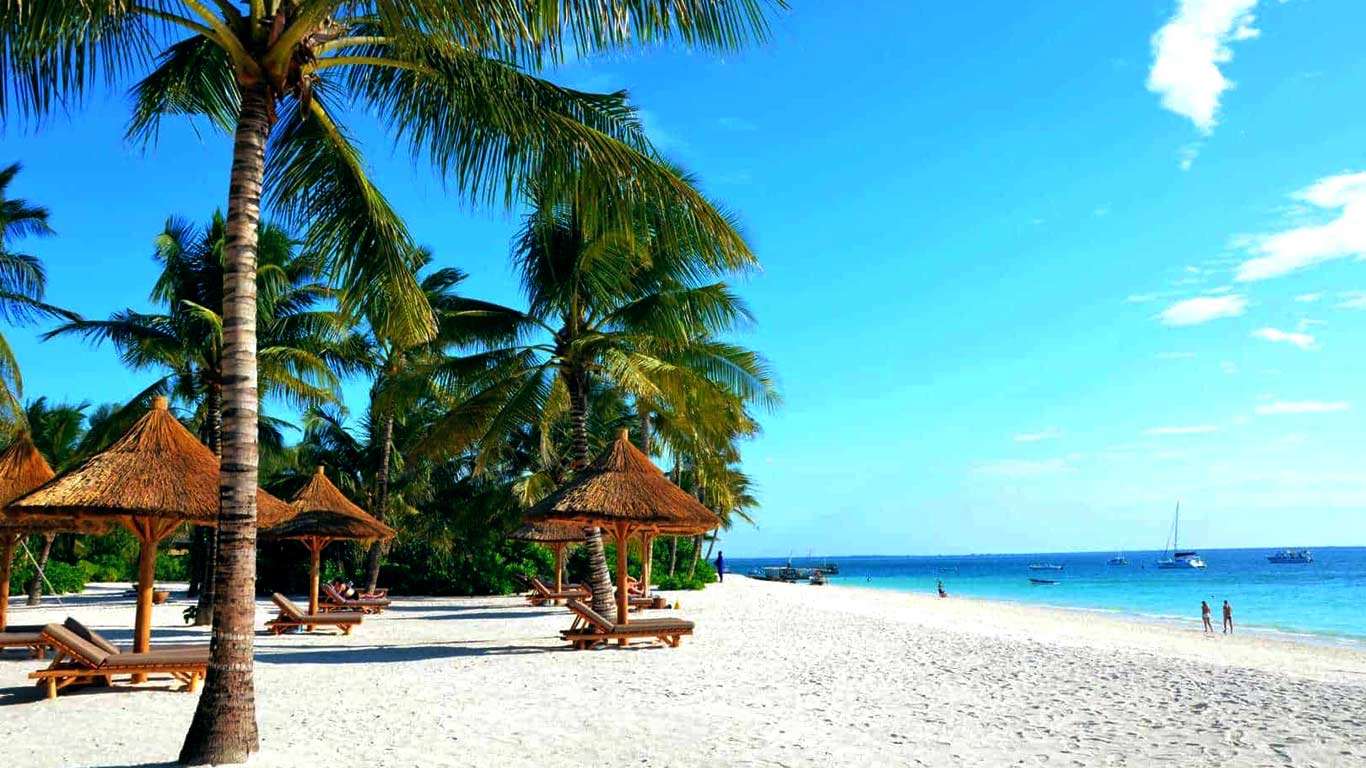
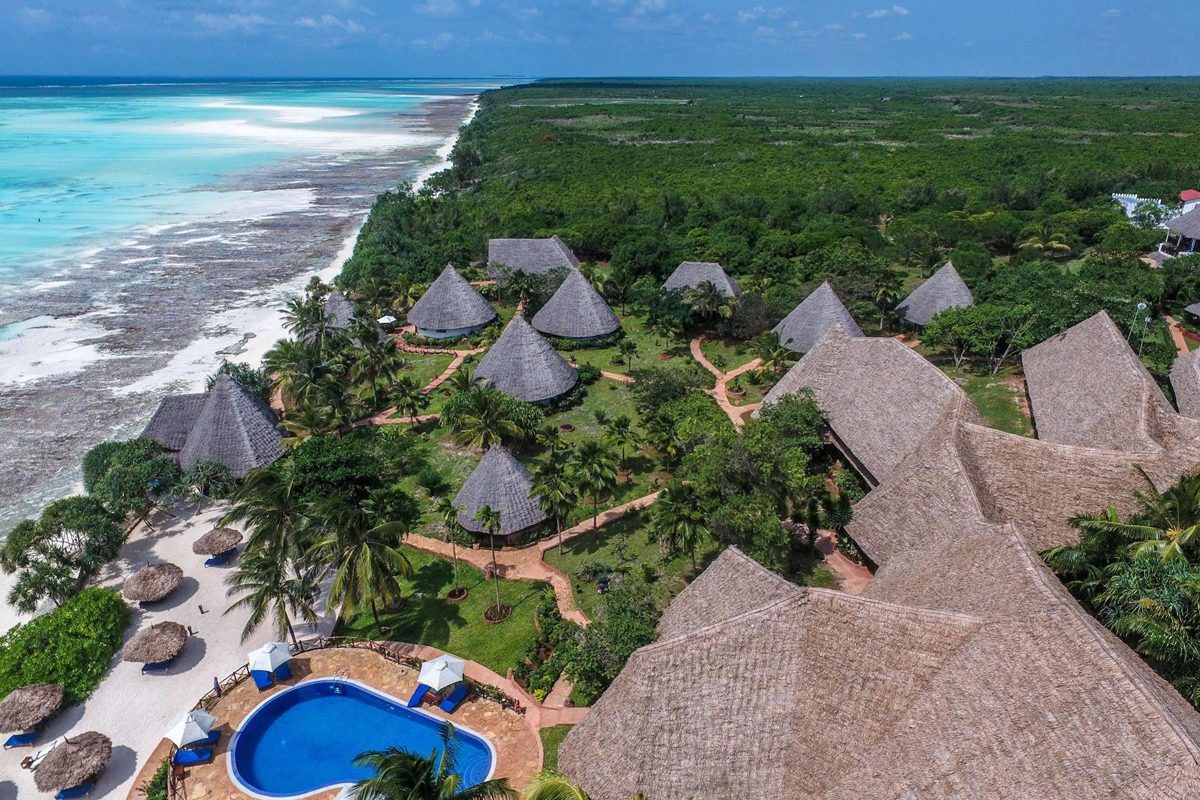
Zanzibar is an amazing home for beach tours and holidays in the whole of East Africa. The ambience at these calm, white-sand palm beaches smells only of peace and tranquillity — and the beach hotels and lodges are internationally standardised, from upscale luxury to budget-friendly but decent lodgings.
You can also visit the neighbouring Mafia Archipelago for a more tranquil ambience and small, intimate lodgings — high value if you desire a personalised, serene vacation, possibly with only your loved one, on isolated sandbars surrounded by shallow coral seas.
Island icons
Zanzibar Attractions
Zanzibar is an exotic land — a tropical idyll true to its "spice island" reputation. At its heart is fascinating Stone Town, where time has seemingly stood still; during harvest season between July and December the air hangs thick with the scent of clove, and along the east coast run endless beautiful beaches and inviting aquamarine water.
Stone Town
Old historic buildings with a story behind each one — the living heart of the island.
Read morePrison (Changuu) Island
A short dhow ride from town — giant tortoises, snorkelling and a stormy history.
Mnarani Beach
A quiet northern beach famous for its natural turtle aquarium.
Pemba Island
The wilder, greener sister island — untouched reefs and few crowds.
Chumbe Island
A nature reserve harbouring one of the most spectacular coral gardens in the world, with seven eco-bungalows set between the beach and the forest.
The islands
Zanzibar: The Other Half of Your Tanzania Trip
Zanzibar sits about twenty-five miles off the Tanzanian coast in the Indian Ocean — a short flight from Arusha, and a completely different country in feel. It is an archipelago with a thousand years of trading history behind it: Persian, Omani, Indian and Swahili influences layered over each other, visible in the carved doors of Stone Town and audible in the language on the street.
Most guests come here for the beaches, and they are genuinely world-class: flour-white sand, water in three shades of turquoise, and dhows with triangular sails on the horizon. But the island rewards anyone who looks past the sun loungers. Stone Town is a UNESCO World Heritage Site and a working city rather than a museum. The spice farms inland are the reason the island was fought over for centuries. Jozani Forest holds the red colobus monkey, found nowhere else on earth. And the reefs off Mnemba are among the best diving in East Africa.
The single best piece of planning advice: come here after your safari, not before. The contrast works in that direction, and after a week of five-thirty starts you will have earned it.
What to do
Zanzibar Beyond the Beach
Stone Town
A labyrinth of coral-stone alleys, carved wooden doors, Omani balconies and Indian merchant houses. Visit the old slave market and the Anglican cathedral built on its site, browse the Darajani market, and end at the Forodhani Gardens night food stalls where the whole town comes to eat by the water.
A spice farm tour
Cloves, nutmeg, cinnamon, vanilla, cardamom and black pepper still grow on smallholdings inland, and this is what made Zanzibar wealthy and contested. You taste and smell everything as you walk, which makes it one of the few tours that genuinely delights children.
Jozani Forest
The last significant stand of indigenous forest on the island, and the only place to see the Zanzibar red colobus — an endemic monkey with no fear of people. A mangrove boardwalk runs through the wetter section and the whole visit takes about two hours.
Mnemba Atoll and the reefs
Snorkelling and diving in clear, warm water over healthy coral, with a good chance of dolphins on the boat trip out. Suitable for complete beginners; the dive schools on the north and east coasts are well run and PADI-certified.
The Blue Lagoon and Kuza Cave
Swimming in clear natural pools inside coral caverns, with the light coming through the water from above. Quieter and more atmospheric than the busier beach clubs, and a good half day when the sun is at its fiercest.
A sunset dhow cruise
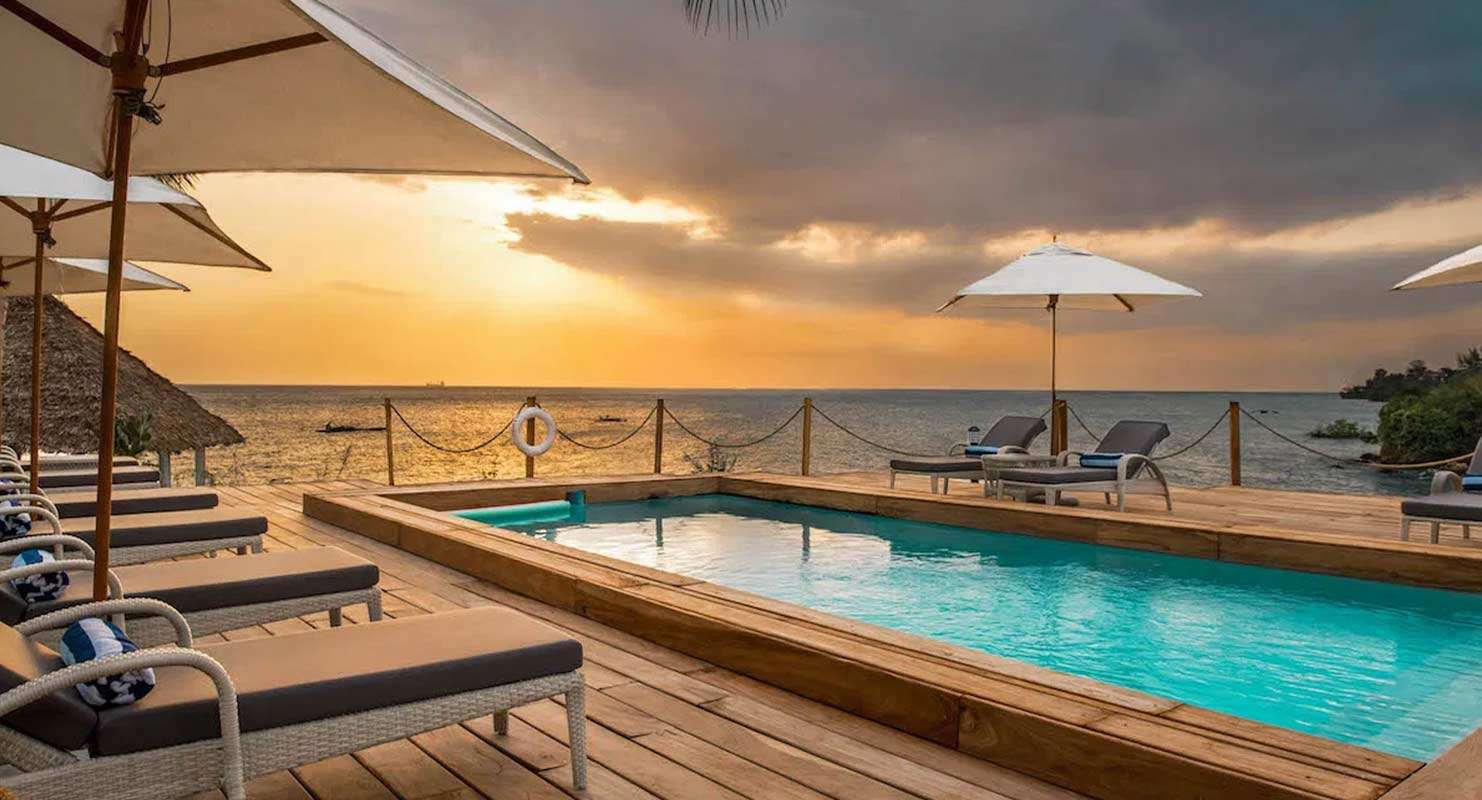
Traditional wooden sailing boats leaving from Kendwa or Nungwi as the light goes gold. Simple, cheap and the most photographed hour of most people's trip for good reason.
Where to stay
Choosing Your Side of the Island
Zanzibar's coasts are genuinely different from one another, mostly because of the tide. On the east coast the water retreats hundreds of metres twice a day, which is fascinating to walk on and frustrating if you wanted to swim at three in the afternoon.
| Area | Character | Swimming | Best for |
|---|---|---|---|
| Nungwi & Kendwa (north) | Lively, plenty of restaurants and bars, sunset views | All day, minimal tidal effect | First-time visitors, groups, anyone who wants to swim whenever they like |
| Paje & Jambiani (south-east) | Laid-back, kitesurfing, village life along the beach | Tide-dependent, superb lagoon at high tide | Kitesurfers, younger travellers, long quiet beach walks |
| Matemwe & Pwani Mchangani (east) | Quiet, spread out, closest to Mnemba | Tide-dependent, excellent snorkelling offshore | Divers, honeymooners, people who want nobody else on the sand |
| Stone Town | Historic, urban, walkable, full of restaurants | No beach swimming — use a hotel pool | History, food, one or two nights at the start or end |
When to go
Zanzibar Through the Year
-
June – October
The long dry season
The best months and the busiest. Hot days, low humidity, calm seas and reliable sunshine — and it lines up perfectly with the peak safari season, which is why most combined trips land here.
-
December – February
Hot and clear
The second peak. Very warm, excellent diving visibility, and the liveliest time in the beach towns. Christmas and New Year book out months ahead and carry a significant premium.
-
March – May
The long rains
Heavy afternoon downpours, high humidity, and some smaller hotels close entirely. Prices are at their lowest and the island is at its greenest and emptiest if you can work around the weather.
-
November
The short rains
Brief showers rather than washouts, warm sea, and noticeably fewer people. Often the best value month of the year for a beach finish.
Island practicalities
What to Know Before You Land
- Check the tide table for your beach before booking — it shapes your whole day on the east coast
- Pack reef-safe sunscreen and a rash vest; the equatorial sun here is stronger than it feels in the breeze
- Carry small Tanzanian shilling notes for markets, taxis and tips — cards work in hotels but little else
- Bring modest clothing for Stone Town and the villages: shoulders and knees covered
- Book Mnemba snorkelling and dhow trips through your hotel rather than on the beach
- Allow two hours for the airport on departure; the terminal is small and queues build quickly
- Take your malaria prophylaxis through the beach leg, not just the safari leg
- Agree taxi fares before getting in — meters are not used on the island
Good to know
Zanzibar FAQs
How do I get from the safari to Zanzibar?
By air, and it is easy. Direct flights run several times daily from Arusha and from the Serengeti airstrips to Zanzibar, taking roughly ninety minutes from Arusha or a little over two hours from the Serengeti with a stop. Flying straight from a bush airstrip to the beach without going back through Arusha is the smoothest way to do it, and we build that connection into combined itineraries as a matter of course.
Do I need a separate visa for Zanzibar?
No. Zanzibar is part of Tanzania and your Tanzanian visa covers it. You will pass through a domestic immigration desk on arrival where your passport is checked and stamped, and there is a mandatory local travel insurance fee payable on entry. Bring your passport even on an internal flight.
What should I wear in Zanzibar?
Beachwear is fine on the beach and at your hotel. Zanzibar is a predominantly Muslim island, and away from the resorts — in Stone Town, in the villages, at the markets — covering shoulders and knees is expected and appreciated. Men should wear a shirt away from the sand. During Ramadan, be particularly discreet about eating and drinking in public during daylight hours.
Is Zanzibar safe?
Yes, for the overwhelming majority of visitors. Petty theft is the main concern — keep valuables in the hotel safe, do not walk on unlit beaches at night, and be alert in the narrow alleys of Stone Town after dark. Beach vendors can be persistent but are not dangerous; a firm, friendly refusal is all that is needed. The usual advice about drinking bottled water and being careful with street food applies.
Can I do a day trip to Zanzibar from the mainland?
Technically yes, and we would talk you out of it. Flights from Arusha take about ninety minutes each way and the ferry from Dar es Salaam takes two hours, so a day trip means four hours of travel for a few hours on the island, and you would see none of what makes it worth coming for. Two nights is the practical minimum, three is better.
What is the food like on the island?
Some of the best in East Africa, and heavily shaped by the spice trade. Expect Swahili seafood - grilled kingfish, octopus curry, prawns in coconut and tamarind - alongside Indian and Omani influences in the biryanis and pilau. The Forodhani Gardens night market in Stone Town is the classic experience: grilled seafood skewers, Zanzibar pizza and fresh sugarcane juice by the waterfront. Beach hotels cater well to Western tastes if you prefer something familiar.
How many nights should I spend there?
Three to four nights after a safari is the standard, and it works well: one night in Stone Town for the history and the food, then two or three on a beach. Five to seven nights suits honeymooners and anyone who genuinely wants to do nothing. Fewer than three and you spend a disproportionate share of it in transit.
Is malaria a risk on the island?
Zanzibar has substantially reduced malaria transmission over the past two decades, but the risk is not zero and prophylaxis is generally still recommended — particularly as you will have been on the mainland. Use repellent in the evenings, sleep under the mosquito net your hotel provides, and follow whatever your doctor advises for the whole trip rather than treating the island separately.
Let's plan together
Ready to Experience Tanzania?
Tell us your dates and dreams — our Arusha team will craft a private itinerary within 24 hours.
