
Northern Circuit
Ngorongoro Conservation Area
Descend into the world's largest intact volcanic caldera
Trips that go here
Ngorongoro Conservation Area Safari Packages
Start with one of these, or we will build a route around Ngorongoro Conservation Area to suit your dates.

10-Day Luxury Tanzania Safari: Tarangire, Serengeti, & Ngorongoro Adventure
Tarangire → Serengeti → Ngorongoro → Lake Manyara
- Luxury
- 4×4 Land Cruiser
From $7,230 pp
View details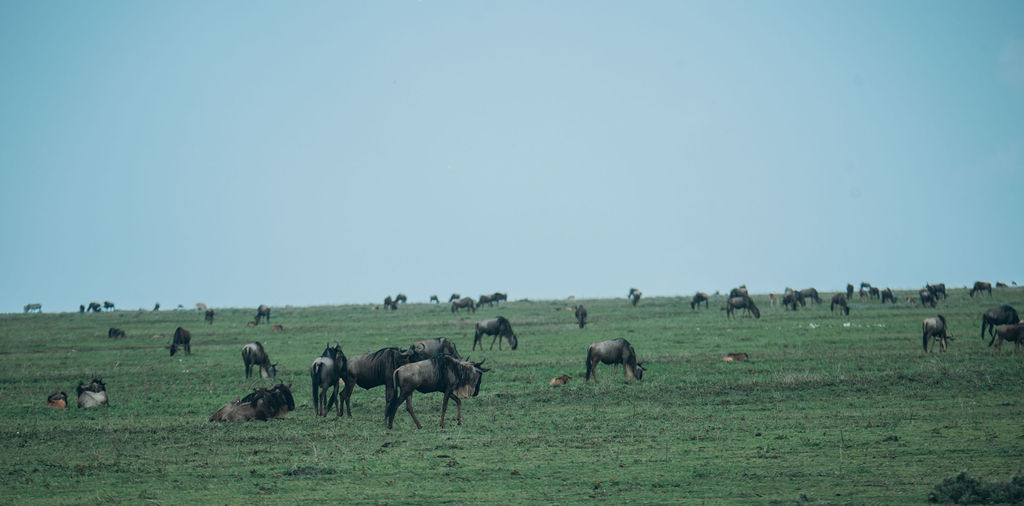
9-Day Tanzania Safari: Explore Arusha, Serengeti, Ngorongoro & Tarangire
Serengeti → Ngorongoro → Tarangire → Arusha NP
- Mid-range
- 4×4 Land Cruiser
From $2,730 pp
View details
3-Day Serengeti NP, Ngorongoro Crater
Serengeti → Ngorongoro
- Mid-range
- 4×4 Land Cruiser
From $940 pp
View details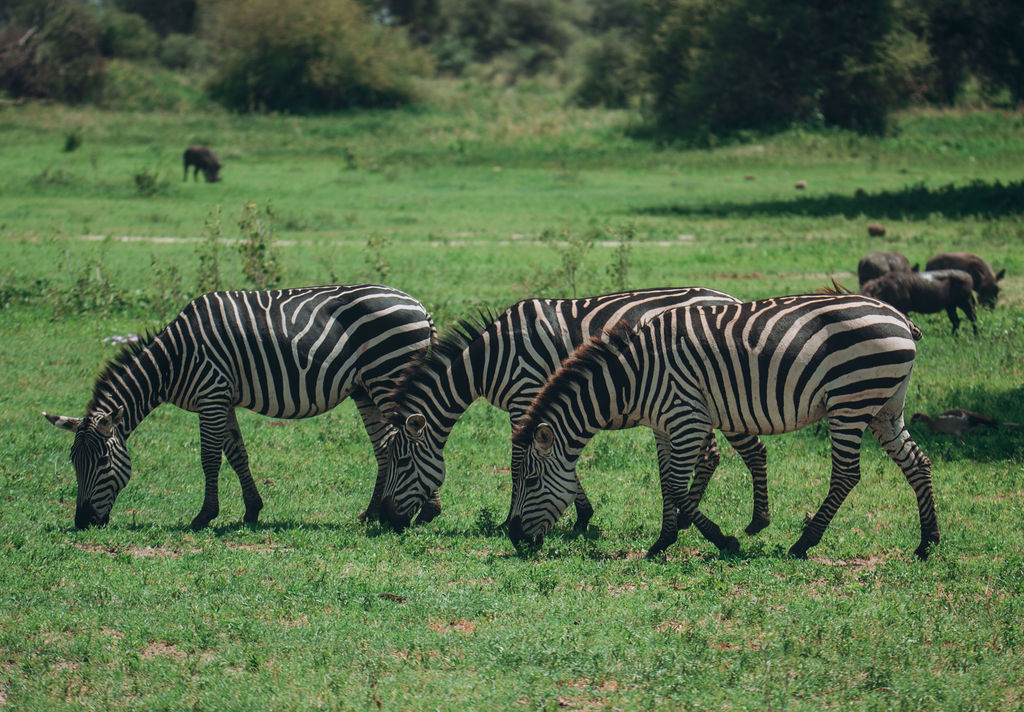
8-Day Tanzania Great Migration Safari: Tarangire, Ndutu, Serengeti, and Ngorongoro Crater
Tarangire → Ndutu → Serengeti → Ngorongoro
- Mid-range
- 4×4 Land Cruiser
From $3,810 pp
View details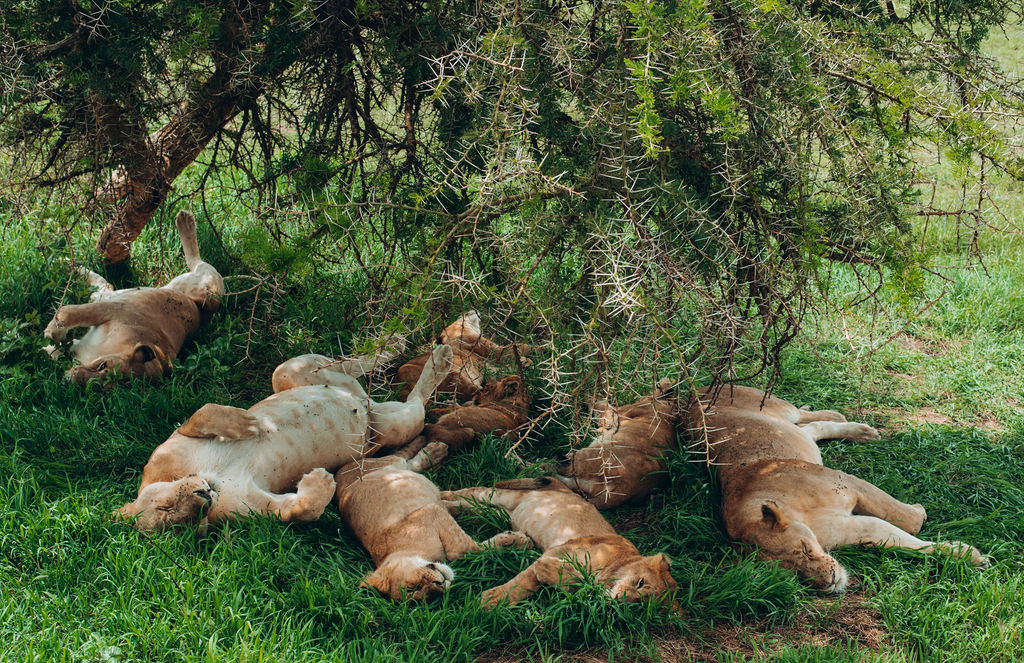
8-Day Tanzania Migration Safari: Tarangire, Serengeti, and Ngorongoro Crater Adventure
Tarangire → Serengeti → Ngorongoro
- Mid-range
- 4×4 Land Cruiser
From $2,710 pp
View details
5-Day Safari: Tarangire, Serengeti, Ngorongoro & Lake Natron
Serengeti → Tarangire → Ngorongoro → Lake Natron
- Mid-range
- 4×4 Land Cruiser
From $1,500 pp
View detailsAbout Ngorongoro Conservation Area
The Ngorongoro Conservation Area (NCA) is a UNESCO World Heritage site located in northern Tanzania. Spanning over 8,292 square kilometers, this region is a breathtaking mix of wildlife, dramatic landscapes, and cultural heritage. Established in 1959, the area was designated to protect the region’s biodiversity while allowing the Maasai people to continue their traditional lifestyles.
Located within the Great Rift Valley, Ngorongoro’s landscapes range from lush highlands to open savannas, creating diverse habitats that support an impressive array of wildlife. The centerpiece of this region is the Ngorongoro Crater, a massive volcanic caldera that holds one of Africa’s densest wildlife populations.
June to October (Dry Season)
- Wildlife Viewing: The dry season offers the best wildlife viewing. Animals gather around water sources, making it easier to spot them in the Ngorongoro Crater. The vegetation is less dense, so sightings are more frequent and clearer.
- Weather: The weather is generally warm and sunny, with minimal rainfall. Daytime temperatures range from 20°C to 25°C (68°F to 77°F), and it can be cooler in the mornings and evenings.
- Crowds: This is the peak tourist season, so expect more visitors, especially in the Ngorongoro Crater. However, this is also when the wildlife is most abundant, and the landscape is vibrant with life.
Summary:
- Best Overall Time: June to October (Dry season for excellent wildlife viewing).
- Best for Avoiding Crowds: April to May (Rainy season with fewer visitors).
- Best for Calving Season & Predators: January to March.
Ngorongoro Crater: Wildlife Highlights
- The NCA covers an area of 8,292 square kilometers (3,200 square miles).
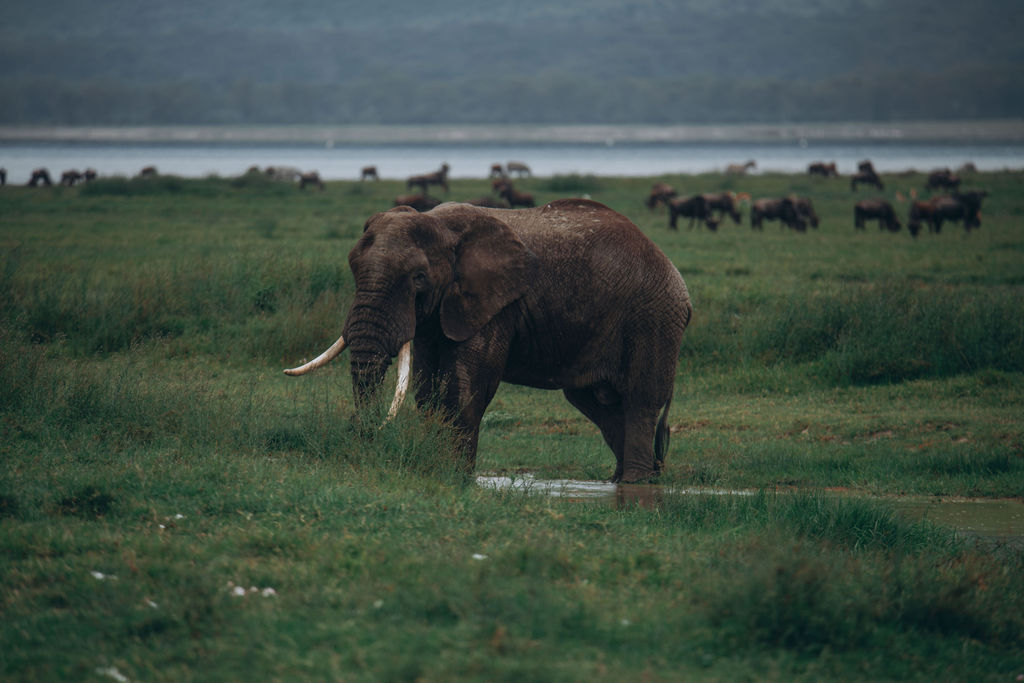
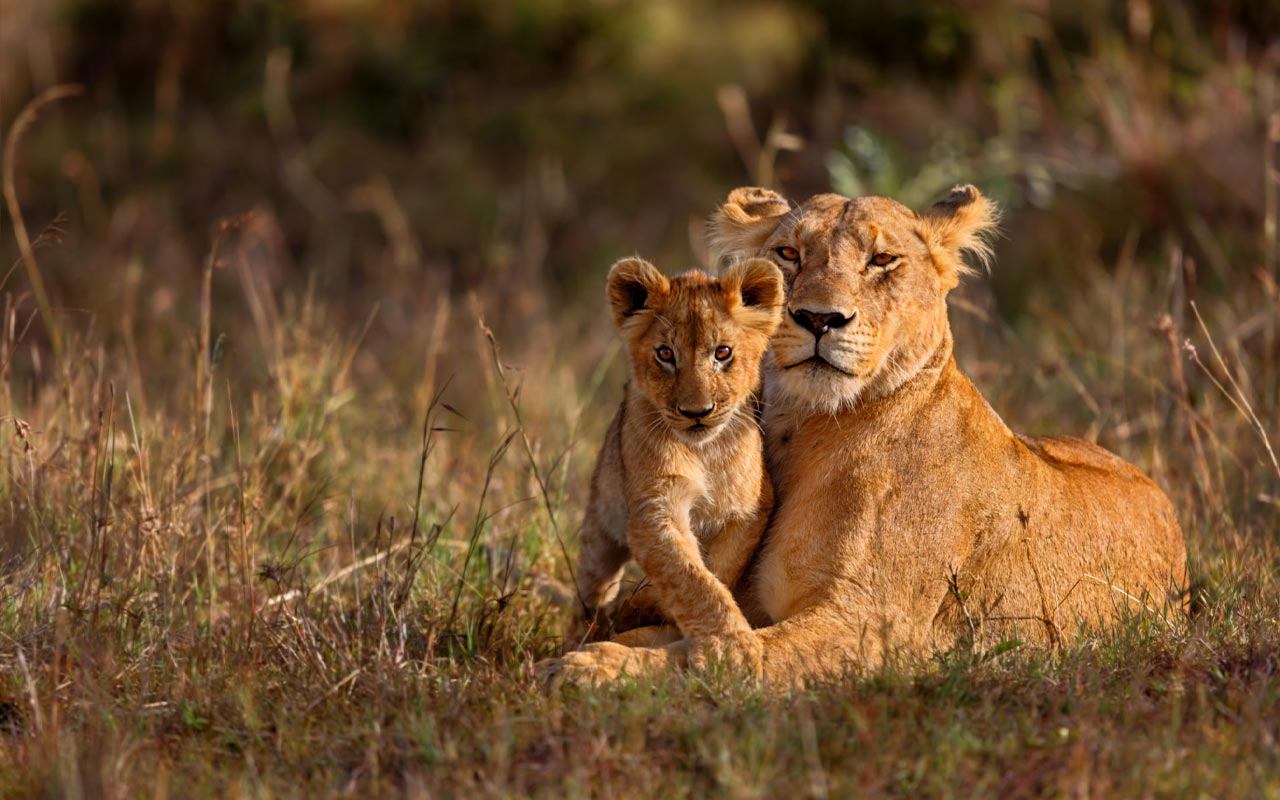
- The NCA is home to over 250,000 large mammals, including lions, elephants, giraffes, zebras, and wildebeest.
- The NCA is also home to over 500 bird species.
- The NCA is a UNESCO World Heritage Site because of its unique combination of wildlife, geology, and cultural significance.
Ngorongoro Crater
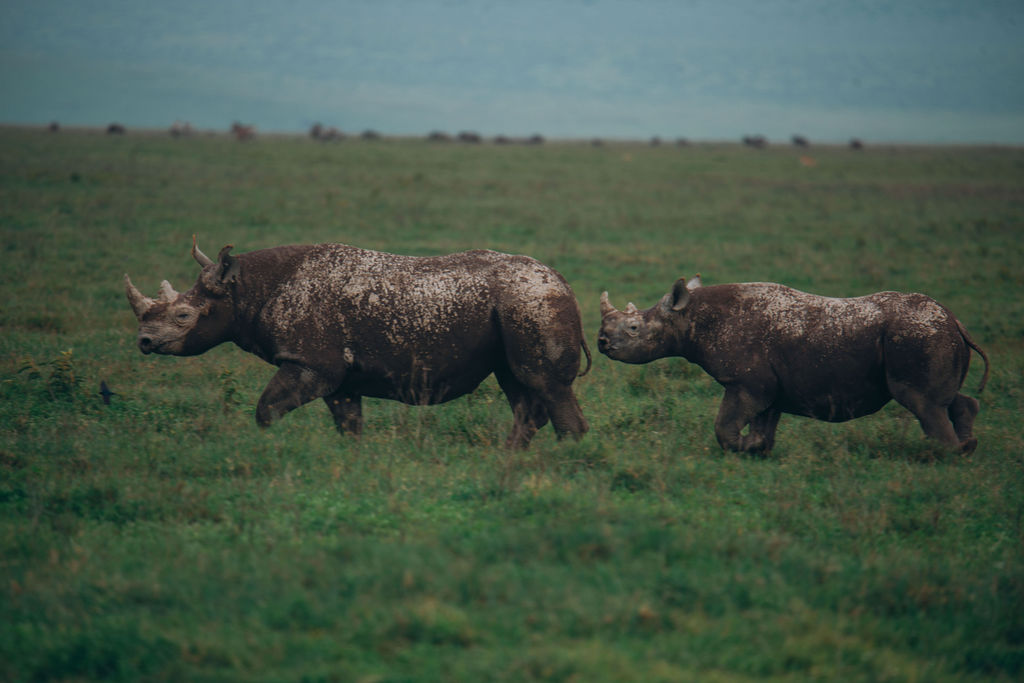
The main highlight of the NCA, the Ngorongoro Crater is the world’s largest inactive volcanic caldera, often referred to as the “Garden of Eden” due to its lush vegetation and incredible biodiversity. It is home to a high concentration of wildlife, including lions, elephants, zebras, and rhinos. The crater floor, with its diverse ecosystems, makes it a must-see for safari enthusiasts.
Olduvai Gorge
Often called the “Cradle of Mankind,” Olduvai Gorge is an archaeological site of global significance. Fossils and tools dating back millions of years have been found here, providing evidence of early human life. A visit to the gorge offers a fascinating glimpse into human evolution and prehistory, with a small museum to explore.
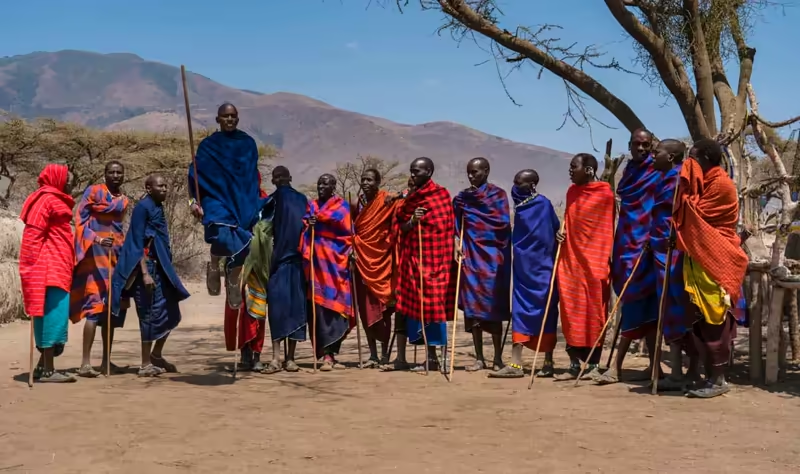
Maasai Villages
The NCA is home to the Maasai people, and a visit to one of their villages offers travelers the chance to experience the traditional lifestyle and customs of this semi-nomadic community. The Maasai are known for their distinctive dress, dances, and unique way of life, providing a cultural experience that complements the natural beauty of the area.
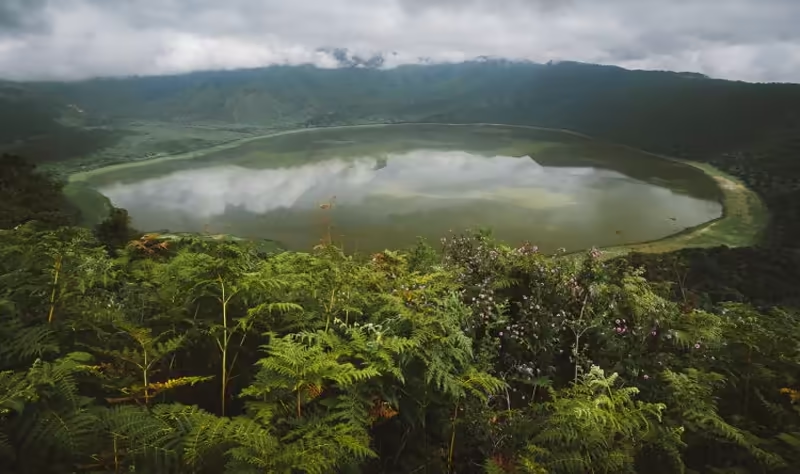
Empakaai Crater
Slightly off the beaten path, Empakaai Crater offers a quieter, less-crowded experience compared to Ngorongoro Crater. It is known for its stunning turquoise lake, surrounded by lush forest and steep crater walls. It’s also a great spot for birdwatching, especially for flamingos, which are often found in the lake.
Wildlife in Ngorongoro Conservation Area
The Ngorongoro Conservation Area boasts an incredible diversity of wildlife, thanks to its varied habitats and abundant water sources. Some of the animals you may encounter include:
- Big Five: Lions, elephants, buffaloes, leopards, and rhinos.
- Other Predators: Cheetahs, hyenas, and jackals.
- Herbivores: Wildebeests, zebras, gazelles, giraffes, hippos, and more.
- Birdlife: With over 500 bird species recorded, including flamingos, ostriches, eagles, and vultures.
Safari Activities in Ngorongoro Conservation Area
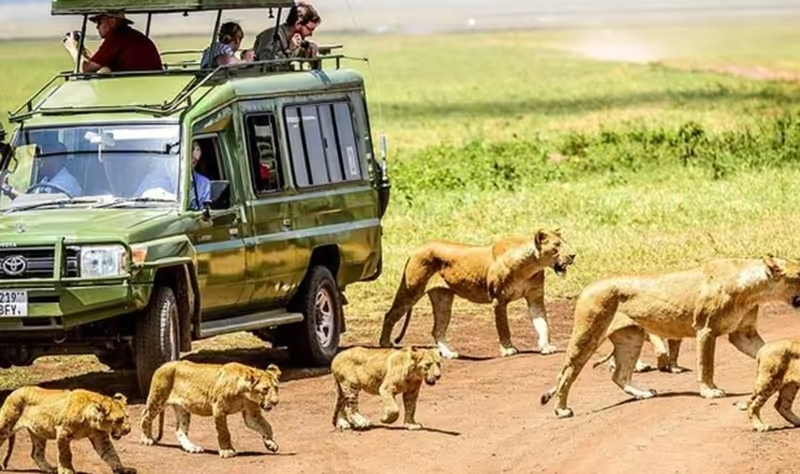
Game Drives
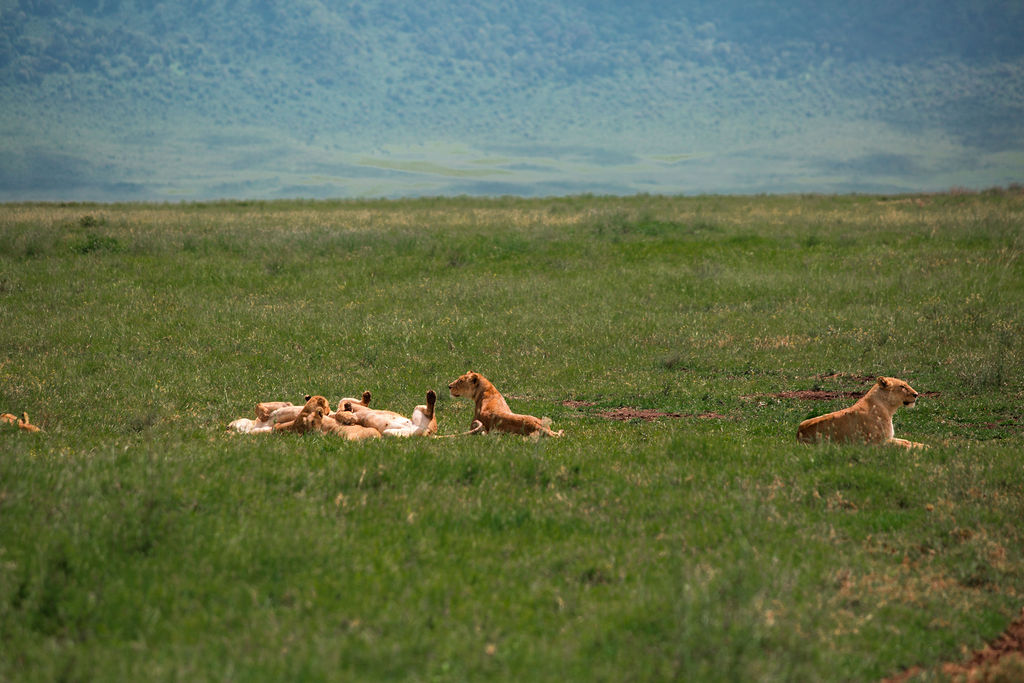
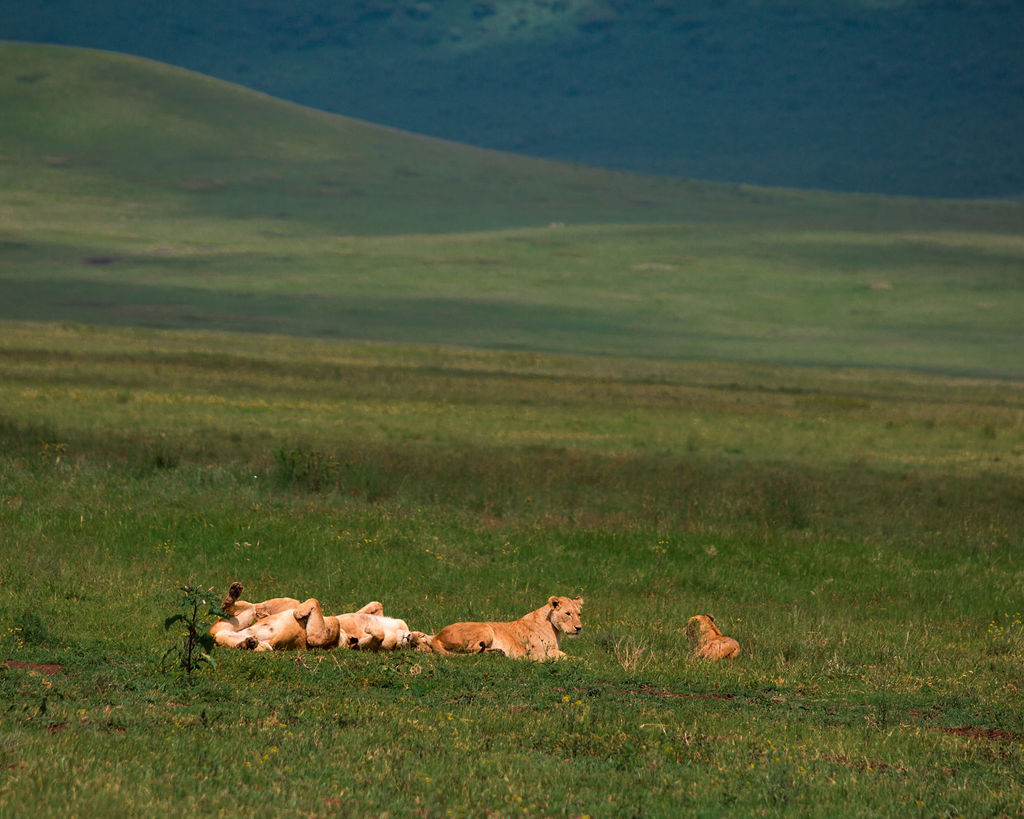
The Ngorongoro Crater is a unique setting for game drives, often described as one of the most wildlife-dense areas in Africa. During a game drive on the crater floor, you can spot the Big Five (lion, leopard, elephant, buffalo, and black rhino) along with zebras, wildebeests, hippos, and various bird species.
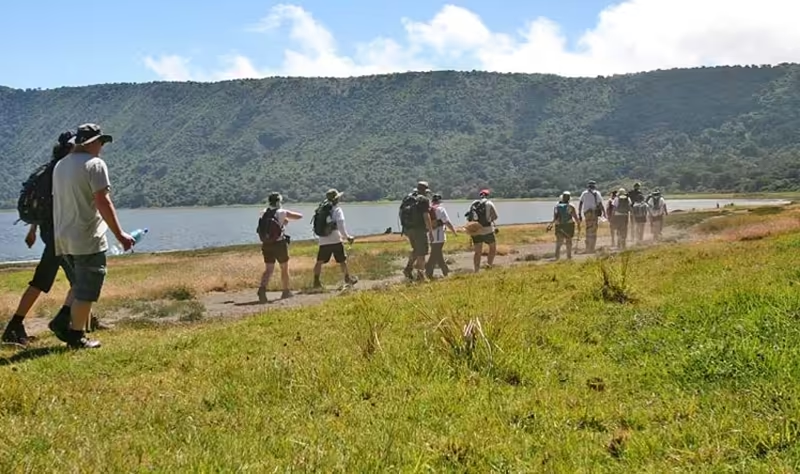
Walking Safaris
For a more intimate experience with nature, the Ngorongoro highlands offer excellent walking safari options, especially around the crater rim and nearby Empakaai and Olmoti Craters. Guided walks are led by rangers and offer insights into the area’s ecosystems, plants, and smaller wildlife.
Birdwatching
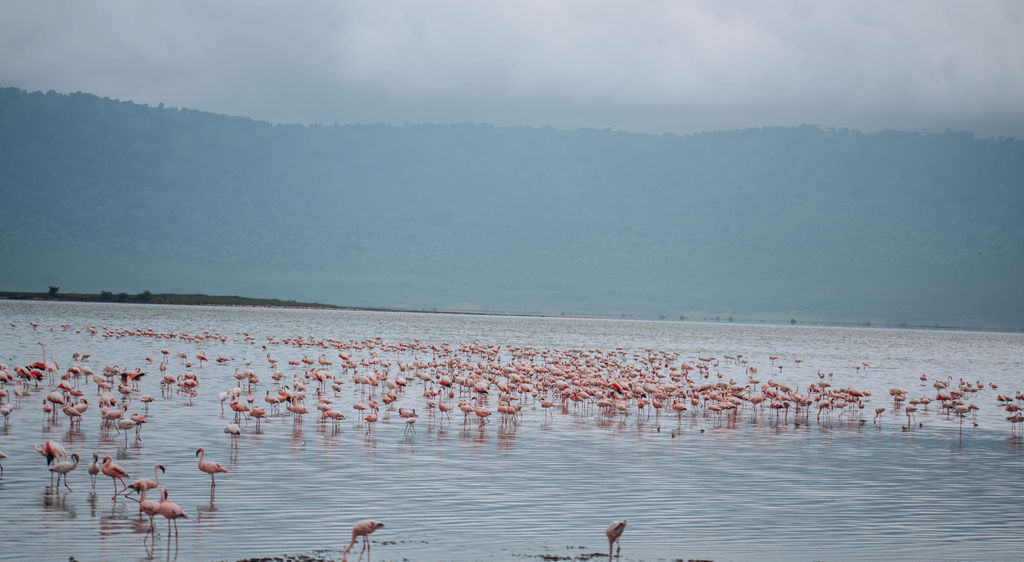
- Ngorongoro is a birdwatcher’s paradise, with more than 500 bird species, including Kori bustards, crowned cranes, flamingos, and various raptors. The diverse habitats of the area support a rich bird population, with particularly vibrant birdlife around Lake Magadi in the crater and in the highland forests.
- Birdwatching is enjoyable year-round, though the rainy season from November to April brings migratory species, making it the best time for spotting a wider variety of birds.
Cultural Tours with the Maasai
- The NCA is home to the Maasai people, who live in harmony with the land and its wildlife. Visiting a Maasai village provides a fascinating look into their traditions, daily life, and pastoralist culture. You can participate in activities such as Maasai dances, learn about their traditional crafts, and gain insights into their unique relationship with the land.
- Cultural tours are led by Maasai guides and offer a respectful and insightful way to learn about this iconic culture.
Olduvai Gorge Visit
- Known as the “Cradle of Mankind,” Olduvai Gorge is a significant archaeological site where some of the earliest human fossils and tools were discovered. A visit to the Olduvai Gorge Museum offers an educational journey into early human evolution, showcasing artifacts, fossils, and informative exhibits.
- For those interested in history and anthropology, this is a highlight of any trip to the Ngorongoro Conservation Area.
Crater Rim Hikes and Scenic Views
- Hiking along the rim of the Ngorongoro Crater provides spectacular panoramic views into the crater and over the surrounding landscapes. Some crater rim hikes can also include short detours to waterfalls, forested areas, and viewpoints that offer a different perspective of the conservation area.
- These hikes range in difficulty, and most are guided to ensure safety and an enriching experience.
Wildlife
What You'll See
- Black Rhino
- Lion
- Elephant
- Buffalo
- Leopard
- Hippo
- Flamingo
- Hyena
- Zebra
- Wildebeest
Activities
What You Can Do
- Crater game drives
- Maasai village visits
- Olduvai Gorge tours
- Crater-rim walks
- Birdwatching
Where to stay
Hand-Picked Stays in Ngorongoro Conservation Area
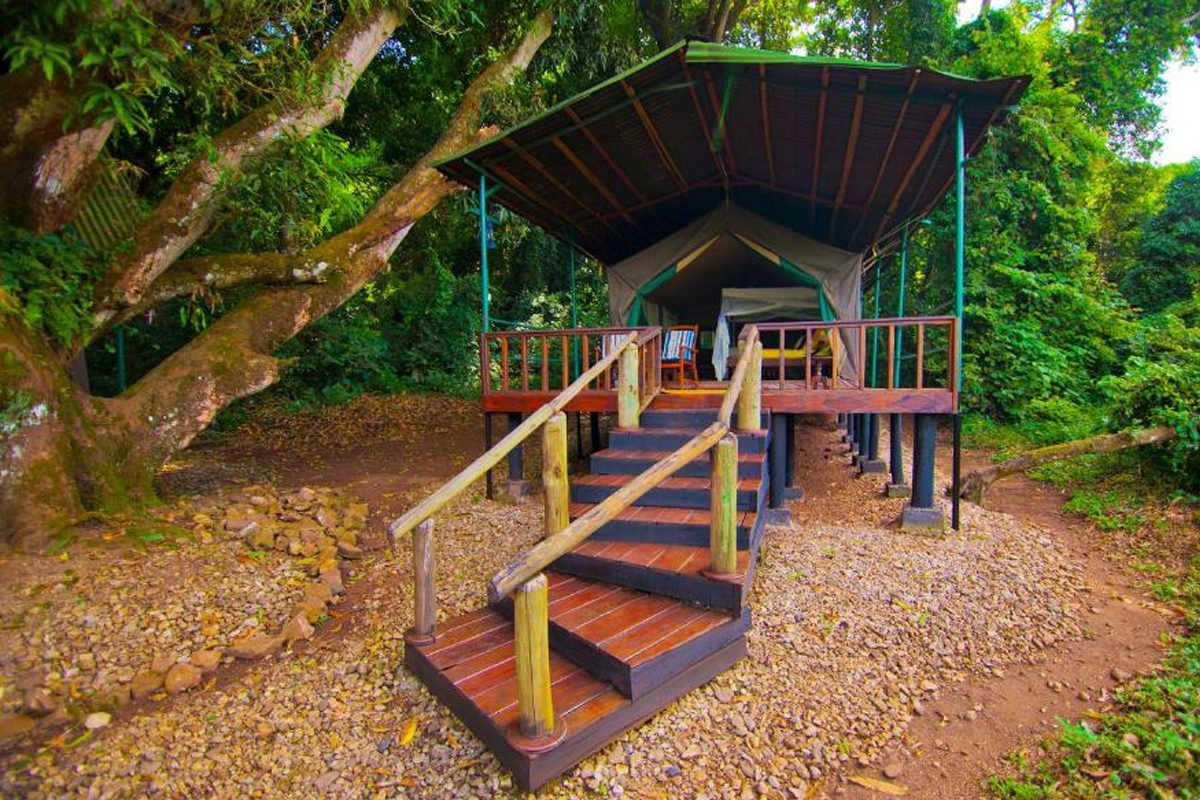
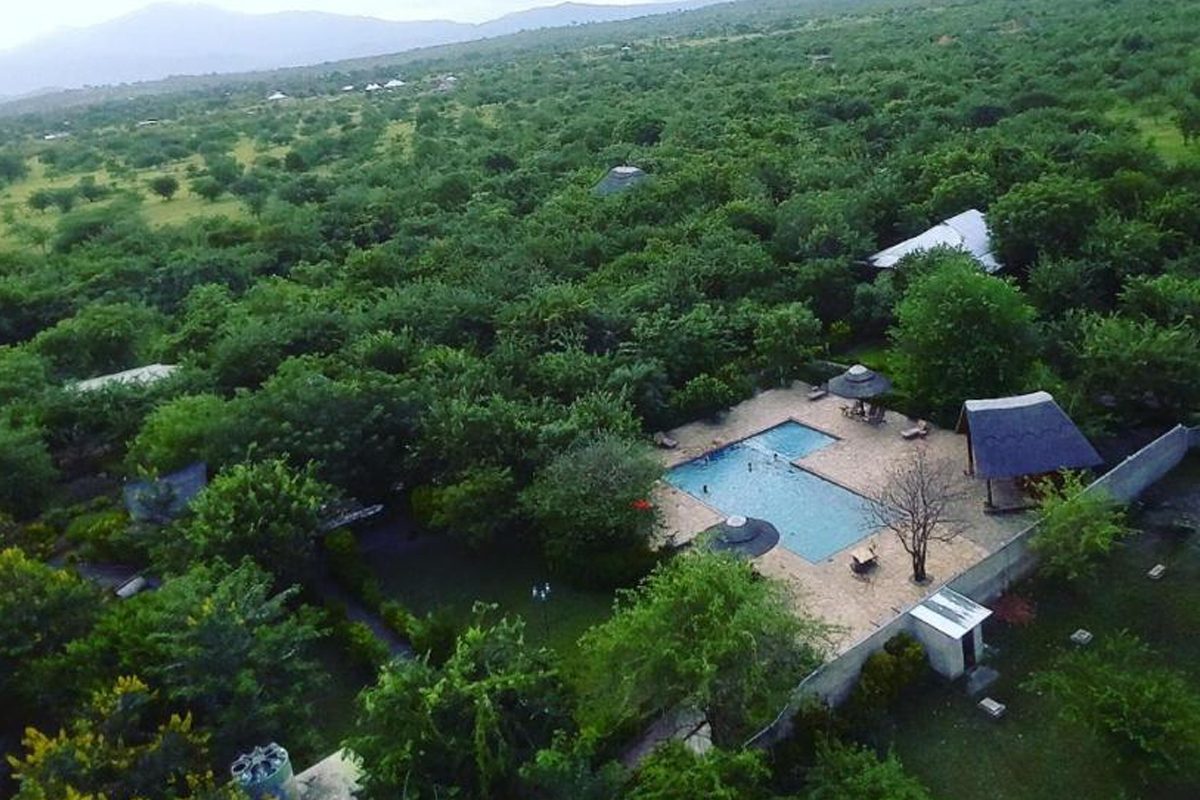
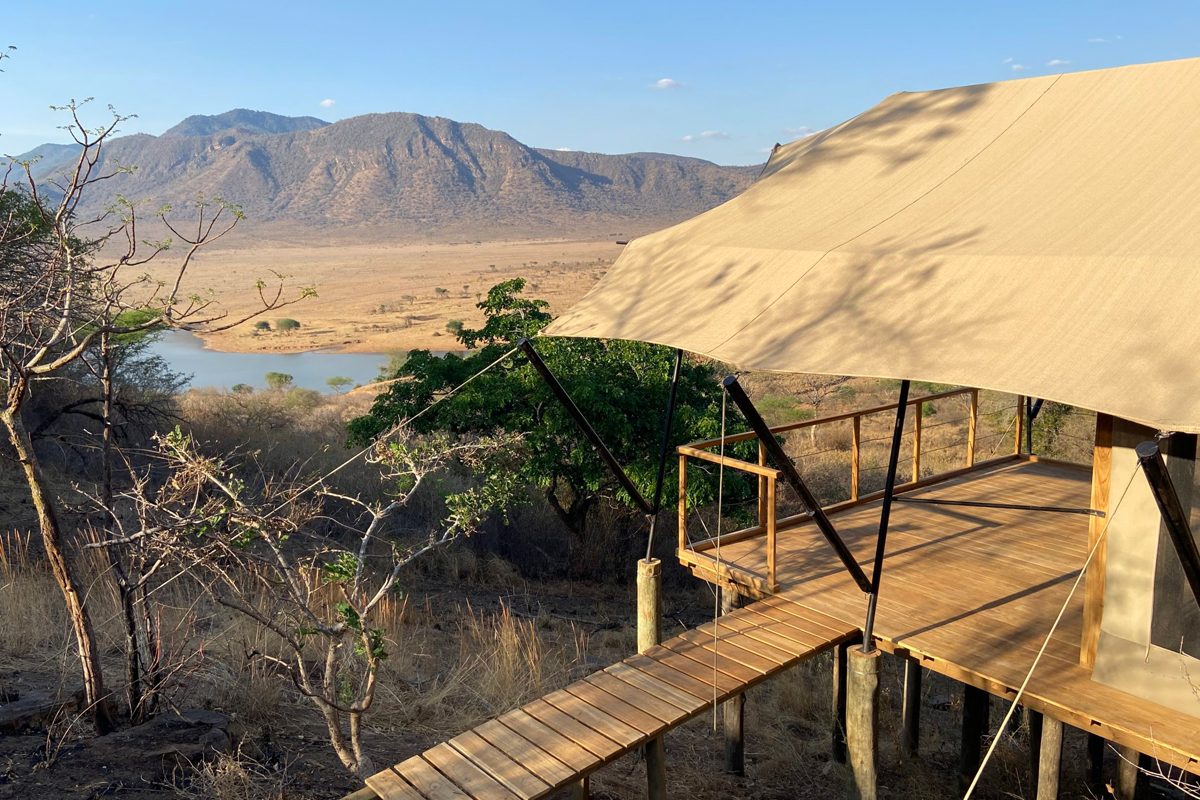
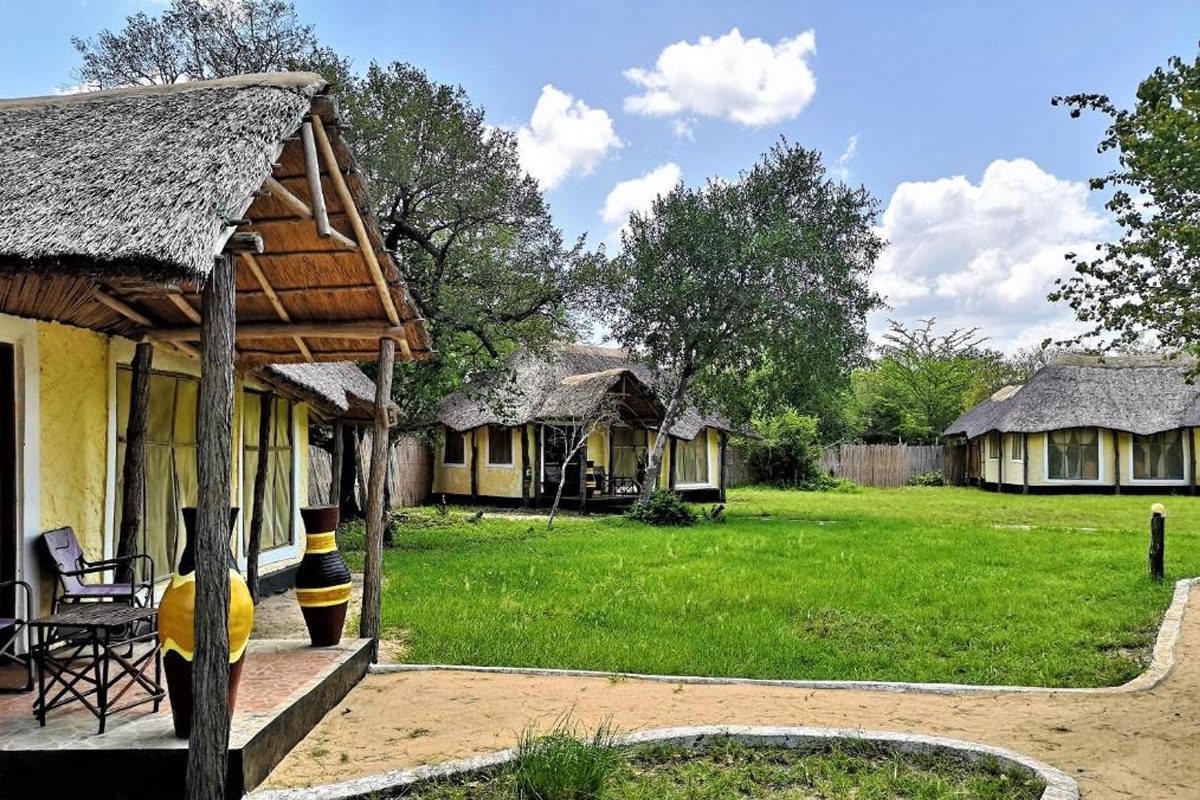
The Ngorongoro Conservation Area is home to a variety of luxurious lodges, eco-friendly camps, and mid-range accommodations that provide comfortable stays and breathtaking views.
Gallery
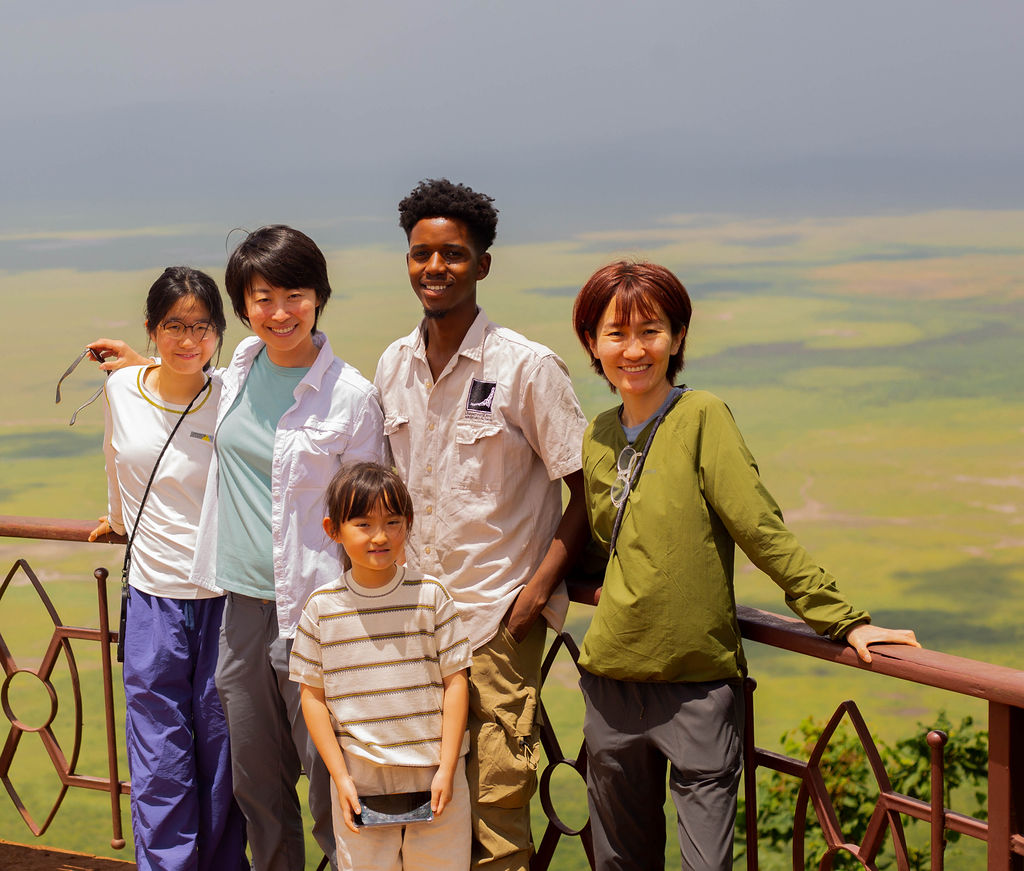
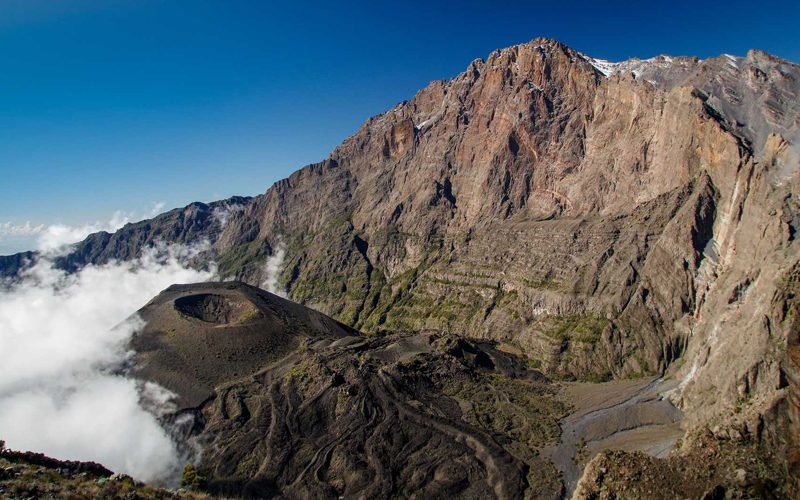
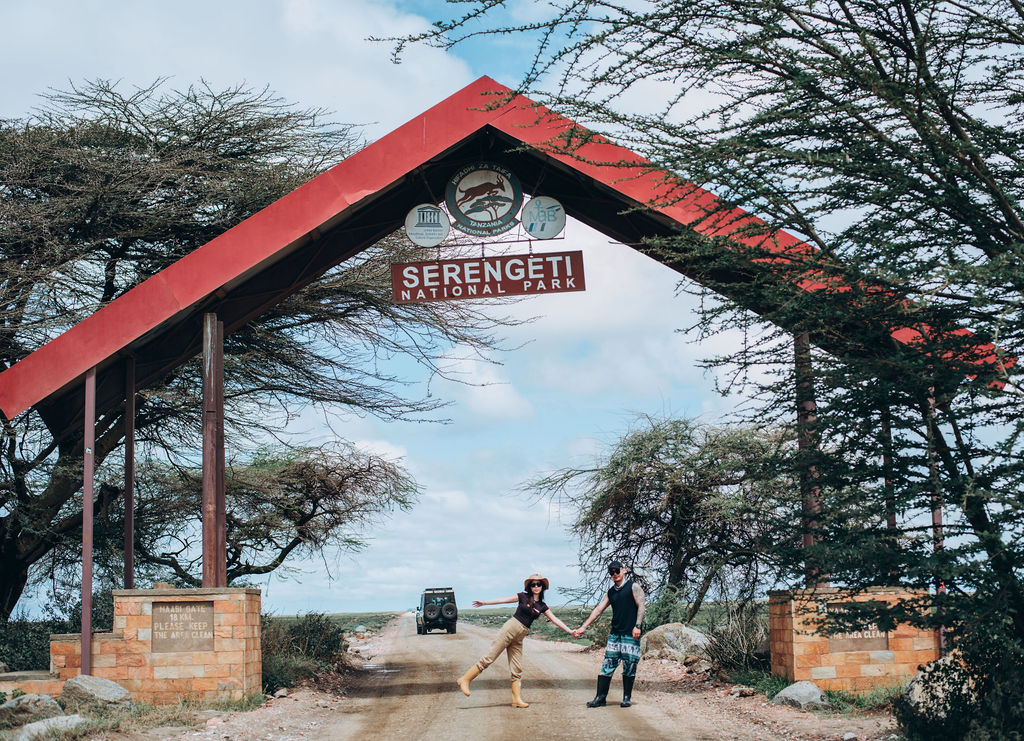
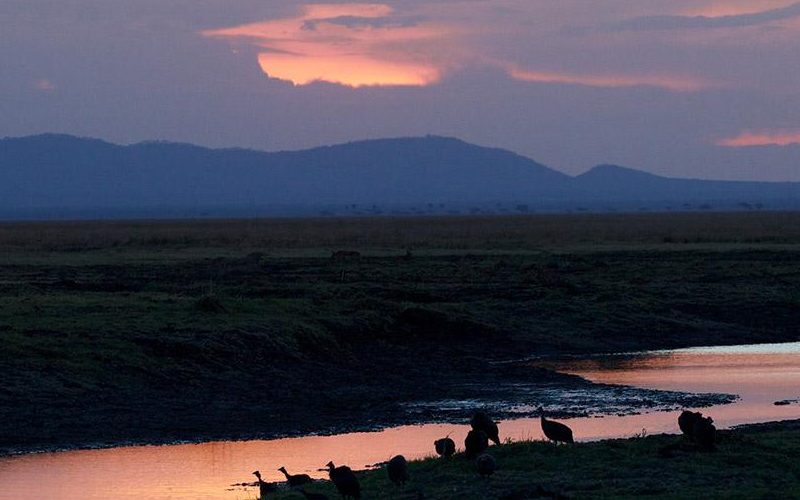
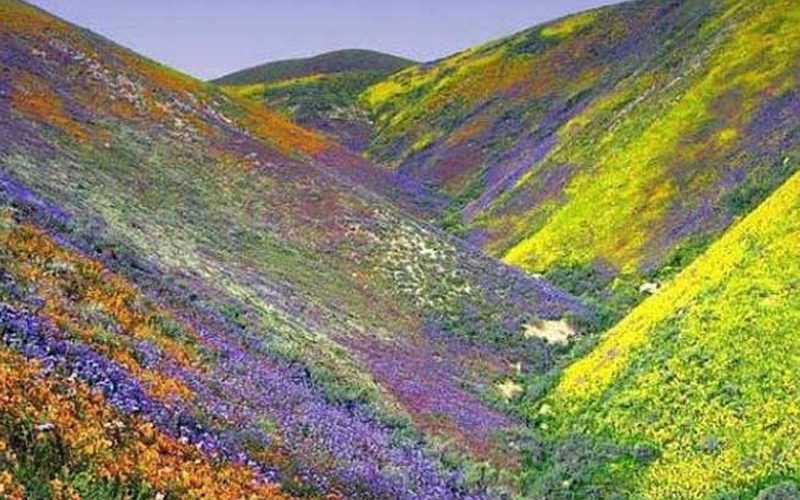
A Glimpse of Ngorongoro Conservation Area
Let's plan together
Ready to Experience Tanzania?
Tell us your dates and dreams — our Arusha team will craft a private itinerary within 24 hours.
