
One perfect day
Day Trips from Arusha
Short on time? These single-day and short safaris run from Arusha year-round.
12 options
Day Trips From Arusha
Arusha National Park Day Trip
Price On request
View details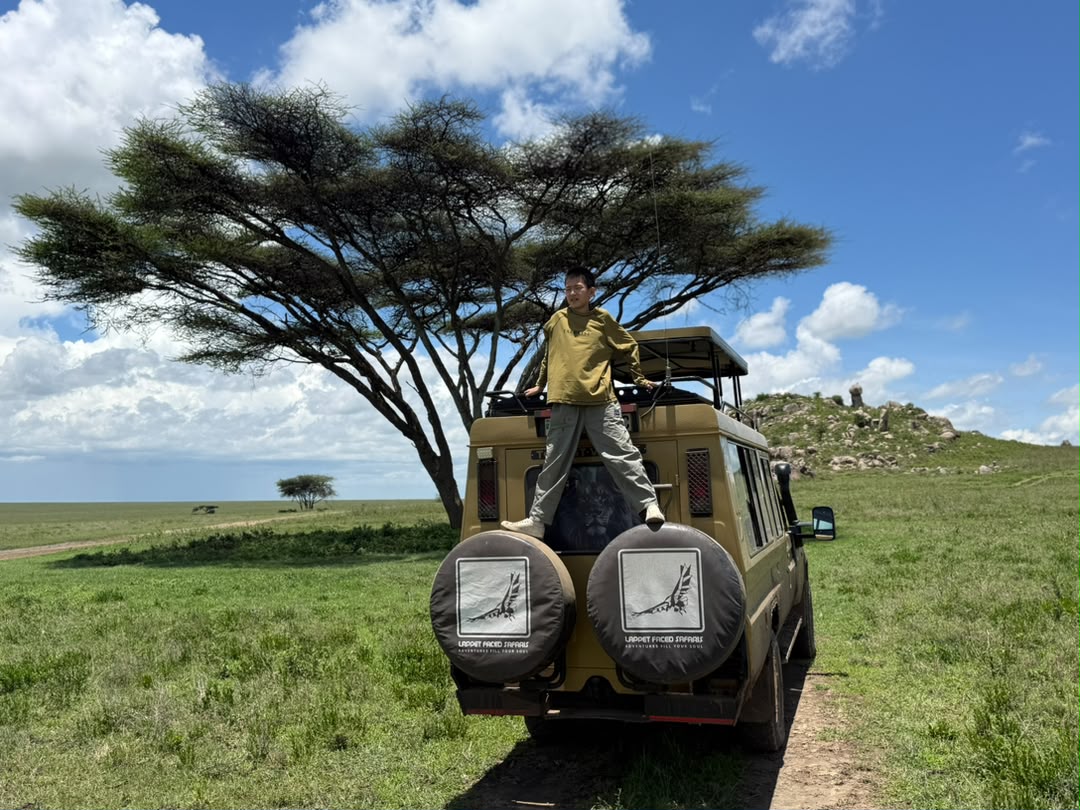
Lake Manyara Day Trip
Price On request
View details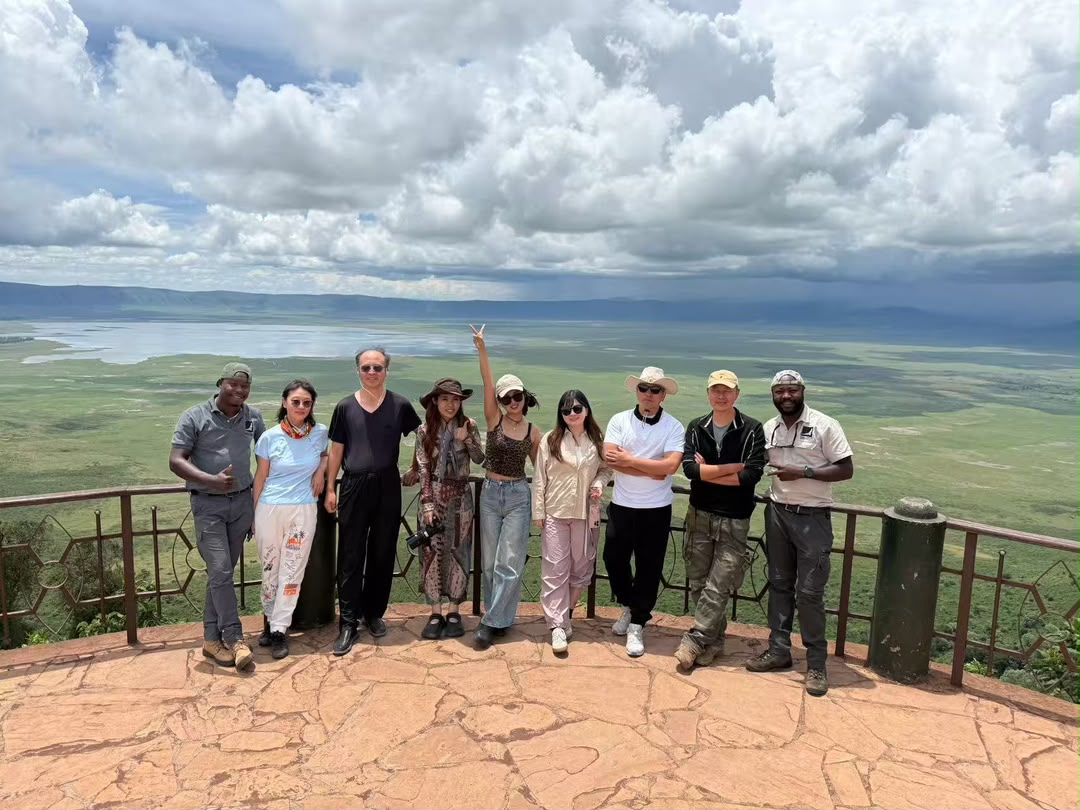
Ngorongoro Crater Day Trip
Price On request
View details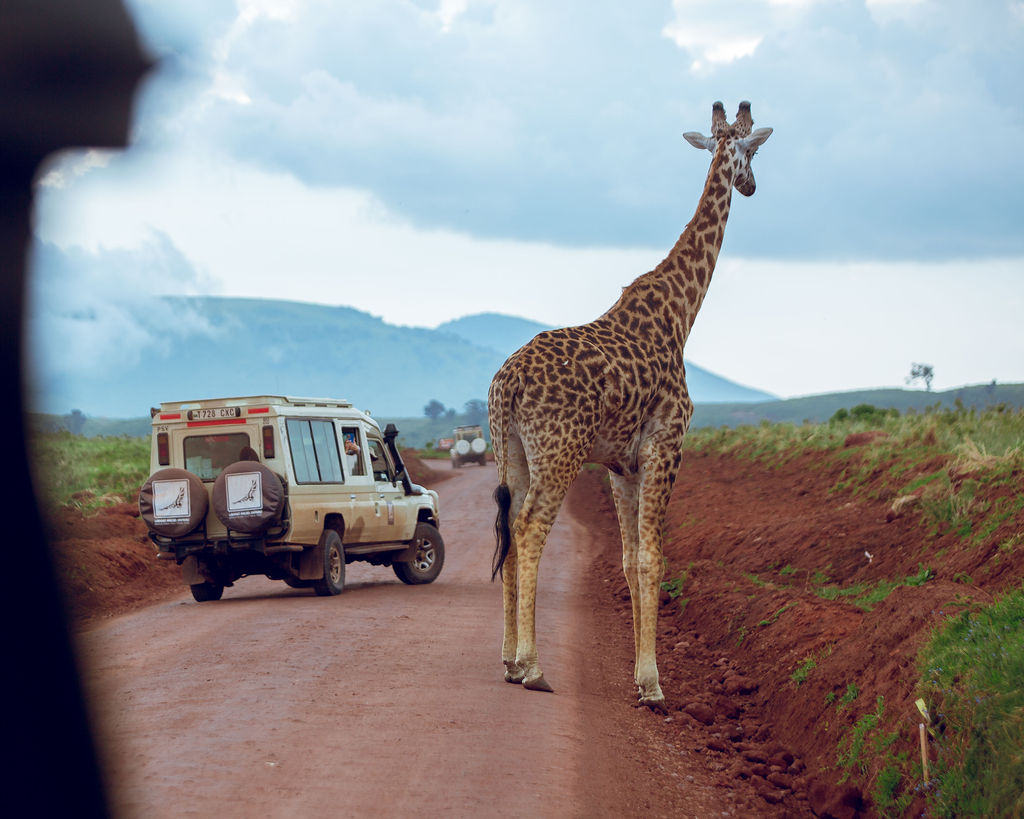
Tarangire Day Trip
Price On request
View details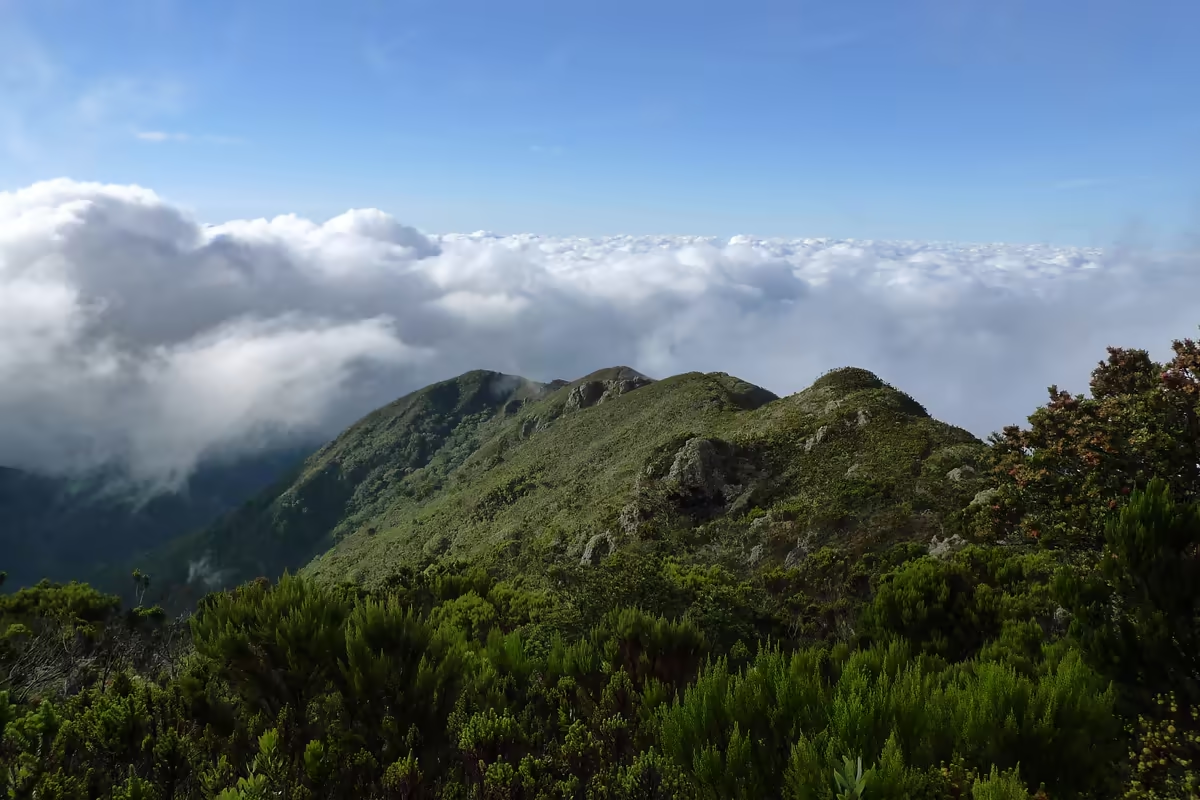
2 Days, 1 Night Mount Hanang Hike
Price On request
View details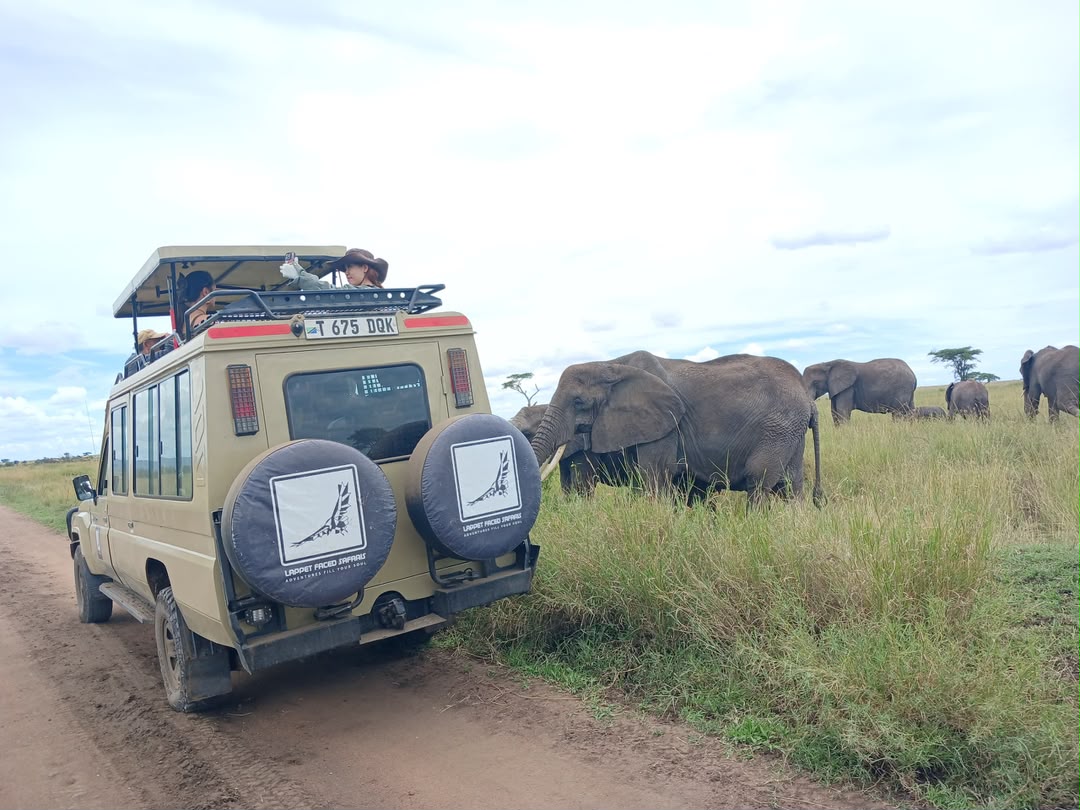
3 Days Taste Of Tanzania Safari
Price On request
View details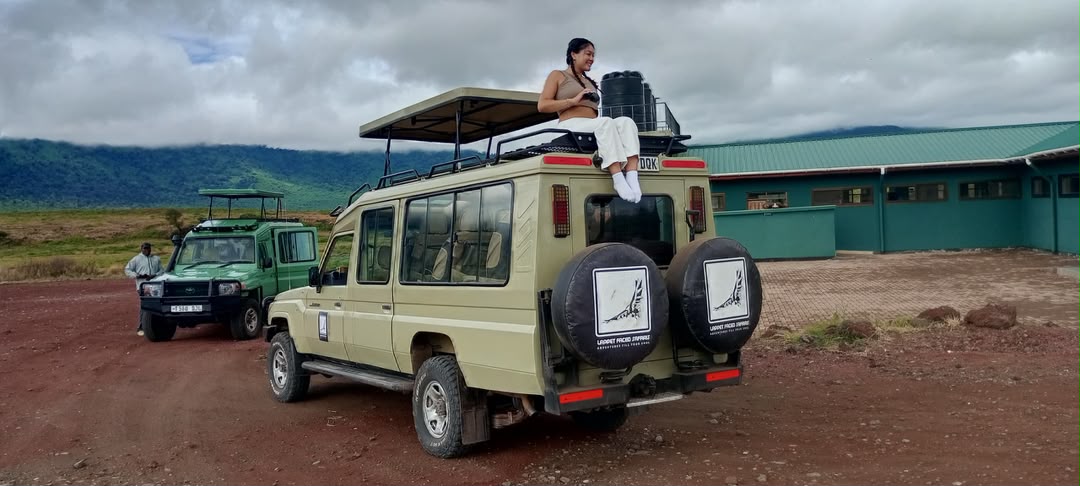
3-Day Serengeti NP, Ngorongoro Crater
Price On request
View details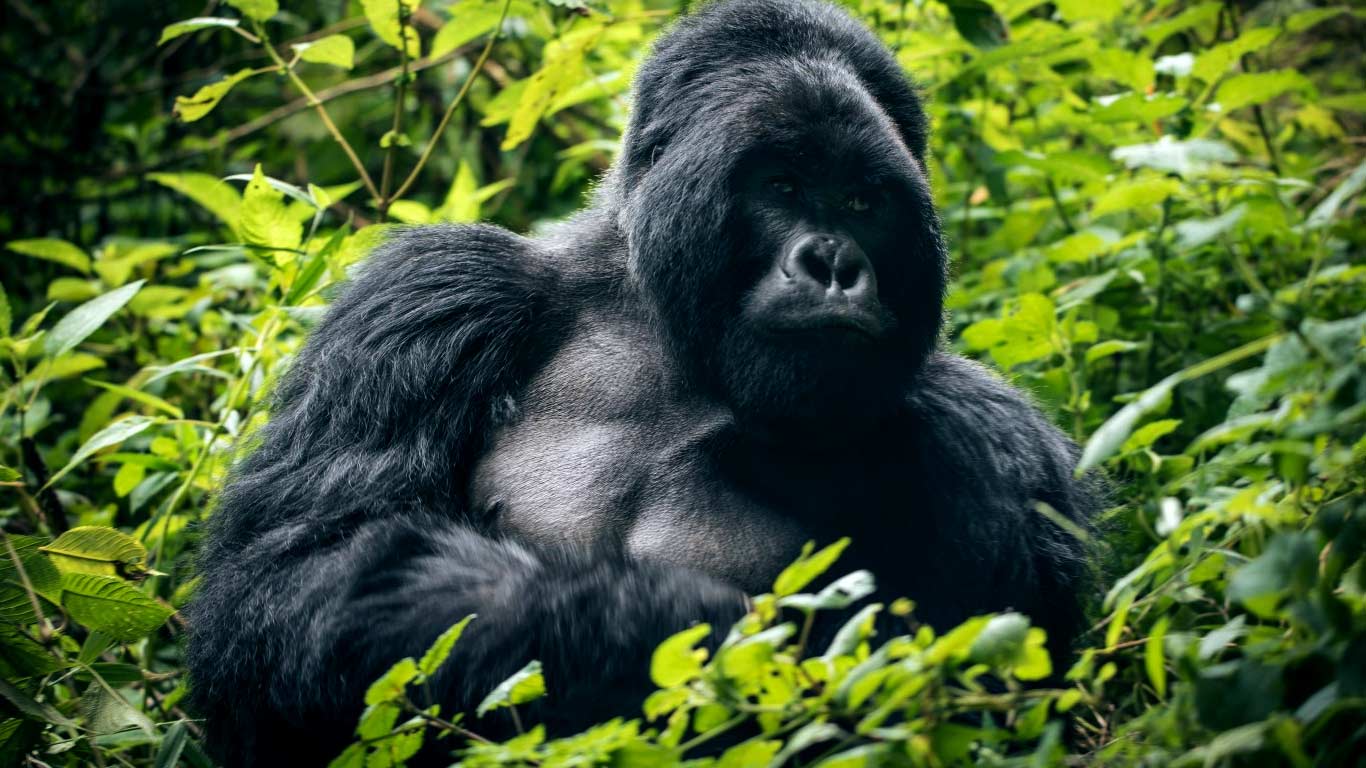
3 Day Mountain Gorilla Safari
Price On request
View details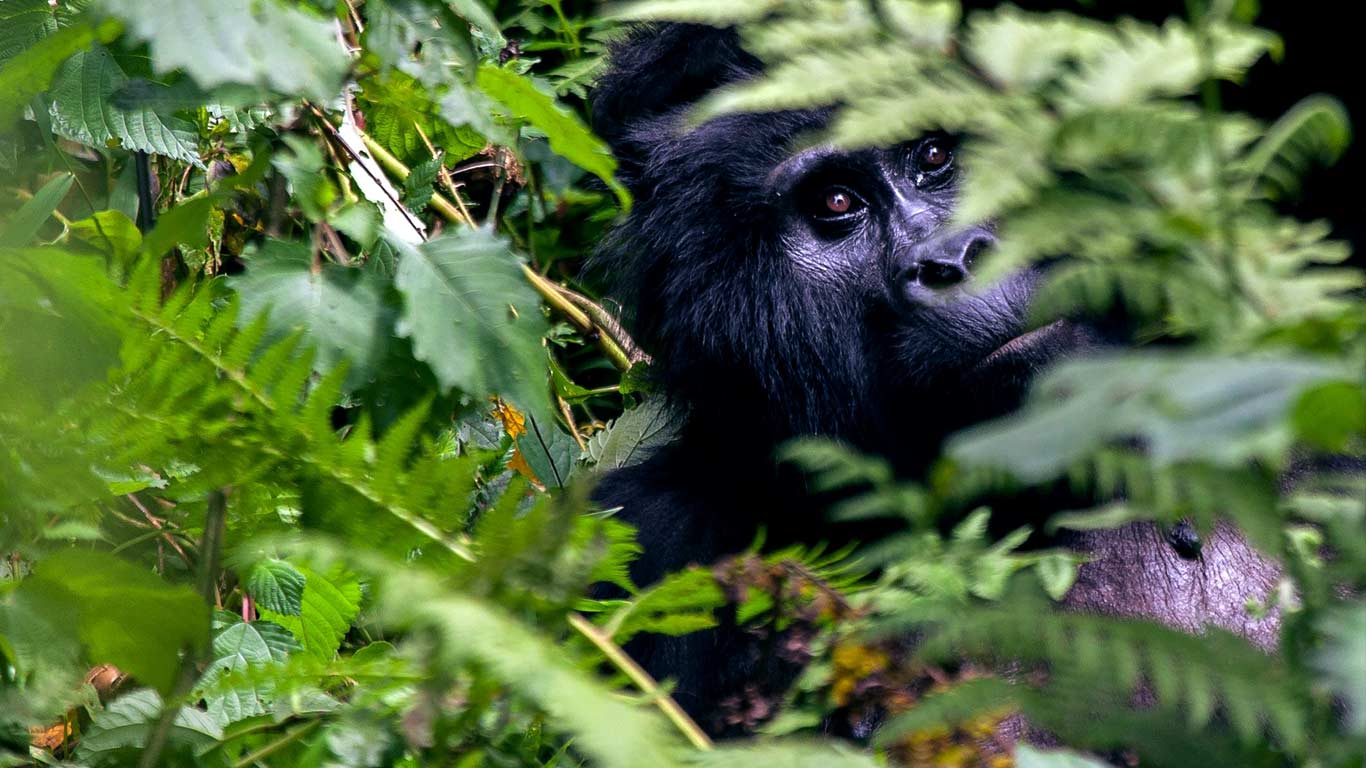
3 Day Uganda Gorilla Safari
Price On request
View details
3 Days Mount Meru Climbing
Price On request
View details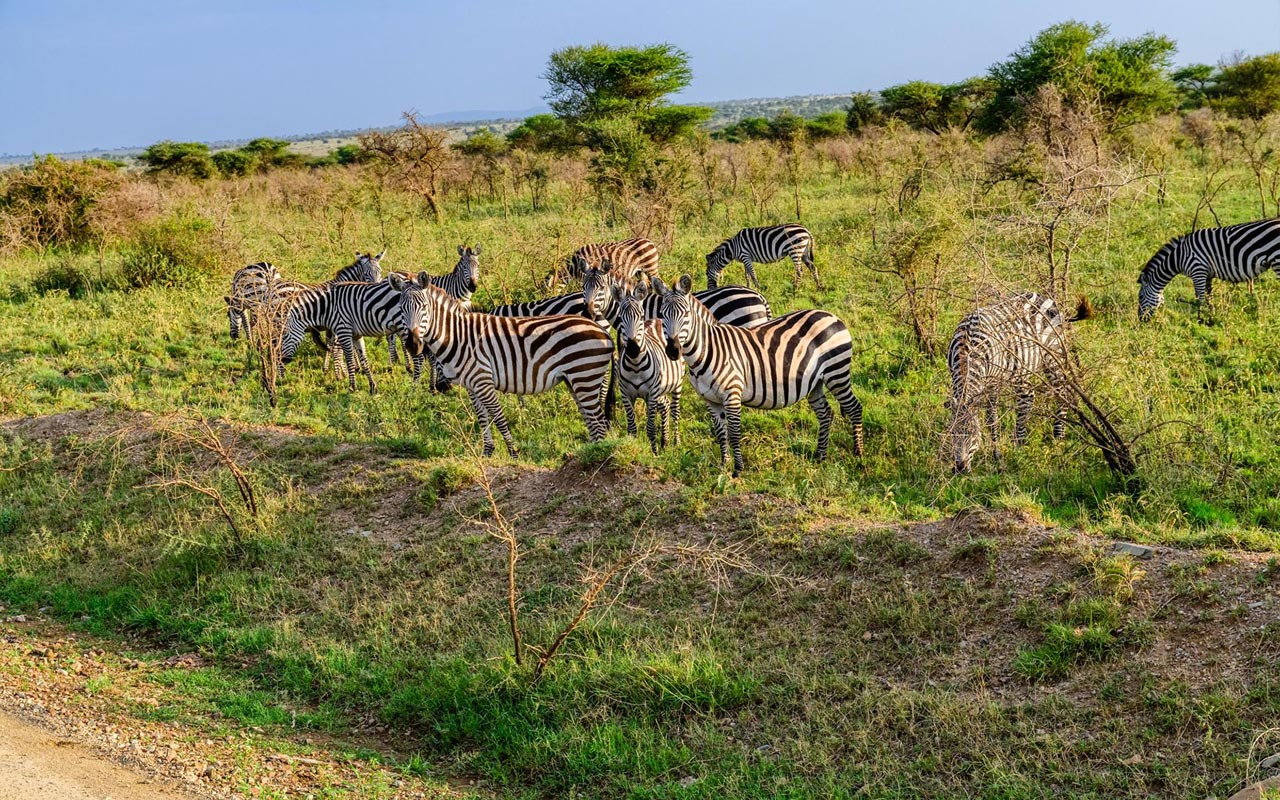
3 Days Tanzania Safari
Price On request
View detailsOne perfect day
Day Trip Activities
Tanzania has a lot to offer in terms of areas you can visit and attractions you can see — culture, wildlife, rivers, lakes, waterfalls, mountains, forests and the Great Rift Valley.
There are many ways to explore them, too. The activities we run on a single day include walking, canoeing, biking, hiking, hot-air ballooning and classic game drives — all departing from Arusha and back the same evening.
Good to know
How Day Trips Work
Collected from your hotel
We pick you up in Arusha or Moshi early — most parks are between one and three hours away.
Everything included
Park fees, a private 4×4 with a guide, bottled water and a picnic lunch in the park.
Back by evening
You are returned to your hotel the same day, so a day trip slots into any travel plan.
One perfect day
Why a Day Trip Works in Northern Tanzania
Northern Tanzania is unusually generous to travellers who are short on time. Arusha sits within striking distance of three genuinely world-class parks, and the roads are good enough that you can leave your hotel after breakfast, spend a full day among elephant and lion, and be back for dinner. That is not true of most safari regions on the continent, and it is why our day trips are the busiest thing we run.
A day trip suits three kinds of traveller. The first is on a layover or a business trip and has one free day. The second has just come off Kilimanjaro and wants wildlife without committing to another week. The third is testing the water — a single day in the parks before deciding whether to book a longer safari later in the trip. All three get the same vehicle, the same guide standard and the same park access as our multi-day guests.
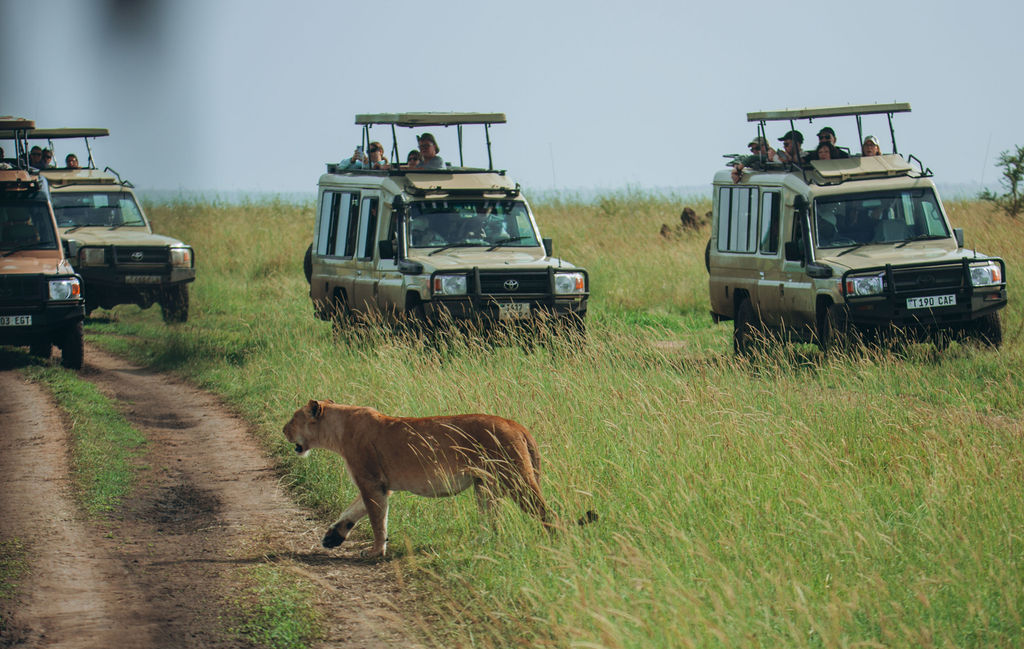
Every trip below is private. You are not pooled with strangers, you set the departure time, and if you want to stay at a lion sighting for another forty minutes, you stay.
At a glance
What a Day Trip Involves
- 06:30
- Typical pick-upWe collect you from your Arusha hotel or the airport. Earlier starts are available and usually worth it.
- 1–3 hrs
- Drive to the gateArusha National Park is under an hour; Tarangire and Lake Manyara around two; Ngorongoro about three.
- 6–8 hrs
- In the parkGame driving with a picnic lunch, timed around when the animals are actually active.
- 19:00
- Back in ArushaMost trips return between six and eight in the evening, depending on the park and the season.
Where you can go in a day
The Best Day Trips From Arusha
Four parks are comfortably reachable and back in a single day. Each offers something distinct, so the right choice depends on what you most want to see.
Tarangire National Park
The best single-day wildlife bet in the dry season. Between June and October the Tarangire River is the only reliable water for miles and the elephant concentrations are extraordinary — herds of forty and fifty are routine, moving between the giant baobabs. Lion, leopard and huge numbers of plains game follow the same water.
Read moreLake Manyara National Park
Compact, green and enormously varied — groundwater forest, open floodplain and a soda lake fringed with flamingos, all in a park you can cover properly in a day. Famous for tree-climbing lions and for baboon troops that are among the largest anywhere in Africa. The closest of the big-name parks to Arusha.
Read moreNgorongoro Crater
A long day but a spectacular one. The crater floor holds roughly 25,000 large animals inside a collapsed volcanic caldera twenty kilometres across, including the densest lion population in Africa and one of the few remaining places to see black rhino. Expect a very early start and a late return.
Read moreArusha National Park
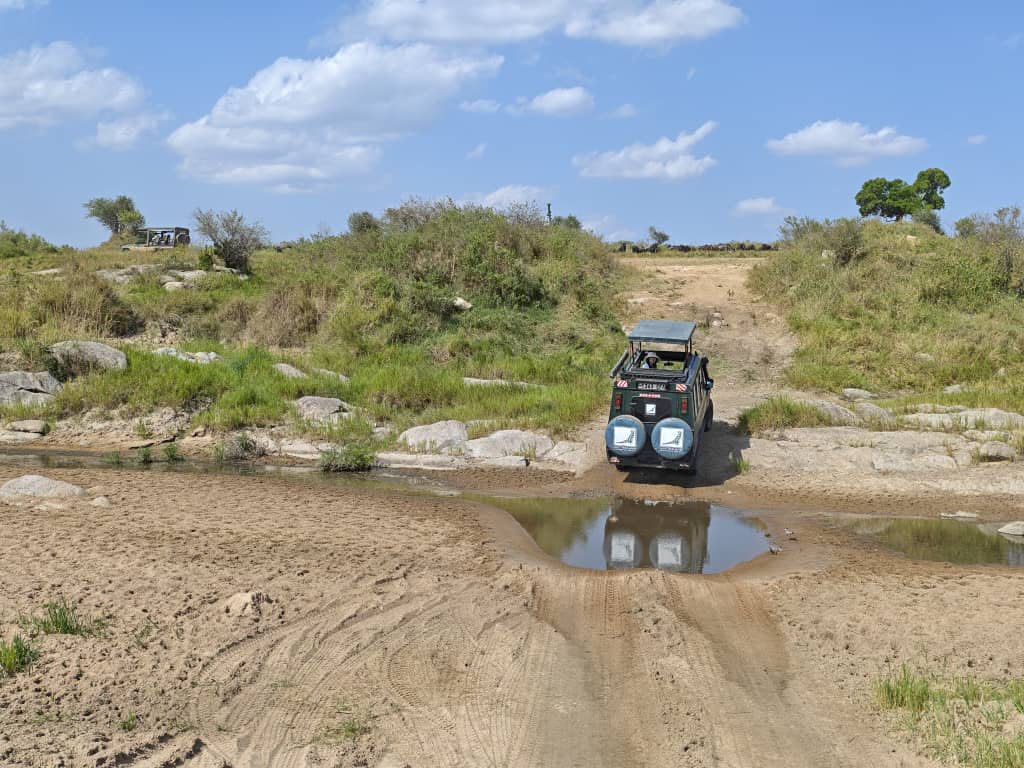
The half-day option, and badly underrated. Forty minutes from town you can walk with an armed ranger among giraffe and buffalo, canoe on the Momella Lakes, and look up at Mount Meru's crater wall. The only park in the north where walking safaris are straightforward, and the only one with black-and-white colobus monkeys.
Read moreCompare
Which Day Trip Should You Choose?
| Park | Drive each way | Best for | Best months |
|---|---|---|---|
| Arusha National Park | 45 minutes | Walking safari, canoeing, half-day option, families with young children | Year-round |
| Lake Manyara | 2 hours | Birdlife, flamingos, forest, tree-climbing lions, first-time safari | November – June |
| Tarangire | 2 hours | Elephant herds, baobabs, big predator sightings, photography | June – October |
| Ngorongoro Crater | 3 hours | Black rhino, Big Five in one day, scenery, once-in-a-lifetime views | Year-round |
If you have two free days, the strongest pairing is Tarangire followed by the Ngorongoro Crater — completely different landscapes and a realistic chance of all of the Big Five.
Included
What Comes With Every Day Trip
Private 4×4 Land Cruiser
A custom safari vehicle with a pop-up roof, window seat guaranteed for everyone, cool box, charging points and unlimited game-drive mileage inside the park.
A professional guide
English-speaking, licensed, and working these parks every week. Our guides carry reference books and know where the resident prides and leopards have been seen that morning.
All park and government fees
Entry fees, crater service fee where applicable, concession and vehicle fees — quoted up front so the price you agree is the price you pay.
Lunch and drinking water
A packed picnic lunch eaten at a designated site in the park, plus bottled water throughout the day.
Hotel or airport pick-up
Collection from anywhere in Arusha or Moshi, or directly from Kilimanjaro International Airport if you are on a layover.
Come prepared
What to Bring for the Day
- Binoculars — the single item that most changes what you actually see
- A camera with a zoom lens, plus a spare battery and memory card
- Sunscreen, sunglasses and a brimmed hat — the roof hatch offers no shade
- A light fleece or jacket for the early start, especially heading to Ngorongoro
- Neutral colours; avoid bright white, and avoid blue and black in tsetse country
- Cash in small notes for souvenirs, tips and roadside curio stalls
- Your passport, which is checked at every park gate
- Any personal medication, plus motion-sickness tablets if you are prone to it
The guide makes the day
One Day, One Guide, One Vehicle
On a longer safari there is room for a slow start — if the first morning is quiet, there is always tomorrow. On a day trip there is no tomorrow, and that puts everything on the guide. Ours work these four parks continuously, talk to each other by radio through the day, and generally know by eight in the morning where the lion pride slept and whether the leopard is still in the sausage tree by the river.
That is also why we do not run pooled departures. A shared vehicle means the day is set by whoever booked first and by the slowest person to finish their coffee. On a private trip you leave when you want, you stay at a sighting as long as it holds your attention, and if the elephants are crossing the road you sit and watch them cross rather than being hurried on to keep to someone else's schedule.
Season by season
What You Will See, Month by Month
The parks near Arusha change character through the year. None of these months is a bad time to visit — but knowing what is happening helps you pick the right park for the day you have.
-
January – February
Tarangire and Lake Manyara
Short dry spell between the rains. The plains are green, the light is superb for photography, and thousands of animals are calving. Lake Manyara is at its most beautiful, and predator activity around the newborns is high.
-
March – May
Lake Manyara and Arusha NP
The long rains. Fewest visitors of the year and the lowest prices, with dramatic skies and lush forest. Manyara's groundwater forest and Arusha's crater walls handle rain far better than the open plains, so these are the smart choices in this window.
-
June – August
Tarangire
The dry season begins in earnest and the game concentrates on permanent water. Tarangire is at its absolute best — this is when the enormous elephant herds gather along the river. Cool, clear mornings and almost no rain.
-
September – October
Tarangire and Ngorongoro
Peak dry season. Vegetation is thin, animals are easy to spot, and predator sightings peak as the herbivores crowd the last water. Busy in the crater, so an early start matters more than usual.
-
November – December
Ngorongoro and Lake Manyara
The short rains freshen everything up without the road problems of the long rains. Migratory birds arrive in huge numbers, making this the best birding window of the year. The crater is spectacularly green.
Practical questions
Day Trip FAQs
Can I really see wildlife in just one day?
Yes, and often a great deal of it. In Tarangire during the dry season you can reasonably expect several hundred elephants, giraffe, zebra, wildebeest, impala and a good chance of lion. In the Ngorongoro Crater, a single day gives you a realistic shot at four of the Big Five and a fair chance at all five. What a day trip cannot give you is the slow rhythm of a longer safari — the second and third days are when you stop counting species and start watching behaviour.
Is a day trip to the Ngorongoro Crater worth the long drive?
For most people, yes. It is a long day — roughly three hours each way plus the descent — but the crater is one of the genuine wonders of the natural world and there is nowhere else in Africa where you can see this much wildlife in this small a space. If a very early start and a late return sound punishing, Tarangire delivers superb game viewing for two hours less driving.
Do you offer day trips from Kilimanjaro Airport or Moshi?
We do. If you have a long layover at Kilimanjaro International Airport we can collect you from the terminal, take you to Arusha National Park or Lake Manyara, and have you back with time to spare before your onward flight. Tell us your flight numbers and we will build the day around them with a safety margin. Pick-ups from Moshi hotels add roughly an hour each way.
What happens if it rains?
The trips run. Rain in northern Tanzania tends to come in heavy bursts rather than all-day drizzle, and the vehicles have a solid roof with the hatch closed. Green-season game viewing has real advantages — the parks are empty of other vehicles, the light is dramatic, and newborn animals are everywhere. Only the roughest tracks in Tarangire occasionally close after very heavy rain, and your guide will simply route around them.
How much does a day trip cost?
Price depends on the park, the group size and the fees involved — Ngorongoro carries substantially higher government charges than Arusha National Park. Because the vehicle and guide cost the same whether one or six people travel, the per-person price drops sharply with group size. Send us your date and preferred park and we will quote a firm all-in figure with the fees itemised.
Can I combine a day trip with a longer safari later?
Absolutely, and many guests do exactly that — a day in Arusha National Park to recover from the flight, then a longer northern-circuit safari a few days later. If you book both with us we will avoid duplicating parks and will credit the day trip sensibly against the longer itinerary.
Let's plan together
Ready to Experience Tanzania?
Tell us your dates and dreams — our Arusha team will craft a private itinerary within 24 hours.
