
Western Tanzania
Katavi National Park
Tanzania's last true wilderness
About Katavi National Park
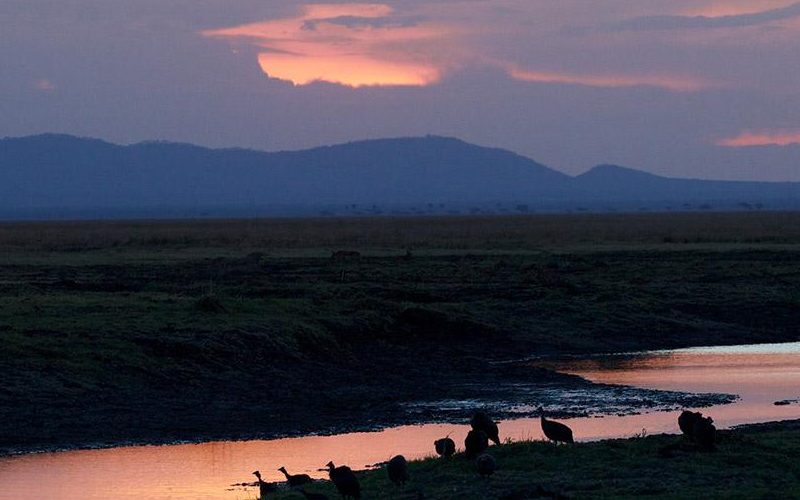
Katavi is Tanzania's last true wilderness — a remote western park that sees fewer visitors in a year than the Serengeti sees in a day. In the dry season its rivers shrink to muddy pools packed with hundreds of hippos, while buffalo herds a thousand strong cross the Katisunga plain.
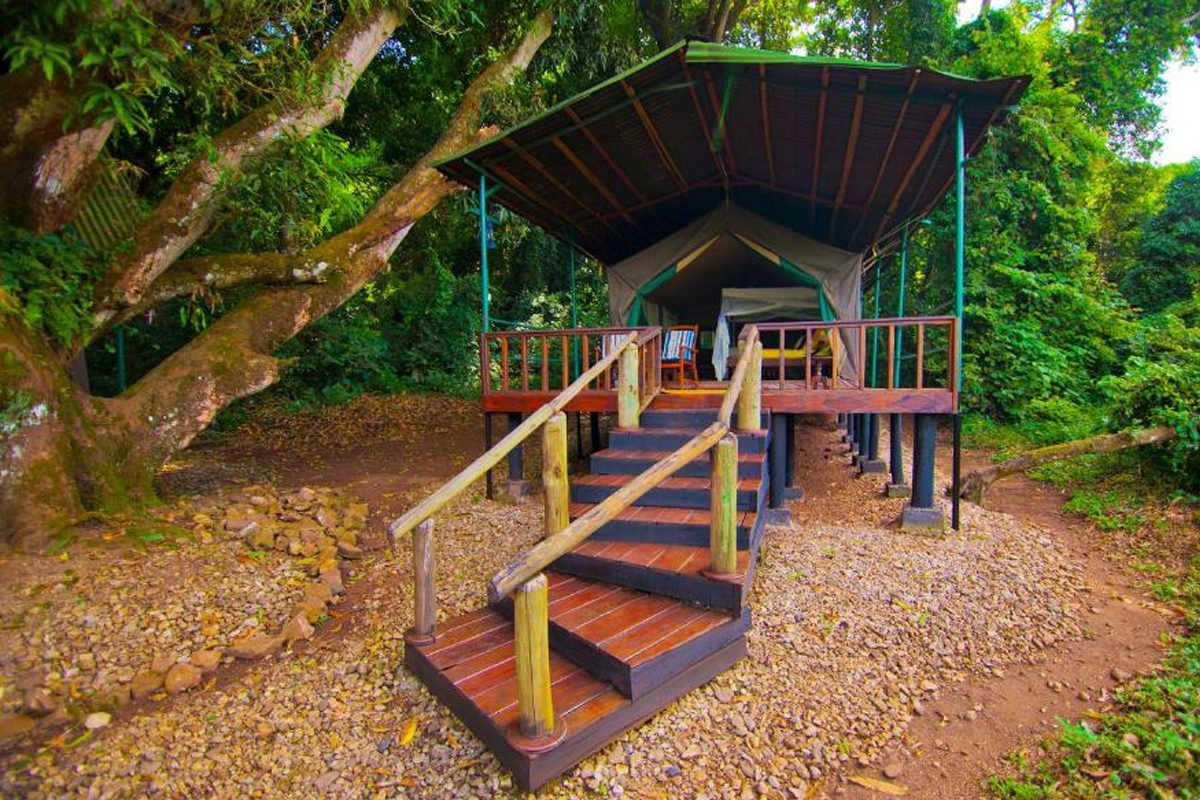
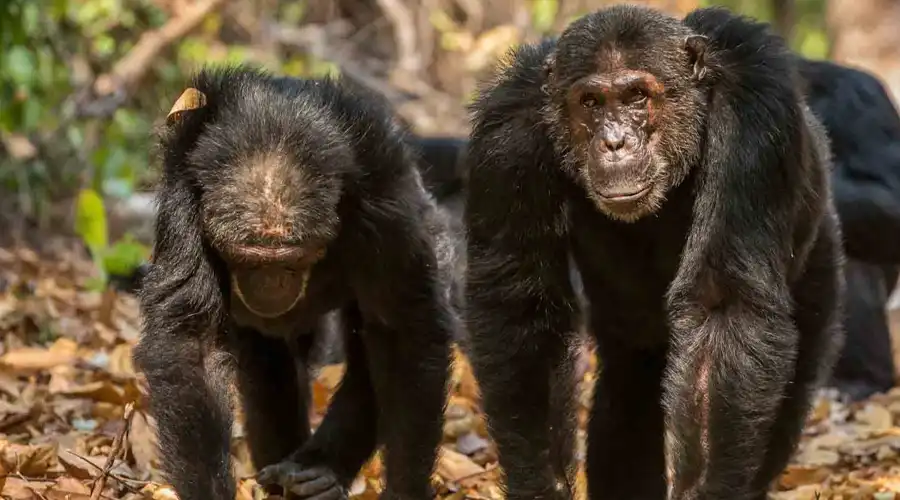
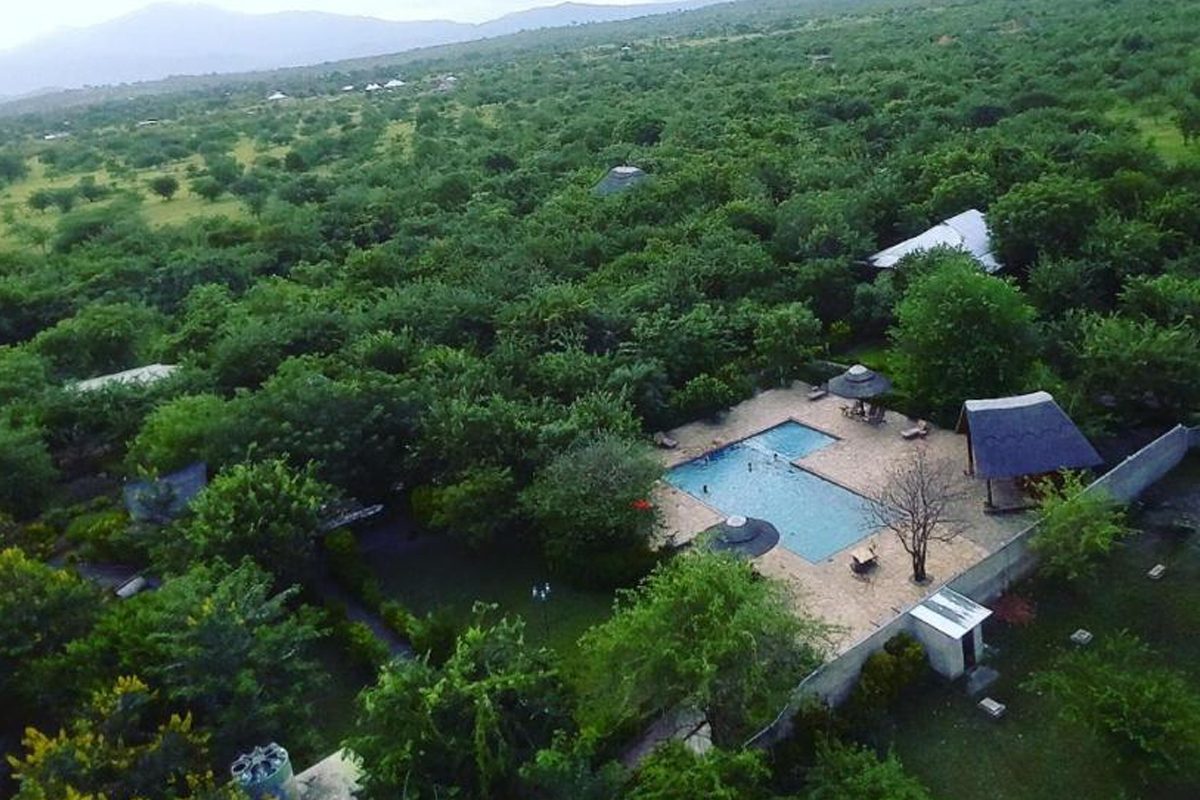
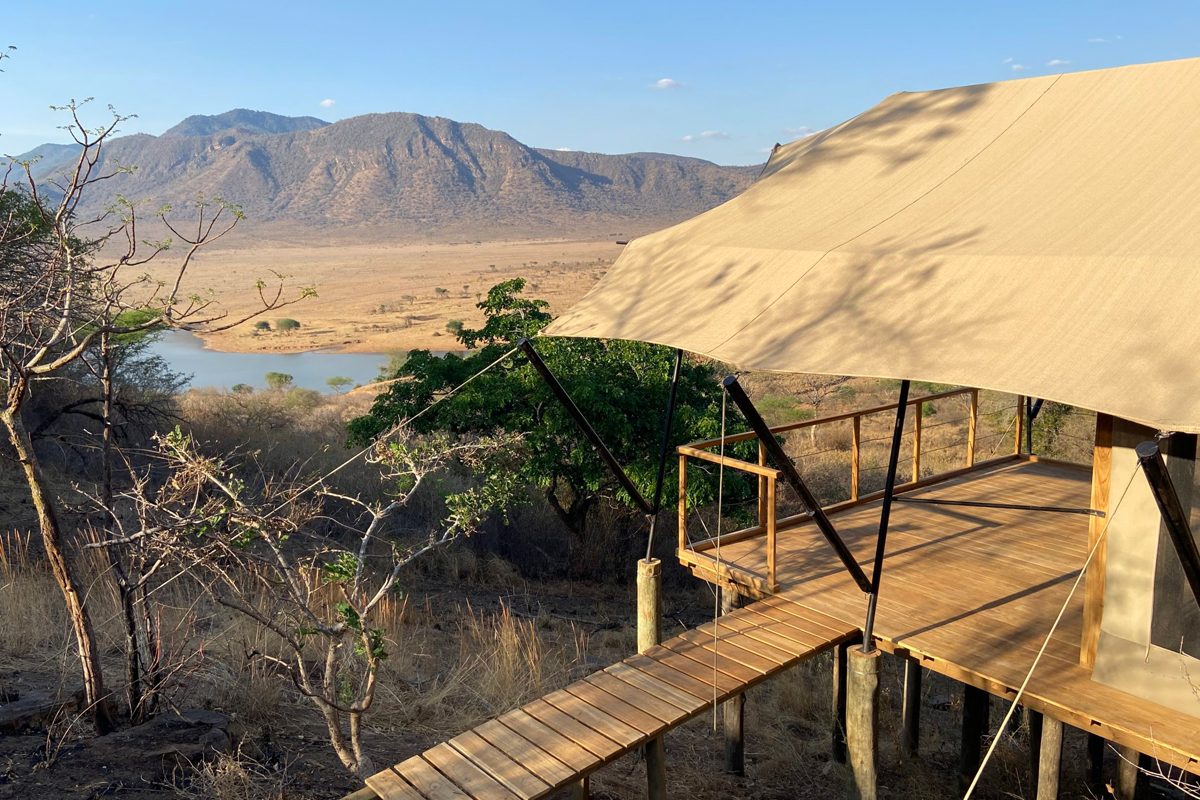
This is raw, old-Africa safari: game drives without another vehicle, walking safaris with armed rangers, and nights in small bush camps under enormous skies. Katavi pairs perfectly with Mahale's chimpanzees on a fly-in western circuit.
Wildlife
What You'll See
- Hippo
- Buffalo
- Lion
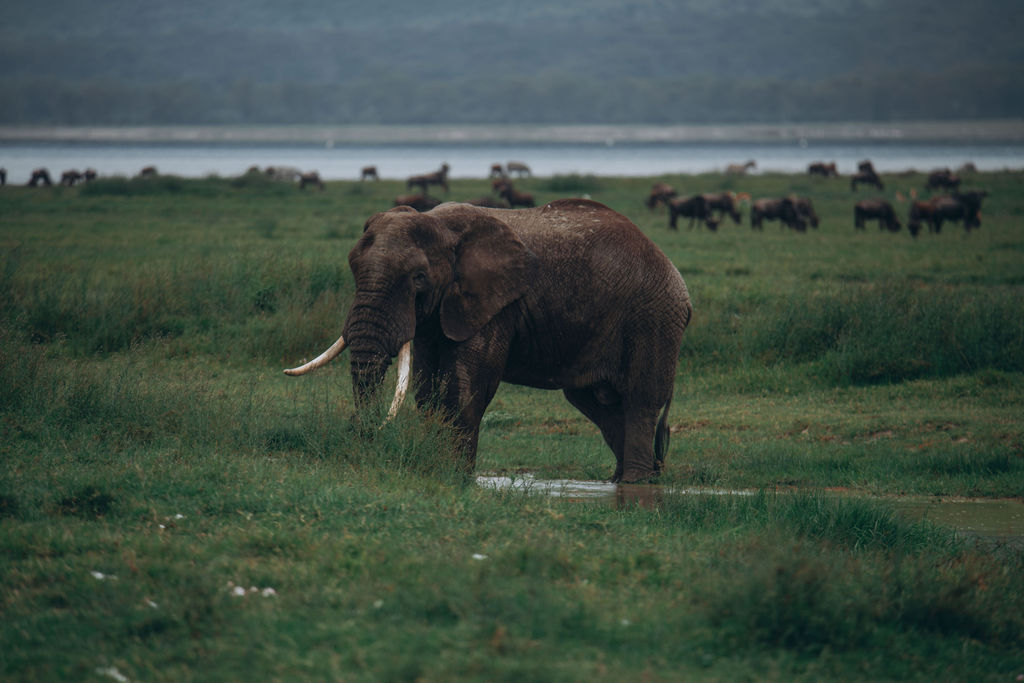
- Elephant
- Crocodile
- Topi
Activities
What You Can Do
- Game drives
- Walking safaris
- Fly camping
The remote one
Tanzania's Least-Visited Great Park
Katavi is the third-largest national park in Tanzania and receives a few hundred visitors a year. That is not a typo. It sits in the far west, is reached only by charter or scheduled light aircraft, and has a handful of camps. What you get in return is an experience that has almost vanished elsewhere in Africa: a major wilderness with no other vehicles in it at all.
The park's drama is seasonal and extreme. In the wet months the Katuma River floods the Katisunga and Chada plains into a shallow lake. As the dry season bites from July onward the water retreats to a few muddy pools, and what happens next is remarkable — hippo pack into the remaining mud in densities seen almost nowhere else, hundreds at a time, fighting for space. Crocodiles retreat into riverbank caves. Buffalo herds numbering well over a thousand come down to drink, and the lion follow.
This is a park for people who have done several safaris and want the wildest thing still bookable.
What you see
Katavi Highlights
Extraordinary hippo concentrations
As the Katuma dries, hundreds of hippo crowd into shrinking pools in one of the most extreme wildlife spectacles in Africa. Late dry season only.
Enormous buffalo herds
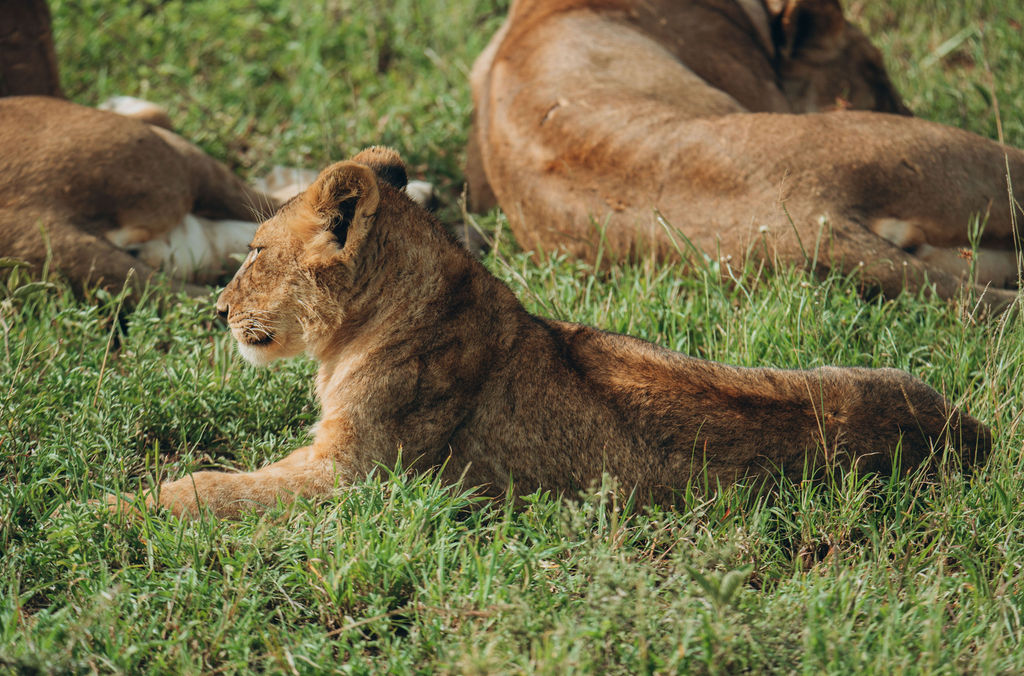
Herds of a thousand and more move across the floodplains, trailed by some of the largest lion prides in Tanzania.
Almost total solitude
A few hundred visitors a year across a park larger than many countries' entire protected estate. You will not share a sighting.
Walking and fly-camping
Guided walking safaris and nights out under canvas are standard here, and the guiding is generally excellent because the camps are small and owner-run.
Planning
Katavi FAQs
When should I visit Katavi?
August to October, without question. The dry-season concentrations that make Katavi extraordinary only happen at the end of the dry season, and visiting in, say, February gives you a green, beautiful, sparsely populated park with the animals dispersed. If you are making the effort to get here, come at the right time.
How do I get to Katavi?
By air only, in practice. Scheduled light aircraft run a few times a week from Arusha and Dar es Salaam, usually routing via Ruaha, and the flight is long and expensive. Katavi is almost always combined with Mahale Mountains for chimpanzee trekking on Lake Tanganyika, since the two share the same air route and the pairing makes the cost defensible.
Is it worth the cost?
For the right traveller, emphatically. If you have done the northern circuit and want genuine remoteness, big raw spectacle and no other vehicles, nothing in Tanzania compares. If it is your first safari, the money is better spent on more days in the Serengeti and Ngorongoro. We will tell you honestly which you are.
Gallery
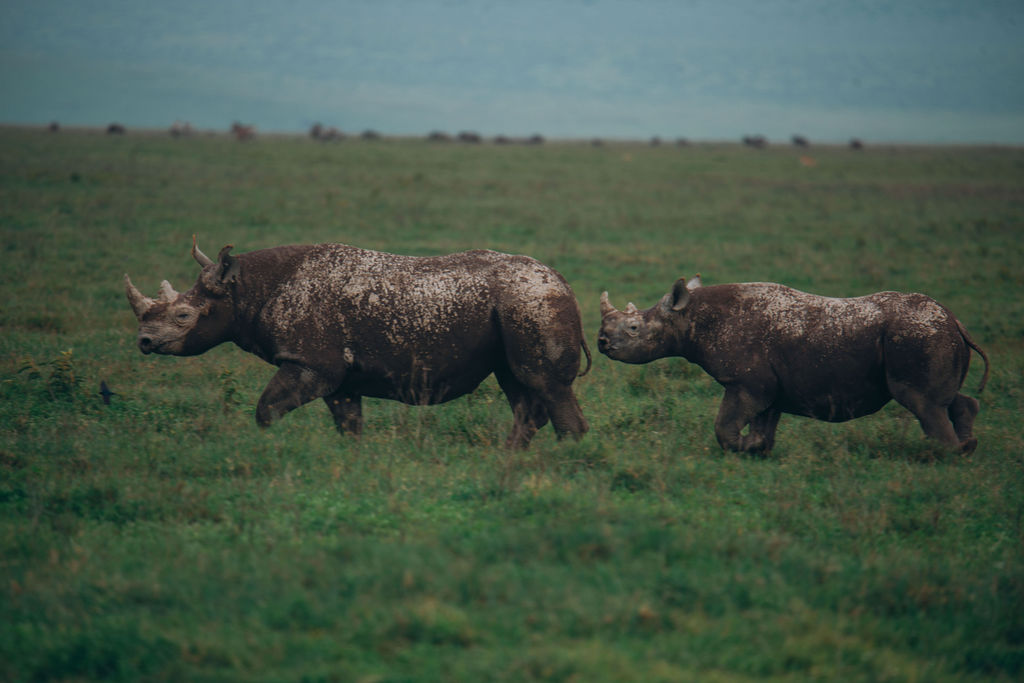
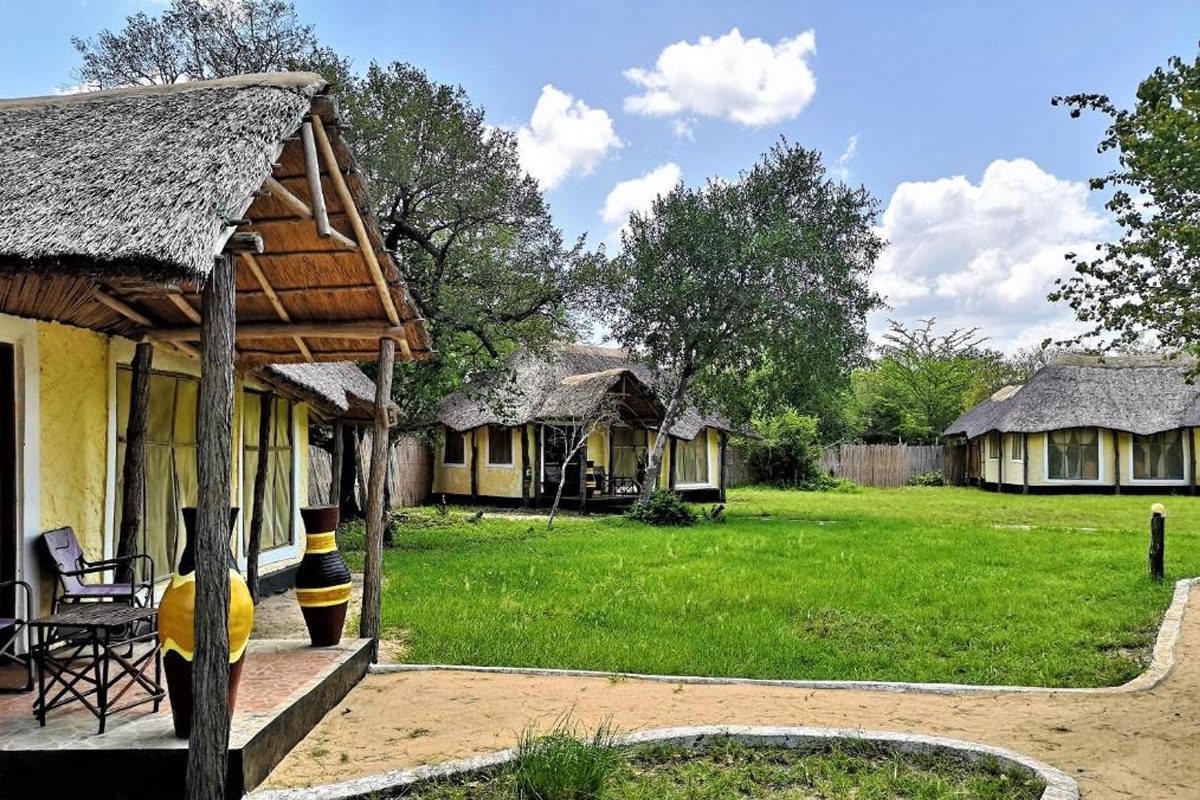
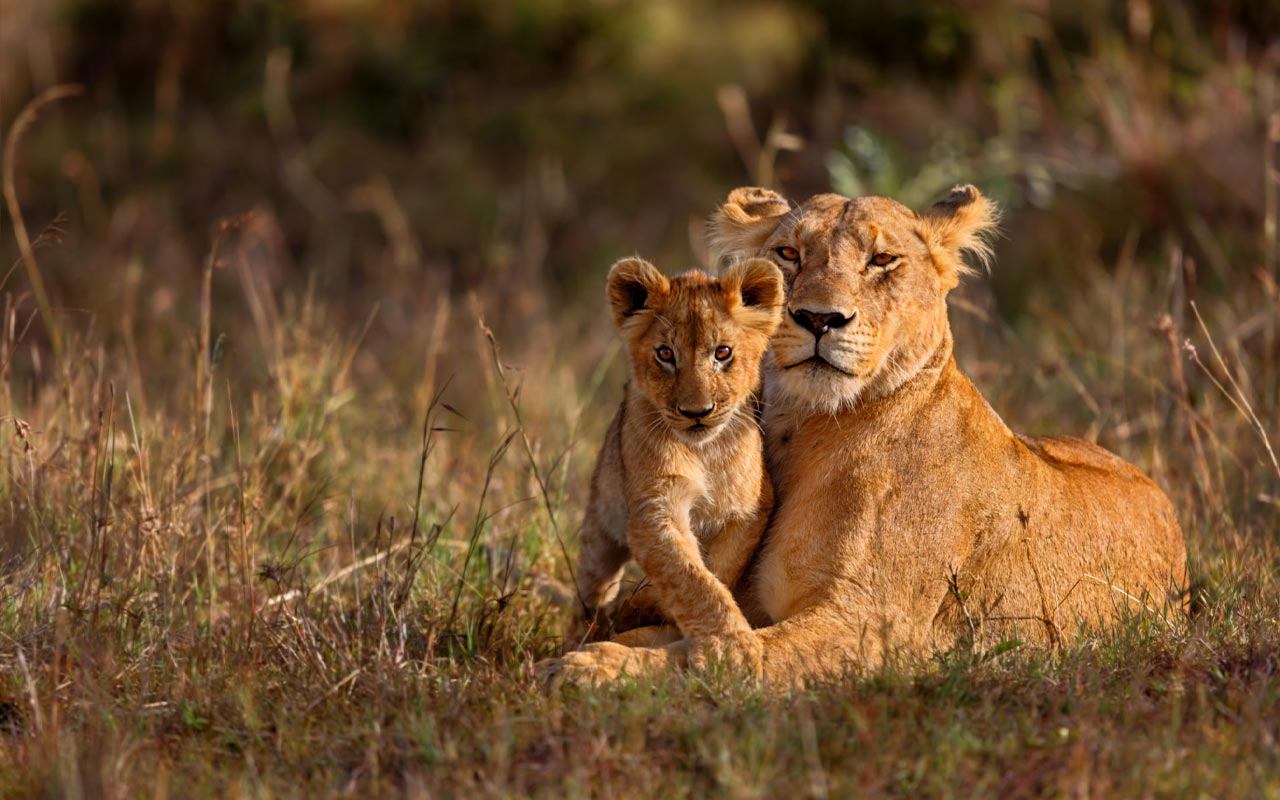
A Glimpse of Katavi National Park
Let's plan together
Ready to Experience Tanzania?
Tell us your dates and dreams — our Arusha team will craft a private itinerary within 24 hours.
