
Western Tanzania
Gombe National Park
Where Jane Goodall changed our understanding of ourselves
About Gombe National Park
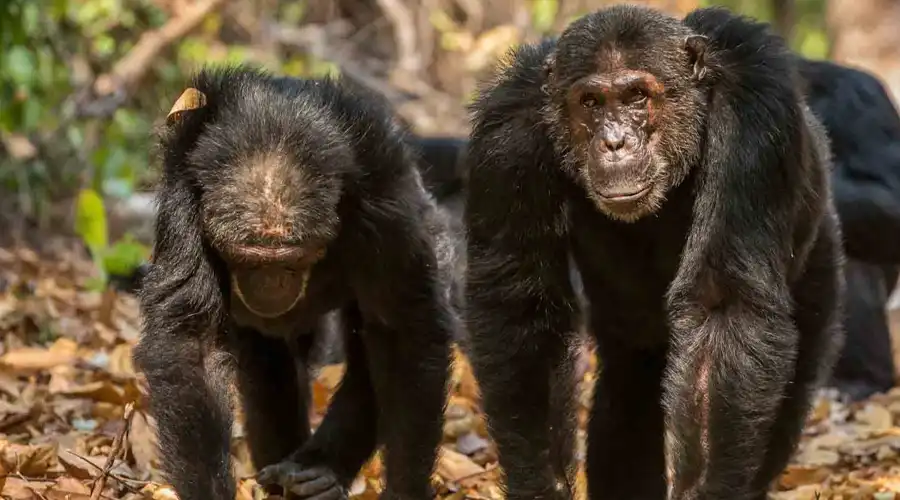
Gombe is small in size and giant in legacy — the forest where Jane Goodall began her chimpanzee research in 1960 and changed our understanding of what it means to be human. Its habituated chimpanzee families still roam the lakeshore forest today.
Treks climb from the shore of Lake Tanganyika through evergreen forest alive with red colobus, vervets and birdsong. Combine Gombe with Mahale for the ultimate western Tanzania primate safari.
Wildlife
What You'll See
- Chimpanzee
- Red Colobus
- Vervet Monkey
- Forest birds
Activities
What You Can Do
- Chimpanzee trekking
- Forest walks
- Lakeshore swimming
Where it started
Gombe: Jane Goodall's Forest
Gombe is the smallest national park in Tanzania — a narrow strip of forested valleys on the shore of Lake Tanganyika, north of Kigoma. It is also one of the most significant places in the history of science. Jane Goodall began her study of wild chimpanzees here in 1960, and her observation that they made and used tools forced a redefinition of what separates humans from other animals.
The Kasekela community she studied is still here and still habituated, and the research programme is the longest continuous study of any wild animal group anywhere. Trekking to find them takes you up steep forested valleys behind the lake shore, and the terrain is demanding despite the park's small size.
Beyond the chimpanzees, Gombe has olive baboons that are themselves the subject of decades of research, red colobus and red-tailed monkeys, and over two hundred bird species. The lake shore is beautiful, swimmable, and blessedly free of the crowds you would expect at a place this famous.
What you do
Gombe Highlights
Chimpanzee trekking
The Kasekela community, habituated since the 1960s and the most studied group of wild chimpanzees on earth.
Jane Goodall's legacy
You can walk to Jane's Peak, where she sat and watched the valleys, and visit the research station that has run continuously for over sixty years.
Kakombe Waterfall
A forest walk to a waterfall in a steep valley, often combined with the chimpanzee trek and good for primates and birds along the way.
Lake Tanganyika
Swimming and snorkelling in clear freshwater directly off the park, with the endemic cichlids that make this lake famous among aquarists.
Planning
Gombe FAQs
Gombe or Mahale for chimpanzees?
Mahale for the setting and the trekking, Gombe for the history and the price. Mahale is larger, wilder, more beautiful and has more chimpanzees, with camps to match. Gombe is smaller and considerably cheaper to reach — a boat ride from Kigoma, which has scheduled flights — and its significance is unmatched. If budget is the constraint, Gombe delivers the same species for far less.
How do I get to Gombe?
Fly to Kigoma from Dar es Salaam or Arusha, then take a boat north along the lake shore for one to three hours depending on whether you charter or take the public lake taxi. There is no road access. Accommodation inside the park is simple — a resthouse and a small camp — so many visitors base themselves in Kigoma and visit on a long day trip.
When should I visit?
The dry months from July to October offer the easiest walking and the most reliable sightings, as the chimpanzees stay lower in the valleys. February to June brings heavy rain, slippery trails and harder trekking, though the forest is at its most beautiful and there are almost no other visitors.
Let's plan together
Ready to Experience Tanzania?
Tell us your dates and dreams — our Arusha team will craft a private itinerary within 24 hours.
