
Northern Circuit
Central Serengeti
The predator capital of the Serengeti, alive year-round
Trips that go here
Central Serengeti Safari Packages
Start with one of these, or we will build a route around Central Serengeti to suit your dates.
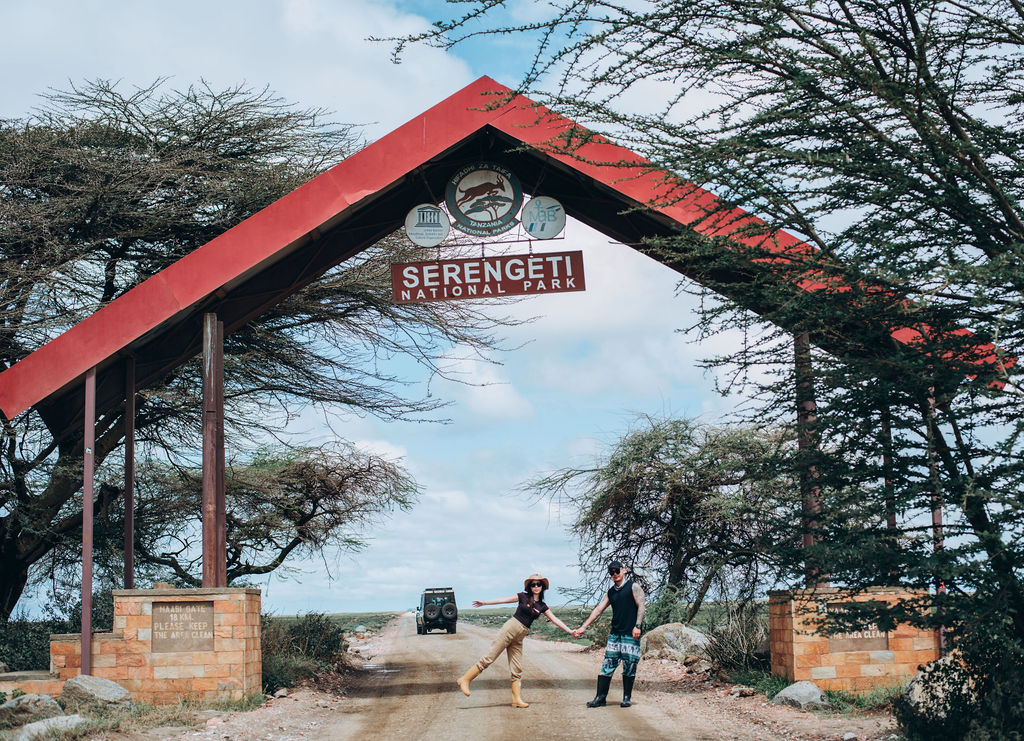
5 Days Serengeti Migration Safari | Lodge Safari
Serengeti → Lake Manyara → Masai Mara → Ngorongoro
- Mid-range
- 4×4 Land Cruiser
From $1,500 pp
View details
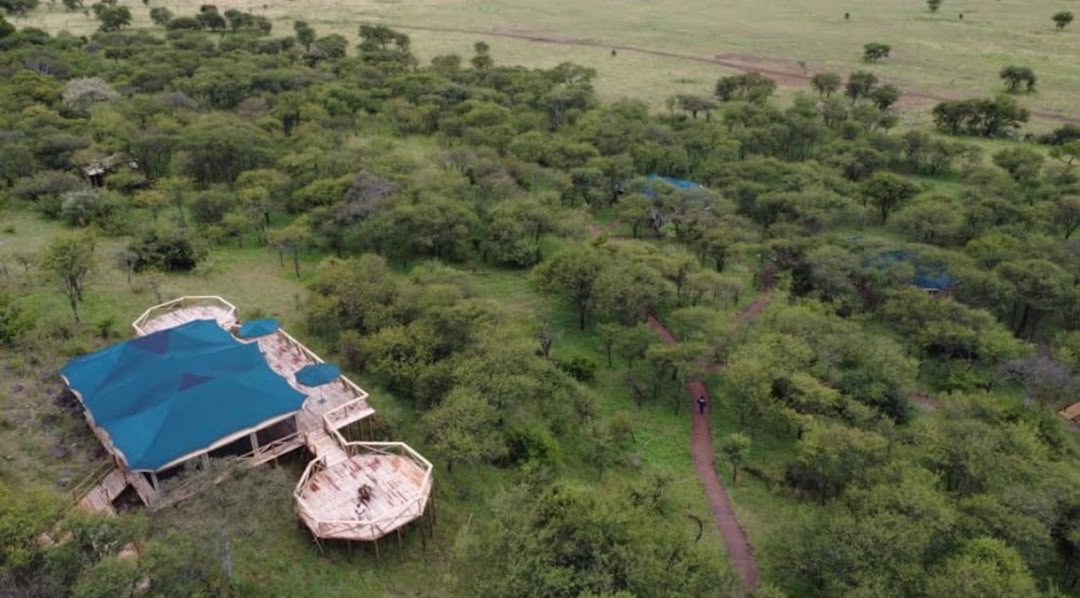
10-Day Luxury Tanzania Safari: Tarangire, Serengeti, & Ngorongoro Adventure
Tarangire → Serengeti → Ngorongoro → Lake Manyara
- Luxury
- 4×4 Land Cruiser
From $7,230 pp
View details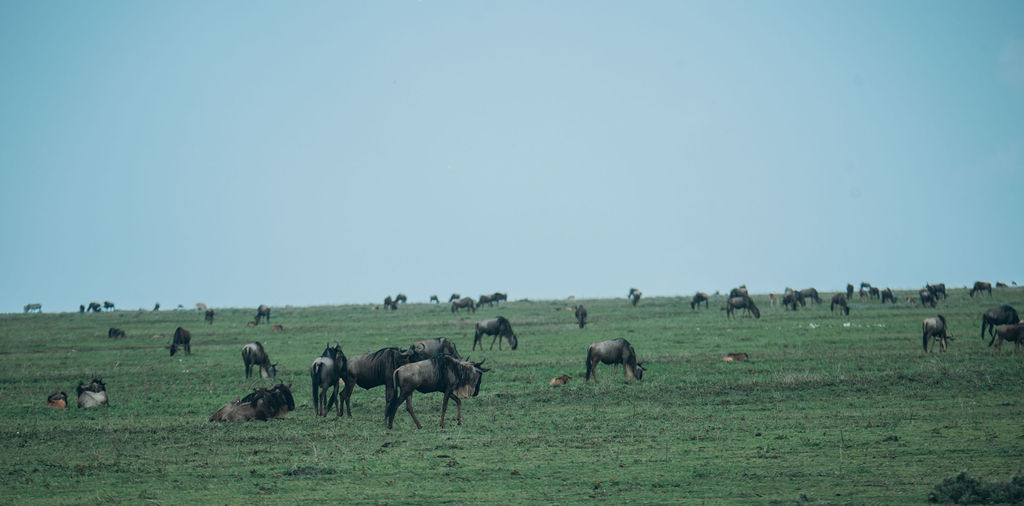
9-Day Tanzania Safari: Explore Arusha, Serengeti, Ngorongoro & Tarangire
Serengeti → Ngorongoro → Tarangire → Arusha NP
- Mid-range
- 4×4 Land Cruiser
From $2,730 pp
View details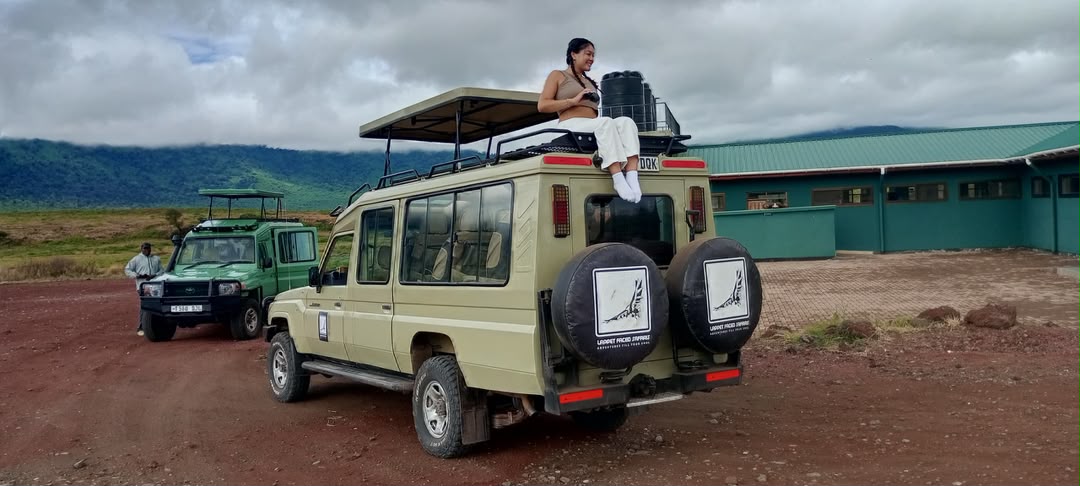
3-Day Serengeti NP, Ngorongoro Crater
Serengeti → Ngorongoro
- Mid-range
- 4×4 Land Cruiser
From $940 pp
View details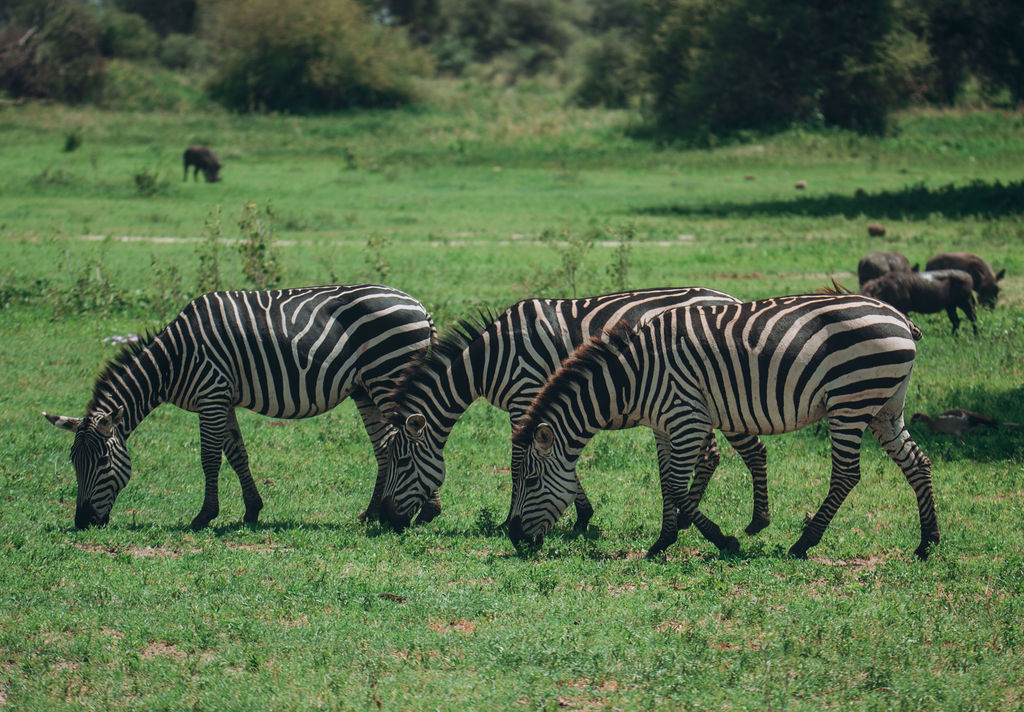
8-Day Tanzania Great Migration Safari: Tarangire, Ndutu, Serengeti, and Ngorongoro Crater
Tarangire → Ndutu → Serengeti → Ngorongoro
- Mid-range
- 4×4 Land Cruiser
From $3,810 pp
View details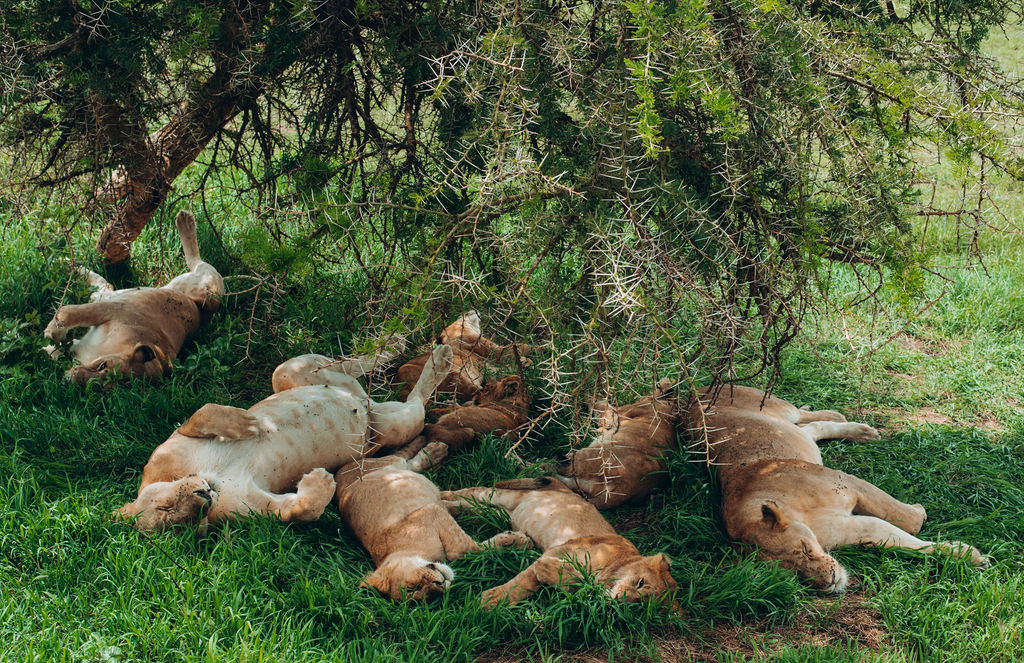
8-Day Tanzania Migration Safari: Tarangire, Serengeti, and Ngorongoro Crater Adventure
Tarangire → Serengeti → Ngorongoro
- Mid-range
- 4×4 Land Cruiser
From $2,710 pp
View detailsAbout Central Serengeti
Why Visit Central Serengeti
Central Serengeti is famous for seronera River, the highest big-cat density in Africa. The predator capital of the Serengeti, alive year-round. Our Arusha team builds it into most northern-circuit itineraries — tell us your dates and we'll show you how it fits.
Wildlife
What You'll See
- Lion
- Leopard
- Cheetah
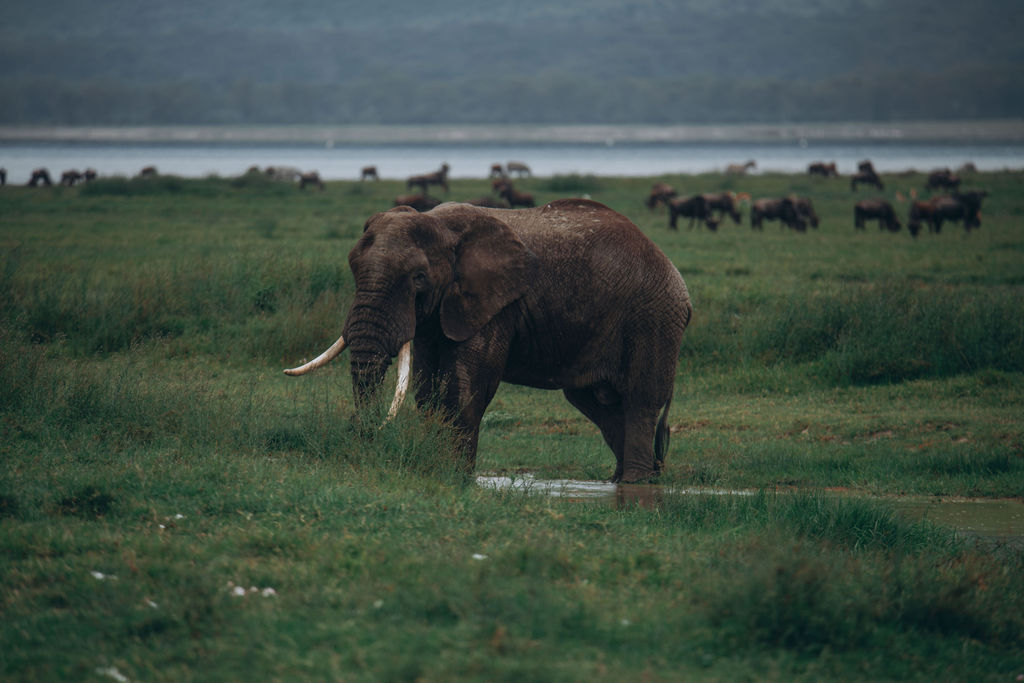
- Elephant
- Hippo
- Buffalo
- Giraffe
- Serval
Activities
What You Can Do
- Game drives
- Hot-air balloon safaris
- Photography safaris
- Kopjes exploration
Seronera
The Heart of the Serengeti, Year-Round
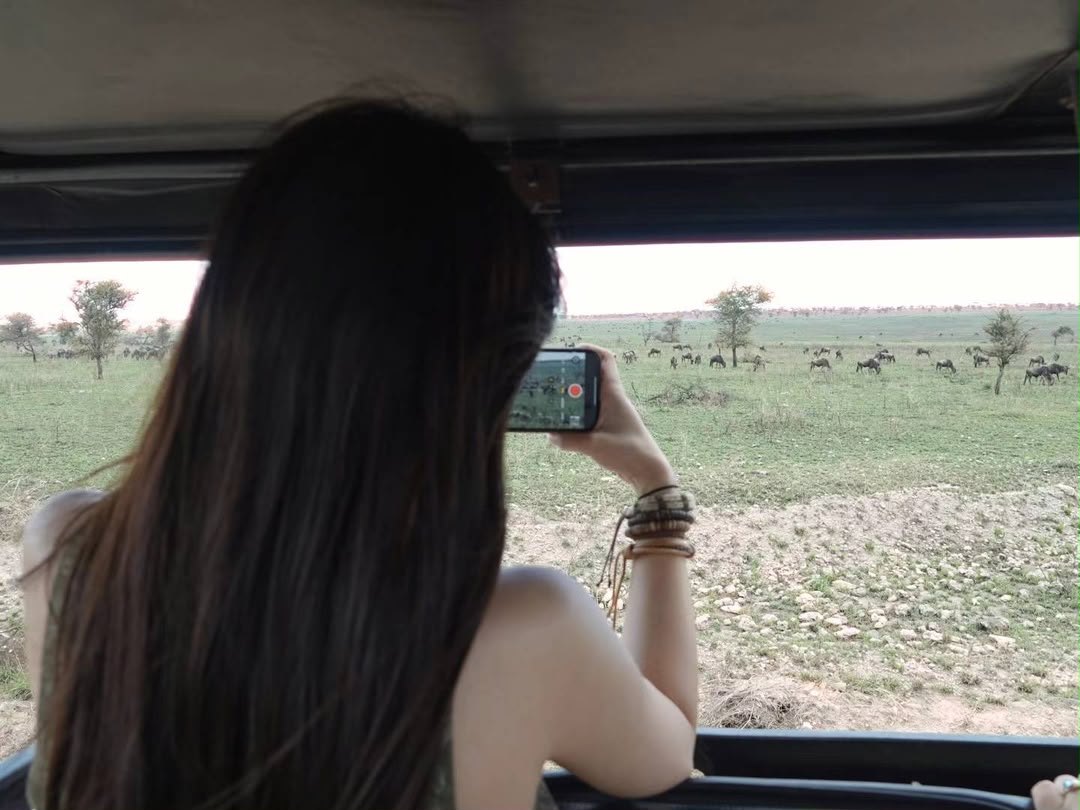
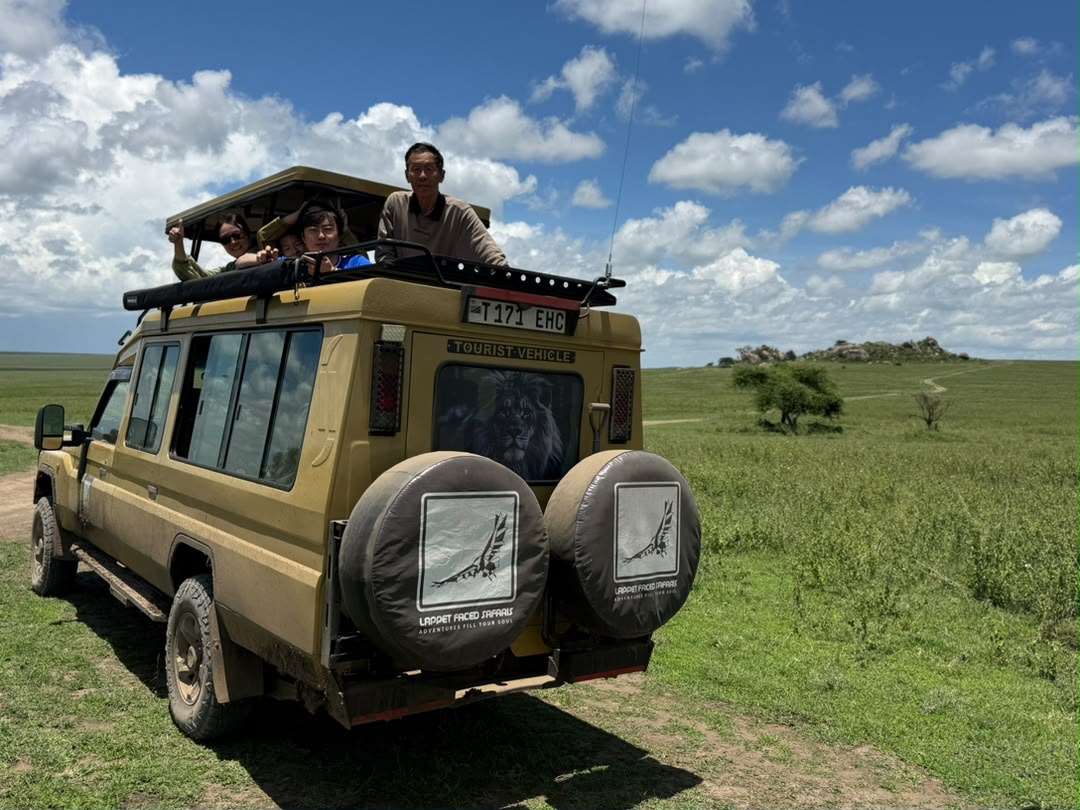
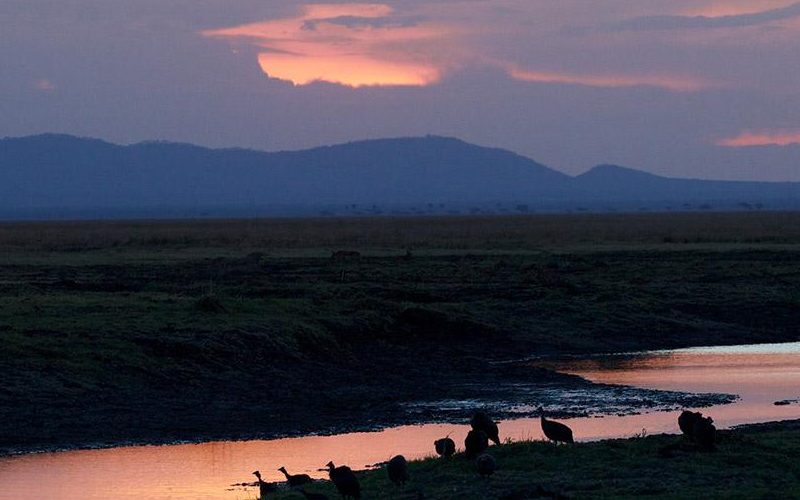
The central Serengeti — the Seronera valley — is the part of the park that never empties. The migration passes through on its way north and south, but what makes Seronera special is what stays: a permanent river system that holds water all year, and with it the highest concentration of resident predators in the ecosystem.
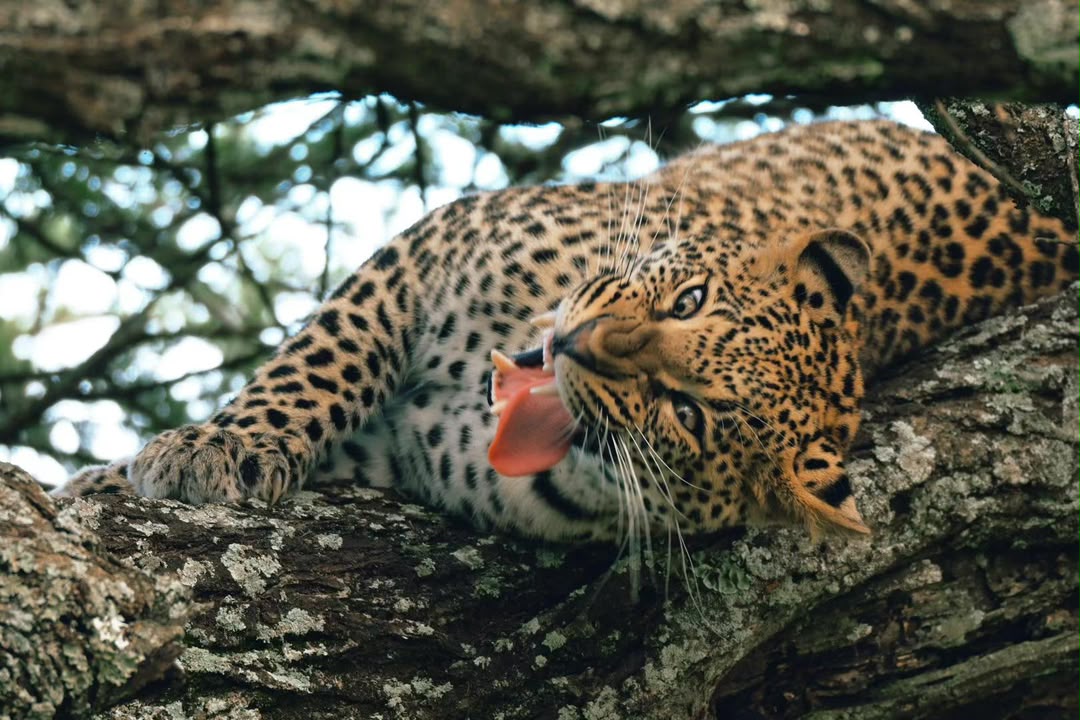
This is the most reliable place in the Serengeti to find leopard, which drape themselves in the sausage trees and acacias along the Seronera River, and lion prides here are large, well known and comfortable with vehicles. Cheetah hunt the open plains to the south-east. Because the game does not depend on the migration being present, Seronera is the answer for anyone whose dates fall between the great herd movements.
The trade-off is company. Seronera has the highest lodge density and the most vehicles in the park, and a good leopard sighting draws a crowd. Early starts and a guide who knows where to go before everyone else arrives make a substantial difference here.
What you see
Central Serengeti Highlights
The best leopard viewing in Tanzania
The riverine forest along the Seronera holds a well-known resident leopard population, and sightings are more reliable here than anywhere else in the park.
Large, habituated lion prides
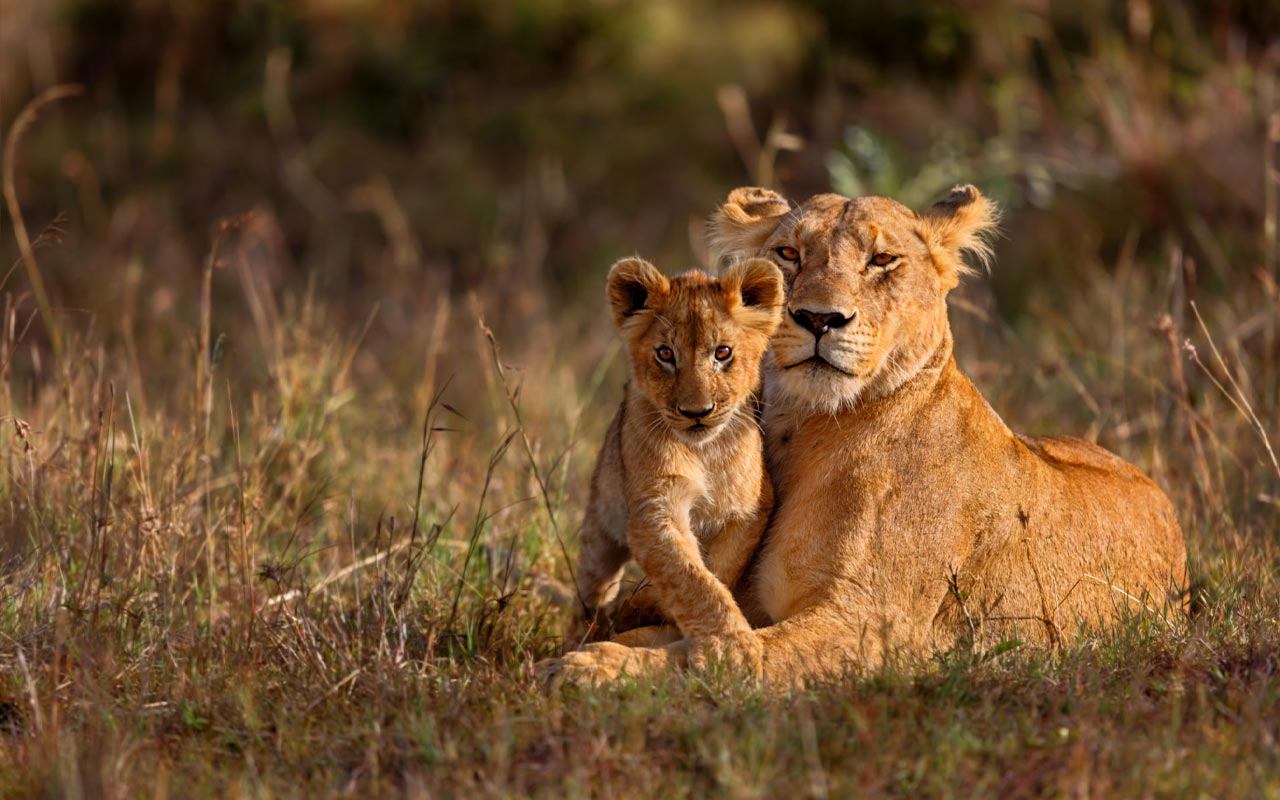
Prides that have been watched for decades, entirely relaxed around vehicles, often with cubs. Kopje-dwelling prides are a particular feature.
Year-round game
Permanent water means resident herbivores and predators regardless of where the migration is — the safe choice for awkward dates.
Central access
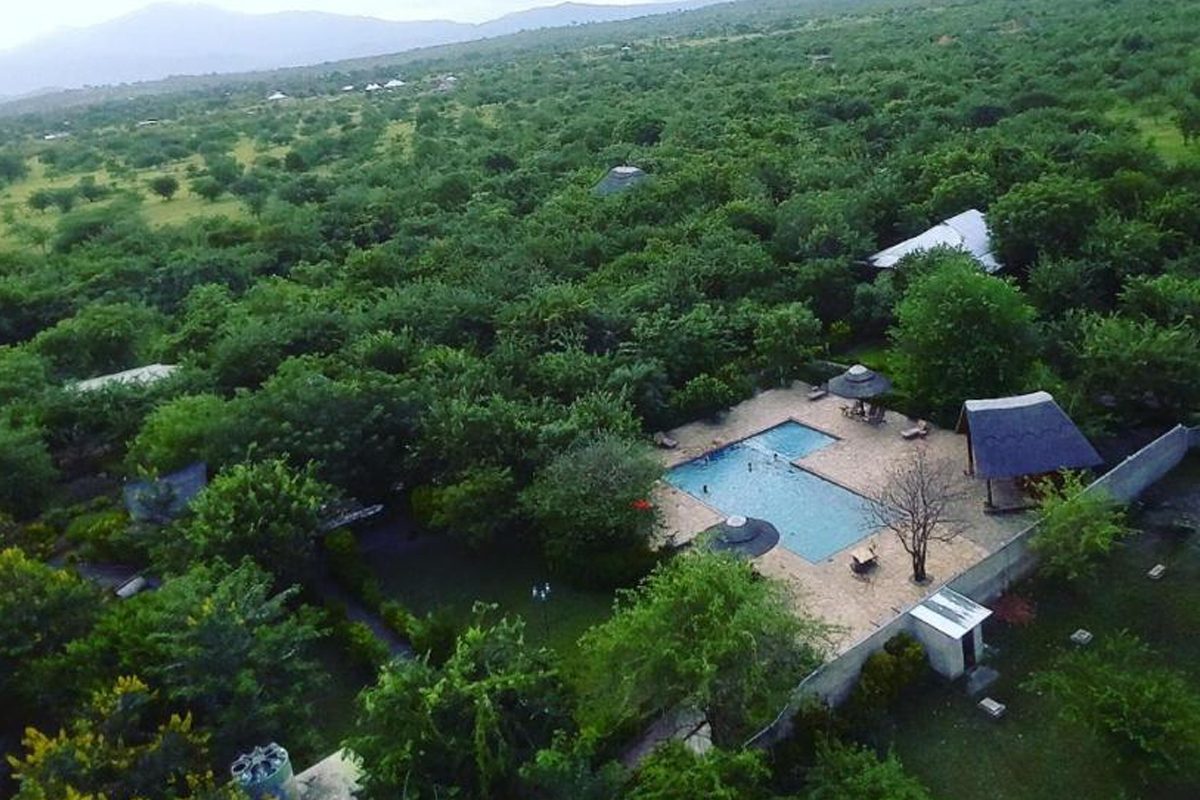
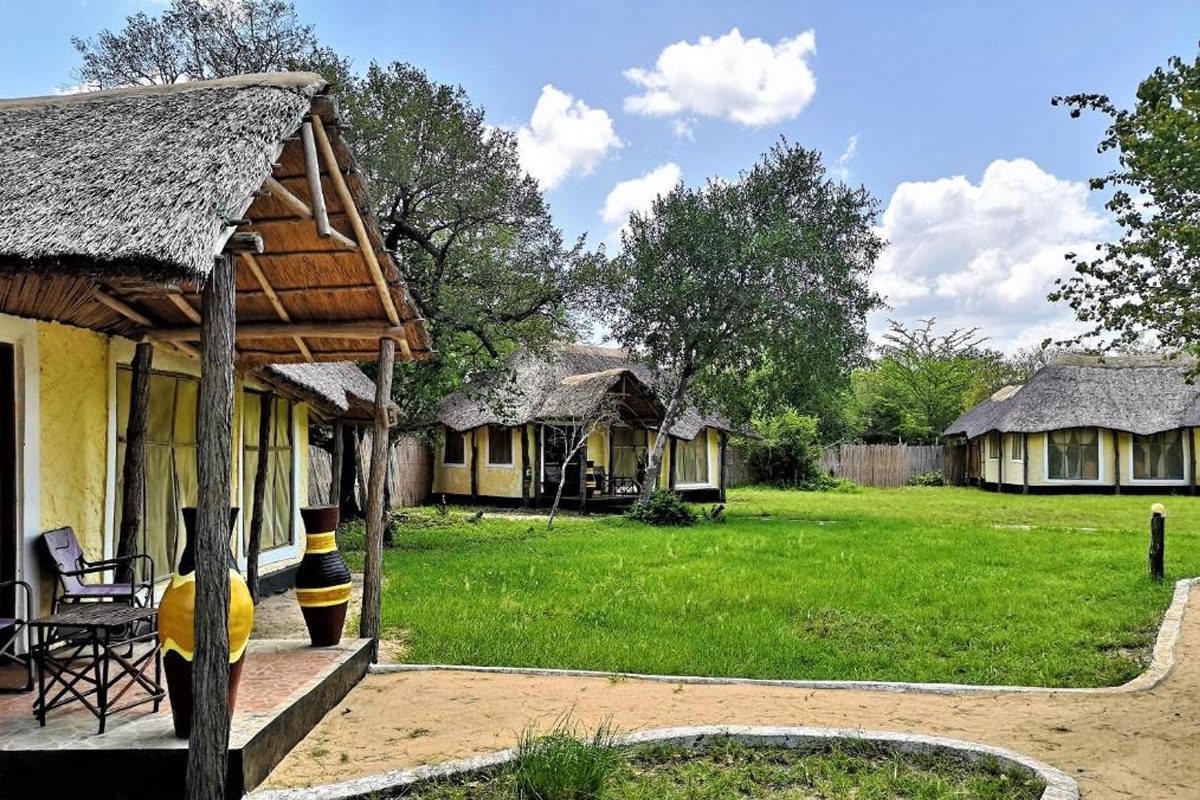
The Seronera airstrip and the road network make this the easiest base for reaching other regions of the park, and the widest choice of accommodation.
Planning
Central Serengeti FAQs
Is the central Serengeti worth visiting if the migration is elsewhere?
Yes — that is precisely its strength. Seronera's permanent water supports resident lion, leopard, cheetah, elephant, buffalo and large numbers of plains game every month of the year. Guests travelling in April, May or November, when the herds are moving and hard to pin down, consistently have excellent safaris here. It is the least date-dependent part of the Serengeti.
Is it too crowded?
It is the busiest part of the park, and in July and August a leopard sighting can attract a dozen vehicles. This is a real drawback and worth planning around: start before dawn, ask your guide to work the quieter tracks, and consider splitting your stay between Seronera and a more remote region such as the north or west. Outside peak season the pressure drops sharply.
When does the migration pass through?
Typically twice — heading north roughly between April and June, and returning south around November and December. Those shoulder movements are less predictable than the calving or the river crossings, but being in the centre during them can be spectacular. For guaranteed herd numbers, book the southern plains in February or the north in August.
Gallery
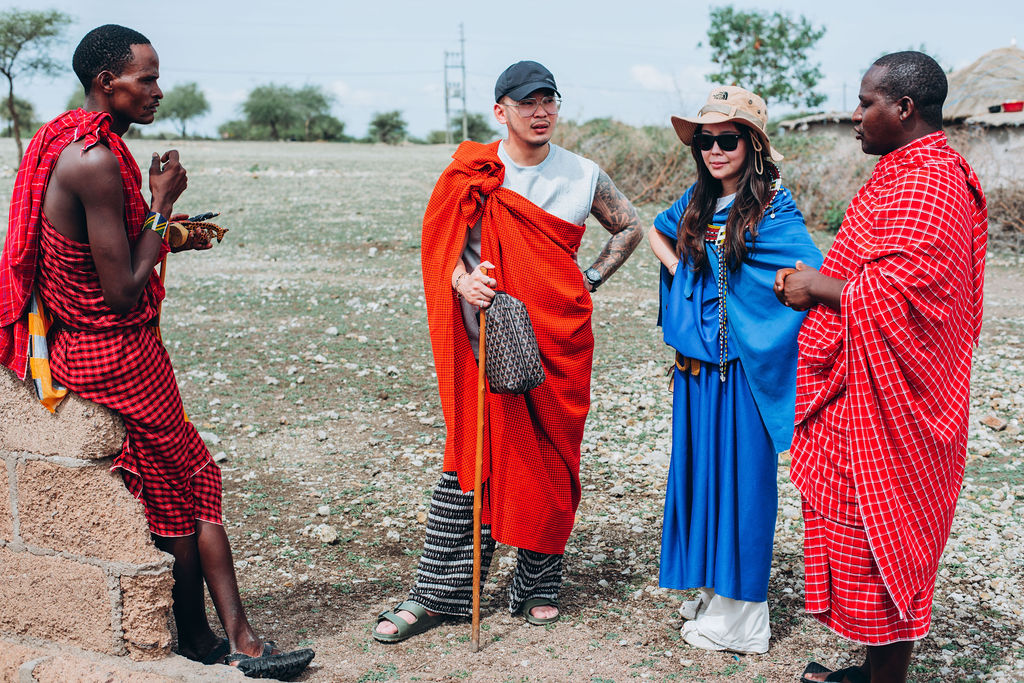
A Glimpse of Central Serengeti
Let's plan together
Ready to Experience Tanzania?
Tell us your dates and dreams — our Arusha team will craft a private itinerary within 24 hours.
