
Highlands & Lake Zone
Kitulo National Park
The Serengeti of Flowers — Africa's first botanical park
About Kitulo National Park
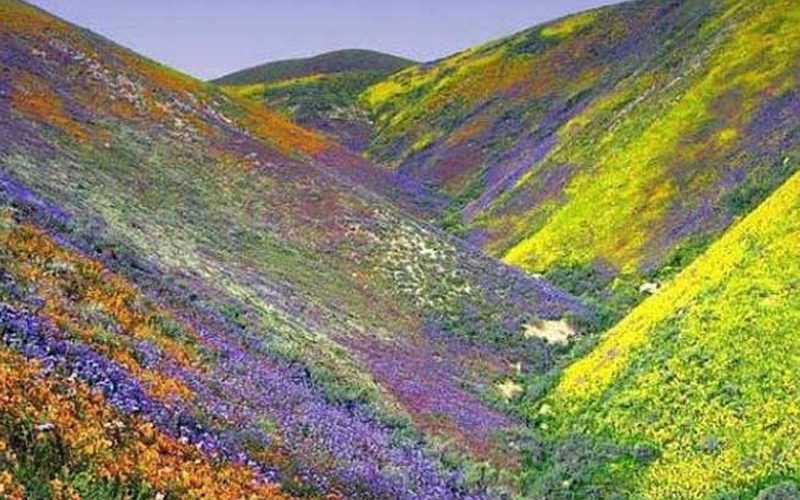
Locals call it Bustani ya Mungu — the Garden of God. Kitulo, Africa's first national park established primarily for its flora, is a high plateau in the southern highlands that erupts into bloom between December and April: over 350 plant species including 45 varieties of orchid.
This is a walker's park — no game-drive circuits, just montane grassland trails, waterfalls and rare birds like the Denham's bustard and blue swallow. A one-of-a-kind stop for botanists, hikers and photographers.
Wildlife
What You'll See
- 45 orchid species
- Denham's Bustard
- Blue Swallow
- Kipunji Monkey nearby
Activities
What You Can Do
- Wildflower walks
- Hiking
- Birdwatching
- Photography
The garden of God
Africa's Only Park Created for Its Flowers
Kitulo is unlike anything else in the Tanzanian park system. It sits on a high plateau in the southern highlands, between 2,600 and 3,000 metres, and it was gazetted not for its mammals but for its plants — the first national park in tropical Africa established primarily to protect flora.
Local people call it Bustani ya Mungu, the Garden of God, and botanists call it the Serengeti of Flowers. Between roughly December and April the grassland erupts into one of the great floral displays on the continent: over 350 species of vascular plant recorded here, including 45 terrestrial orchid species, alongside aster, lily, aloe and red-hot poker in extraordinary density.
Do not come for big game — there is very little, and what exists is shy. Come for the walking, the flowers, and the birds. Kitulo is a stronghold for the endangered Denham's bustard and the blue swallow, and the Kipunji monkey, discovered in 2003 in the neighbouring forest, is one of the rarest primates in Africa.
What you see
Kitulo Highlights
The wildflower season
From December to April the plateau carries one of Africa's greatest floral displays, with 45 orchid species among more than 350 recorded plants.
High-altitude walking
Open, rolling grassland at 2,600 metres and above, with genuinely good hiking and views across the southern highlands. No vehicles required.
Rare birds
A key site for Denham's bustard, the blue swallow and the endemic Kipunji, which was new to science as recently as 2003.
Almost no visitors
Even in peak flower season you are likely to have the plateau to yourself. This is one of the least-visited parks in the country.
Planning
Kitulo FAQs
When should I visit Kitulo?
December to April, and there is no point coming outside that window if flowers are your reason. The display peaks around February and March. Outside the wet season the plateau is dry, brown and windswept, and while the walking is still pleasant, the thing that makes Kitulo remarkable is simply not there.
Is there any wildlife?
Very little large game, and you should not come expecting any. There are some mountain reedbuck and a few smaller mammals, and the birding is genuinely good. Kitulo is a botanical and hiking destination. Visitors who arrive hoping for a safari in the conventional sense will be disappointed, which is why it appears on so few itineraries.
How do I get there?
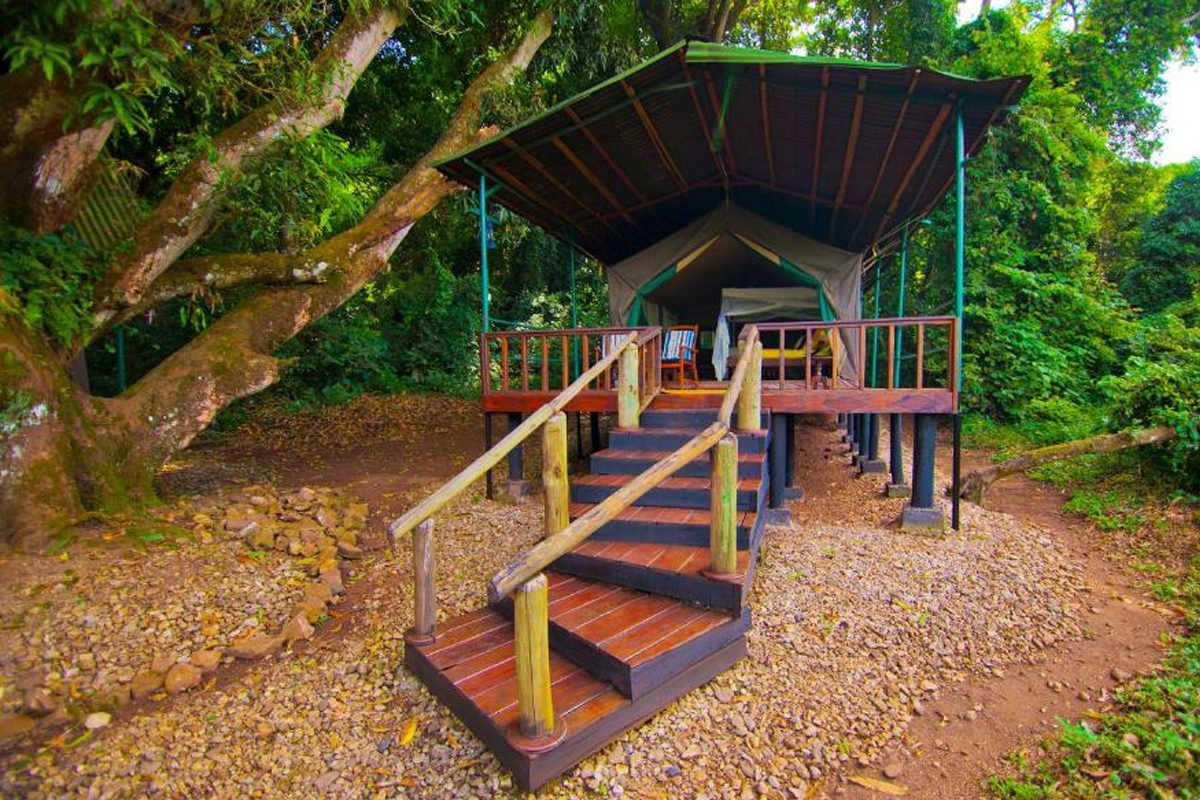
By road from Mbeya in the southern highlands, roughly two to three hours on rough tracks, with a four-wheel drive essential in the wet season — which is, unavoidably, exactly when you want to visit. Accommodation is basic and mostly in Mbeya rather than the park. It is a genuine expedition rather than a lodge safari.
Gallery
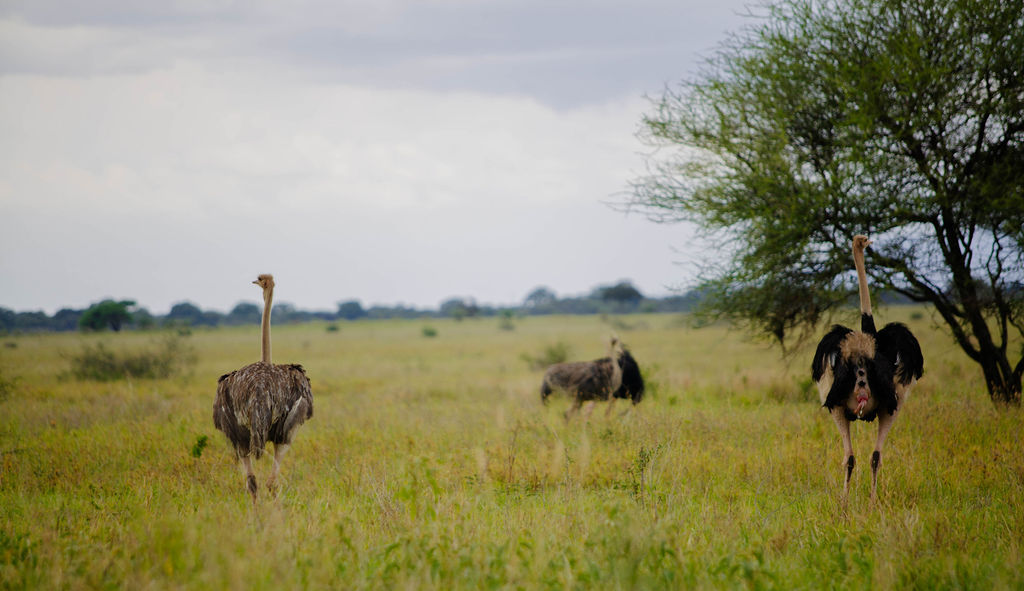
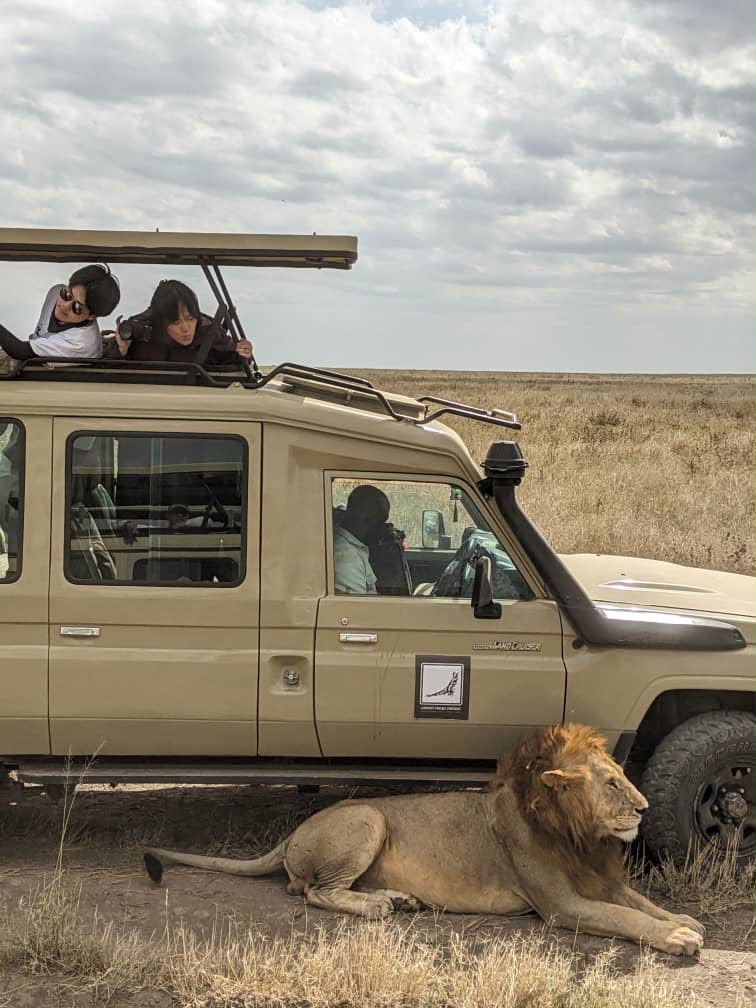
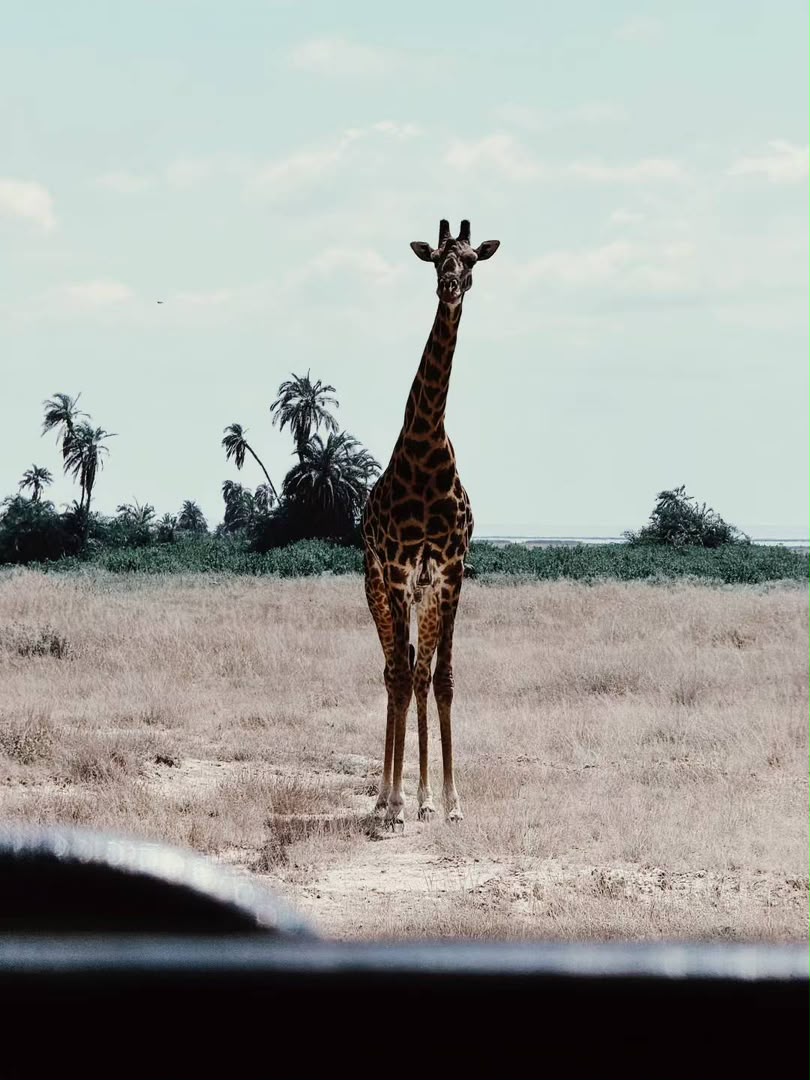
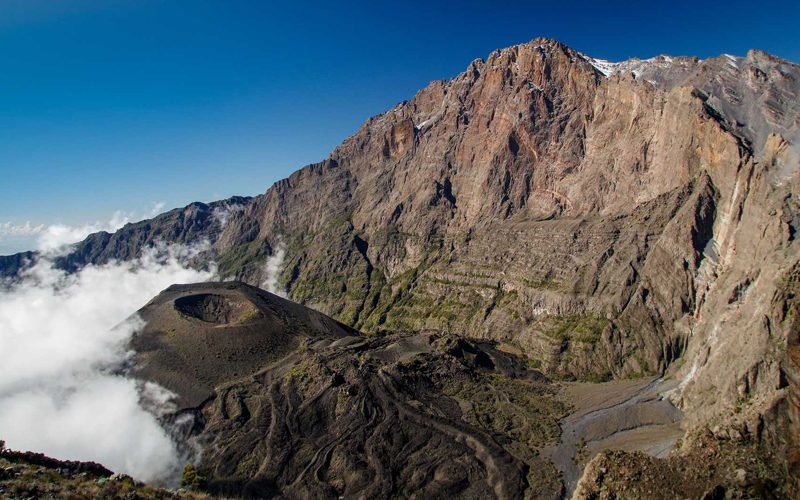
A Glimpse of Kitulo National Park
Let's plan together
Ready to Experience Tanzania?
Tell us your dates and dreams — our Arusha team will craft a private itinerary within 24 hours.
