
Highlands & Lake Zone
Rubondo Island National Park
A forested Lake Victoria island with a chimpanzee story
About Rubondo Island National Park
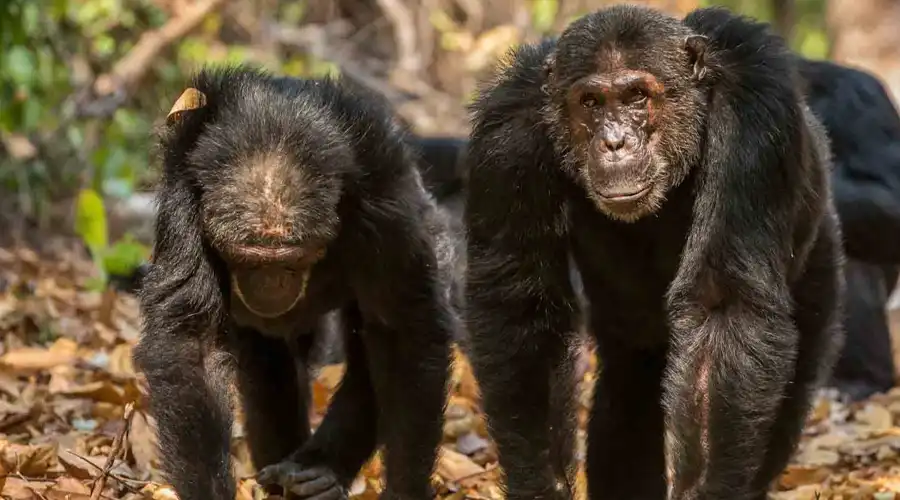
Rubondo Island floats in the south-west corner of Lake Victoria — an entire island national park cloaked in virgin forest. In the 1960s rescued chimpanzees were released here; their wild-born descendants still roam the island today.
Days on Rubondo mix forest walks, birdwatching (the island is a haven for African grey parrots), world-class Nile perch catch-and-release fishing, and beaches you will have entirely to yourself.
Wildlife
What You'll See
- Chimpanzee
- Sitatunga
- African Grey Parrot
- Nile Perch
Activities
What You Can Do
- Forest walks
- Catch-and-release fishing
- Birdwatching
- Boat excursions
Lake Victoria
An Island Park in Africa's Largest Lake
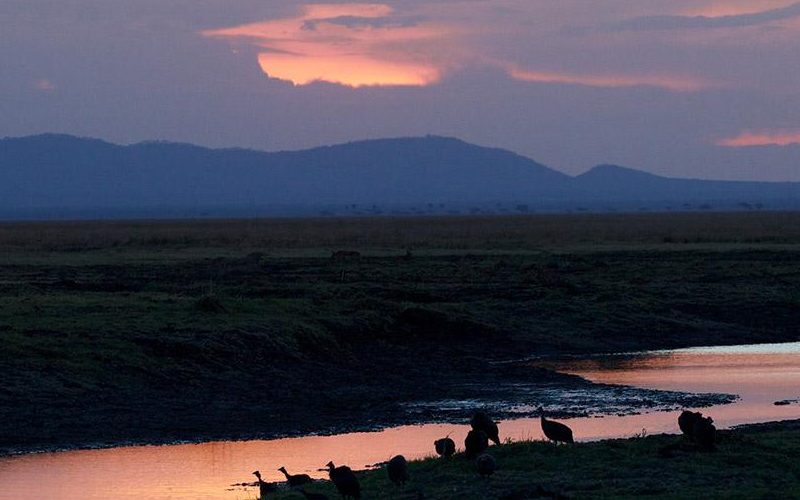
Rubondo is an island national park in the south-west corner of Lake Victoria, and it is one of the most unusual protected areas in Tanzania. Most of the island is dense forest, fringed by papyrus swamp and sandy bays, and the whole thing is a sanctuary in a very literal sense.
From the 1960s onward, animals were introduced here for protection — including chimpanzees rescued from European zoos and the circus trade, released into the forest to live wild. Their descendants are still here, and a habituation programme now allows visitors to trek them, making Rubondo one of very few places where you can see chimpanzees that were born wild to captive-rescued parents.
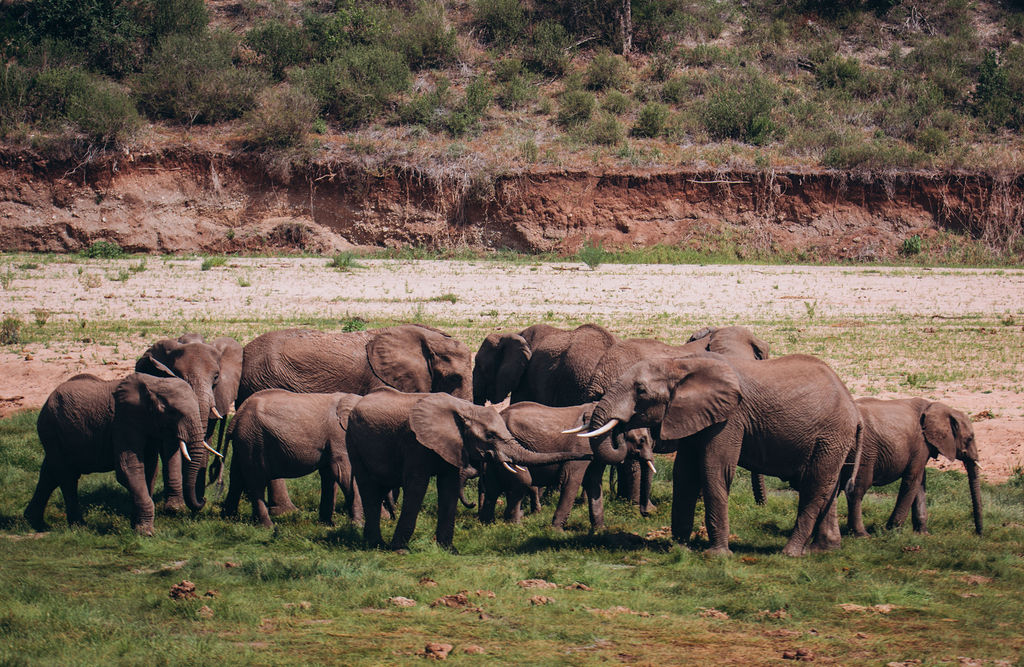
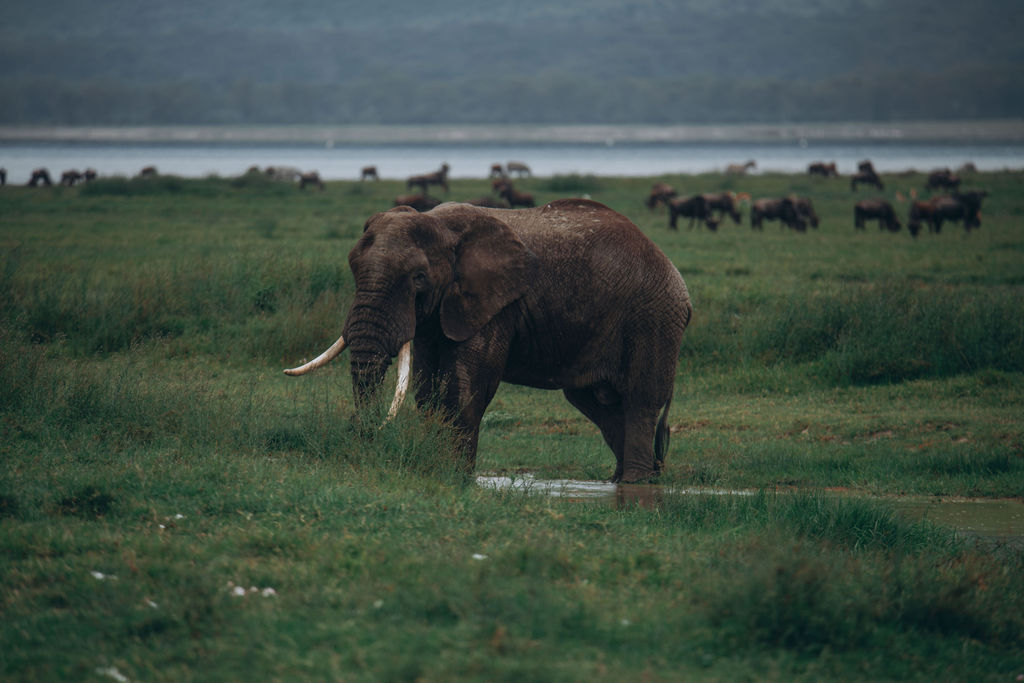
Elephant, giraffe, black-and-white colobus and sitatunga — a secretive swamp-dwelling antelope that is common here and difficult to see almost anywhere else — round out an odd and appealing species list. The birding is exceptional, with over 300 species and enormous concentrations of fish eagle along the shore.
What you do
Rubondo Highlights
Chimpanzee tracking
Descendants of rescued, released chimpanzees, now wild and undergoing habituation. A conservation story unlike any other in Africa.
Sitatunga
This shy, swamp-adapted antelope is genuinely common on Rubondo and easily seen — which is close to impossible in most of its range.
Boat safaris and fishing
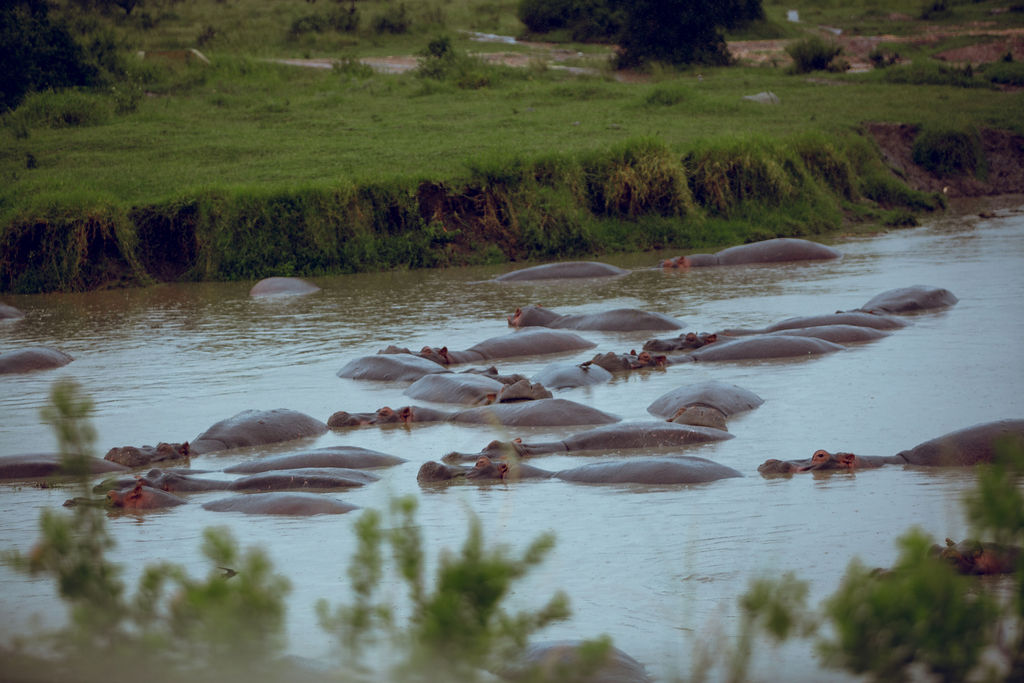
Shoreline cruises for hippo, crocodile, otter and fish eagle, plus catch-and-release Nile perch fishing that draws anglers from around the world.
Forest walks and beaches
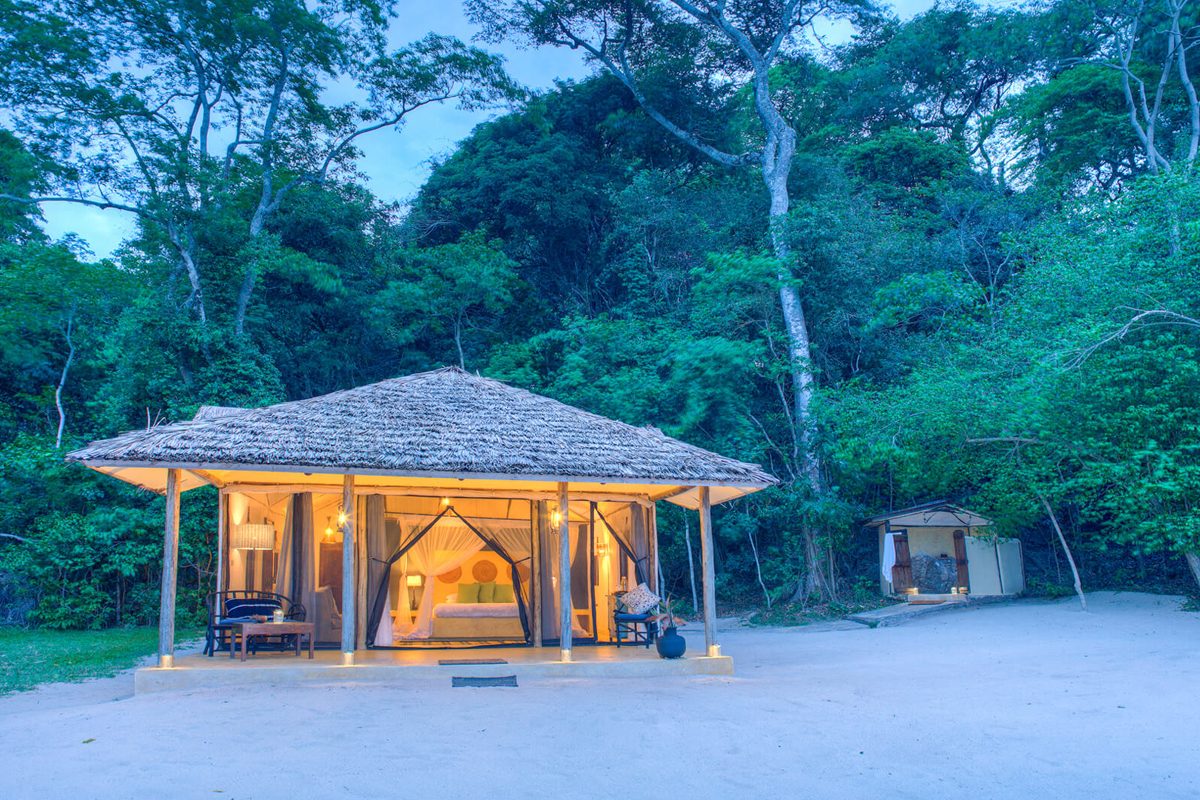
Walking is permitted throughout, and the island has genuinely beautiful sandy bays with nobody on them.
Planning
Rubondo FAQs
How do I get to Rubondo?
By light aircraft to the island airstrip, usually from Arusha or via Mwanza, or by road to Mwanza and then a boat transfer across the lake. Access is the main barrier and the reason visitor numbers stay low. Because of the flight cost, Rubondo is usually visited as a two or three-night extension rather than a stop on a longer road circuit.
Can I definitely see the chimpanzees?
No. The habituation process is ongoing and these chimpanzees are less accustomed to people than the long-studied groups at Mahale or in Uganda, so sightings are less reliable and treks can be long. Come for the island, the sitatunga, the birds and the boat safaris, and treat a chimpanzee encounter as a bonus rather than the purpose of the trip.
When is the best time to visit?
June to August and December to February are the drier, easier months, with better forest walking and calmer water for boat trips. Birding is at its best from December to March when the migrants are in. The island is green year-round, so there is no truly poor season, only wetter walking.
Gallery
A Glimpse of Rubondo Island National Park
Let's plan together
Ready to Experience Tanzania?
Tell us your dates and dreams — our Arusha team will craft a private itinerary within 24 hours.
